Families and residents commonly describe the staff as the facility's strongest asset. Reviewers consistently highlight compassionate admissions personnel, supportive nursing teams, and active case managers who help with move-in logistics, documentation, and financial/Medicaid processes. Several accounts emphasize that admissions and transition are handled smoothly, with apartments prepared ahead of arrival and staff providing hands-on guidance that reduces family stress.
Clinical care and daily support are generally portrayed positively. Nursing staff and aides are frequently described as attentive and reassuring, contributing to family confidence and resident well‑being. Case-management involvement and coordination around benefits and paperwork is noted as a practical strength. Social engagement also receives favorable comments: residents are reported to have improved social lives, a variety of activities are available, and many families cite increased peace of mind after the move.
Dining and activity elements show mixed impressions. Many reviewers praise the food and the availability of activities, yet others report operational issues in dining spaces, including cluttered or chaotic service flow. Prospective residents should expect generally good meal quality but may wish to observe mealtime service and dining-room organization during a visit.
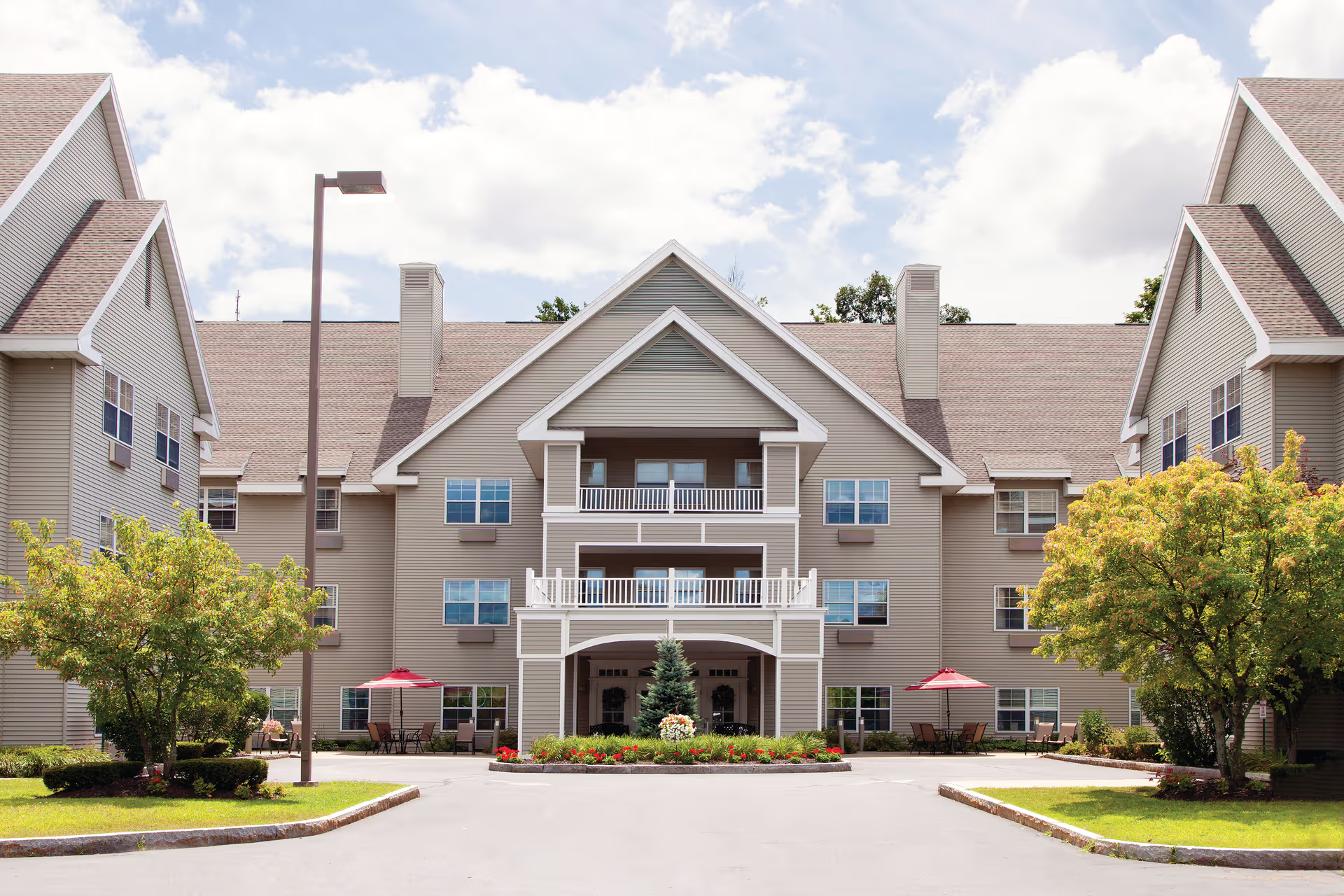
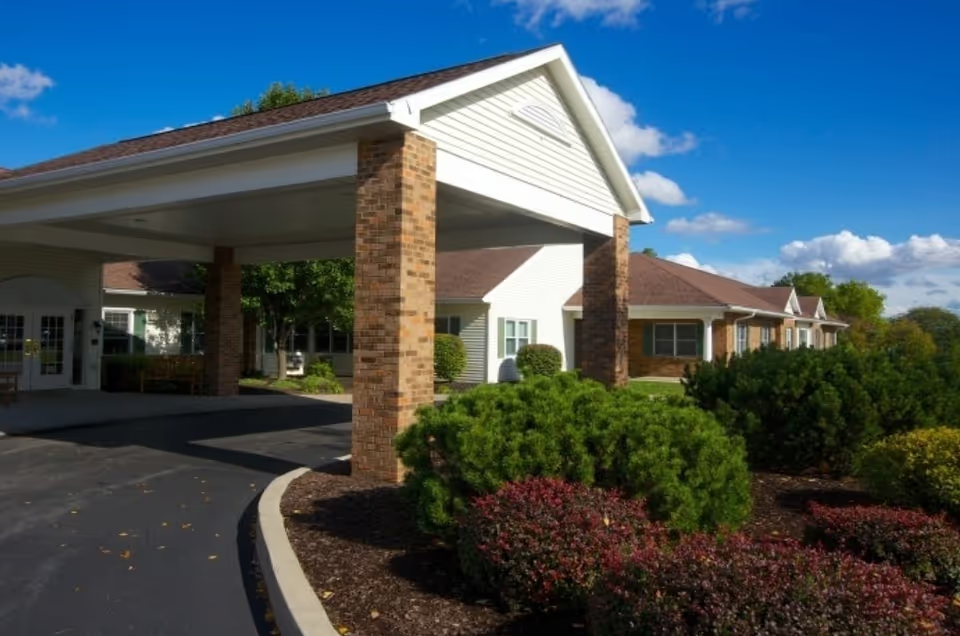
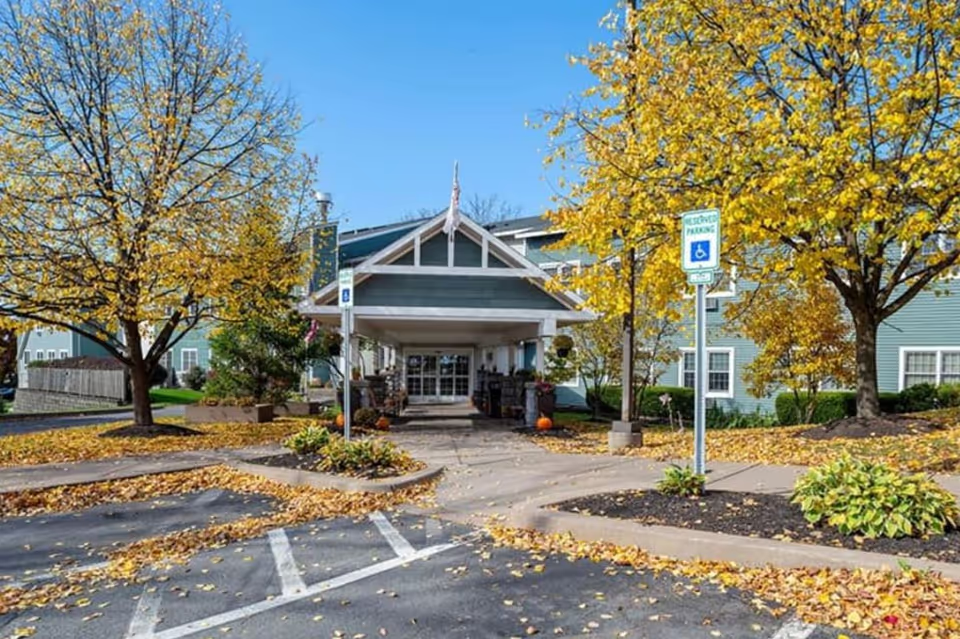
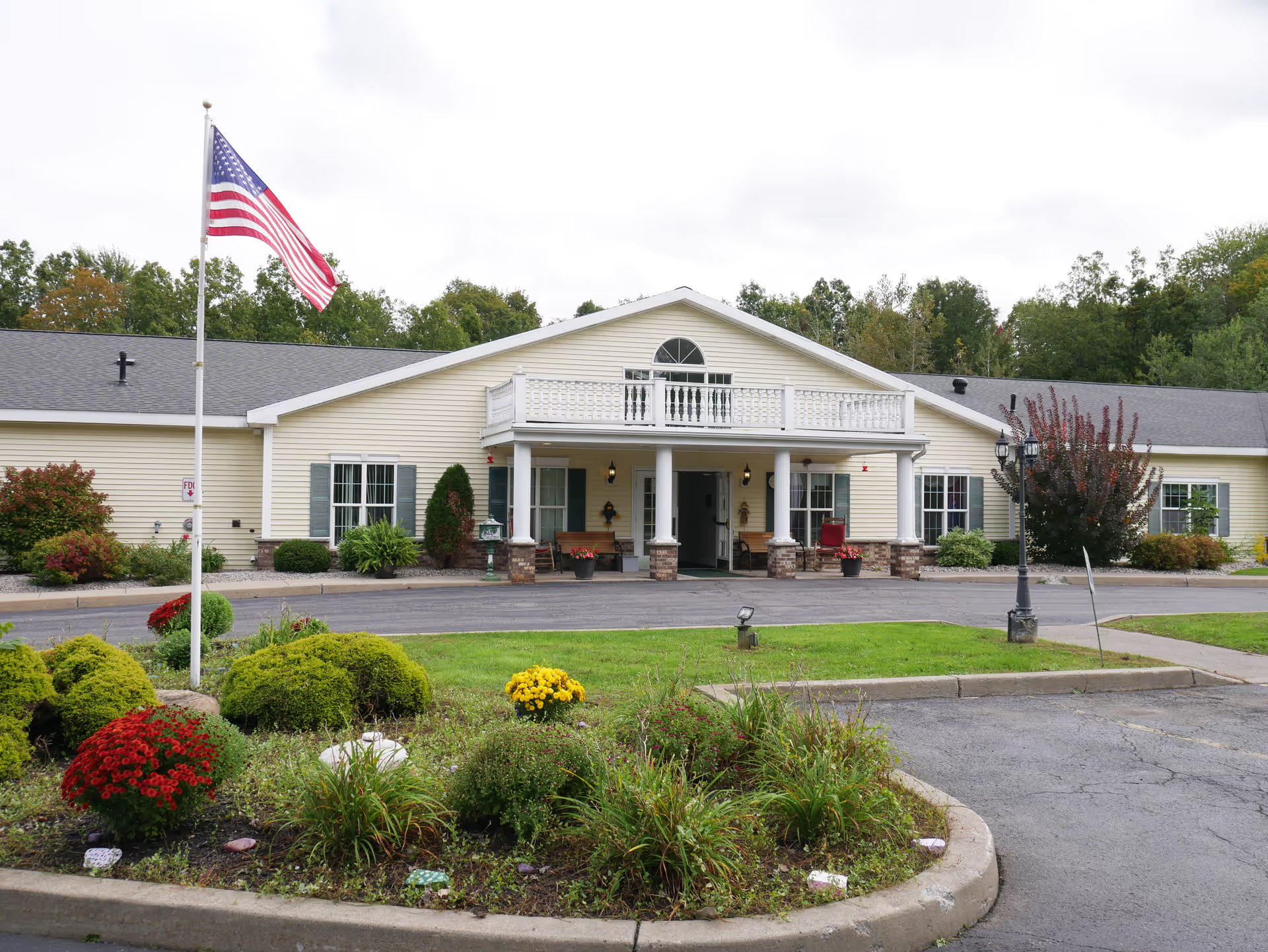
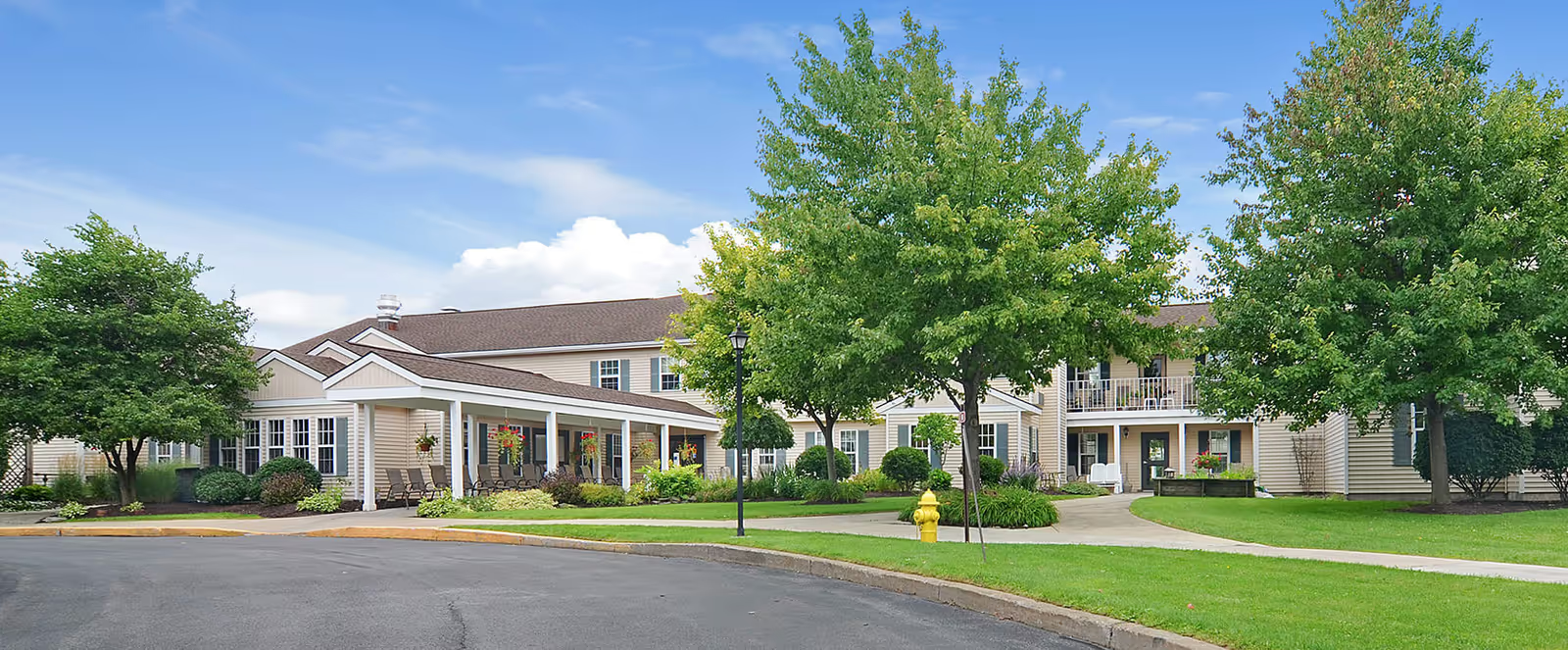
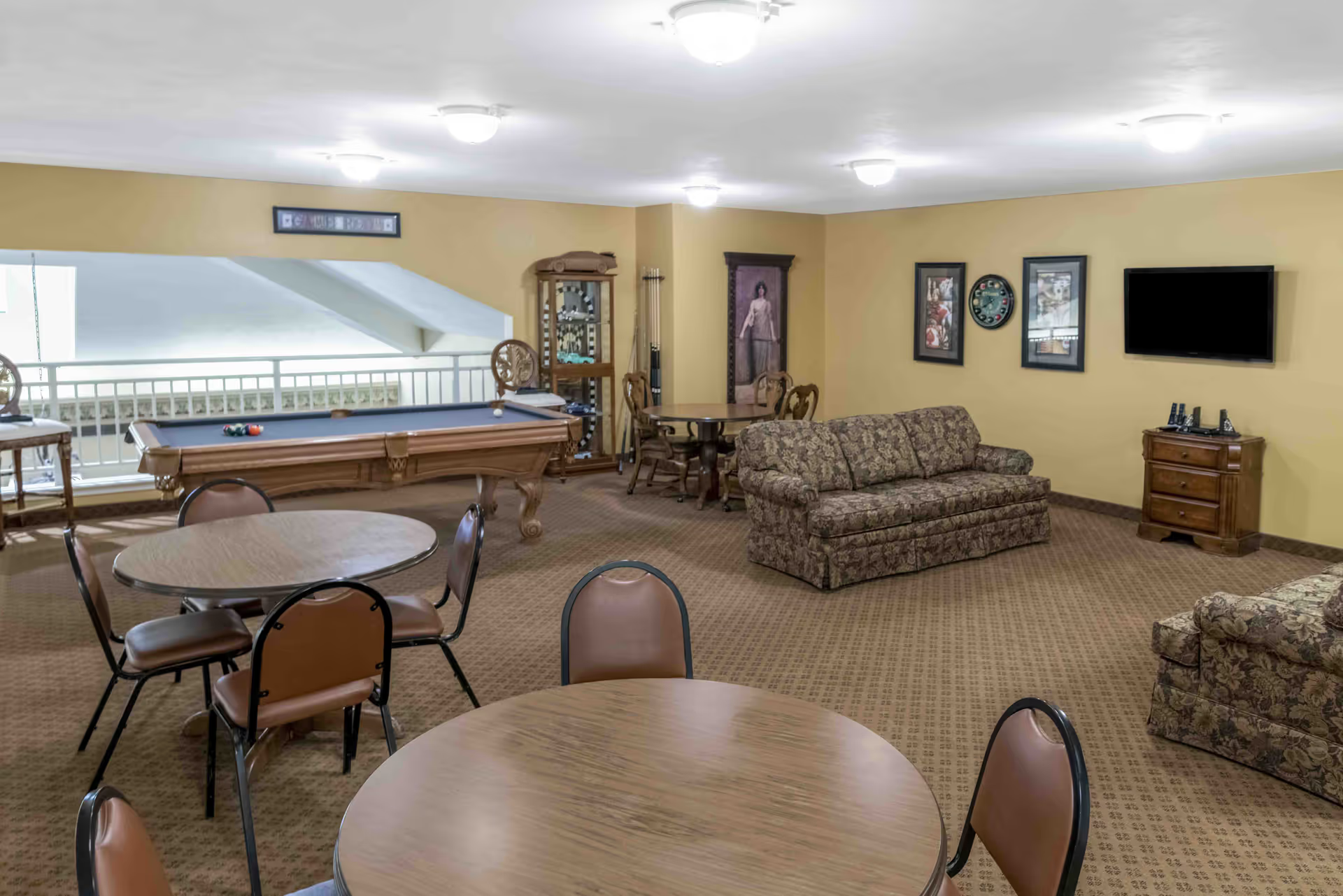
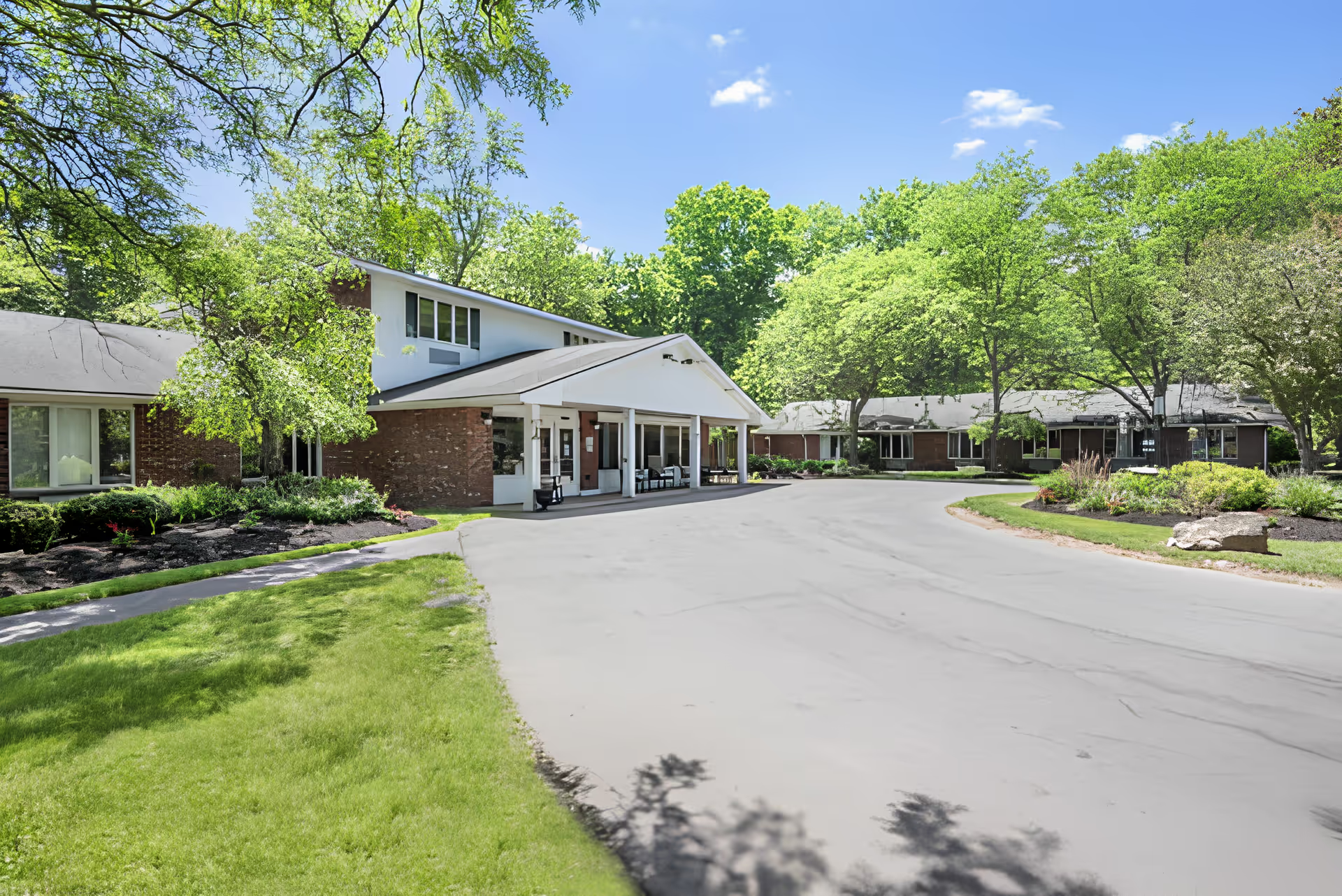
Facility condition and layout are described in contrasting terms. The building is often called attractive and well kept, with clean common areas; at the same time, there are specific concerns about odor in some common spaces and about reception and entry-point presentation. Room size reports vary—some cite large, comfortable apartments, while others describe small or crowded rooms that limit privacy. A few reviewers describe portions of the environment as having an institutional or industrial feel and note that a multi-floor layout can be difficult for some residents to navigate.
Management and communication show both strengths and gaps. Admissions staff and administrators are credited for being engaged and helpful, particularly during transitions and financial arrangements. However, front-desk hospitality and day-to-day communication appear inconsistent across families, and there is some uncertainty about how the facility handles transitions to long-term or skilled nursing care. These operational patterns—welcome and coordination at move-in paired with variability in ongoing reception, dining flow, and certain housekeeping/odour issues—are the primary themes to explore further.
For prospective residents and families: an in-person tour focused on the entry/reception experience, dining during meal service, specific apartment layouts, housekeeping/odor-control routines, and the facility’s long-term care pathways will help clarify whether Buckley Landing’s strengths align with individual needs. Overall impressions lean positive for families prioritizing compassionate staff, coordinated admissions, and active programming, while those sensitive to dining logistics, reception atmosphere, or room size should seek targeted observations and answers during a visit.