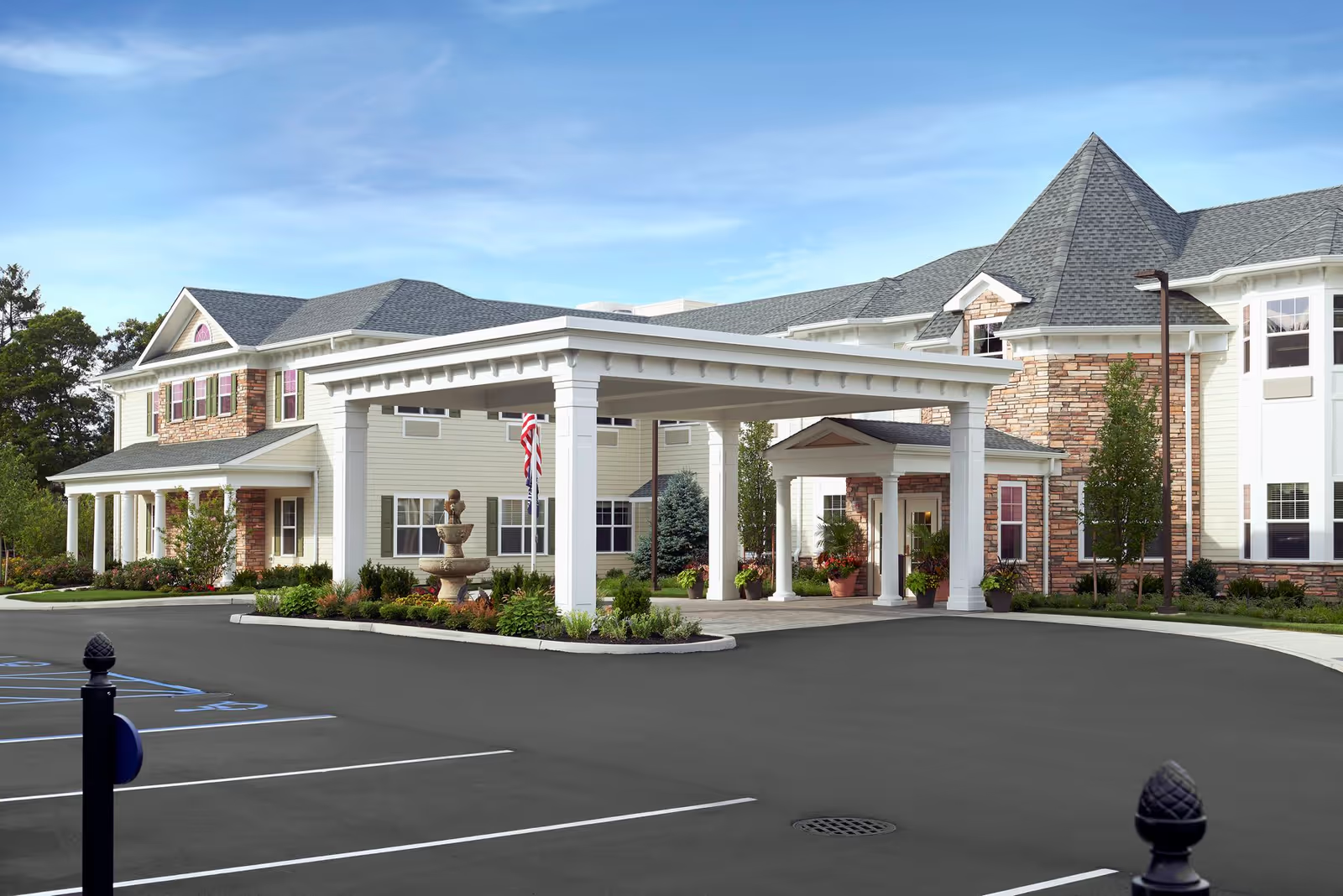
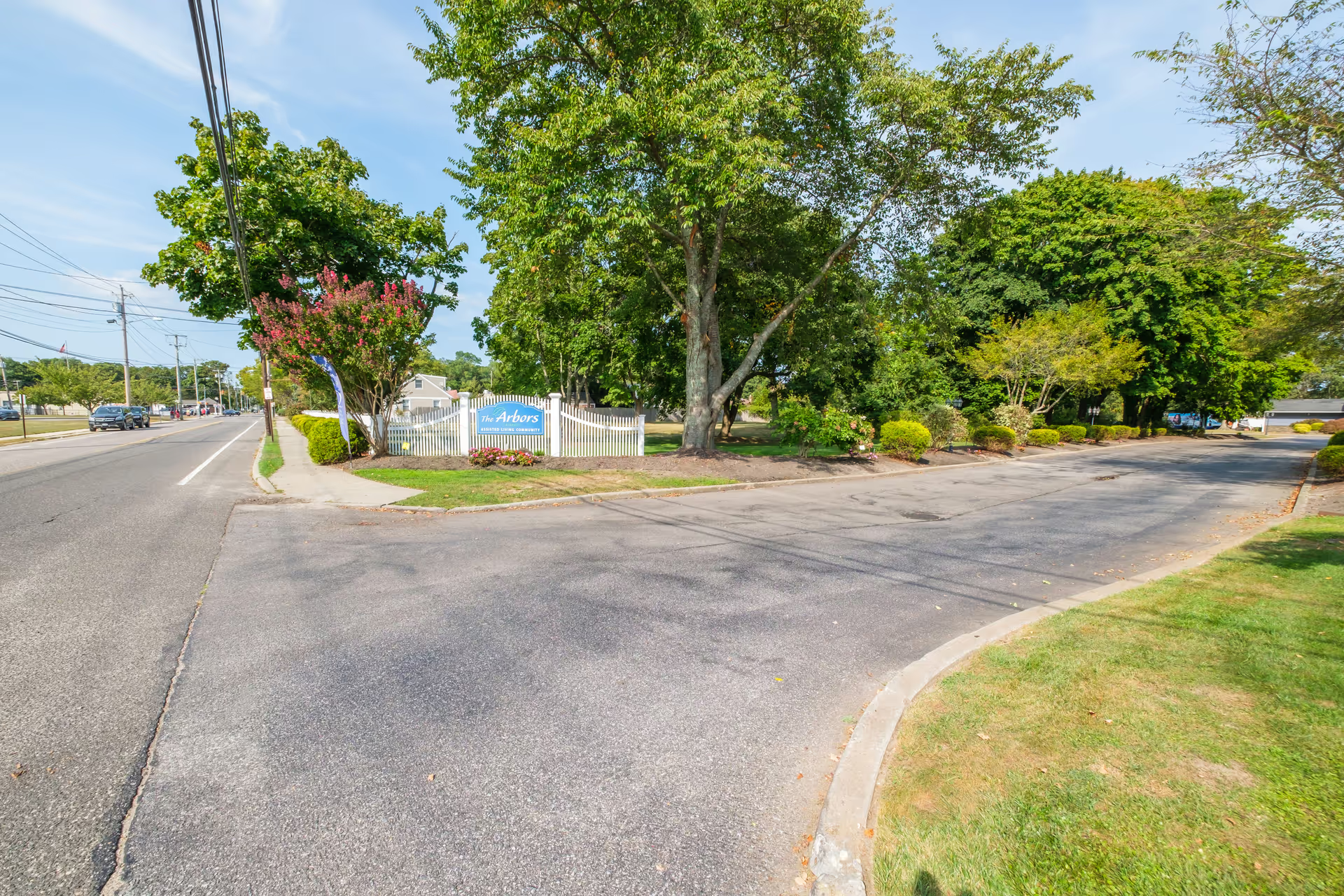
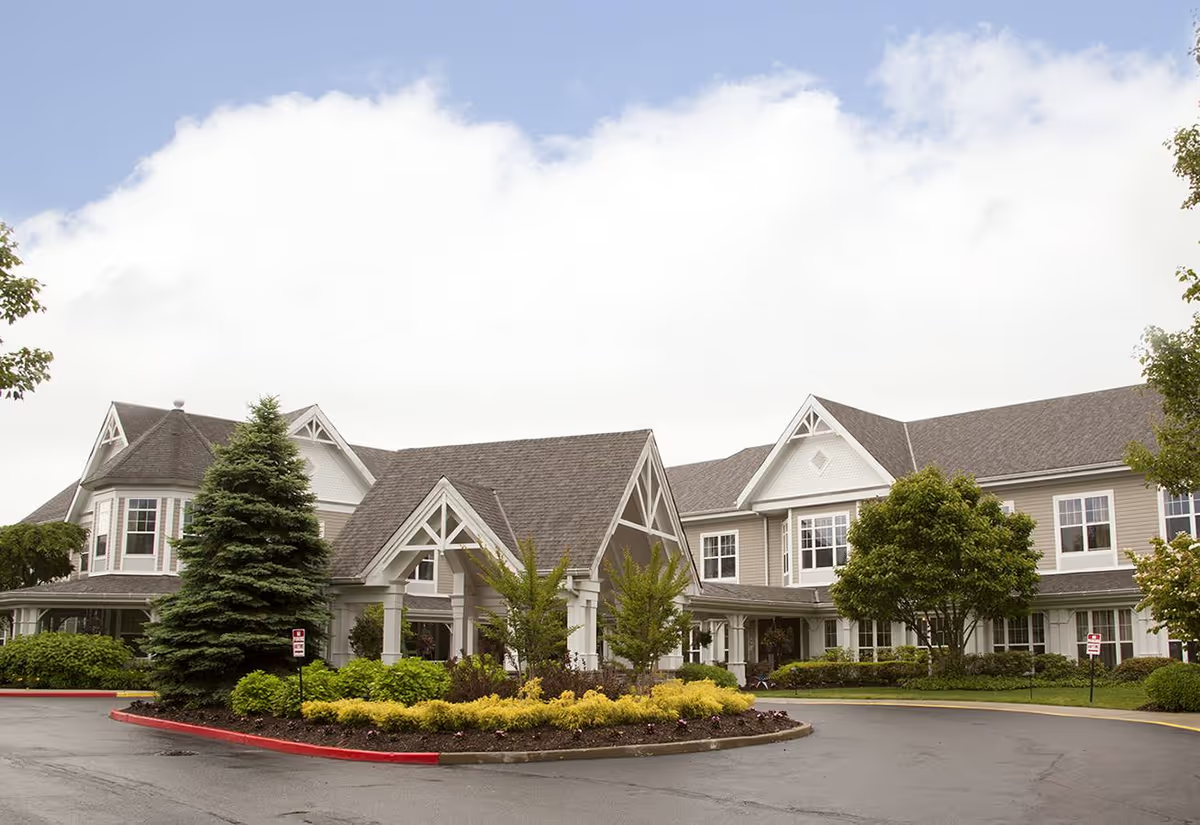
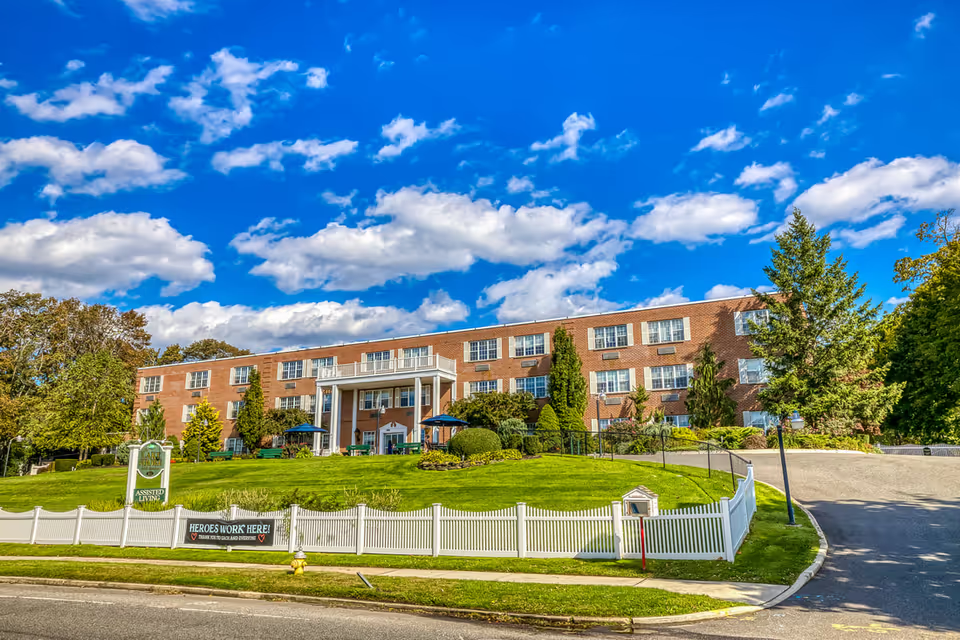
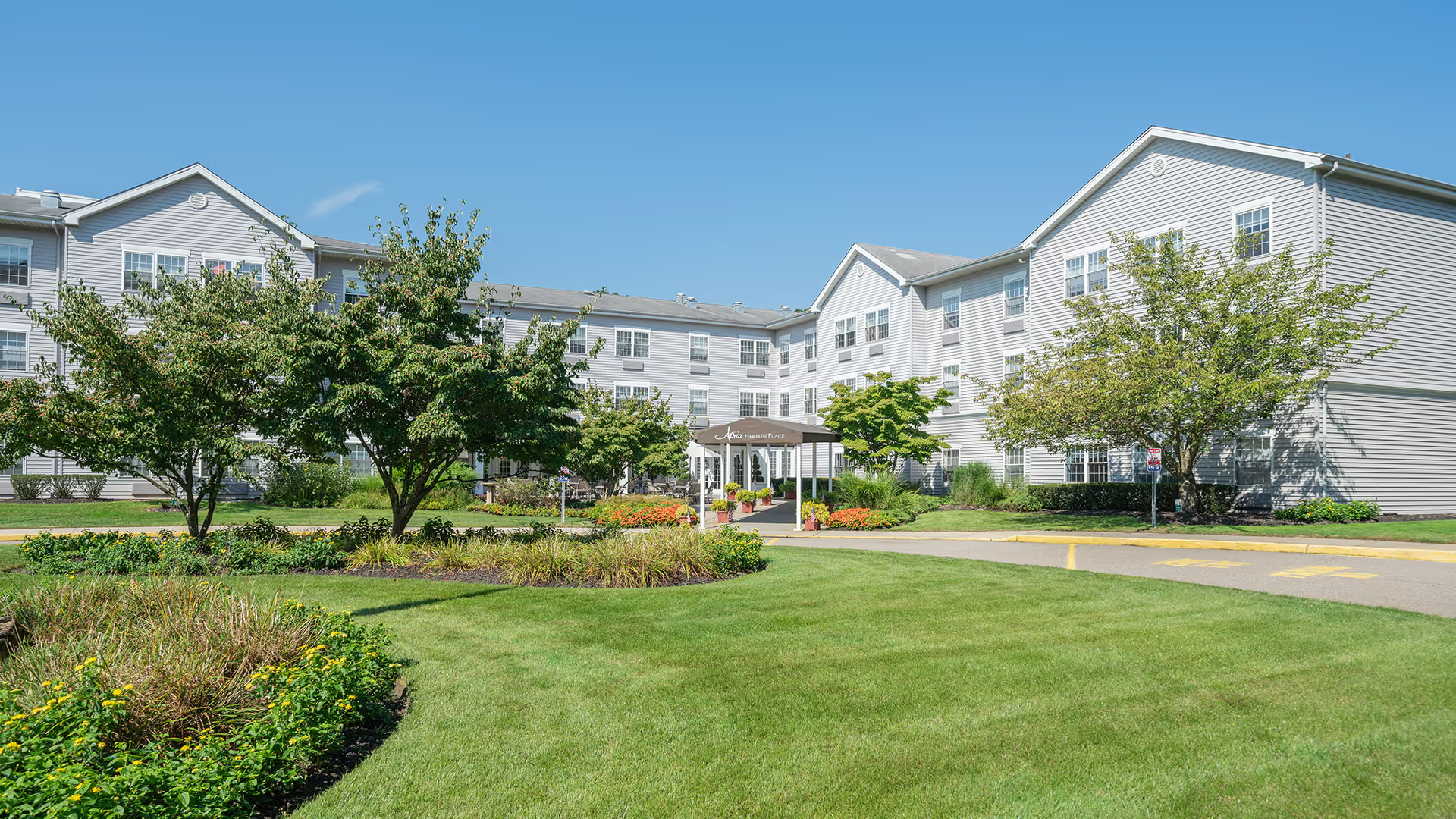
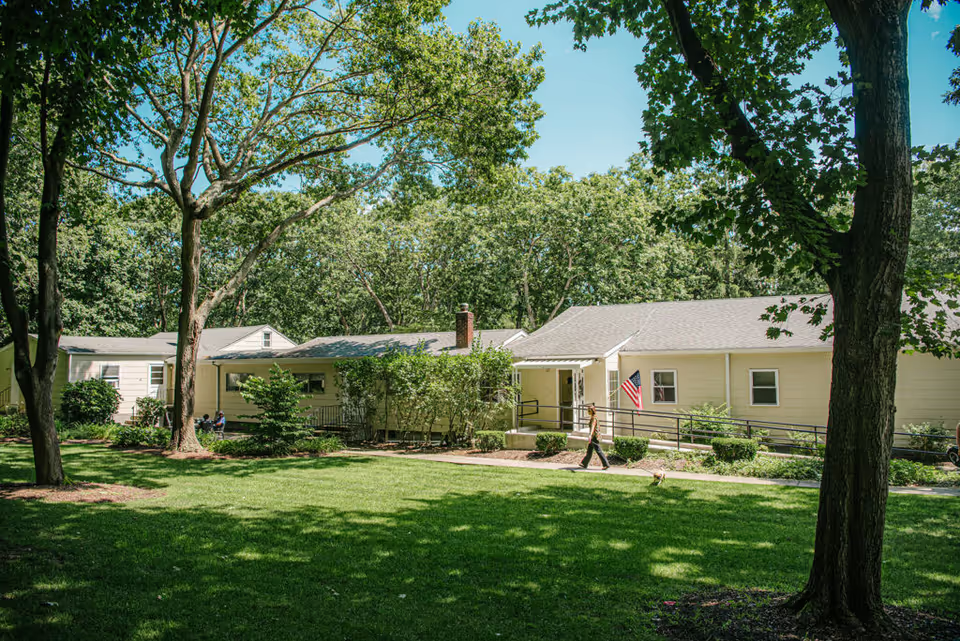
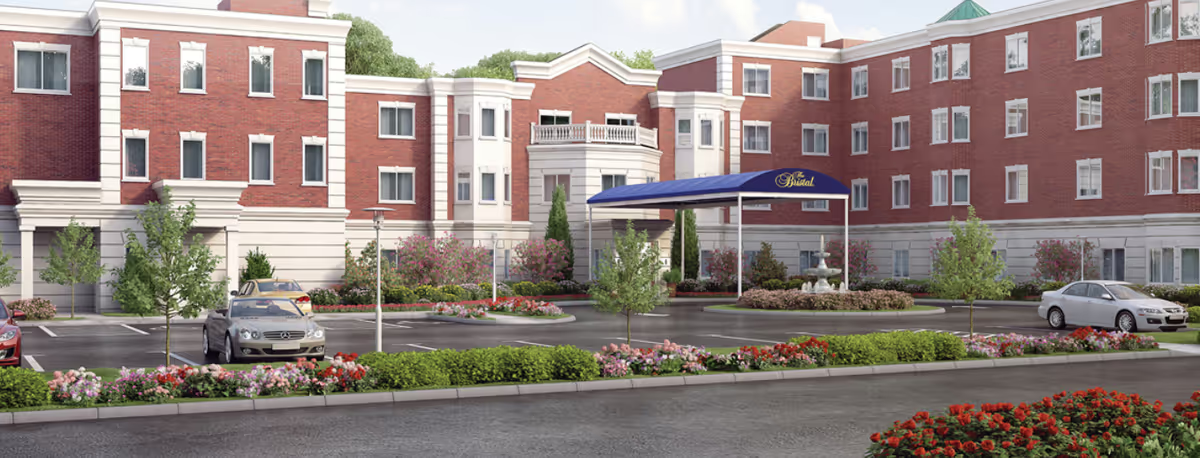
Affinity Skilled Living and Rehabilitation elicits markedly mixed feedback from families and patients. The facility's rehabilitative services are consistently highlighted as a strength: reviewers frequently praise the physical and occupational therapy teams, along with speech and respiratory therapy, for producing measurable functional gains during short-term stays. The environment itself — described as modern, bright and well maintained in many accounts — supports therapy work with attractive communal spaces and a pleasant courtyard. Maintenance and front-desk staff receive positive notes for responsiveness in resolving room or equipment issues.
Direct care staff draw polarized comments. Many families describe compassionate, skilled nurses and aides who provide attentive, dignity-preserving care; specific staff members and unit teams are repeatedly commended. At the same time, there is a consistent pattern of concerns about staffing consistency, particularly on night shifts and weekends, and variability in staff conduct and professionalism. These operational shortfalls are linked to delays in responding to call bells, inconsistent assistance with toileting and bathing schedules, and uneven follow-through on repositioning or wound-prevention measures.
Clinical-safety and medication management are recurrent themes. Several accounts cite medication-administration mistakes, long delays in addressing clinical needs, and gaps in wound and pressure-area management. There are also serious-allegation mentions concerning medication diversion and financial irregularities; while these are individual-level claims, they underscore a need for stronger clinical controls, auditing, and transparent communication. Families also report supply shortages that affect basic care (for example, incontinence supplies and wound supplies) and increased risk in specialized units caring for ventilated or tracheostomy patients, suggesting targeted competency and resource gaps in higher-acuity areas.
Dining, housekeeping and property management show mixed performance. Some reviewers describe attractive meal presentations and adequate portions, while many others note cold meals, limited menu choices, and concerns about nutritional adequacy. Housekeeping and laundry receive both praise and criticism: the facility is often described as clean and presentable in public areas, yet some families report inconsistent room cleanliness, missing or misreturned linens, and personal-item losses. These issues tie back to operational consistency and inventory controls.
Family communication and leadership responsiveness appear inconsistent. Some social work and administrative staff are lauded for clear, helpful insurance and discharge planning, and individual managers are credited with addressing problems proactively. Conversely, other families report poor follow-up after incidents, unclear billing communications, and difficulty reaching leadership when serious concerns arise. Infection-control and environmental-maintenance reports — including HVAC and mold concerns in a subset of accounts — further indicate areas where oversight could be strengthened.
In summary, Affinity offers notable strengths in rehabilitation services, therapy-driven recovery, and pockets of highly dedicated bedside staff. Prospective residents and families should weigh these therapeutic advantages against documented operational variability: inconsistent staffing, lapses in clinical and wound care processes, dining and housekeeping inconsistencies, and occasional serious allegations requiring investigation. Families considering the facility may find the best outcomes when they confirm staffing patterns on the intended unit (day vs. night coverage), clarify supply and medication-safety protocols, and establish regular communication channels with the unit’s clinical leadership and social work team.