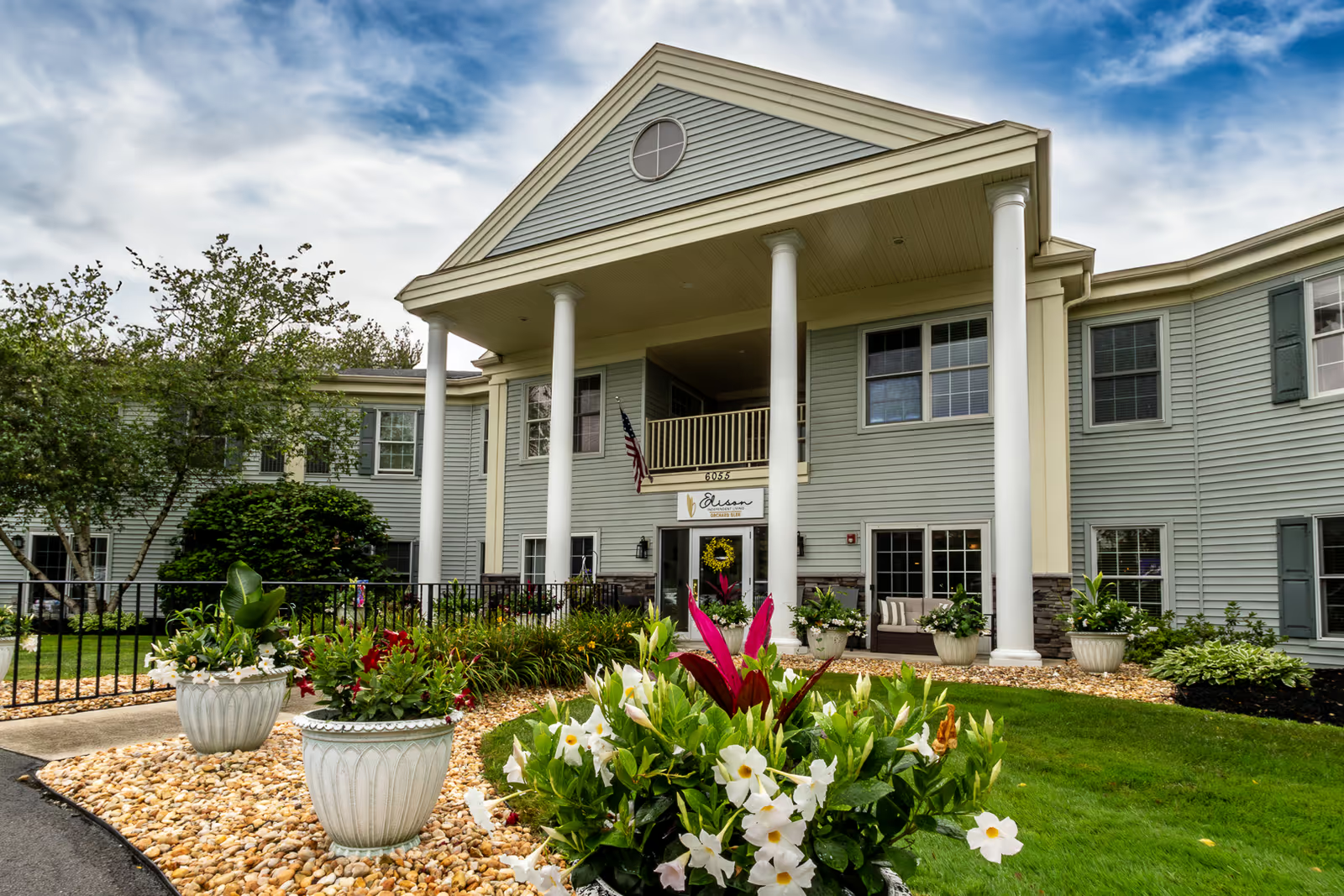
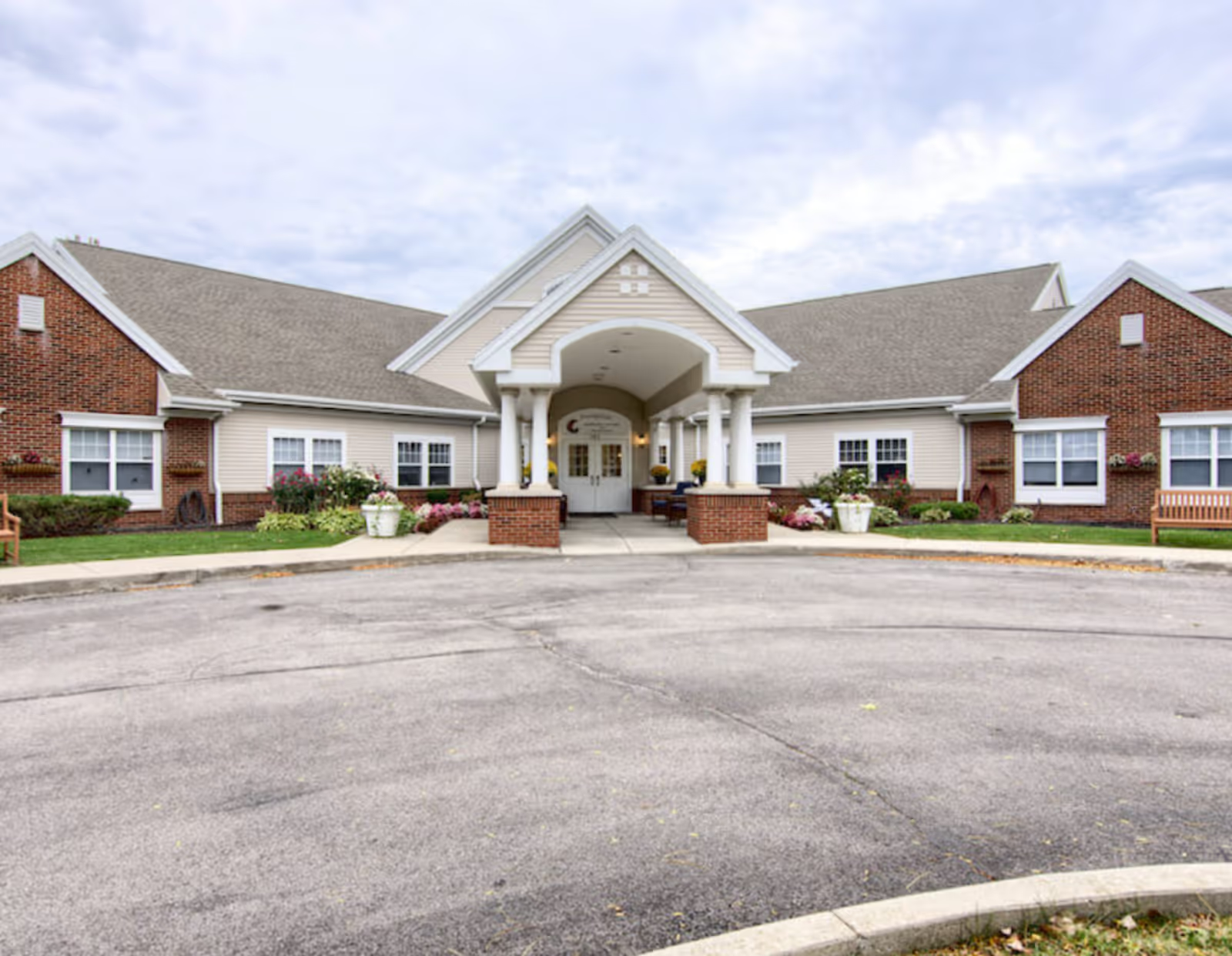
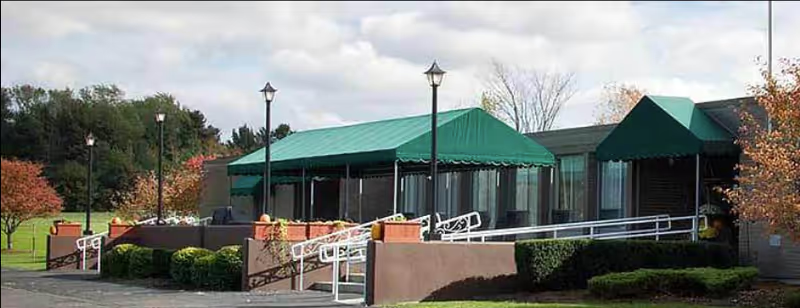
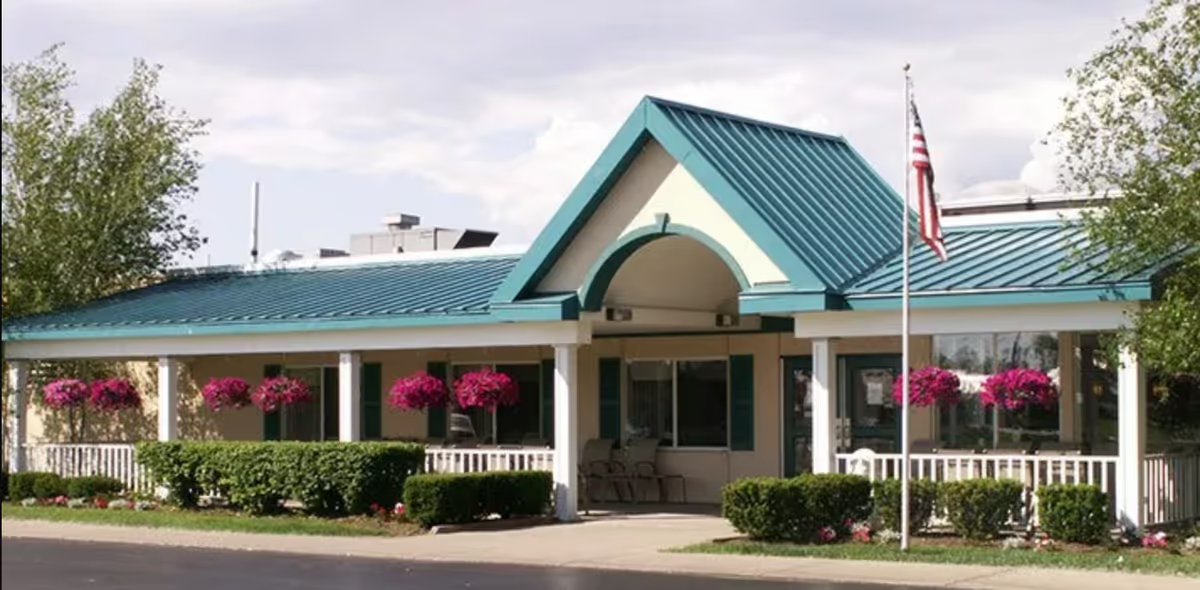
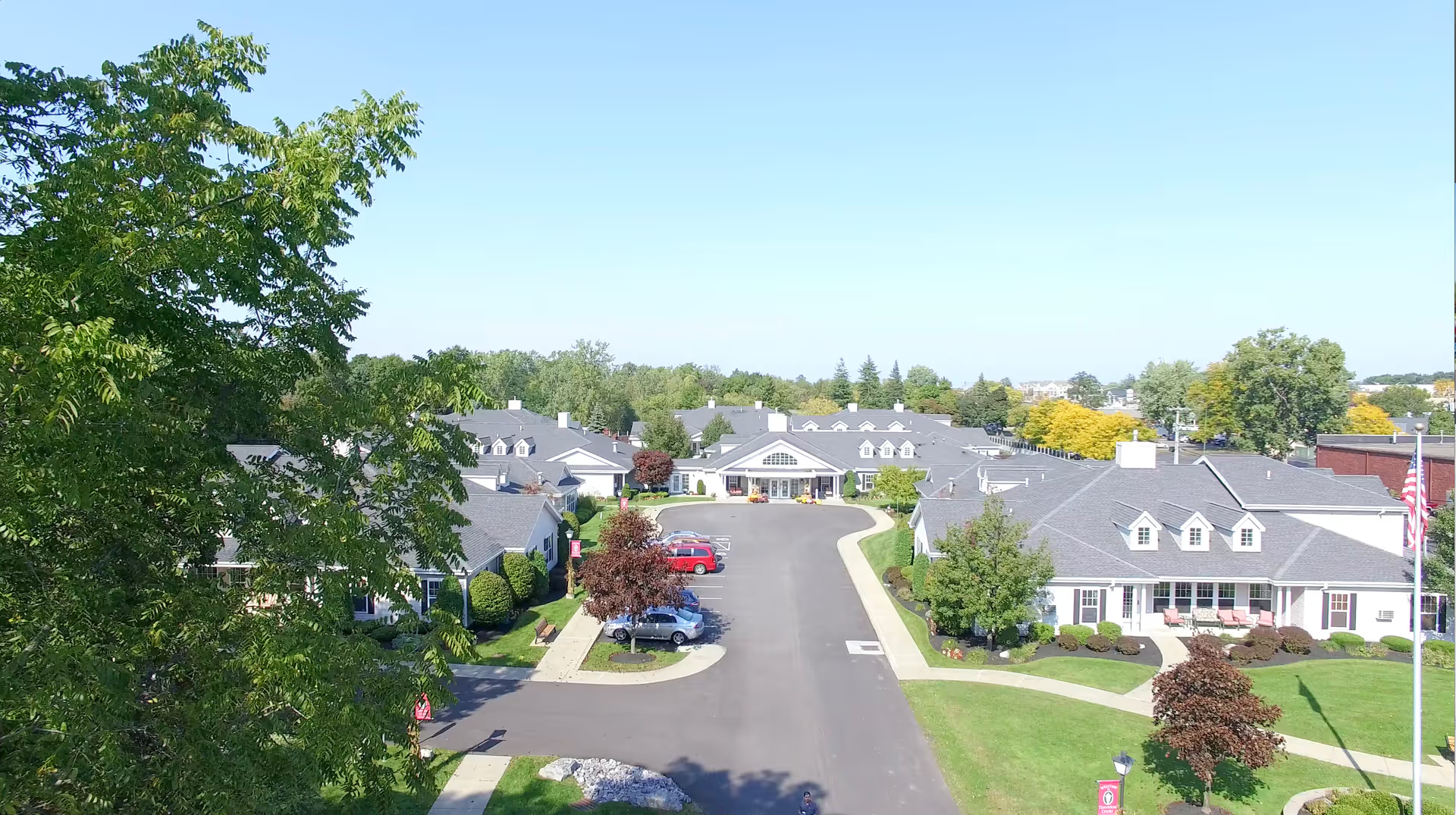
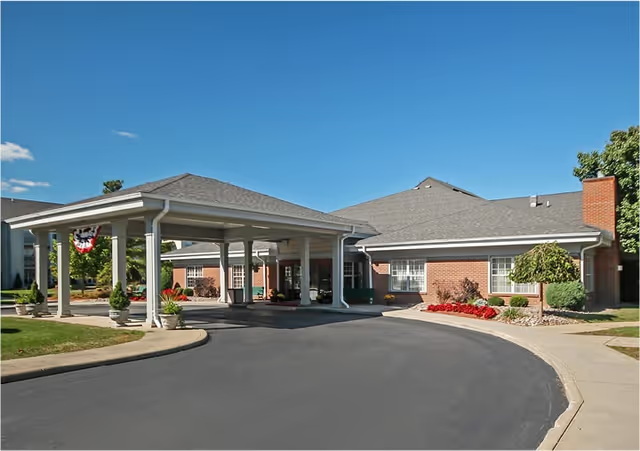
Orchard Heights presents a largely well-appointed senior living environment with notable strengths in facilities, programming, and individualized accommodations. Many reviewers described attractive landscaping, walking paths, patios and gazebos, private apartments with ensuite bathrooms, and generally clean, odor-free rooms. The community includes a range of on-site amenities such as an ice-cream parlor, art studio, salon and therapy spaces; reviewers often noted hotel-like finishes and roomy accommodations that support a comfortable residential feel.
Activity programming and social opportunities are consistent strengths. The facility offers a broad schedule of afternoon and evening activities — knitting, bingo, reminiscence groups, exercise classes, baking and trivia — plus regular field trips, weekly outings, and transportation services. Families and residents frequently reported that staff know residents by name and that there are many chances for social engagement and outings to local attractions, which supports quality of life and community integration.
Care quality and staff competence are described in mixed terms. Numerous accounts praise compassionate caregivers, engaged nursing staff, strong medication management, and effective rehabilitation services. Distinct staff members were repeatedly praised for going above and beyond and for building positive relationships with residents. Conversely, other accounts describe inconsistent staff conduct and communication tone, concerns about clinical knowledge on certain shifts, and difficulties with acute-incident response and hospital transfers. These contrasts suggest variability in staff performance or training across units and times.
Dining and amenities receive positive mentions for variety and creativity, but reviewers’ assessments vary. Many found meals inventive and satisfying with menu choices and included dining in the monthly fee; others pointed to uneven food quality. Some amenities are appreciated when actively programmed, yet there are comments about underutilized spaces (for example, an atrium or activity rooms that are not consistently used) and limited seating or communal capacity in the memory-care unit.
Management and operational patterns show both strengths and areas for improvement. Leadership involvement and a community-oriented approach are cited positively; admissions and tours often leave a good impression. However, recurring operational issues include lapses in family notification and discharge communication, unclear placement decisions for residents with cognitive impairment, pricing that some perceive as not aligned with value, and occasional exterior maintenance or access problems. There are also references to restrictive or inconsistently enforced entry/visitor procedures.
Overall, Orchard Heights appears to offer a comfortable, amenity-rich option with a strong activity program and many caring staff members. At the same time, prospective residents and families should be attentive to unit-level variation and ask targeted questions during touring and contracting: inquire about staff training, staffing ratios and shift coverage, incident-response and hospital-transfer protocols, written communication policies for families, how memory-care placement decisions are made, sample menus and dining-service standards, and a detailed breakdown of fees. Doing so will help align expectations with the facility’s strengths and address the operational issues that underlie the mixed experiences described.