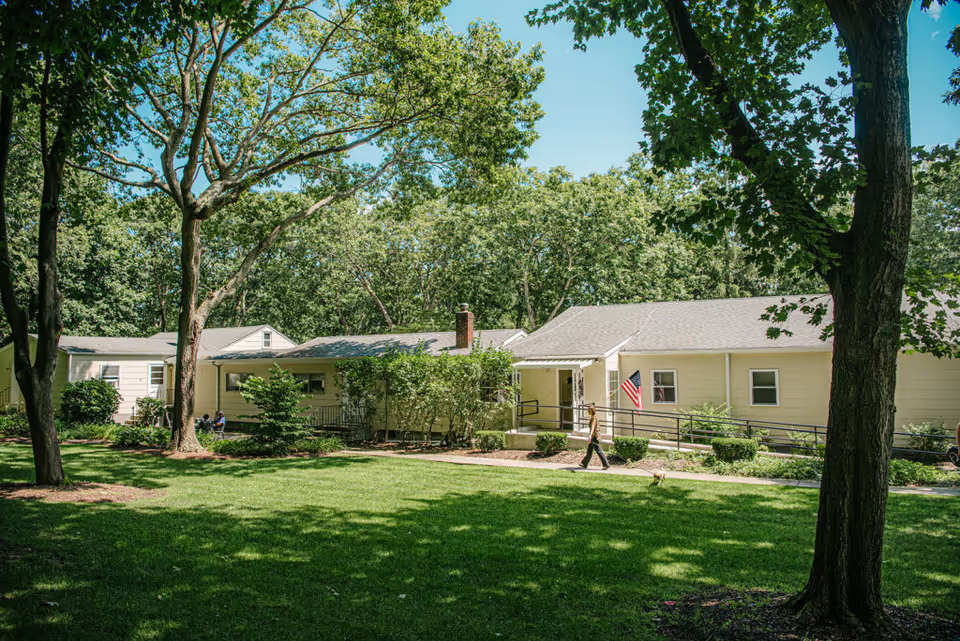
Woodhaven HFA presents a mixed profile: it operates as a small, family-run facility with active resident governance and engaged groundskeeping, but it also shows operational and infrastructure limitations that merit close review by prospective families.
Care and staffing: Reviewers describe both strengths and weaknesses in care. Positive accounts highlight attentive nurses, proactive administrators and social workers, and staff who go above and beyond in individual cases. At the same time, there are recurring concerns about staffing levels, responsiveness to needs, variability in staff professionalism, and communication gaps with families. Some families raised serious individual care concerns; these suggest the facility can experience episodic lapses in oversight. Prospective callers should ask about current staffing ratios, staff training and turnover, and protocols for wound/skin care, falls and incident reporting.
Dining and nutrition: The dining program is characterized as simple and limited. Strengths include a structured dining room service and allowances for bringing personal food or small refrigerators (with extra charges). Areas of concern include inconsistent food quality, reliance on processed items at times, limited fresh produce or salad options, and unclear labeling for diabetic or sugar‑free alternatives. Families should request current sample menus, information on therapeutic diets, and how dietary needs are documented and communicated.
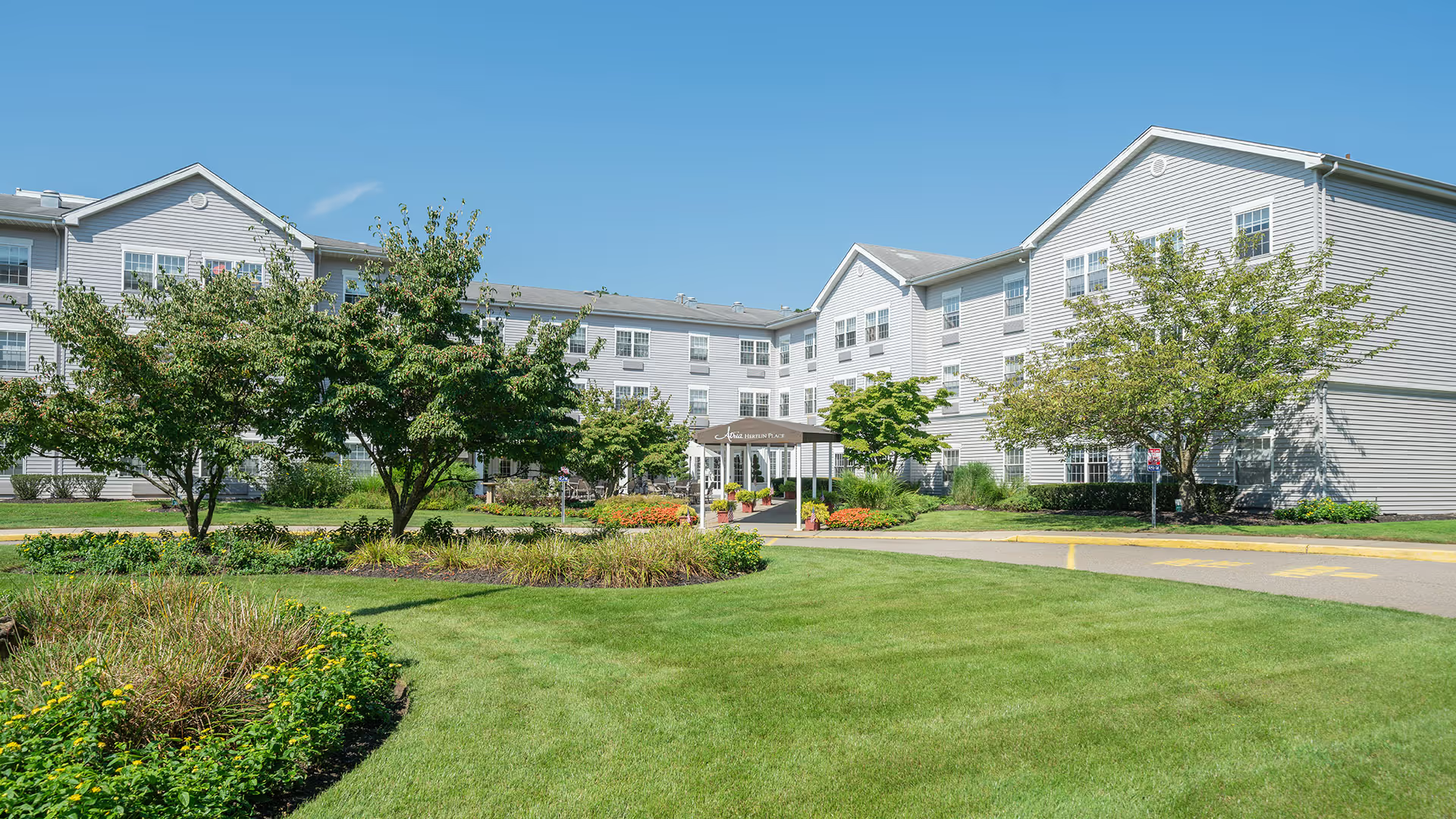
Activities and social life: The facility offers a regular activity schedule (bingo, art, game nights, movie nights) and an active Resident Council. Volunteers support gardening and grounds maintenance, and outdoor spaces are noted for pleasant landscaping, shade trees, and seasonal flowers. For residents who value social programming and outdoor access, these are clear strengths.
Facilities and safety: The building is described as older with small closets, twin beds, shared two‑person rooms and hall bathrooms, and limited or no in‑room showers. While rooms can be personalized and extra bathrooms exist in halls, the physical plant shows signs of age and some dated furnishings. Safety concerns mentioned include fall risk in bathing areas, smoking‑related safety management, and unsecured access that can allow unsupervised entry. These translate into operational considerations about fall‑prevention practices, smoking policies, and building security.
Management and notable patterns: Administrative feedback is mixed. Several accounts praise an accessible, proactive administrator and ongoing improvement projects; others describe inconsistent management follow‑through, lost personal items, and poor communication. There was mention of an infection‑control event (COVID‑19) that affected perceptions of safety. Marketing claims and lived experience were occasionally seen as misaligned. Visitors should meet with administration, review recent inspection or incident records if available, and speak with current families and the Resident Council.
Bottom line: Woodhaven HFA may suit families seeking a small, community-oriented facility with active programming and pleasant outdoor spaces, and where affordability is a priority. However, the facility’s aging infrastructure, variability in meal and care quality, and operational concerns about staffing, security and dietary accommodations are important considerations. A recommended next step is an in-person visit (or virtual tour), targeted questions about staffing, safety protocols, dietary management, personal‑property handling, and a review of recent quality or inspection documents before a placement decision.