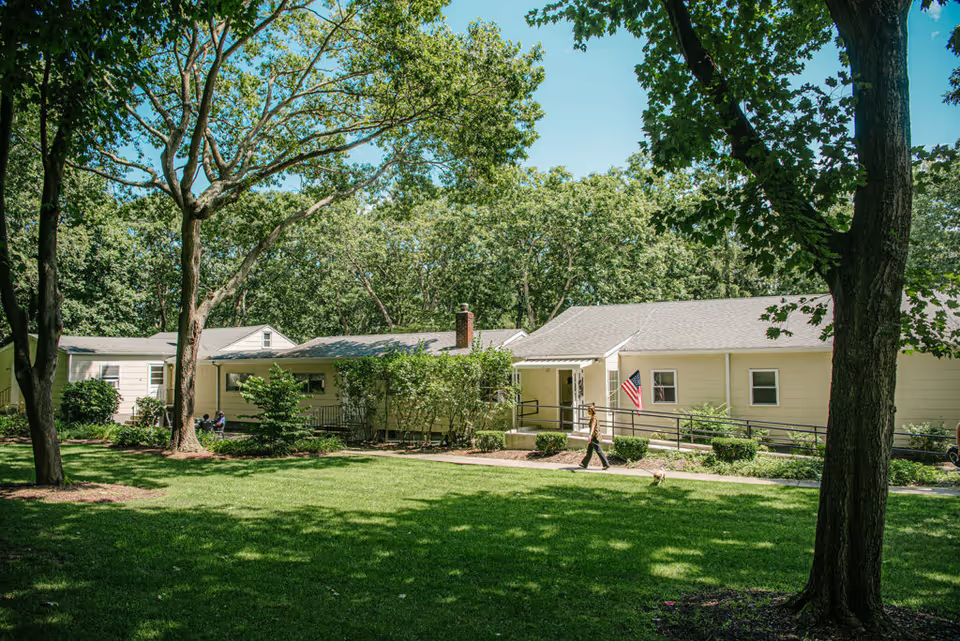
Allegria Nursing & Rehabilitation Center of Port Jefferson elicits a strongly mixed but thematically consistent set of impressions. The facility is most frequently praised for the quality of direct caregiving: reviewers emphasize compassionate, attentive nurses and aides, a cohesive interdisciplinary rehabilitation team (physical, occupational therapy, nursing, social work and medical oversight), effective short-term rehab outcomes, and personalized comfort care at end of life. Admissions and front-desk staff are commonly described as welcoming and helpful, and many families report a clean, quiet environment with timely call-light responses and engaging activities that contribute to residents’ wellbeing.
Clinical care strengths appear concentrated in hands-on caregiving and rehab services. Multiple accounts describe rapid functional progress, attentive therapy teams, and nursing staff who are available and communicative. Social work and admission staff are repeatedly noted as reassuring and proactive, which many families cite as a reason they felt confident placing a loved one. The overall atmosphere is often described as home-like and cheerful, with staff interactions that help residents remain engaged and comfortable.
However, several operational and safety concerns recur across reviews. There are serious allegations of theft and mishandling of personal property; these items suggest weaknesses in how personal belongings and mail are secured. Management responsiveness is inconsistent in some accounts, with families describing difficulty obtaining callbacks or follow-up. Staffing levels and turnover are highlighted as ongoing issues that can affect continuity of care; reviewers connect understaffing to perceived care delays and to broader concerns about_safe staffing_. Alongside staffing questions, reviewers note variable food quality (including reliance on lower-cost vendors) and mixed impressions about housekeeping and dining services.
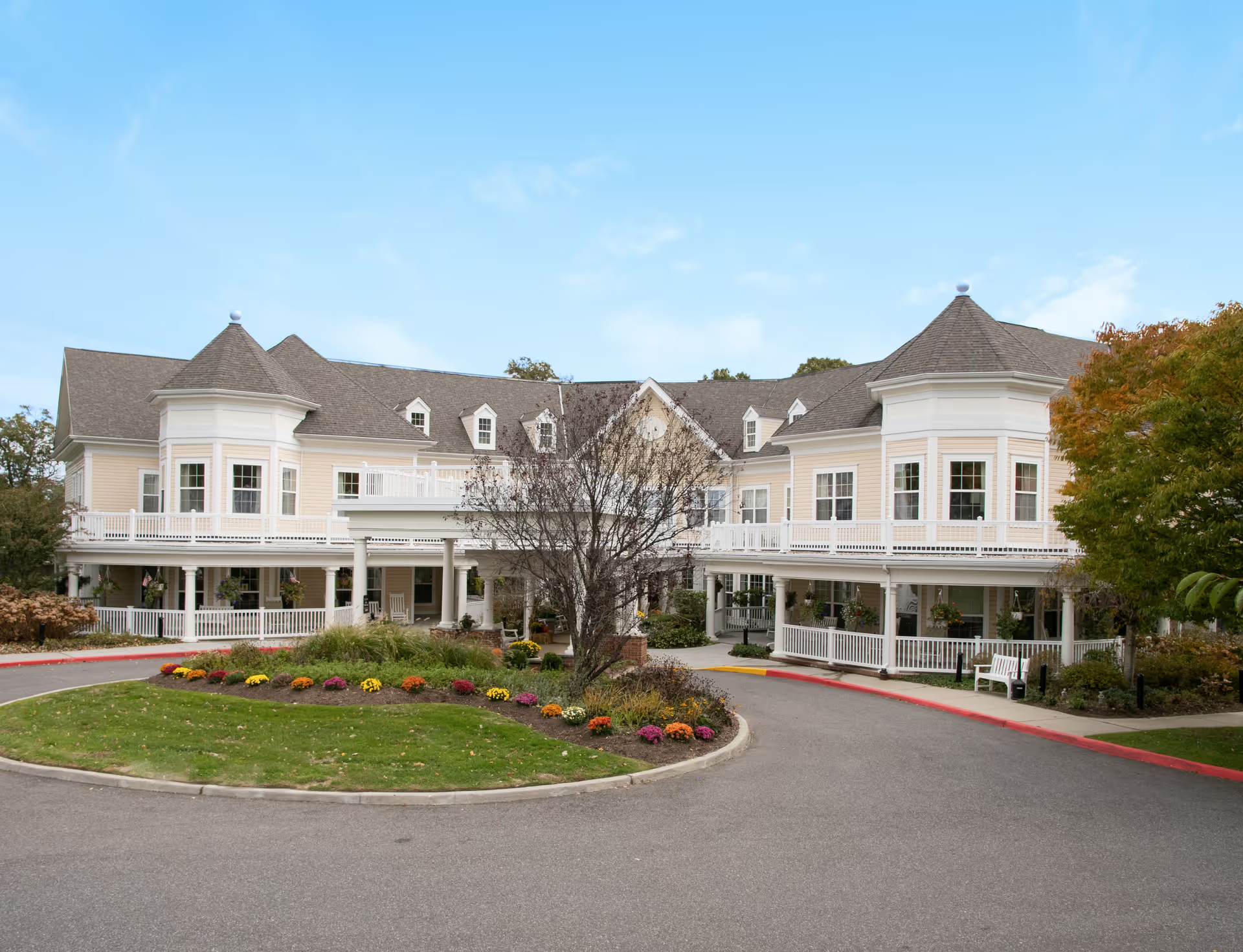
The physical plant is described as a work in progress: parts of the facility have been renovated and appear bright and well-kept, while other areas — particularly resident rooms and furnishings — are characterized as dated, with occasional maintenance issues (drafts, older windows) that have not been uniformly addressed. Clinical-safety process gaps are also mentioned in association with specific failures of care continuity (dietary-adherence errors, falls, and delayed hospital transfers); one review references concerns following a resident’s death. These allegations point to the need for clear protocols, oversight, and family communication when clinical incidents occur.
In summary, prospective residents and families will likely find strong, compassionate hands-on care and effective rehabilitation at Allegria, especially in short-term rehab and comfort-care contexts. At the same time, families should proactively evaluate operational safeguards: ask about personal-property policies and inventory procedures, staffing levels and turnover rates for the unit, food-service sourcing and therapeutic-diet procedures, maintenance and renovation plans for resident rooms, and the facility’s communication protocols for clinical incidents and lockdowns. Visiting in person, meeting the therapy and nursing leaders, and requesting written answers about these topics will help balance the facility’s marked caregiving strengths against the operational concerns identified by reviewers.