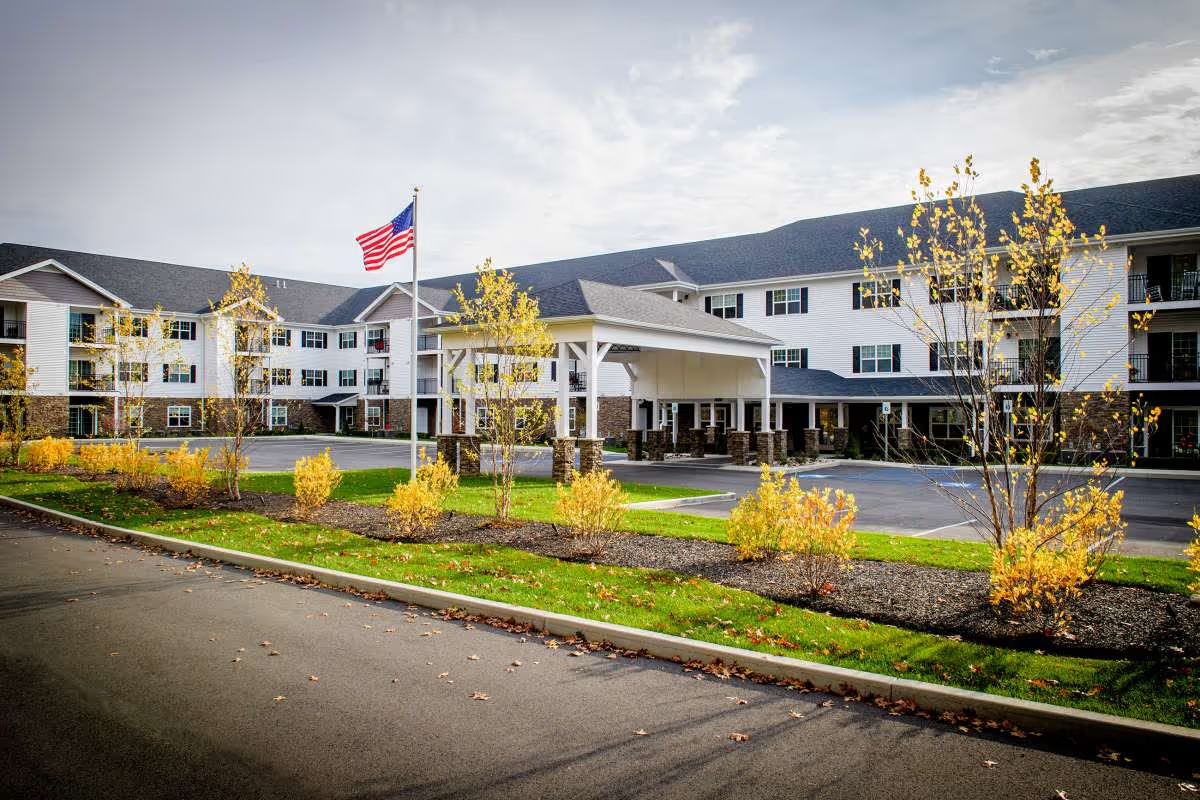
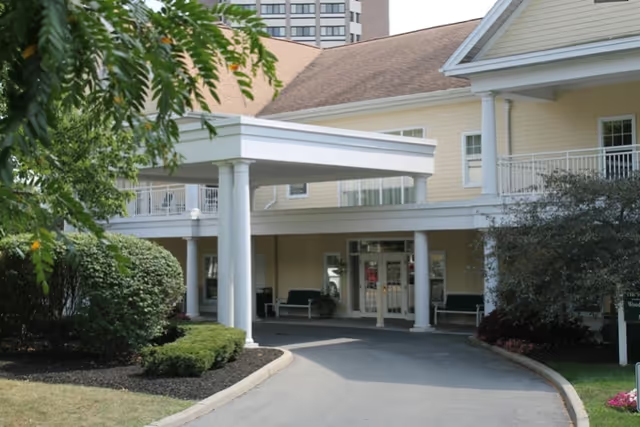
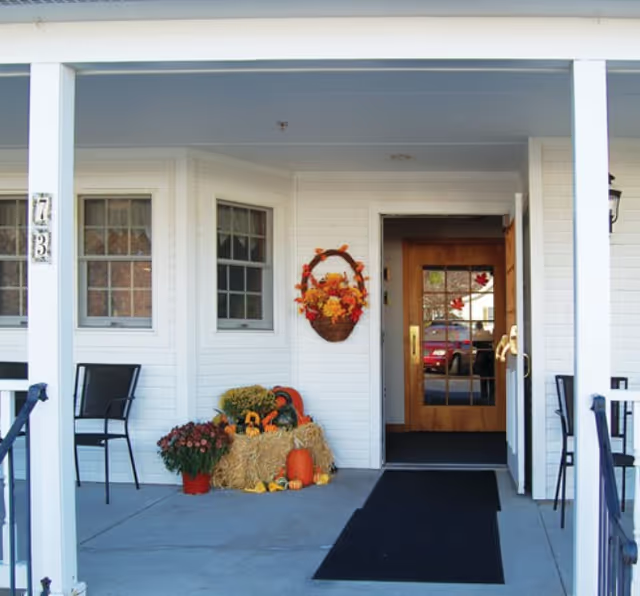
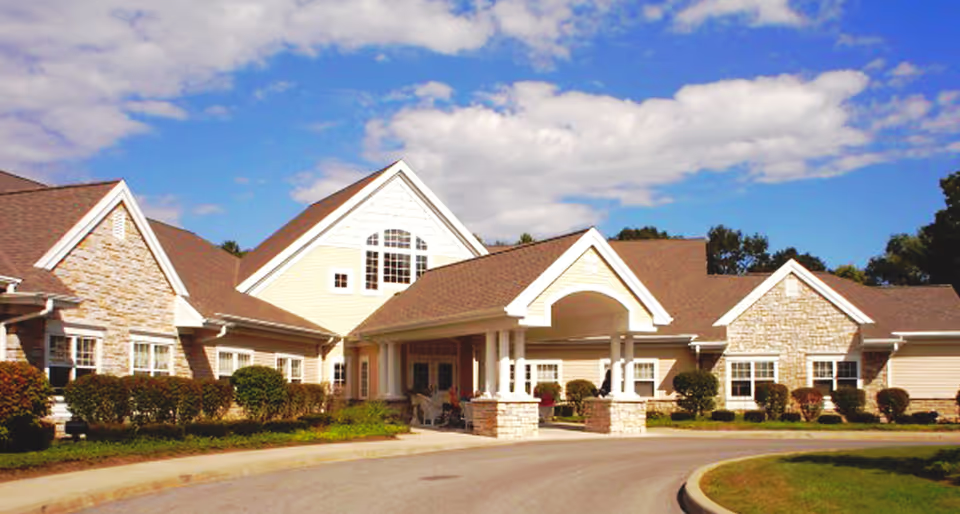
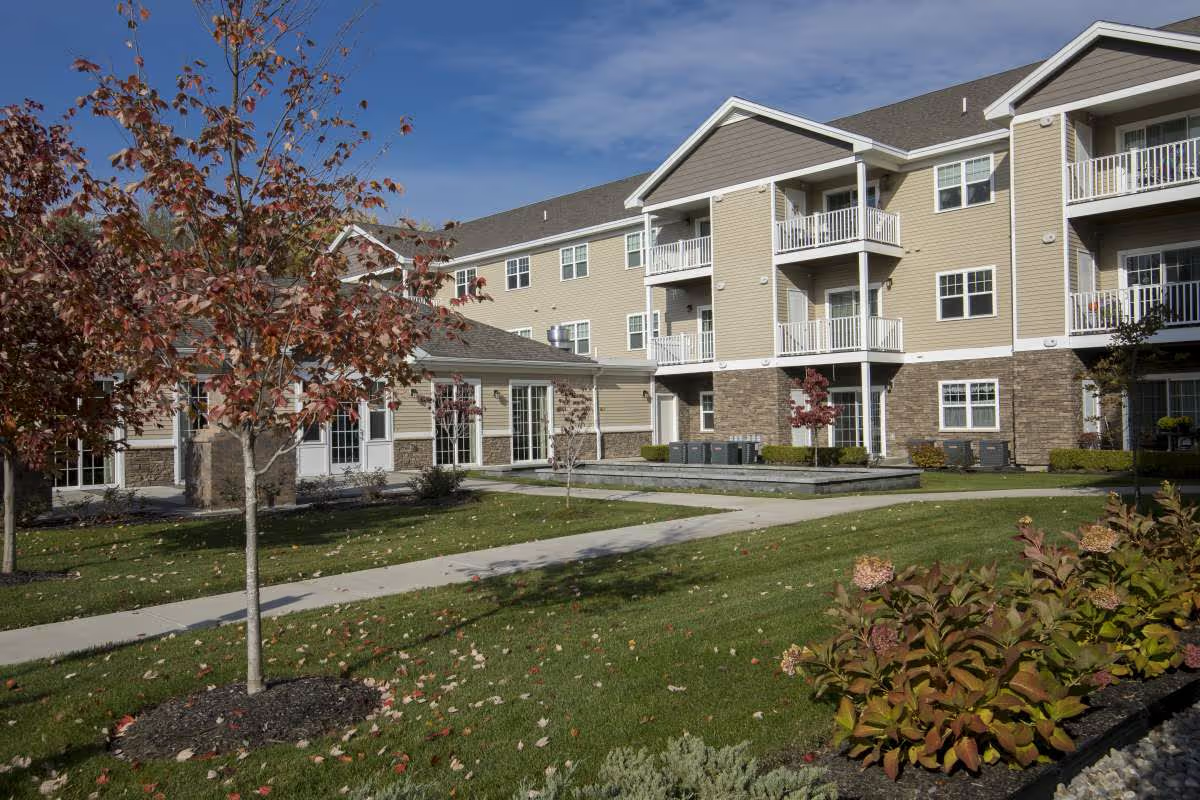
The reviews present a strongly mixed picture of Warren Center: many families praise the rehabilitation services and individual caregivers, while others raise serious operational and safety concerns. Physical therapy and occupational therapy are a consistent strength—several accounts describe effective, proactive rehab with rapid initiation and in-room options that contributed to clinical improvement. Reception and certain nursing and aide staff are frequently described as friendly, empathetic, and supportive, and some reviewers highlighted a home-like atmosphere with programs, activities, and well-kept common areas.
At the same time, recurring operational issues are prominent. Chronic understaffing and long response times to call lights were described repeatedly; reviewers linked staffing shortfalls to inconsistent assistance with bathing, delayed toileting and bedding changes, and long waits for help. Medication management and pharmacy logistics were another recurring concern: delayed deliveries, slow internal medication administration, and at least one allegation involving concealment of medication errors were cited, suggesting variability in clinical controls and pharmacy coordination.
Dining and basic care services also show variability. Multiple reviewers described inconsistent meal quality, substitutions, and delays in meal service, along with requests for fresher produce. Hygiene- and sanitation-related concerns were raised for rooms and corridors, and some reviewers noted odor concerns and housekeeping lapses. Personal-property management emerged as an operational weakness: missing items, laundry mix-ups, and clothing replacement issues were reported, indicating gaps in inventory and labeling practices.
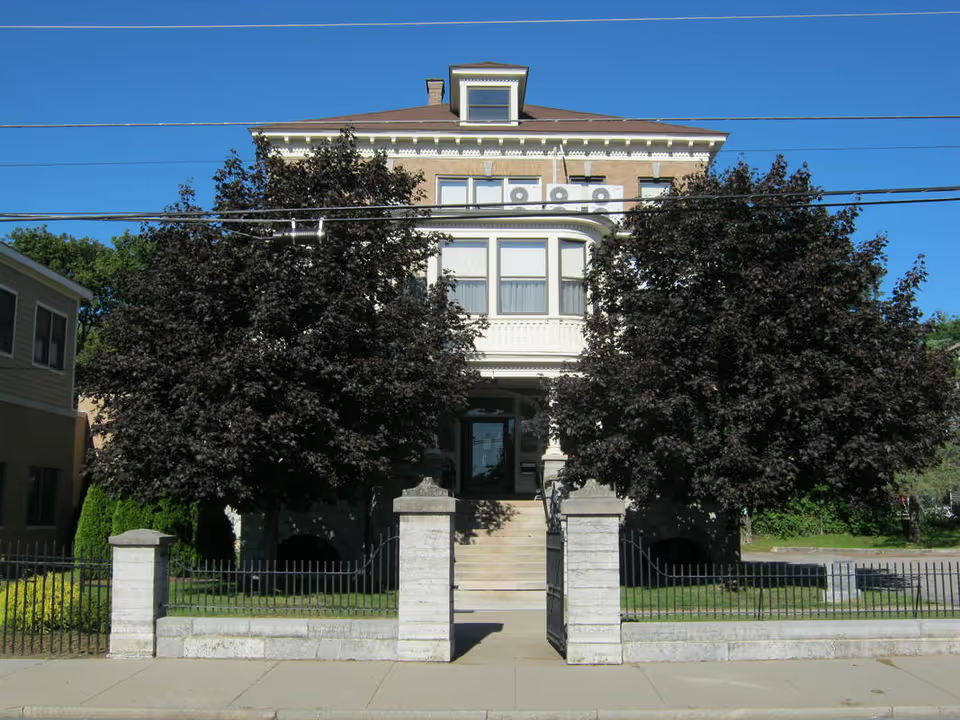
Facility condition and management practices contributed to mixed impressions. The building and some therapy equipment were described as dated; maintenance delays (for example, slow repairs) were mentioned. Communication from administration to families was uneven—while some families experienced prompt, clear updates (including phone calls after incidents), others described difficulty getting information, defensive responses from leadership, and broken promises. Reviewers referenced regulatory scrutiny and a high number of citations, which underscores concerns about systemic compliance and quality oversight. Infection-control limitations during an outbreak were also raised as a notable pattern.
Overall, the pattern is polarized: strong clinical rehabilitation services and several standout, compassionate staff members versus systemic operational weaknesses that include staffing shortages, inconsistent basic-care practices, medication- and property-management gaps, and management/communication shortcomings. Prospective residents and families should weigh the facility’s rehabilitative strengths and caring individual staff against documented service variability, infrastructure age, and administrative concerns. Where possible, arrange an in-person visit, ask for current staffing ratios, review recent inspection/citation history, and request written policies on medication management, infection control, and personal-property procedures before making a placement decision.