Madison York Assisted Living elicits strongly mixed impressions. Many accounts emphasize a caring culture led by an engaged administrator and a team of aides, nurses, therapists, and reception staff who provide attentive day-to-day support. Positive descriptions highlight successful rehabilitation outcomes, visible infection-control protocols during the COVID pandemic, routine housekeeping services, updated communal spaces (including a renovated dining hall), and a range of recreational offerings that include indoor and outdoor activities, holiday events, and fitness/therapeutic programs. Several families described long-term residents who are satisfied with the social environment and the staff’s responsiveness.
Care quality appears uneven. Numerous reviews praise specific caregivers, therapy staff, and nursing personnel for compassion, responsiveness, and clinical support; however, other accounts raise concerns about staffing levels, particularly during evenings and weekends, and describe aides who appear overextended. These patterns point to operational variability: when staffed adequately the facility offers attentive, person-centered care and successful rehabilitative services; when staffing is constrained, reviewers describe longer response times, gaps in clinical coverage, and communication shortfalls between staff and families.
Dining and activities show similar variability. Several reviewers note nutritious meals, an updated dining environment, and frequent social programming that keeps residents engaged. Conversely, other comments describe inconsistent food quality and food-safety lapses. Families should expect that meal experience and kitchen performance may vary over time and by shift, and that activity offerings can range from robust to limited depending on staffing and scheduling.
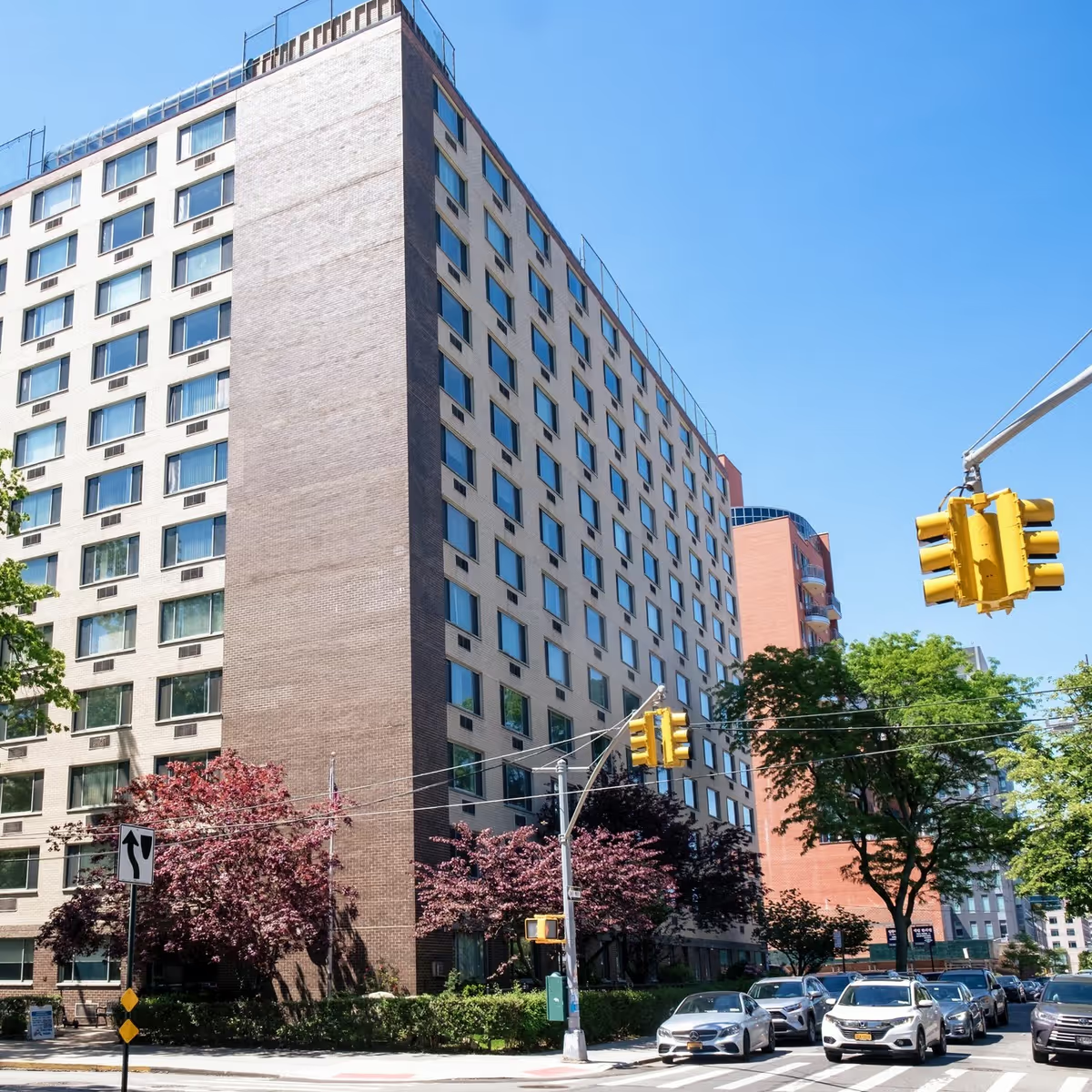
Facility condition and sanitation are also mixed. Positive reports reference renovated rooms, brand-new bathrooms, and generally clean, welcoming spaces. At the same time, multiple accounts raise pest-control concerns and inconsistent cleanliness in some hallways and common areas; there are also remarks about uneven room maintenance and cosmetic deterioration in parts of the building. These are operational issues that appear to fluctuate rather than represent uniform conditions across the campus.
Management and governance are another area of contrast. Many reviewers praise visible leadership, an open-door policy, prompt communication, and staff who accommodate families. Other reviewers express strong dissatisfaction with managerial responsiveness in specific incidents, and there are mentions of regulatory attention and allegations related to resident belongings. These divergent perspectives suggest that leadership practices are effective for many families but that serious individual complaints have occurred and warrant direct inquiry during tours.
Overall, Madison York offers meaningful strengths—especially in compassionate caregiving, onsite therapy, and social programming—paired with clear areas for prospective residents and families to investigate: consistency of clinical staffing across all shifts, kitchen and food-safety controls, pest-management history, housekeeping standards in common areas, and policies for property security and incident reporting. Prospective families would benefit from an in-person tour, asking for current staffing patterns (including evening/weekend clinical coverage), recent pest-control records, details on food-safety procedures, and examples of how the facility has addressed past complaints.