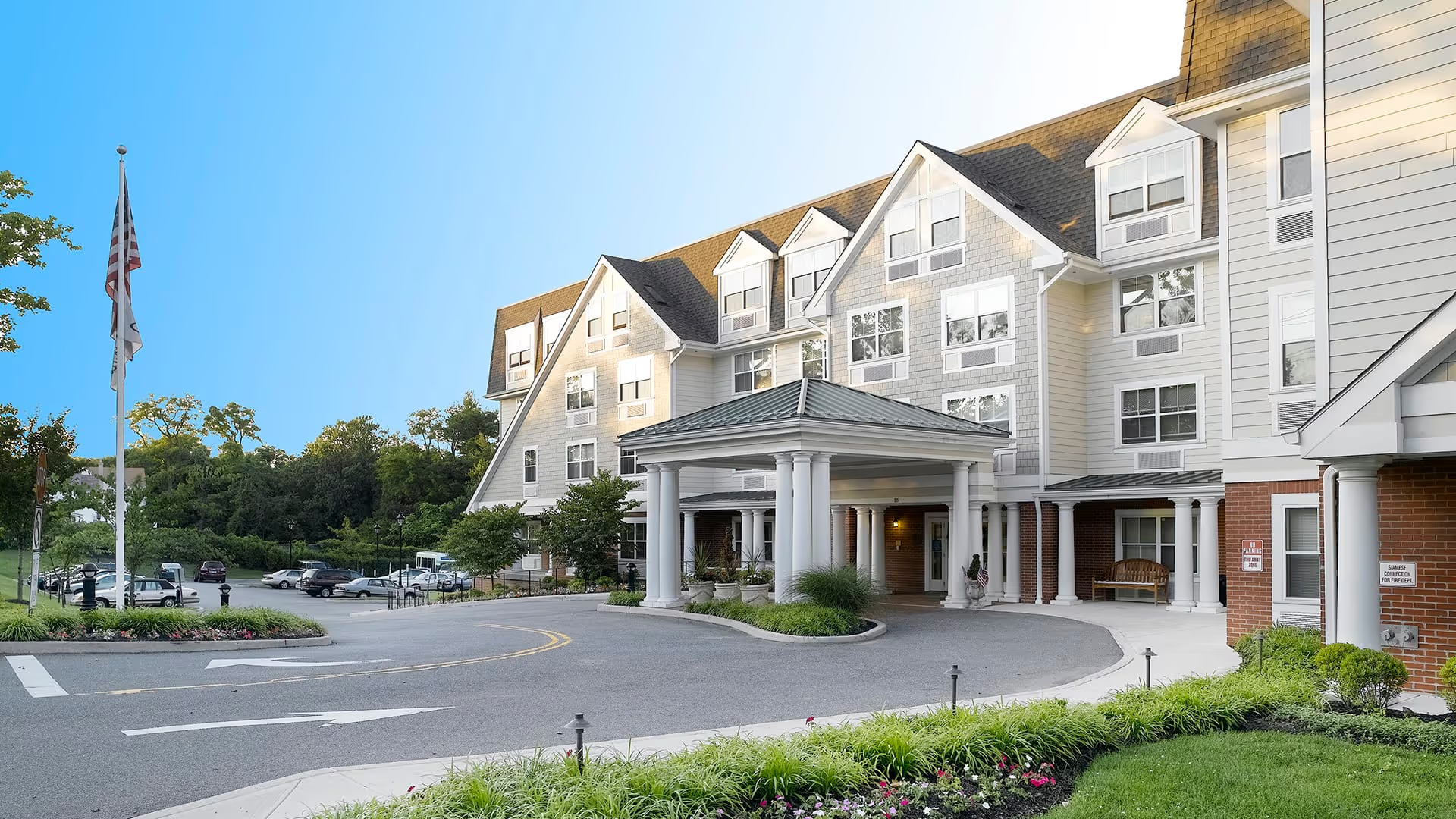
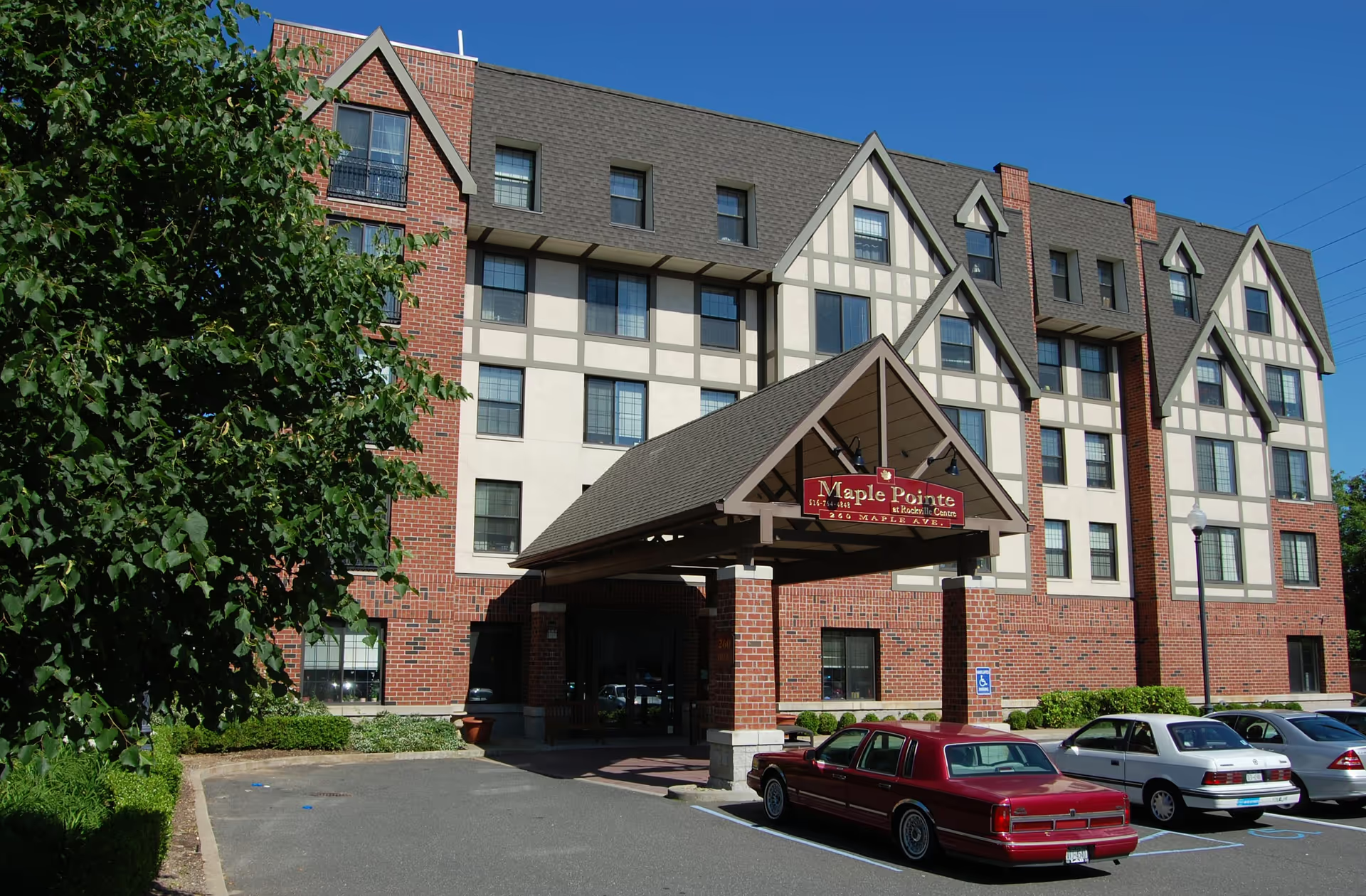
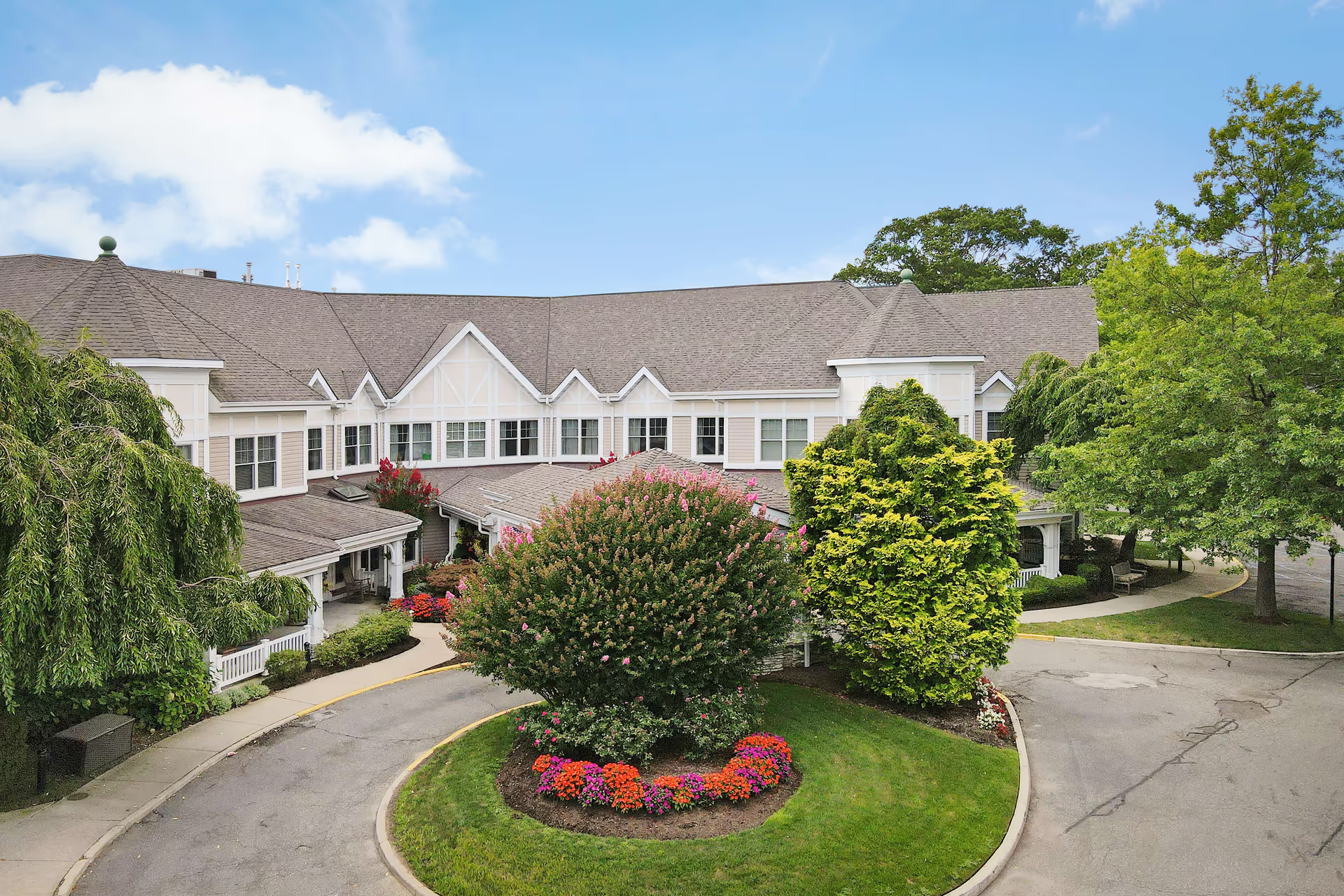
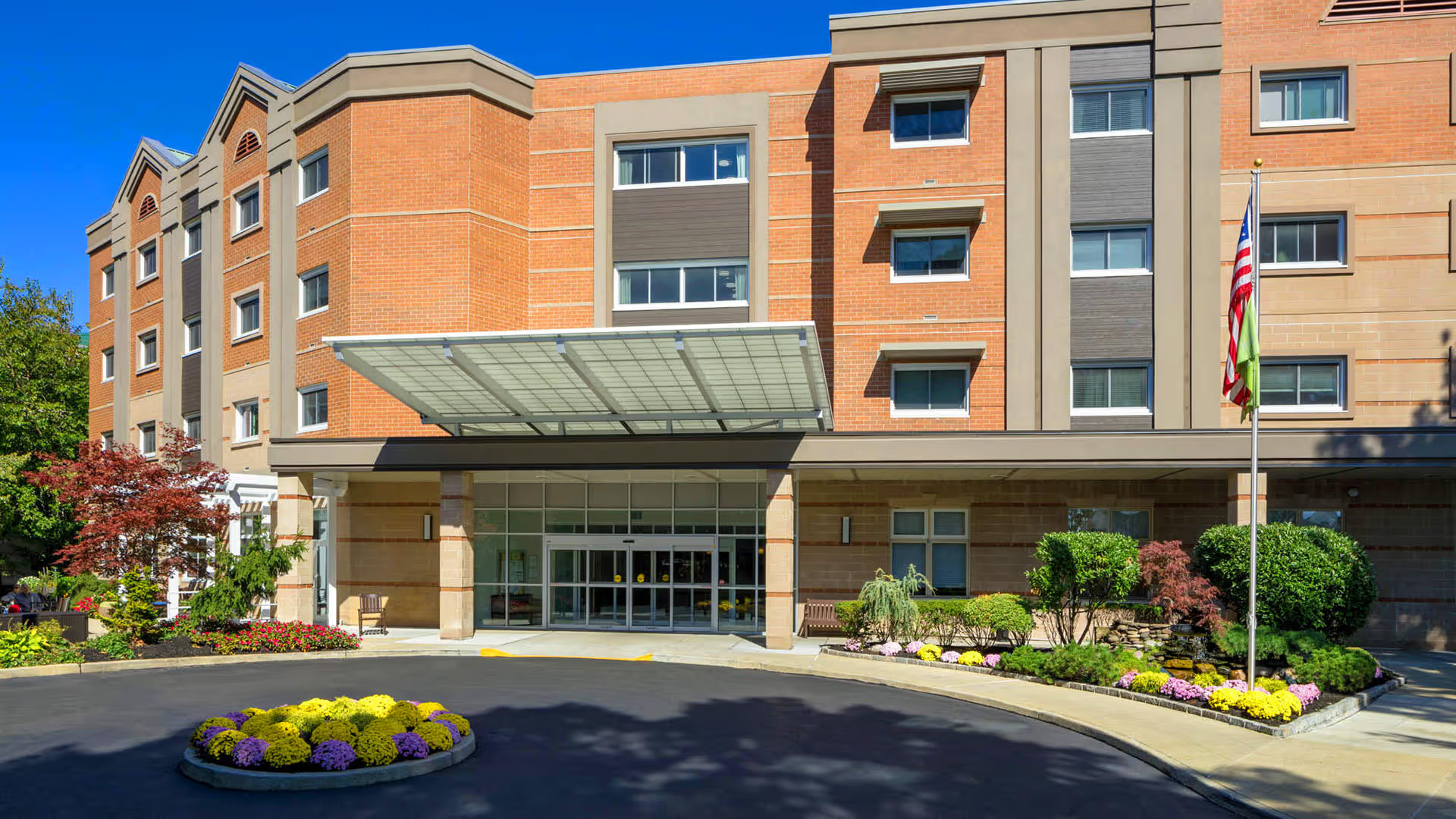
Rockville Skilled Nursing and Rehabilitation Center elicits strongly polarized impressions. Many families and former residents praise the clinical rehabilitation services and the hands-on caregiving teams: physical and occupational therapy are repeatedly described as effective, with measurable functional recoveries and attentive therapy staff. Nursing aides and nurses receive frequent positive mention for compassionate bedside care and timely medication administration on many shifts. Social work and discharge coordination are also highlighted as strengths; specific staff are credited with facilitating smooth discharges and arranging home services. The facility’s small size, some recently renovated areas (notably a remodeled floor), and a generally clean, welcoming atmosphere further support positive rehabilitation-focused stays.
At the same time, a notable pattern of operational weaknesses appears across reviews. Several families describe inconsistent staff conduct and variability across shifts, including delays in responding to call lights and concerns about timeliness of care. There are recurring mentions of lapses in incontinence-care and other sanitation-related processes; these have been framed by families as care-quality gaps rather than isolated complaints. Meal service continuity and temperature control are another recurring concern—some reviewers report cold or inconsistent meals during portions of a stay despite praise for the dietary staff’s responsiveness when engaged. Infrastructure reliability is uneven: while parts of the building have been updated, other areas are described as aging, with limitations for wheelchair maneuvering and occasional hot-water or elevator issues.
Clinical-safety and administrative patterns warrant attention from prospective families. A number of reviews cite delayed recognition of acute medical issues, missed medications, and delayed transfers to higher-acuity care in individual cases; these accounts indicate gaps in clinical escalation, handoff, or communication processes rather than a uniform standard of practice. Administrative communication is also characterized as inconsistent—some families encountered responsive, helpful management, while others describe contradictory messaging, phone-response problems, or unsatisfactory interactions with supervisory staff. Cohorting and unit-mix are additional operational considerations: rehab patients are sometimes housed alongside residents with advanced cognitive impairment, which can create nighttime noise and privacy challenges and may not align with the needs of all rehab candidates.
Activities and social engagement are consistently described as a positive element: organized programming, volunteer involvement, and opportunities for arts, games, and social interaction receive steady praise. The facility’s small footprint and staff-focused culture are attractive to many who want a personalized, recovery-oriented stay. For prospective residents and families, recommended due diligence includes an in-person tour (including the specific floor/unit under consideration), observation of staff–resident interactions across shifts, questions about staffing ratios and night coverage, review of recent renovation status, clarification on meal-service practices, confirmation of dementia-care separation if applicable, and detailed discussion of emergency-transfer procedures and current insurance/length-of-stay policies. These steps will help balance the facility’s strong rehabilitative capabilities against the operational inconsistencies reflected in family feedback.