The reviews describe a facility with significant strengths in rehabilitative services and pockets of strong, compassionate caregiving, alongside persistent operational weaknesses. Physical and occupational therapy services are frequently praised and appear to be a core strength; several families characterized therapy staff and programs as skilled, motivating, and effective for short-term rehabilitation goals. Many reviewers also cited specific nurses, therapists, and activities staff who provided attentive, family-focused care and who were a meaningful source of support for residents.
At the same time, the facility shows recurrent variability in basic residential care. Reviewer accounts indicate uneven clinical oversight across shifts: daytime and therapy hours are often described as well-staffed and competent, whereas evenings and weekends are commonly perceived as understaffed and slower to respond. This staffing inconsistency is linked to delays attending to call lights, missed medications or medication-timing concerns, and infrequent bathing or personal-care scheduling. A number of reviews raised concerns about clinical monitoring and escalation for acutely ill residents, including situations that required urgent hospital transfer.
Communication and property-management processes emerged as another consistent pattern. Families described inconsistent follow-up, automated or delayed responses to queries, and difficulty obtaining timely information about appointments or care changes. Multiple accounts also cite missing or misdirected personal items and clothing, generating distress and indicating weak controls over resident property and inventory. Some reviews raised broader privacy and resident-rights concerns that warrant attention at an administrative level.
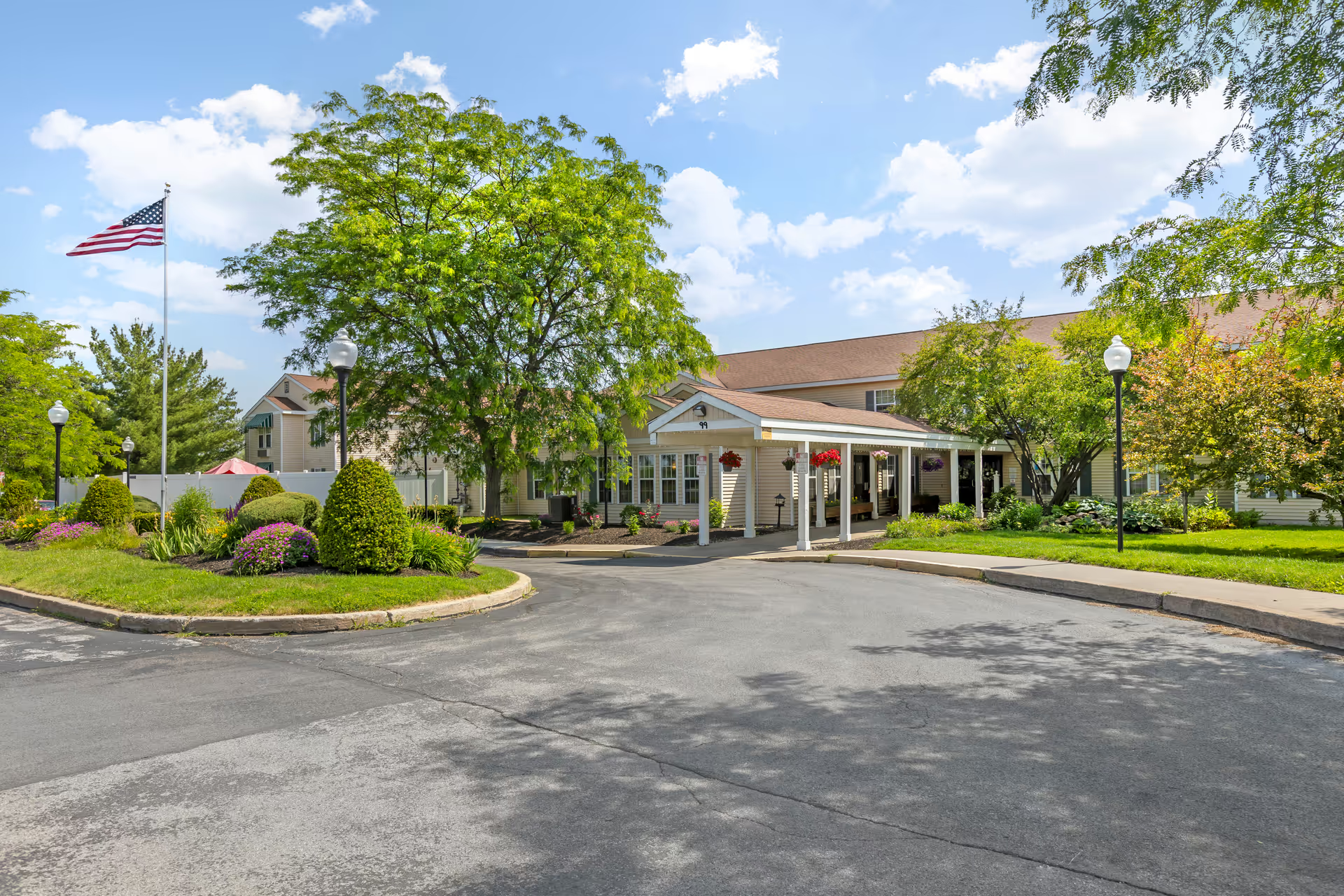
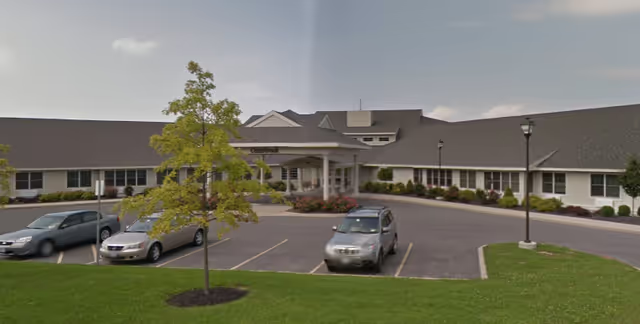
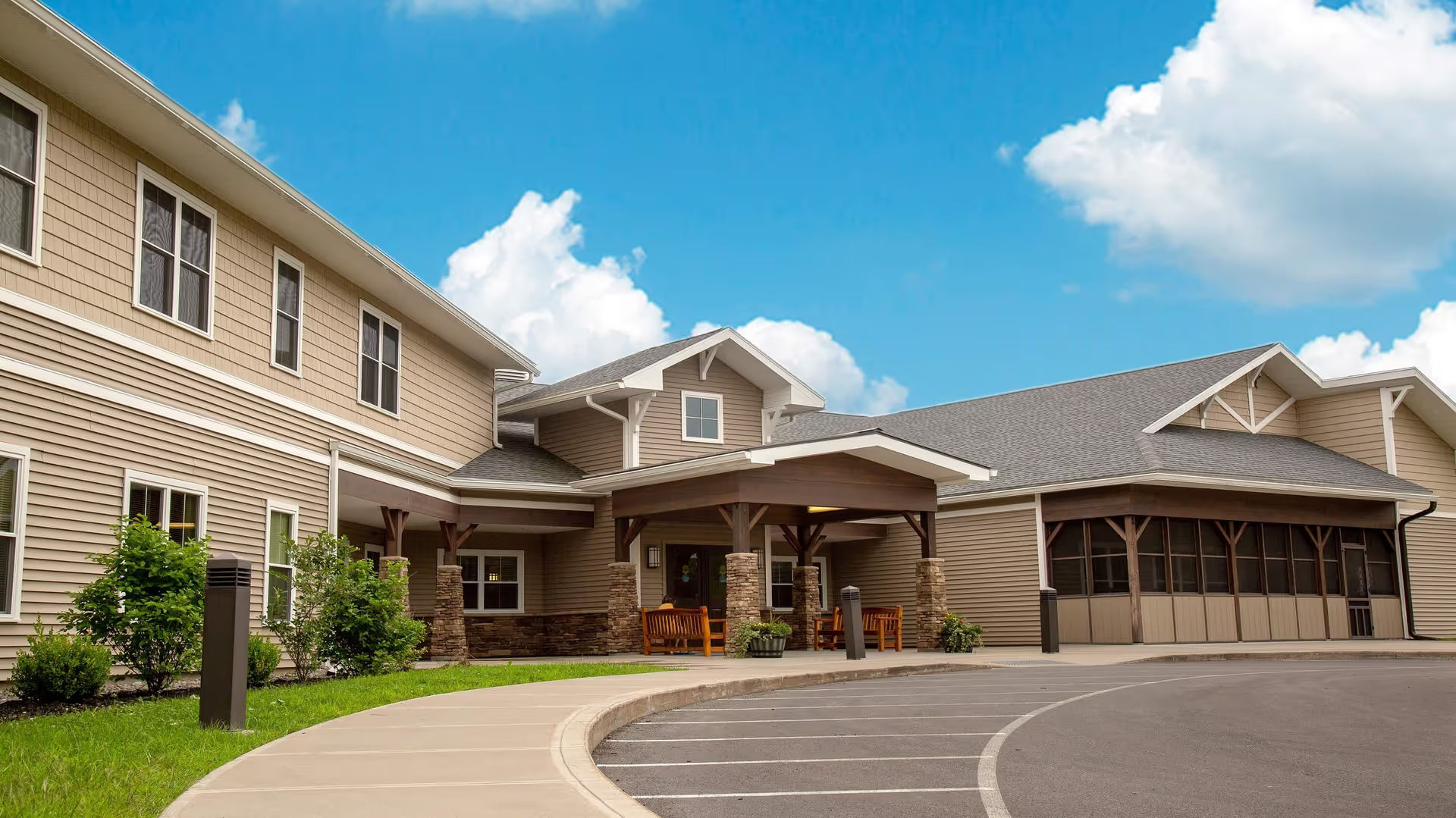
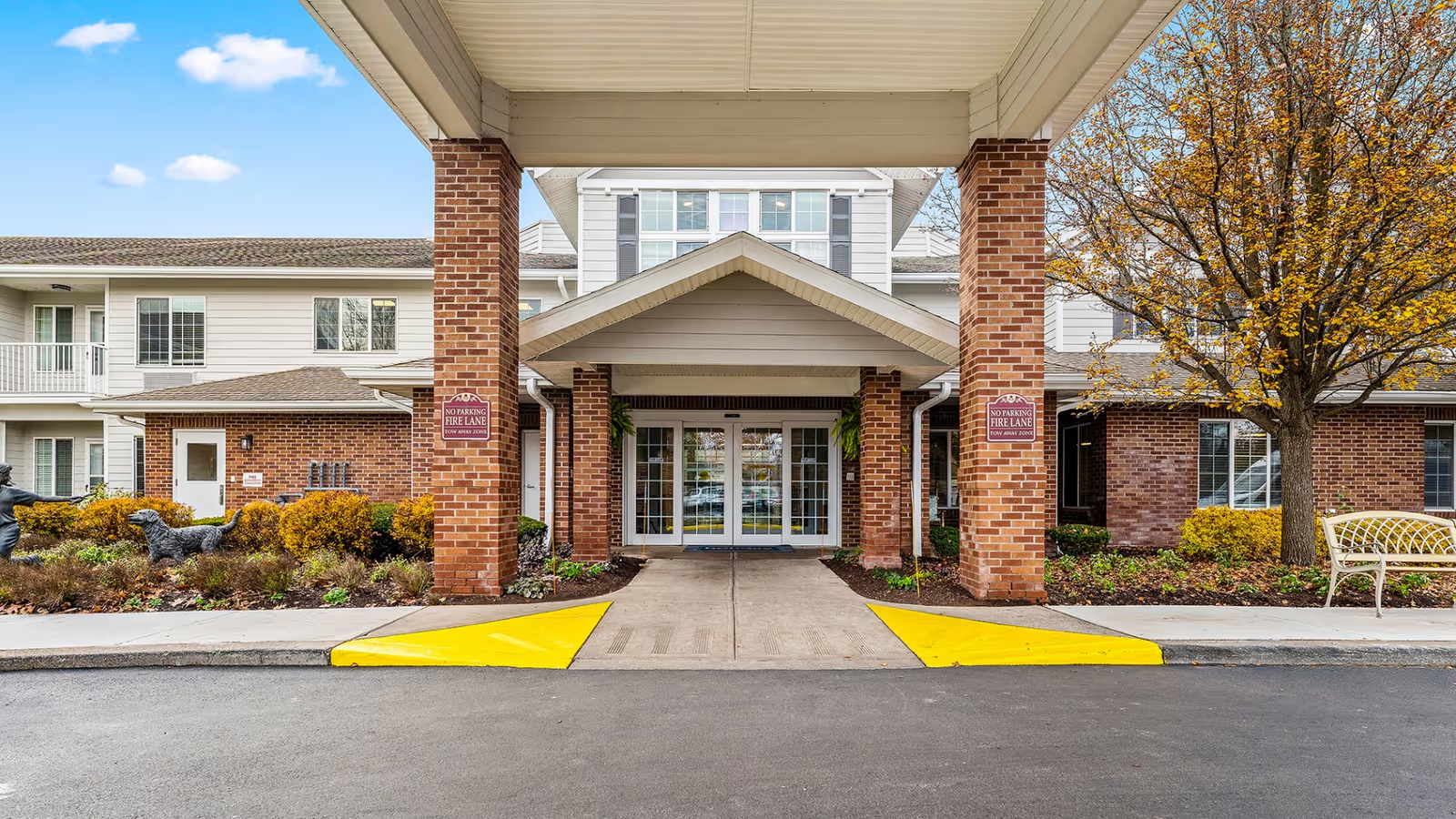
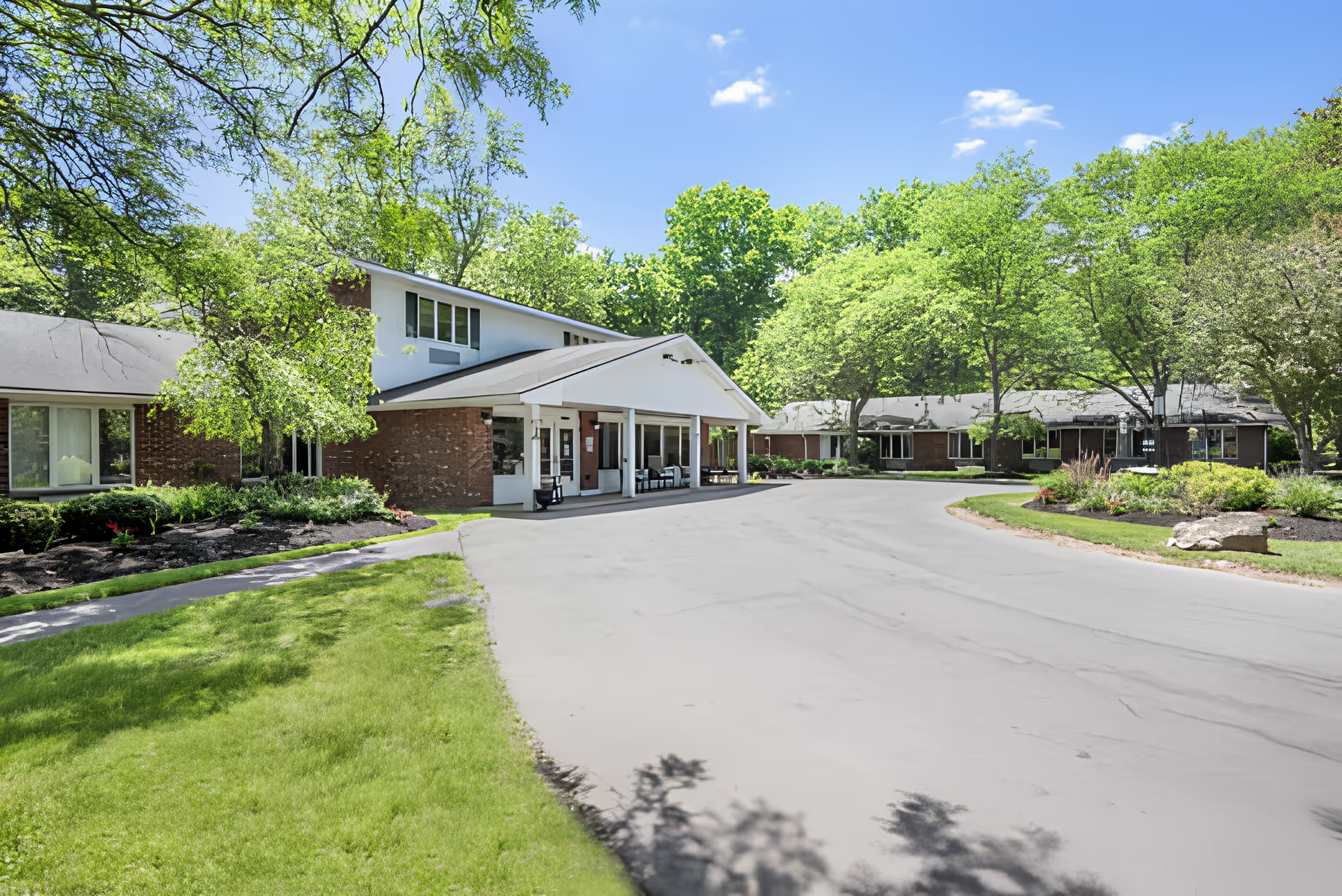
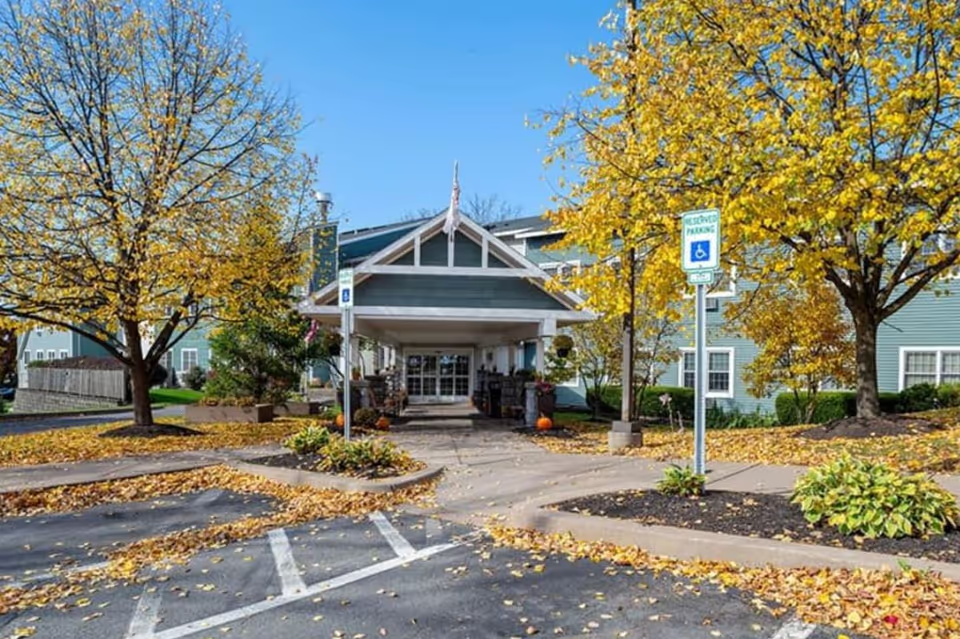
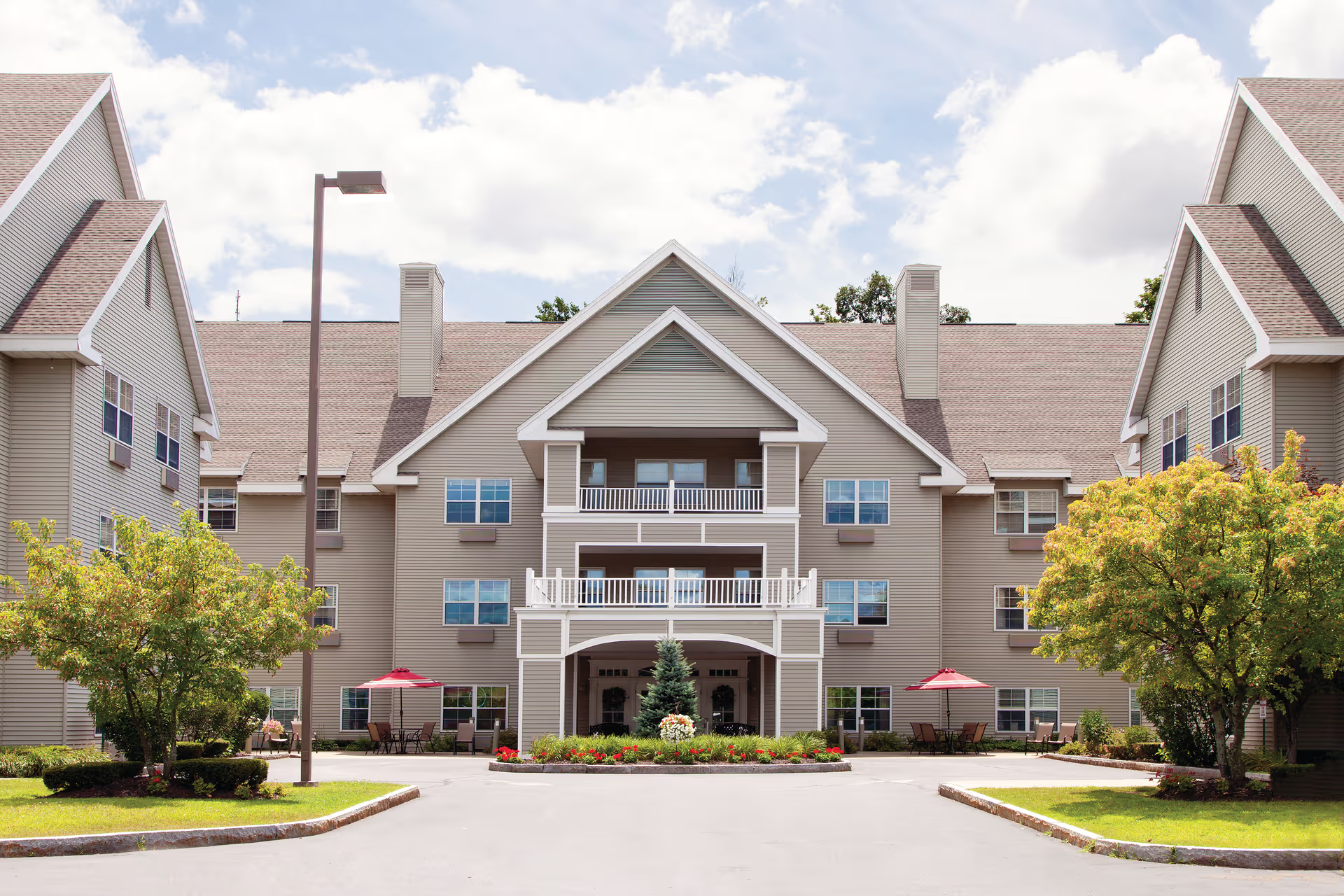
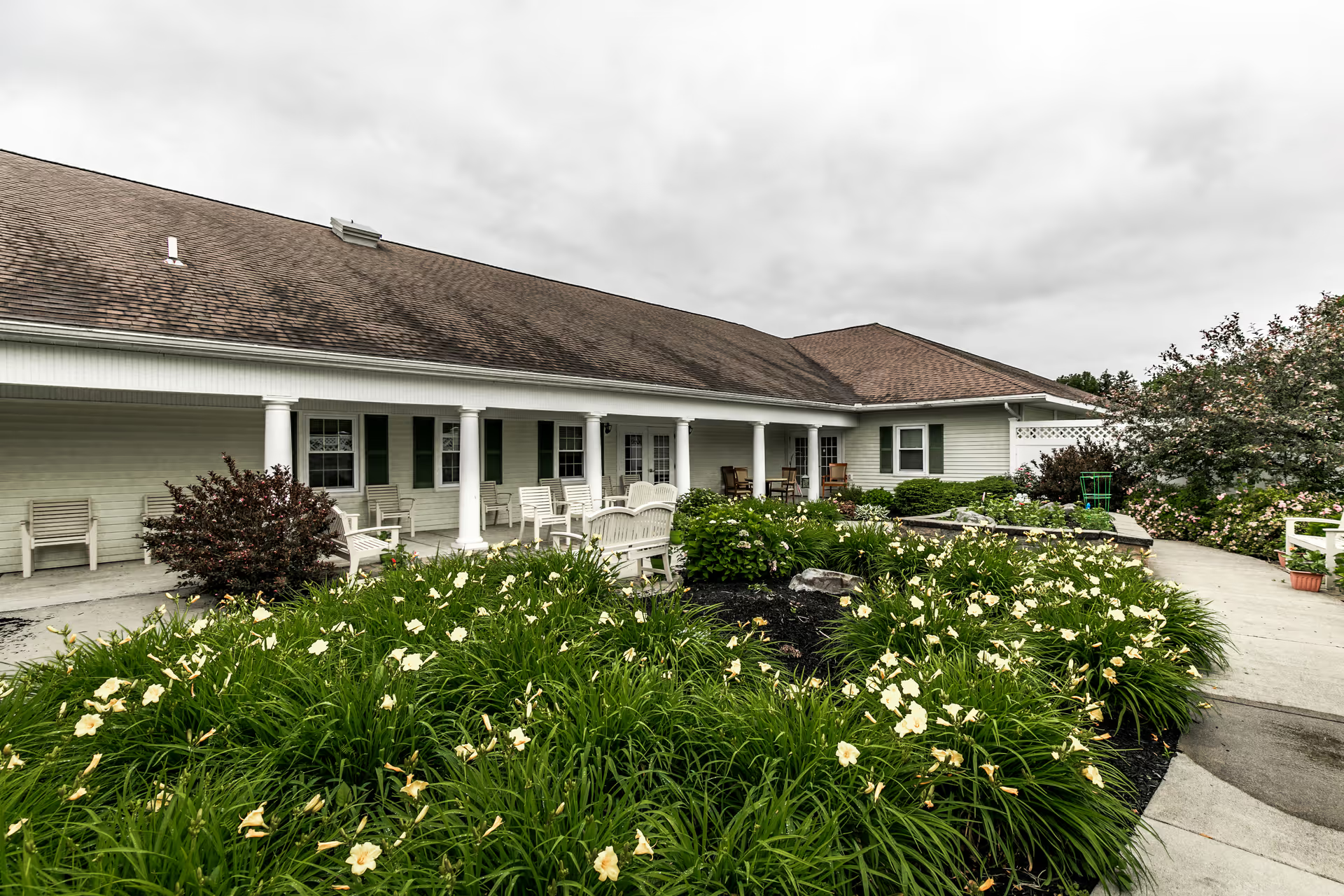
Facility condition and amenities present a mixed picture. The campus includes appealing common spaces, an attractive dining room, activity rooms, and an outdoor deck that families and residents value. However, other areas are described as dated and in need of maintenance—issues such as roof leaks, musty odors in places, small rooms, and visible wiring were noted. Dining quality received mixed evaluations: some reviewers praised well-prepared, healthful meals, while others found food bland or inconsistently served.
Activities and social engagement are clear positives. The activities department receives strong, specific praise for creativity, consistency, and individual staff members who are highly valued by residents. Social-work support and some direct-care staff are also credited with helpful coordination and resident advocacy.
Management and leadership perceptions are mixed. Some families found administrative staff responsive, flexible, and honest in updates; others described management as dismissive or insufficiently accountable when clinical or operational problems occurred. Taken together, the pattern across reviews suggests the facility has committed, effective caregivers and strong therapy programming but faces systemic operational challenges—notably staffing consistency, clinical oversight during non-daytime hours, communication processes, property controls, and physical plant maintenance. Prospective residents and families should weigh the facility’s rehabilitative strengths and standout staff against these operational concerns and ask targeted questions about staffing patterns, nurse-call response metrics, property procedures, and escalation protocols before admission.