Overall impression: Reviews of Home of the Good Shepherd Memory Care – Saratoga Springs are mixed, with clear strengths in facility condition, on-site amenities, and many examples of attentive caregiving, balanced by recurring operational concerns. Several families praise the facility’s cleanliness, bright modern spaces, and an atmosphere that feels small and family-like; others raise significant concerns about staffing consistency and management conduct. This produces a polarized set of impressions where the experience appears to depend on unit-level staffing and leadership stability.
Care and staff: Many comments highlight compassionate, patient caregivers and supportive nurses who know residents by name, perform regular wellness checks, and coordinate clinical needs such as transportation and oxygen. These reports indicate that when staffing is sufficient the care team can provide close, personalized attention. However, there are persistent operational concerns: chronic understaffing, high staff turnover, and episodic lapses in responsiveness are described. Reviewers also raised concerns about medication-administration processes and occasional missed medications or follow-up gaps. Together, these patterns suggest variability in day-to-day clinical reliability that prospective families should investigate further.
Dining: The dining program receives both positive and critical notes. Positive items include restaurant-style dining, meal choices, and efforts to integrate residents into communal meals. Some families also noted meals tailored to individual needs. Conversely, others described variable meal quality and reliance on pre-prepared options that did not meet expectations. Pricing and recent rent increases were also mentioned in relation to dining value, so asking about menu rotation, sourcing, and sample meals during a visit is advisable.
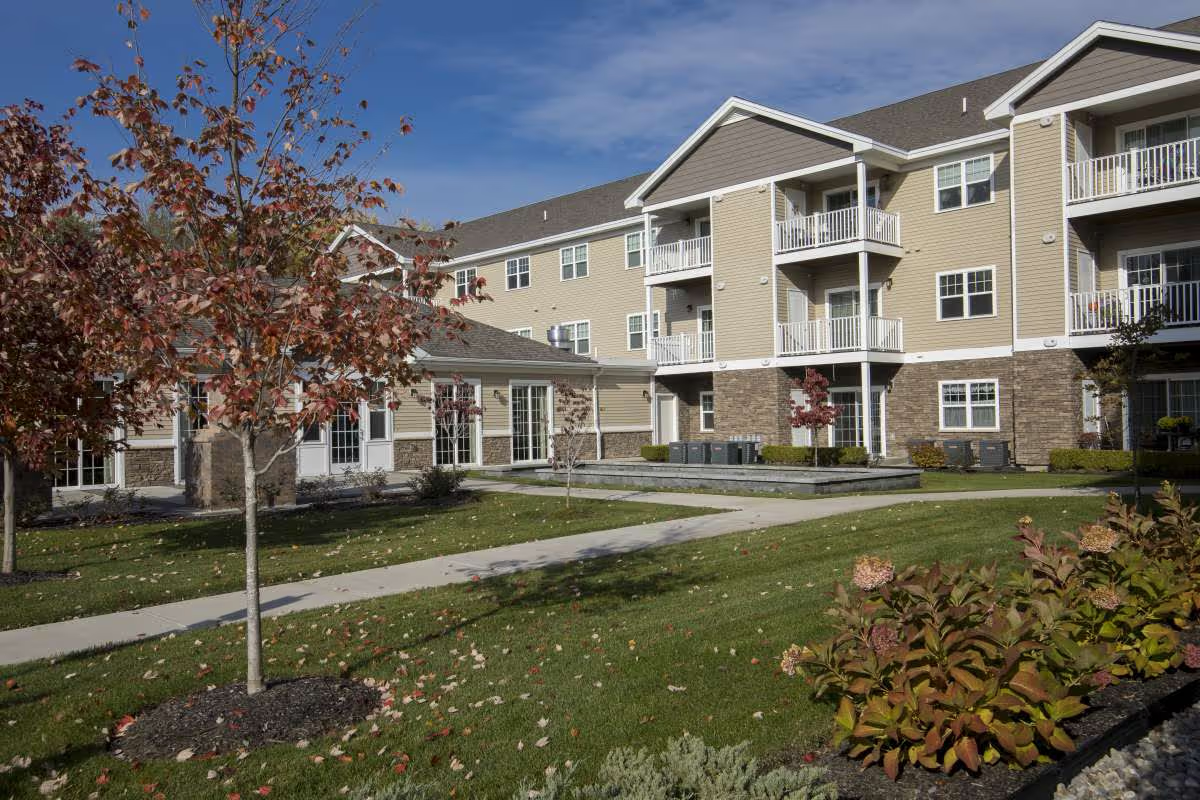
Activities and programming: The community offers several activity spaces, outdoor courtyards with raised garden beds, music and exercise programs, and a library, which support engagement and outdoor access. For many residents these features contribute to alertness and meaningful daily routines. At the same time, multiple comments indicate limited or inconsistent activity programming—particularly dementia-specific memory activities—so the level and frequency of structured, memory-care–appropriate programming may vary.
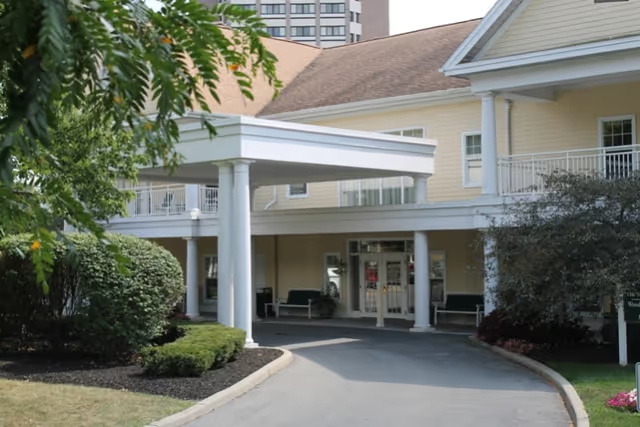
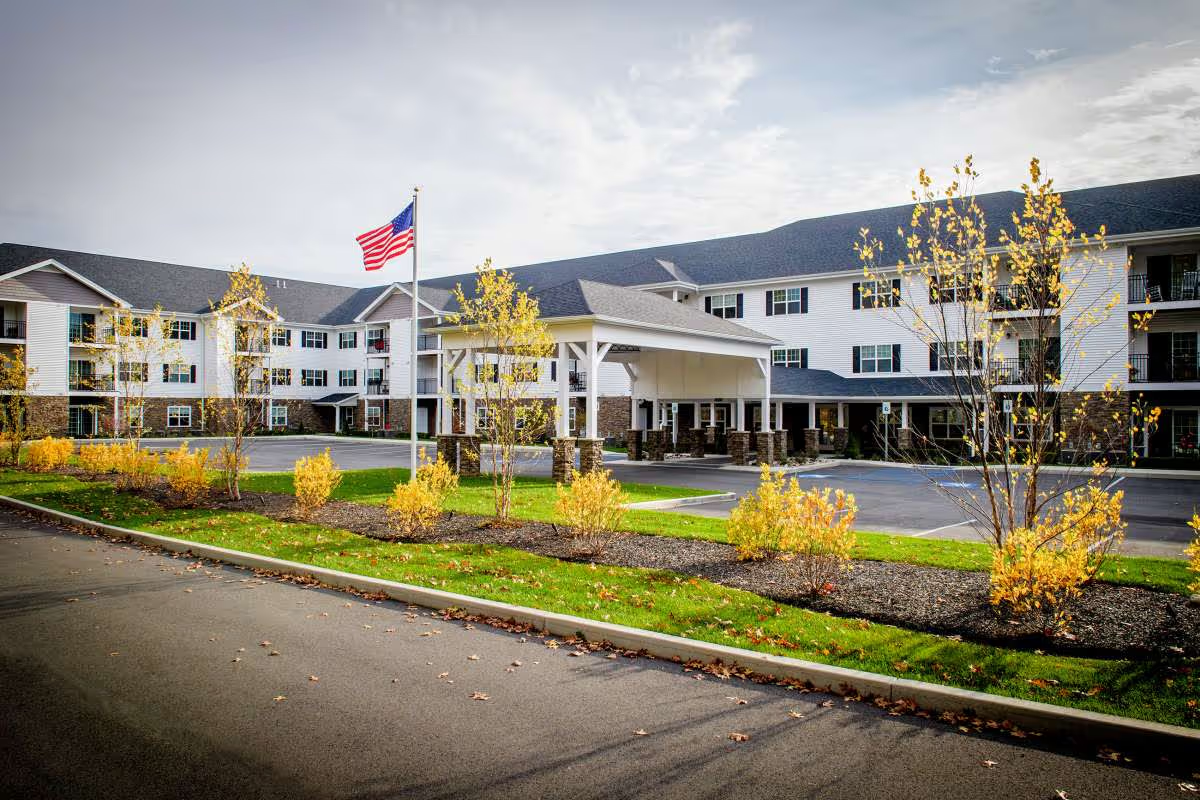
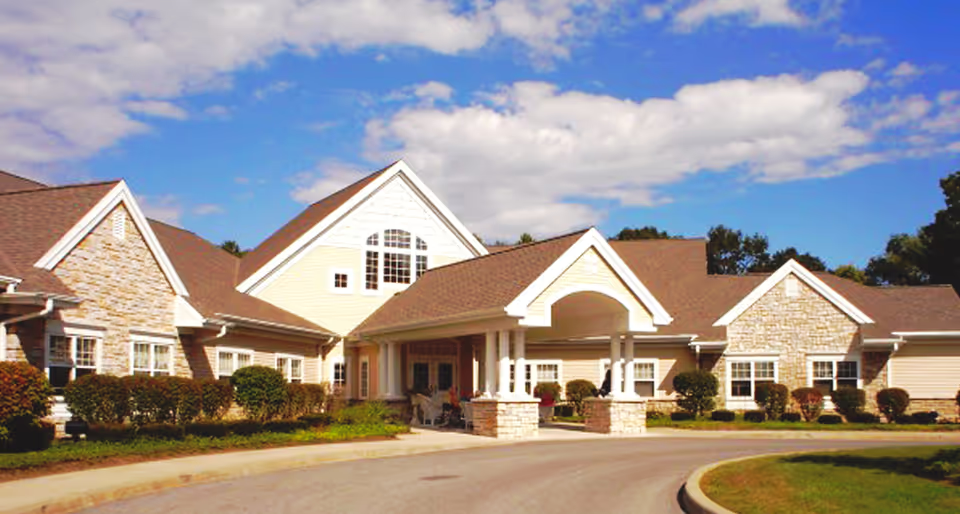
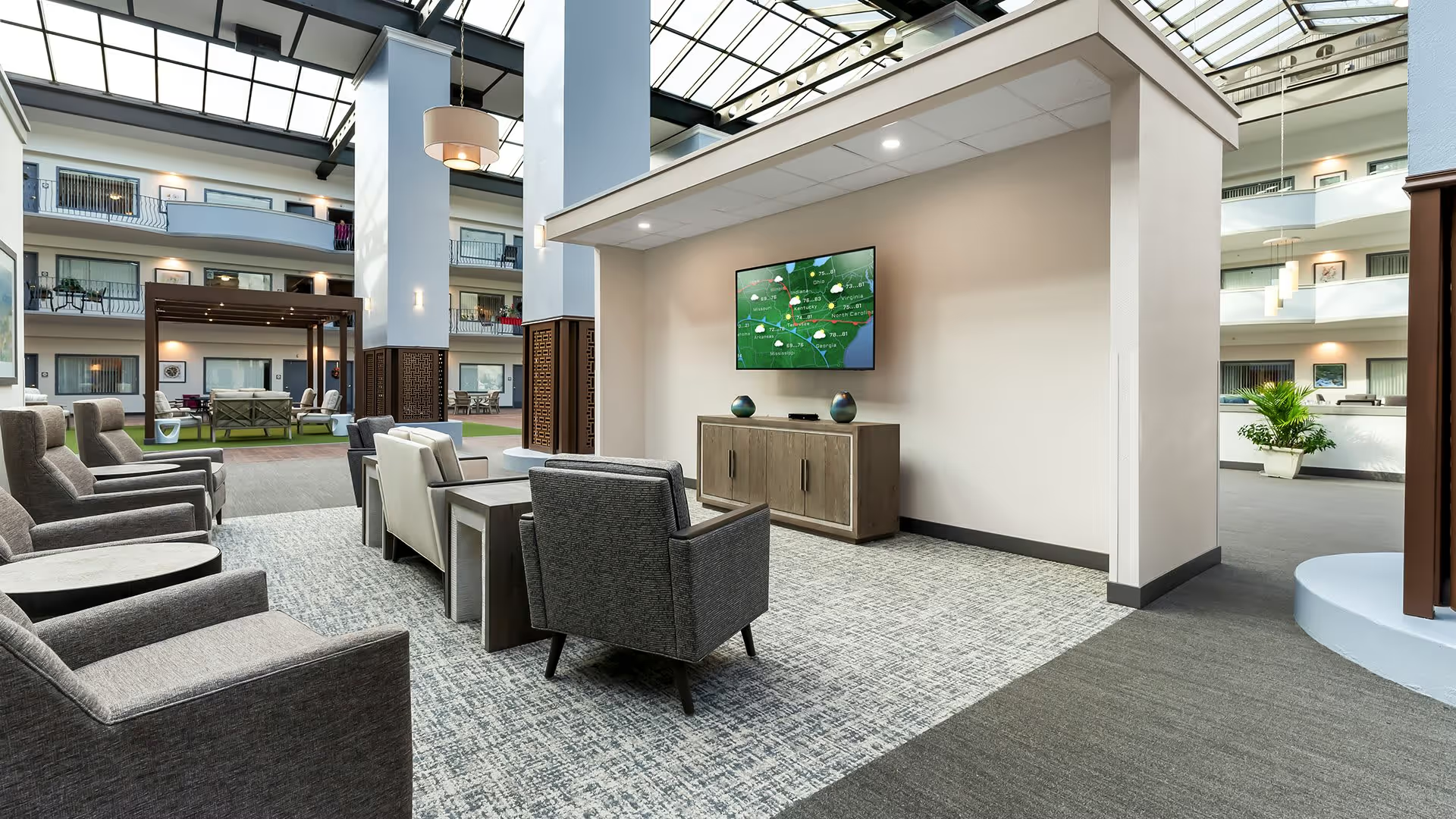
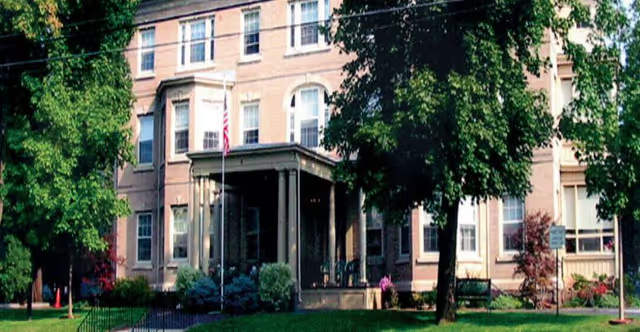
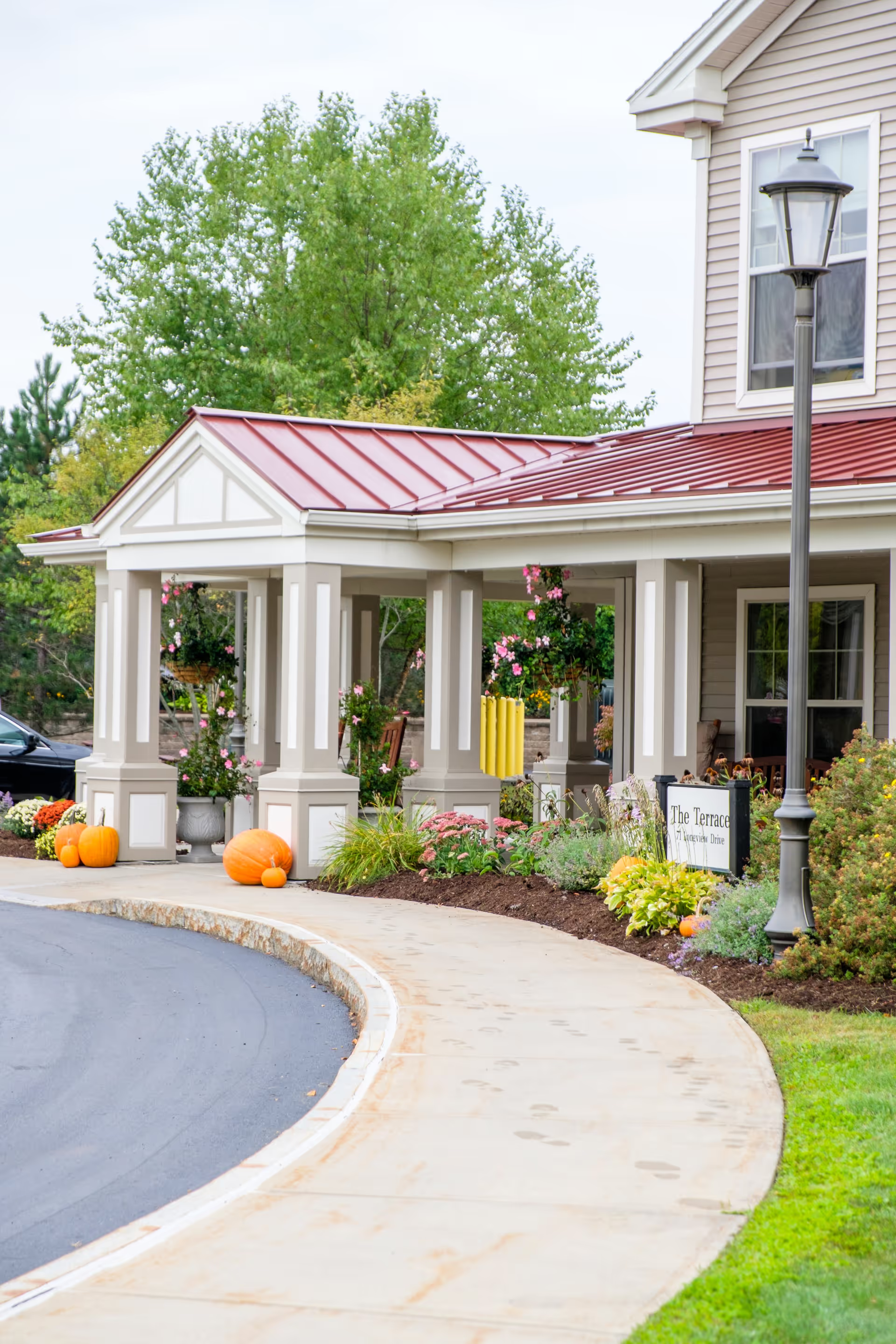
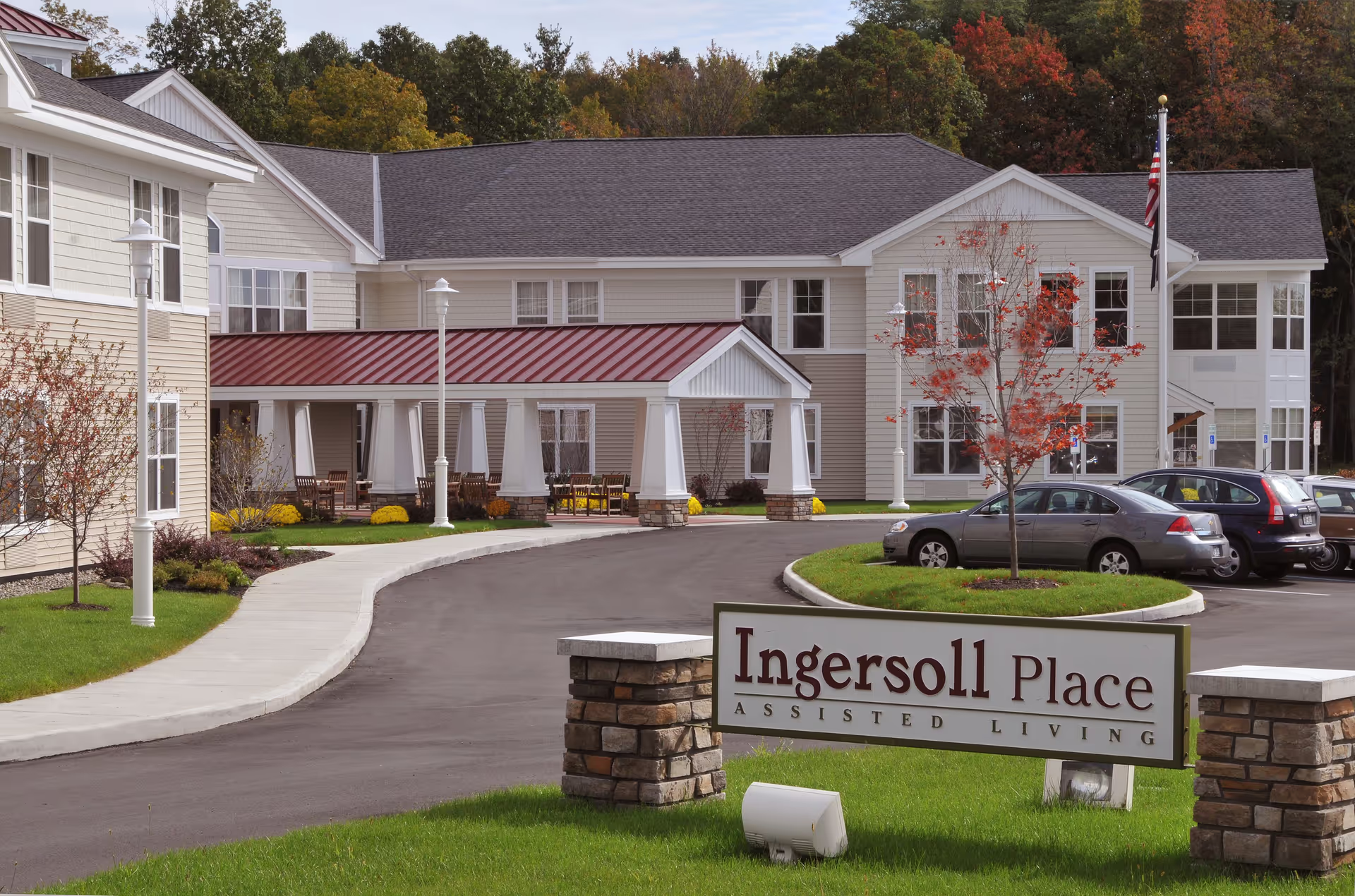
Facilities and amenities: Facility strengths are consistent: bright, clean common areas and rooms, secure entry points, well-kept grounds, and convenient on-site services (hair salon, separate dining room, activity rooms). These environment-related positives appear to be an operational priority. Some families did note smaller studio sizes in certain units and concerns about property control (missing items), which points to variability in unit layout and inventory practices.
Management and notable patterns: Management impressions are divided. Several families commend administrators for hands-on coordination and individualized attention; others report poor leadership tone, communication gaps, and concerns about staff conduct and follow-up. Financial transparency concerns (fee increases, value for cost) and occasional property-control lapses were also noted. Taken together, these patterns indicate that leadership style and operational consistency can materially affect resident experience.
Recommendation for prospective families: Given the mixed feedback, prospective families should conduct an in-person, unannounced visit during active hours; observe staff-to-resident interactions and meal service; request current staffing ratios and turnover metrics; review medication-administration and incident logs; ask for the activity schedule and examples of dementia-focused programming; and confirm contract terms related to fees and wellness benefits. The facility shows clear strengths in environment and amenity offering, but operational variability—particularly around staffing, medication practices, and management consistency—warrants careful due diligence.