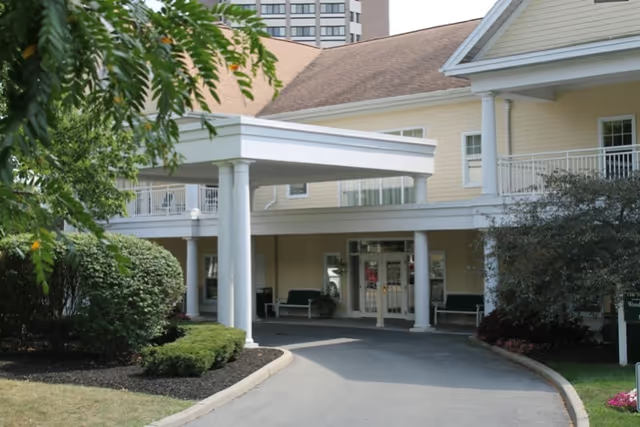
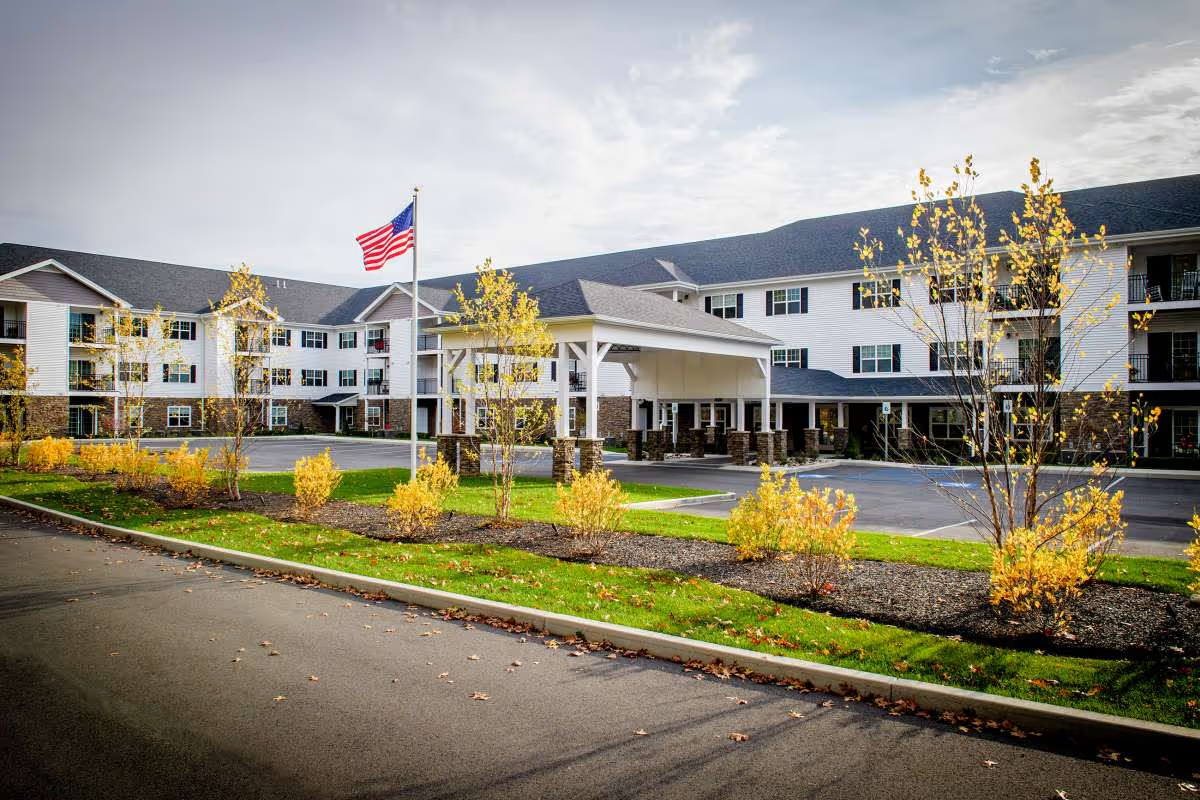
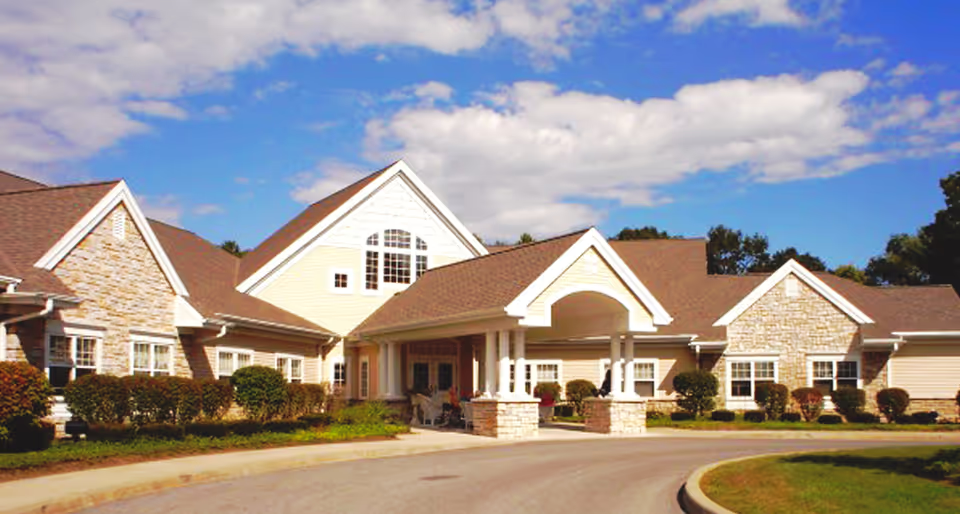
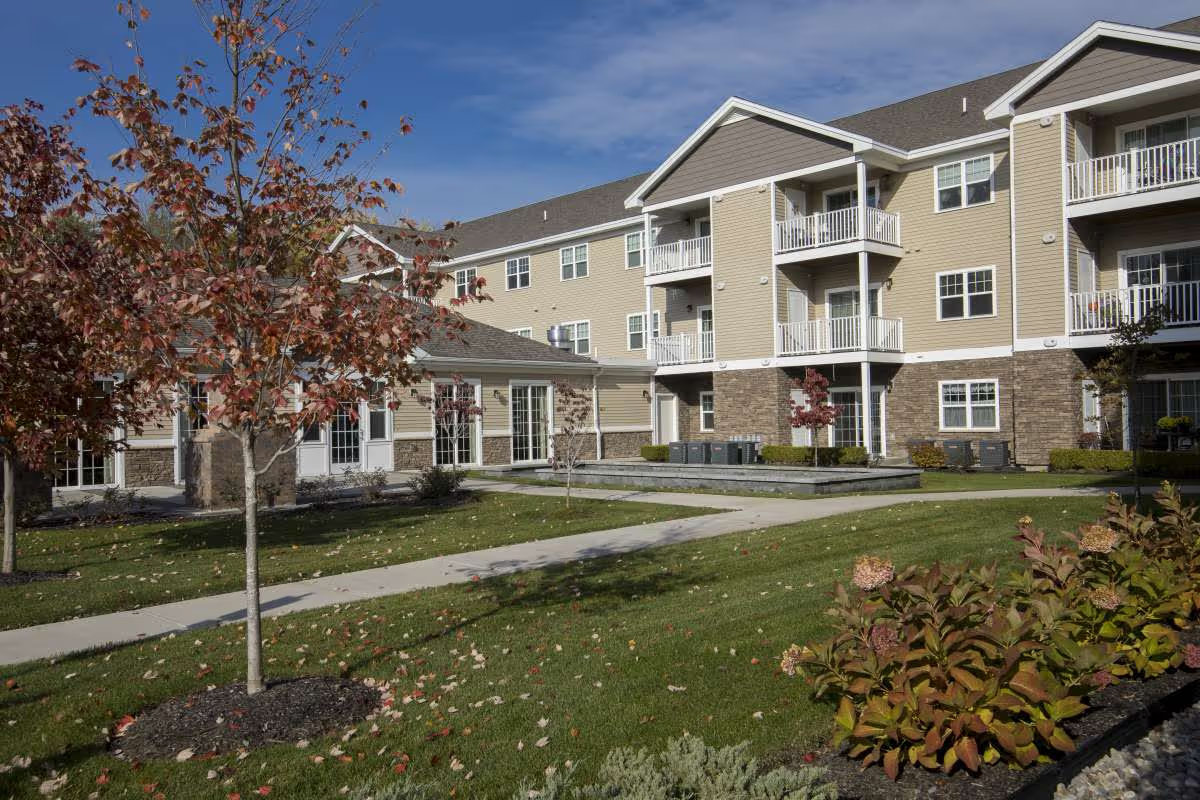
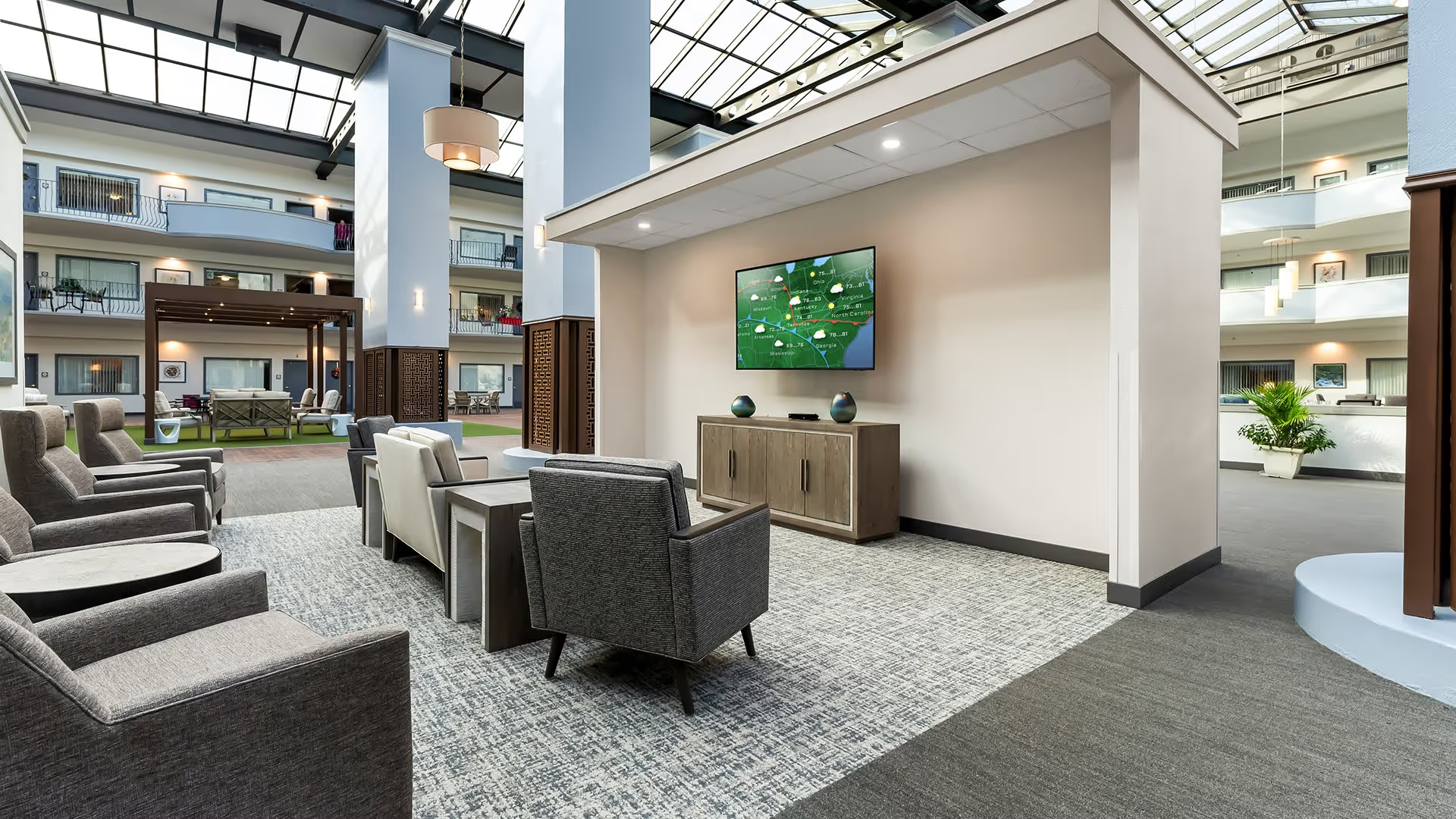
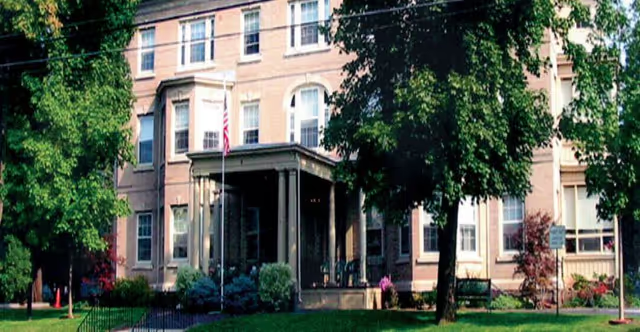
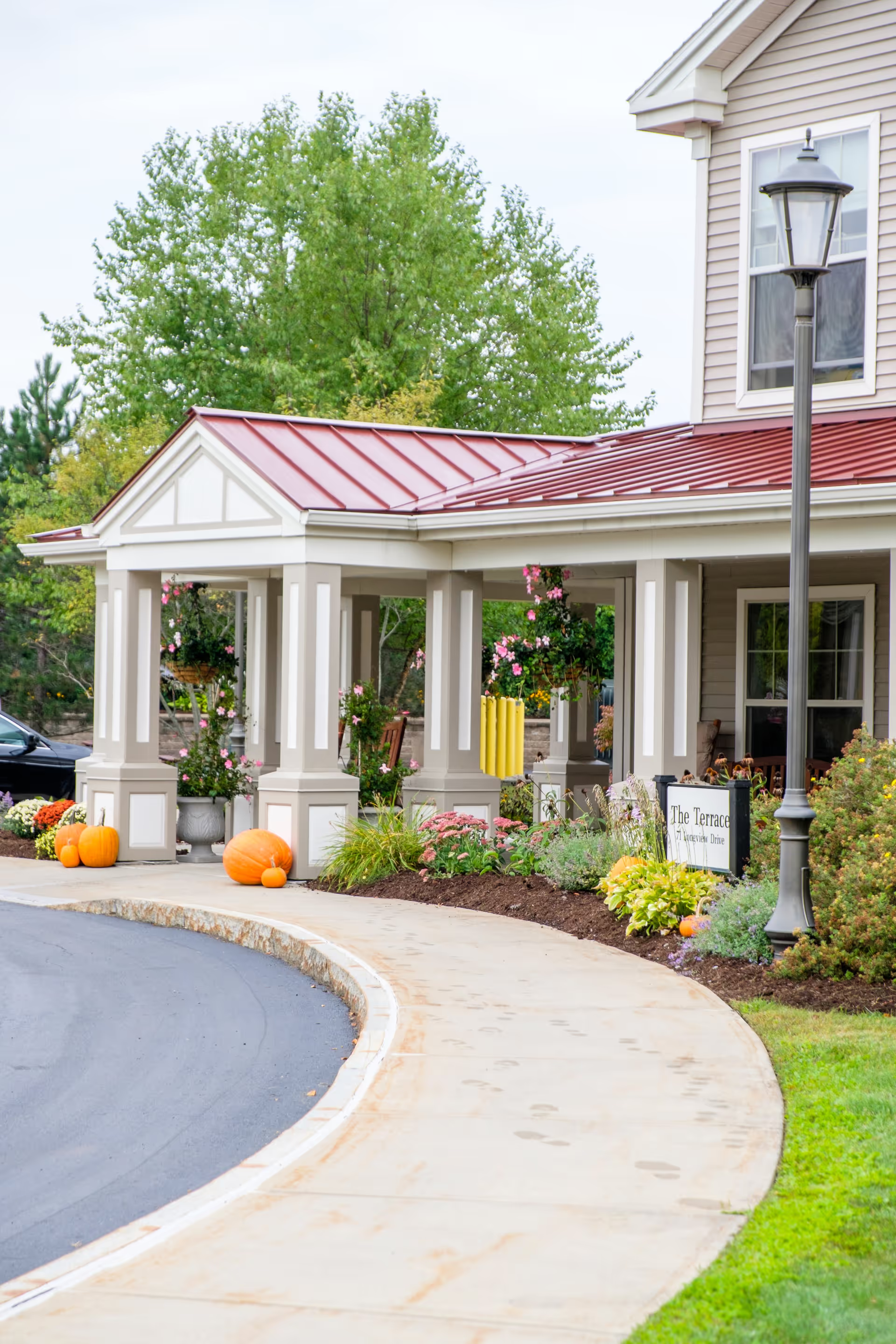
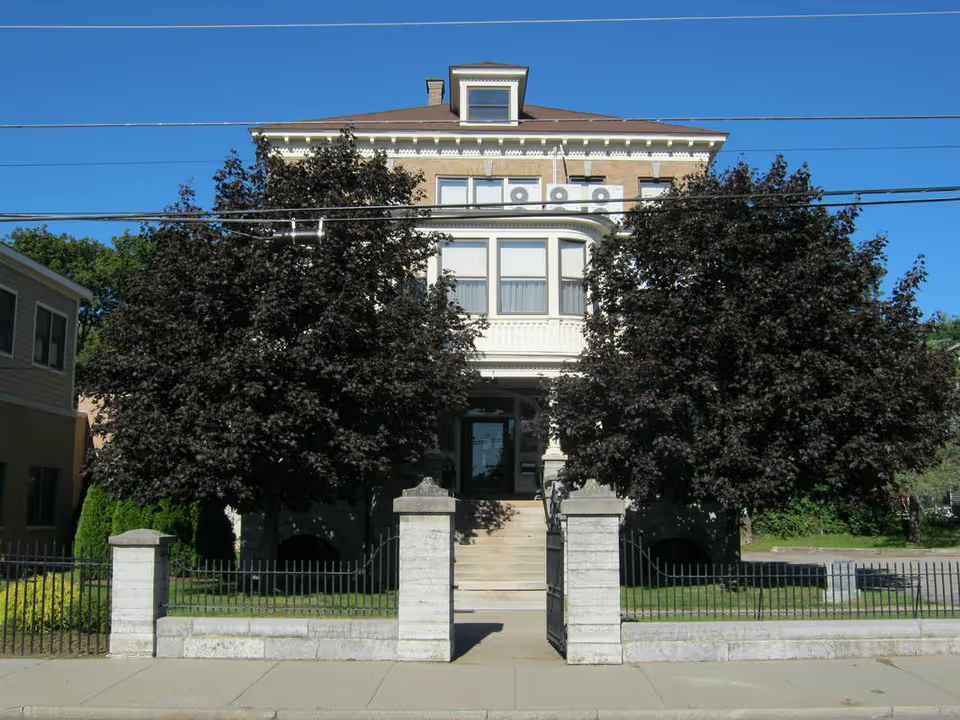
The reviews present a mixed but instructive picture. Many families and observers praise the facility for its clinical competence and the quality of day-to-day resident care: nursing and aide teams are frequently described as skilled, compassionate, and attentive, with examples of strong teamwork, effective follow-up, and supportive end-of-life care. The community offers a range of engagement opportunities — live entertainment, exercise classes, outings, games, and an onsite salon — and reviewers note an attractive interior environment, private-room options, and a long-standing local reputation that has generated steady demand.
At the same time, a pattern of operational concerns recurs across reviews. Staffing levels and visibility are a frequent issue: aides and CNAs are described as dedicated but stretched, and there are indications of morale and compensation pressures that could affect continuity of care. Several comments point to delays in assistance and responsiveness, which families should consider when assessing day-to-day support needs.
Dining and hydration also emerge as areas of inconsistency. Reviewers describe substitutions, inconsistent meal service, and examples of limited beverage availability or replacements that do not meet expectations. In addition, the facility’s dining policies are characterized by some as restrictive, and these operational practices may not align with every resident’s preferences.
Facility upkeep is generally seen as positive inside the building, but there are noted shortcomings: some cleanliness and odor concerns in common corridors and deficiencies in exterior grounds maintenance were raised. Pricing and contract issues are another recurring theme. Several reviewers expressed concerns about the perceived cost relative to value and described written agreements as precise or rigid; prospective residents should review contract terms carefully.
In summary, Home of the Good Shepherd – Saratoga Springs appears to offer strong clinical care, compassionate staff, and a robust activities program, supported by experienced leadership in many areas. However, prospective residents and families would be prudent to evaluate current staffing levels and visibility, observe mealtime operations and hydration practices, inspect common-area cleanliness and grounds, and review contract language and pricing during a visit. Asking targeted questions about staff turnover, compensation/shift coverage, dining policies, and incontinence/hydration protocols can help determine whether the facility’s strengths align with an individual’s needs and expectations.