Sprain Brook Manor Rehab elicits a strongly polarized set of impressions. A prominent strength across many accounts is the rehabilitation program: physical and occupational therapy teams receive frequent praise for individualized programs, rapid initiation of services, and measurable functional improvements that in numerous cases enabled discharge home. Several families also cited onsite medical support, dietitian and speech therapy involvement, and coordinated transport and discharge logistics as facilitators of positive outcomes.
Staff performance is described unevenly. Many comments highlight compassionate, attentive nurses, aides, therapists, and supportive administrators who create a family-like environment and robust activity programming. At the same time, other accounts describe inconsistent responsiveness from nursing staff, concerns about tone and conduct during interactions, and variability across shifts—particularly nights and weekends. These staff variations appear to drive much of the divergence in family experience: where communication and bedside responsiveness are strong, families report high satisfaction; where they are weak, families describe clinical and logistical frustration.
Clinical-safety and monitoring issues emerge as recurring operational themes. Reviews point to lapses in equipment checks and oxygen replenishment, fall events and transfer-safety failures, and concerns about medication administration and monitoring. There are a few specific, serious allegations about medication management in individual cases; such claims underscore the need for clear medication policies and family communication rather than providing evidence of system-wide practice. Documentation gaps and uneven incident follow-up were also noted, which compounds family concerns when adverse events occur.
Dining and activities are generally described positively, but with variability. The activities program is a consistent asset—regular social events, religious services, outings, and family-oriented events are frequently cited. Food quality receives mixed comments: some families praise meal variety and helpful dietary staff, while others find meal satisfaction inconsistent. Ancillary services such as laundry, property handling, and housekeeping are areas of mixed performance; problems with lost clothing and irregular hygiene routines were raised alongside reports of a clean, renovated physical plant.
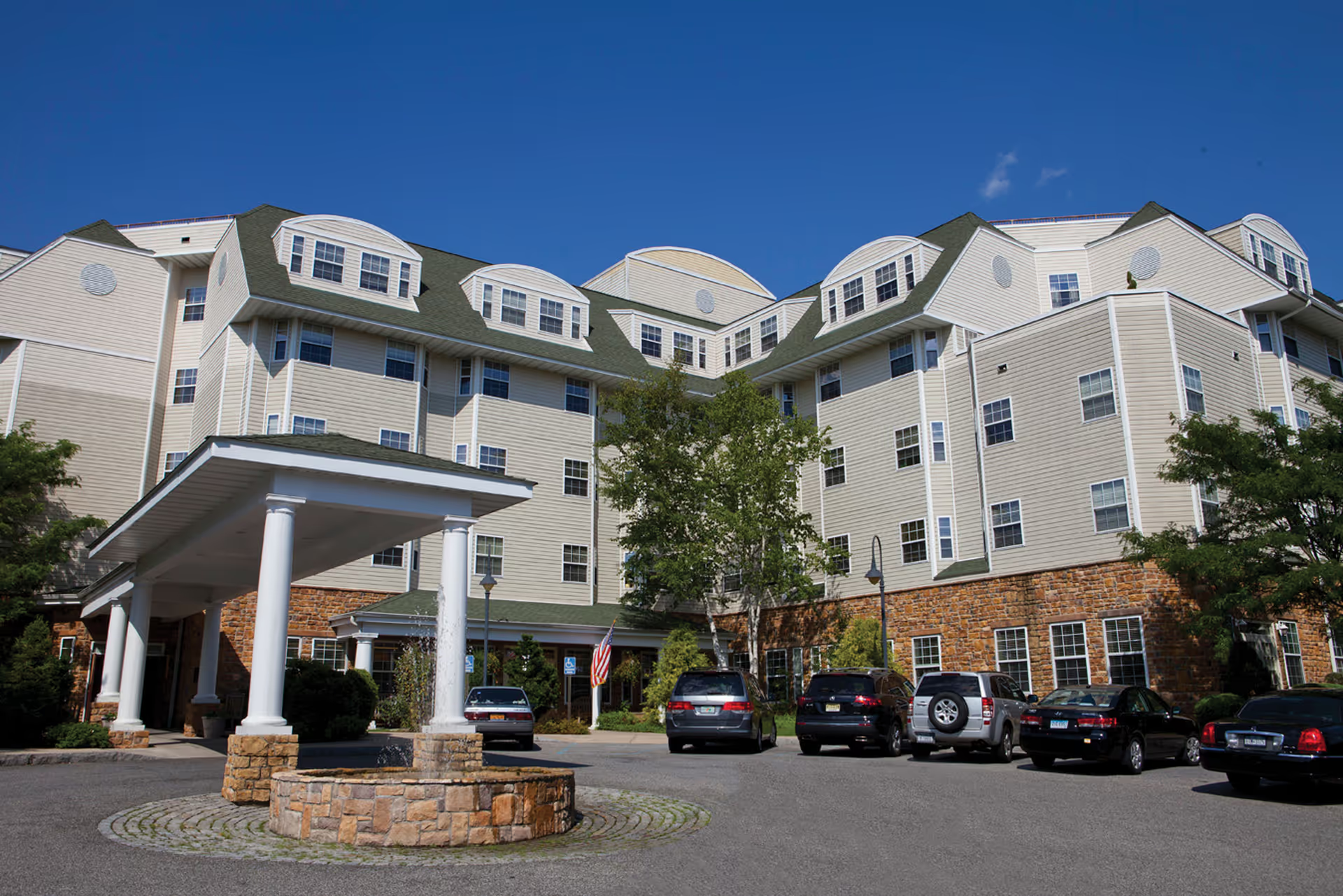
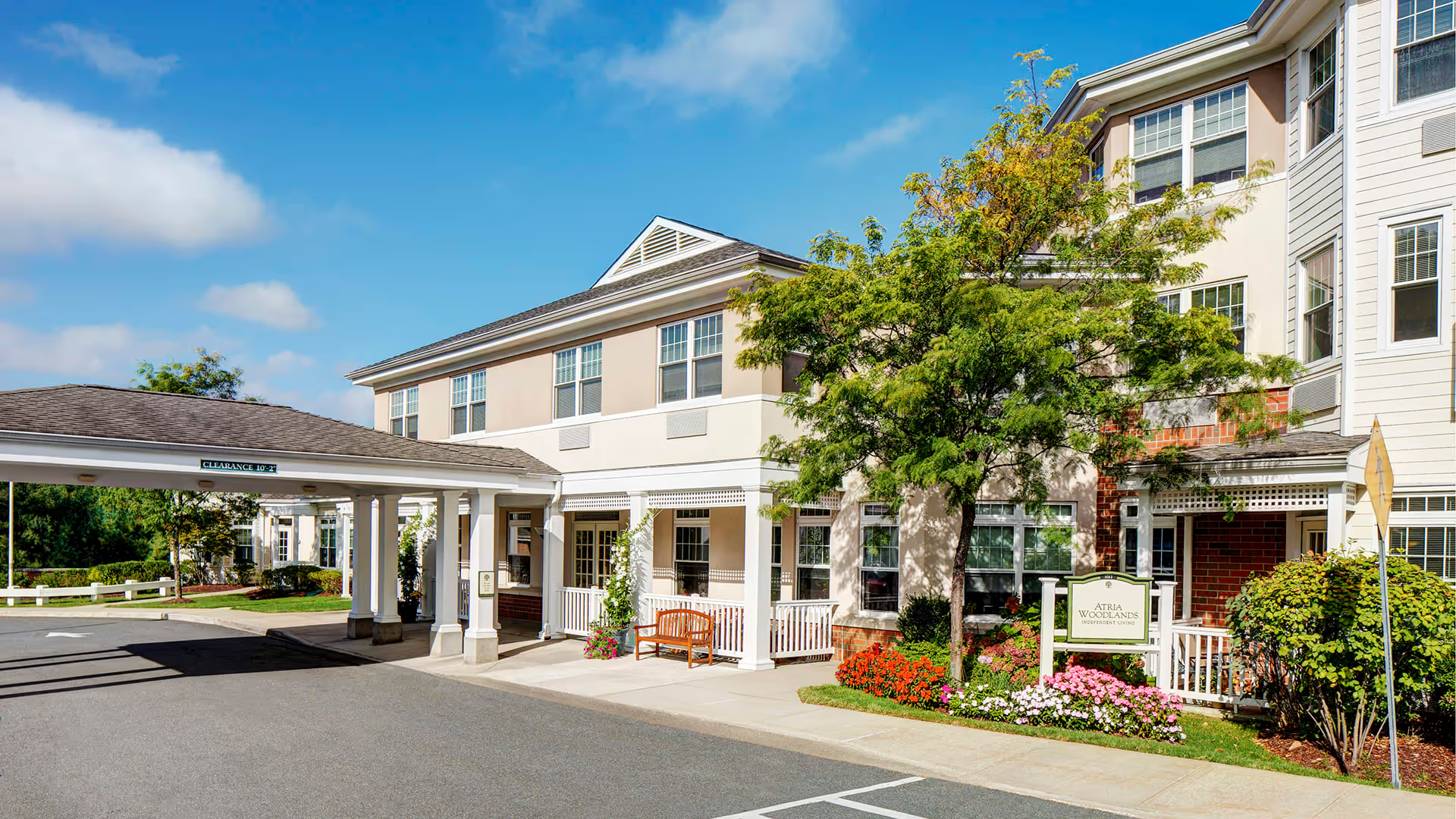
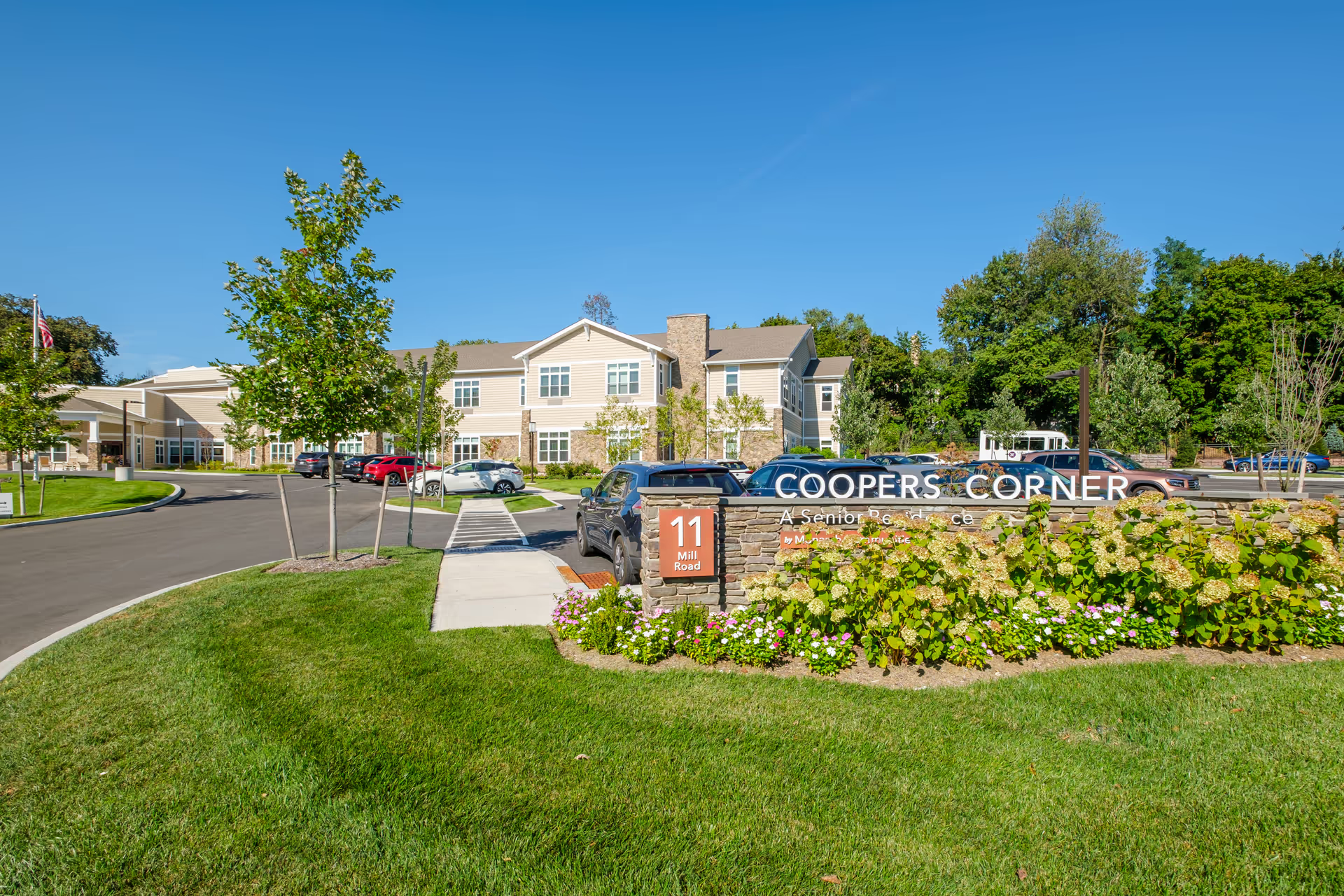
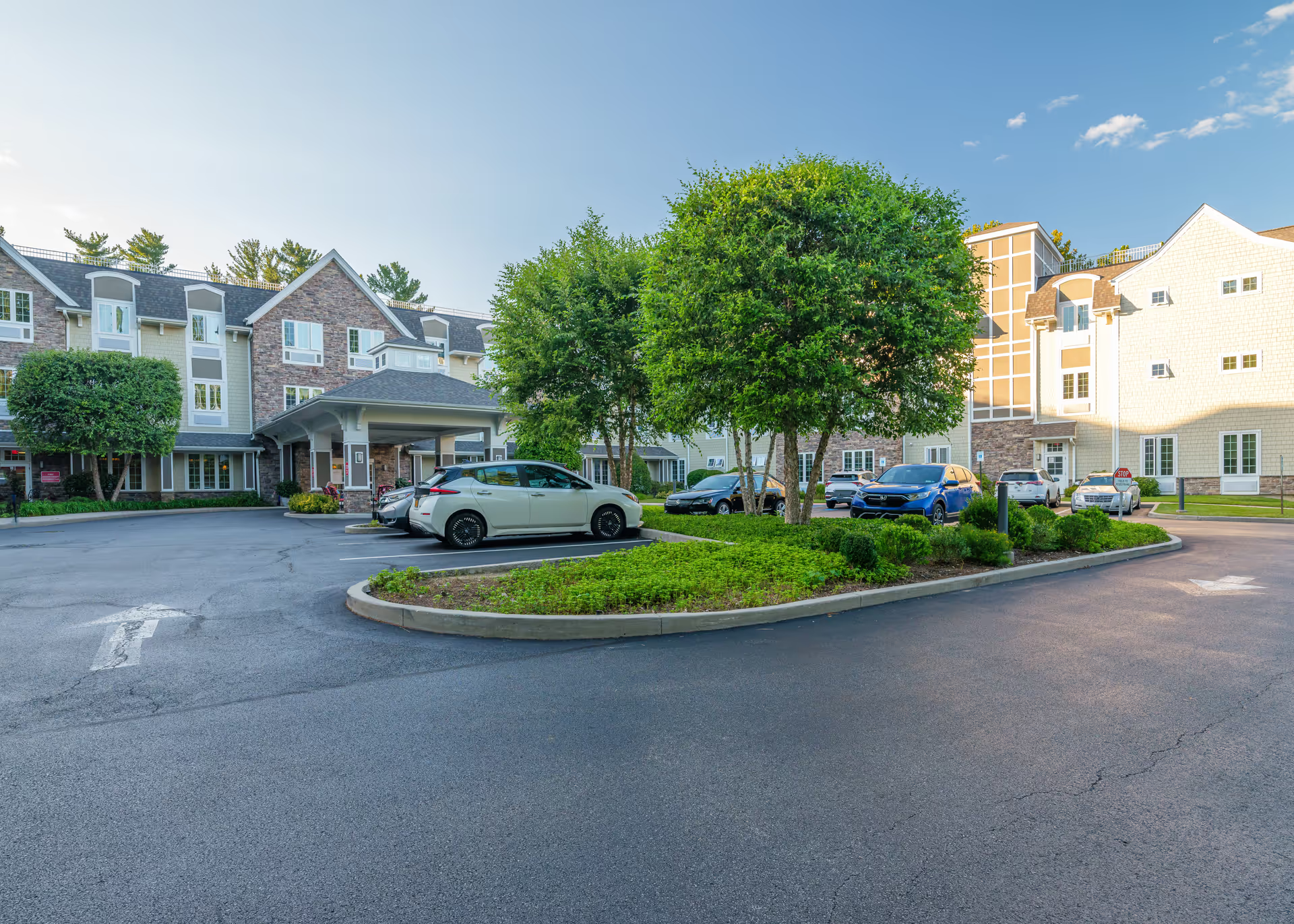
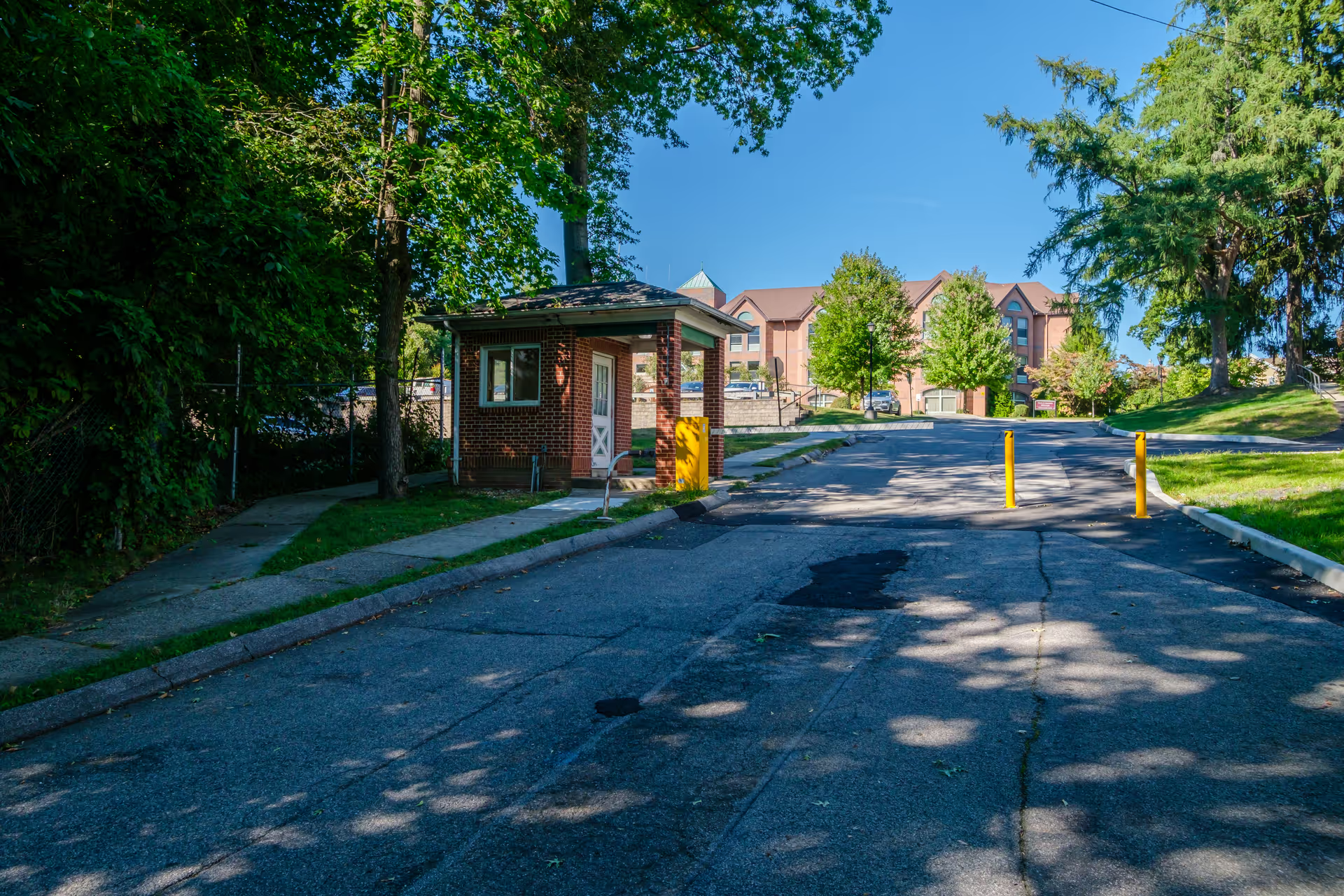
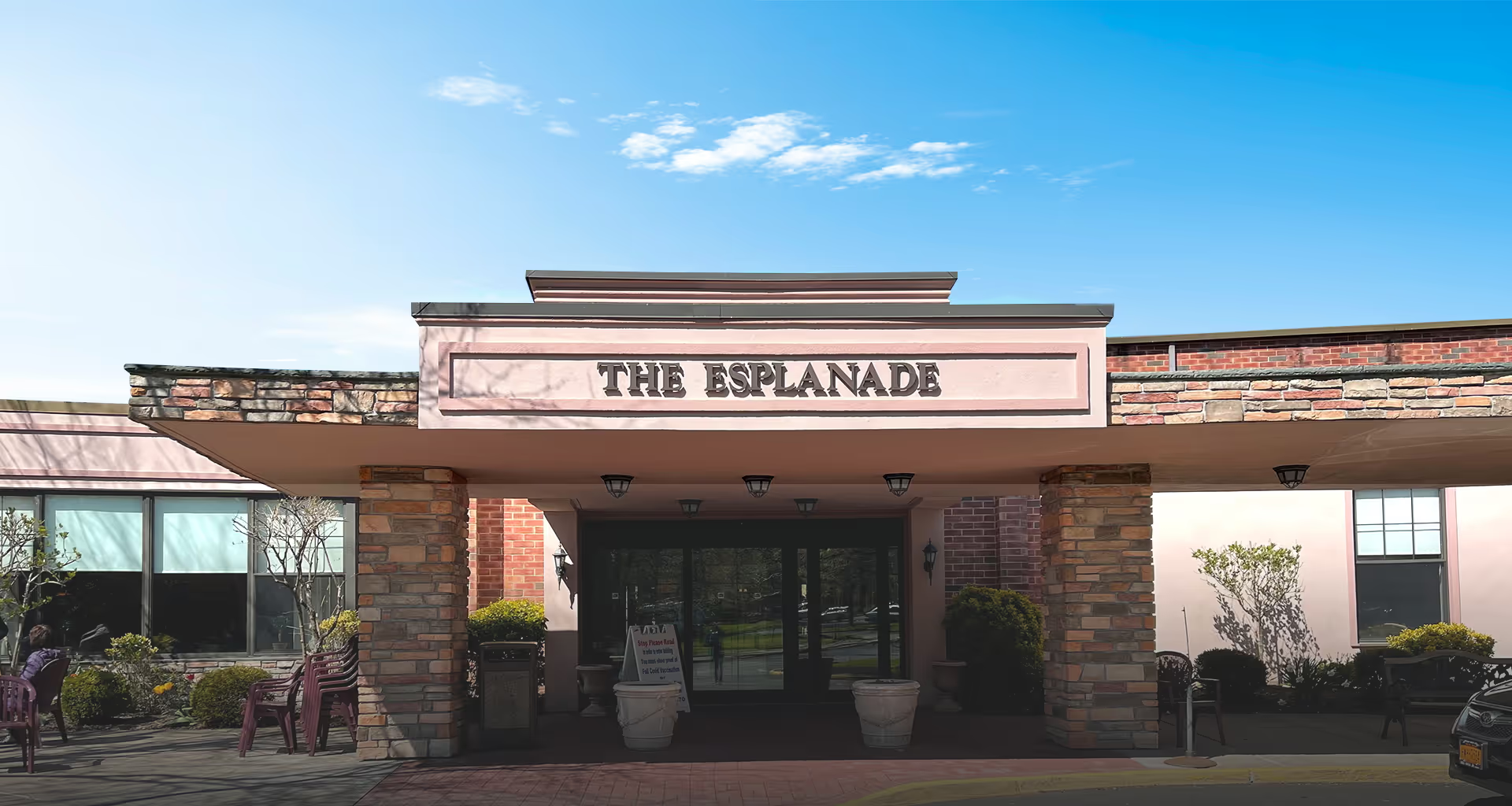
Facility condition and infection-control practices are likewise mixed. Many reviewers describe a renovated, welcoming environment with helpful front-desk staff and pleasant common spaces. Others raise sanitation and odor-control concerns in specific areas, pest-control issues, and occasional maintenance shortcomings. Transparency around infection events and visitor restrictions, especially during COVID-era incidents, was identified as a recurring issue—families expressed frustration with delayed or inconsistent disclosure.
Management and administrative performance varies by account. Several families singled out specific administrators and care-coordination staff for proactive problem-solving and strong communication. Conversely, others reported abrupt discharge demands, inflexible policies, billing disputes, and occasions where nonclinical staff made discharge decisions without clear physician involvement. Given these mixed experiences, prospective residents and families may benefit from clarifying care-governance practices, discharge planning protocols, and financial authorization processes up front.
Overall, Sprain Brook Manor Rehab demonstrates clear strengths in rehabilitation services, activities programming, and pockets of compassionate clinical care. However, variability in nursing responsiveness, staffing levels, clinical monitoring, communication with families, and certain operational areas (laundry, maintenance, infection-control transparency) appears to account for a wide range of experiences. Families considering the facility should weigh the strong rehab outcomes and engagement opportunities against the potential for inconsistent nursing coverage, and should plan to maintain active communication and advocacy regarding clinical monitoring, documentation, and discharge planning.