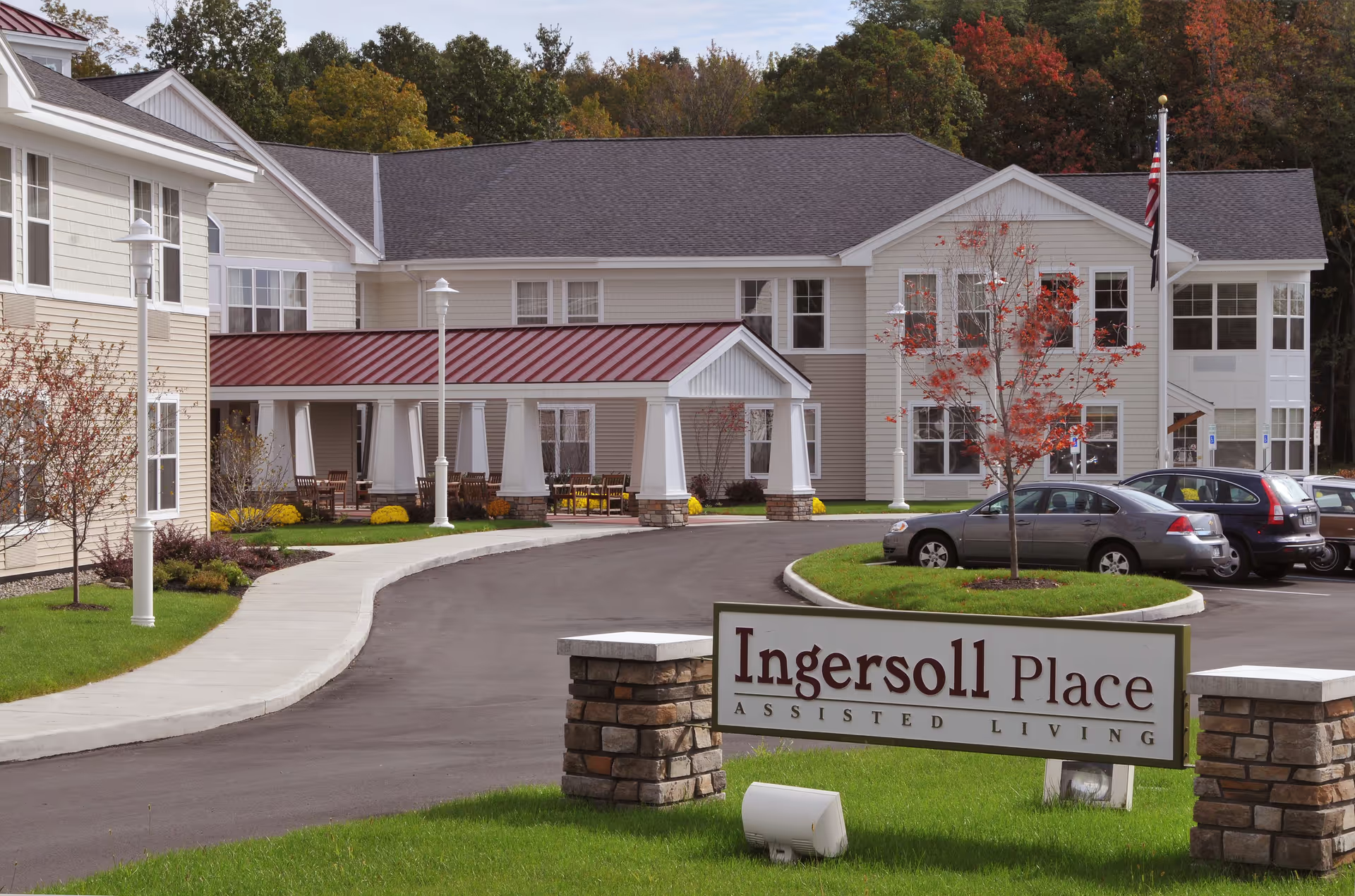
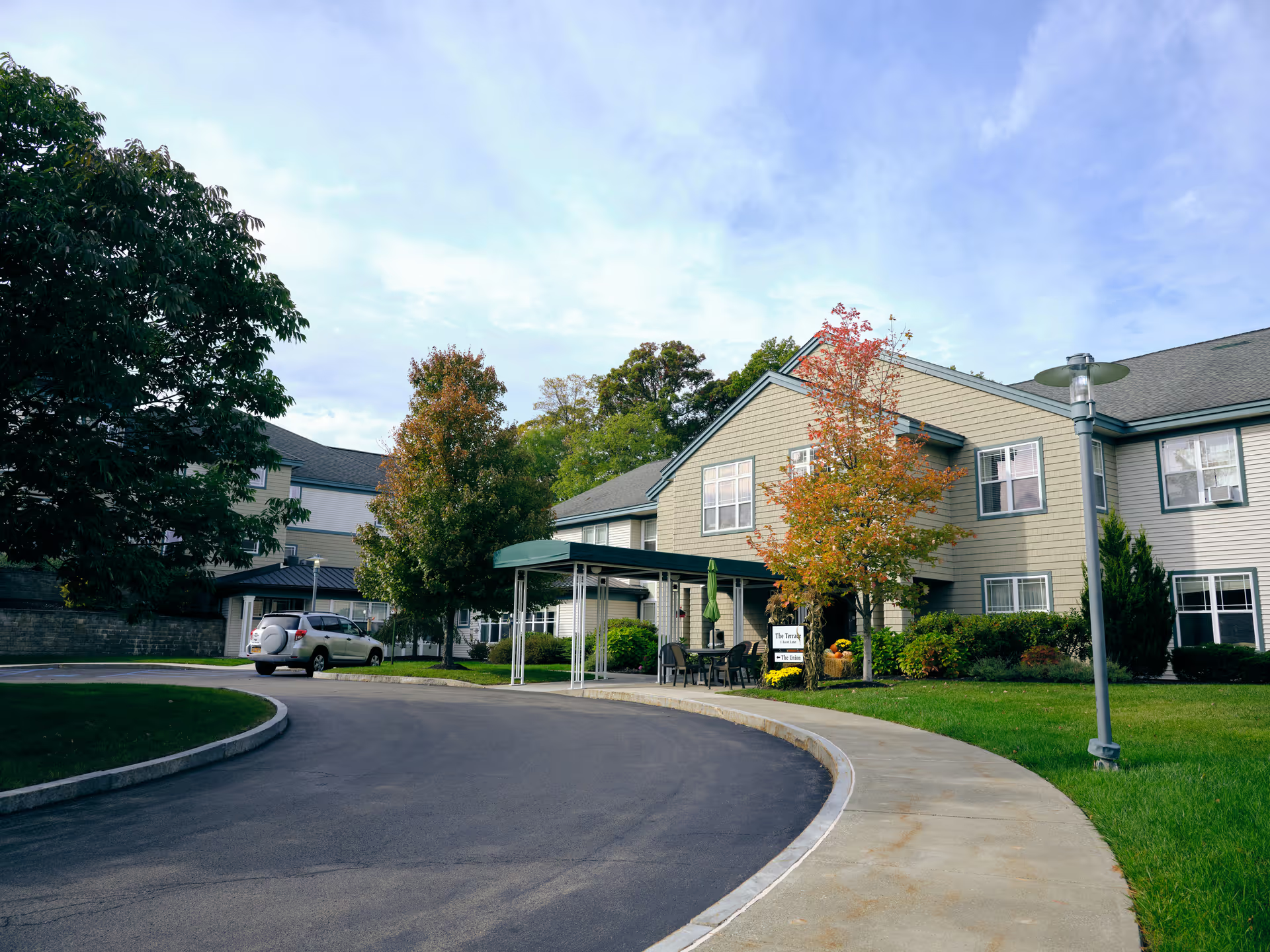
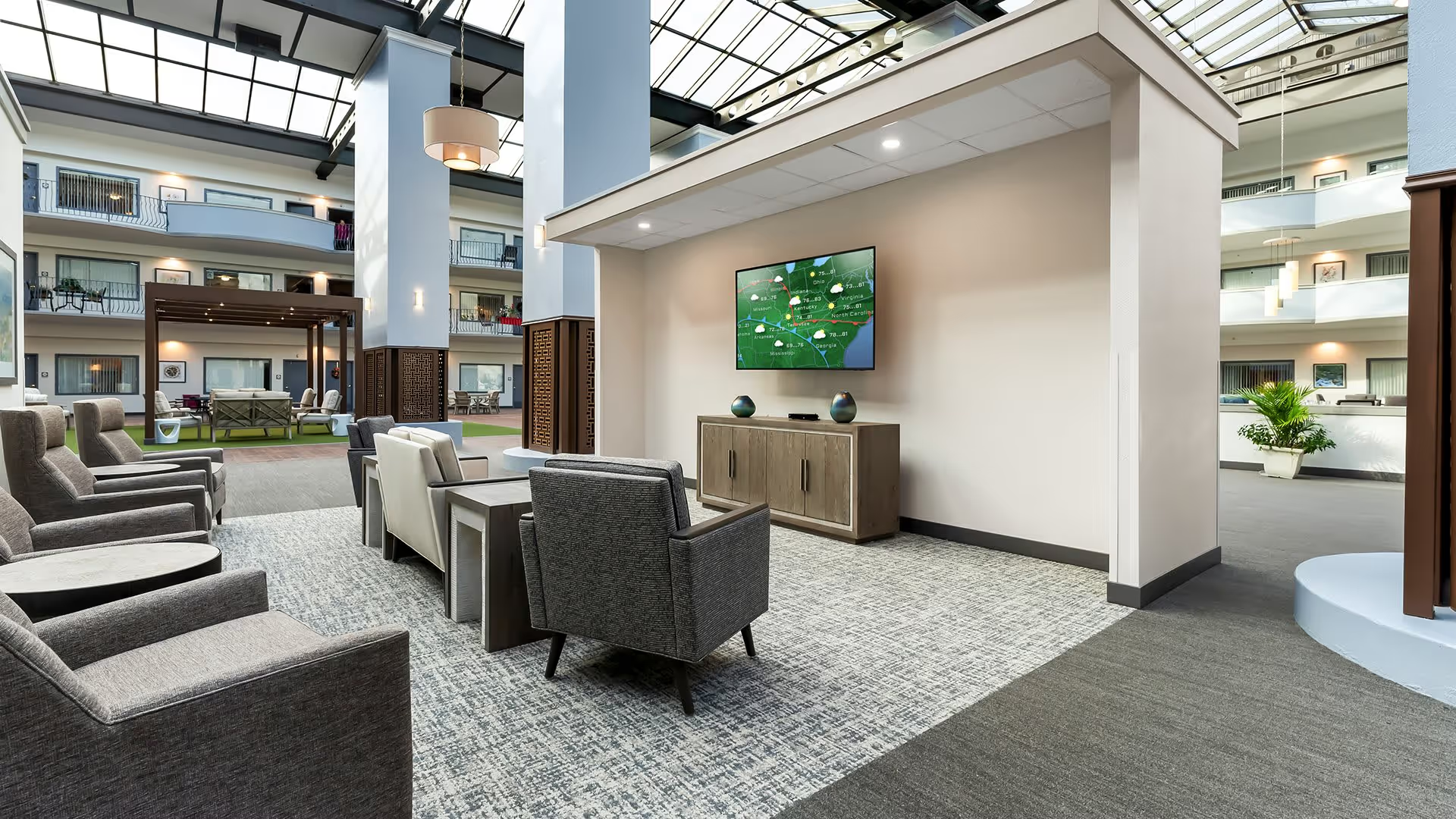
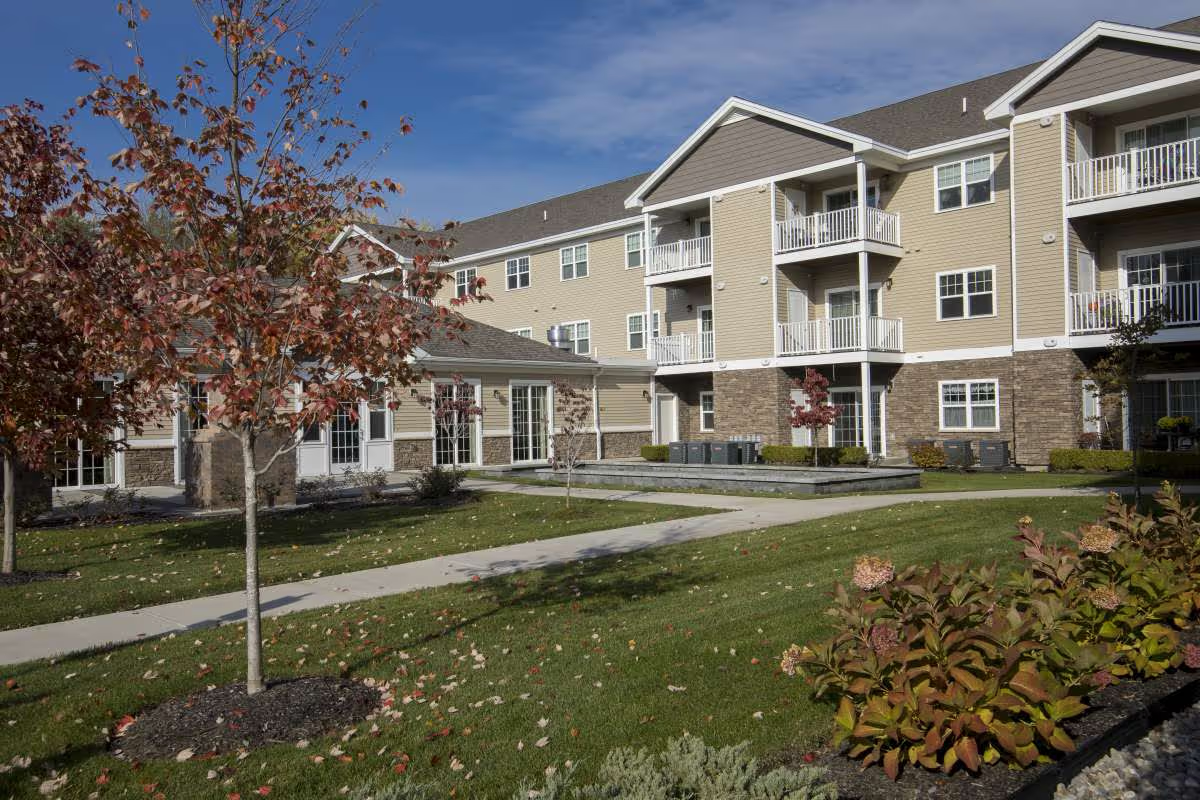
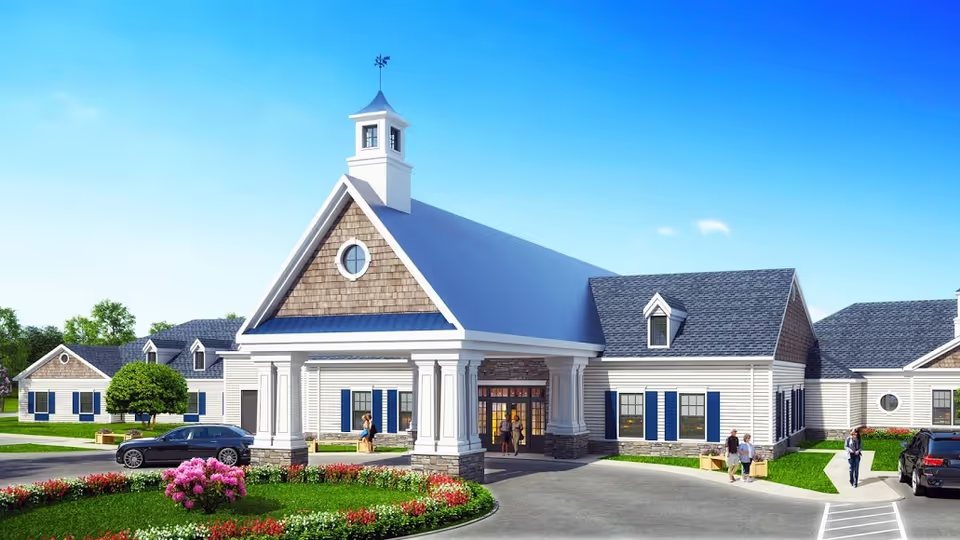
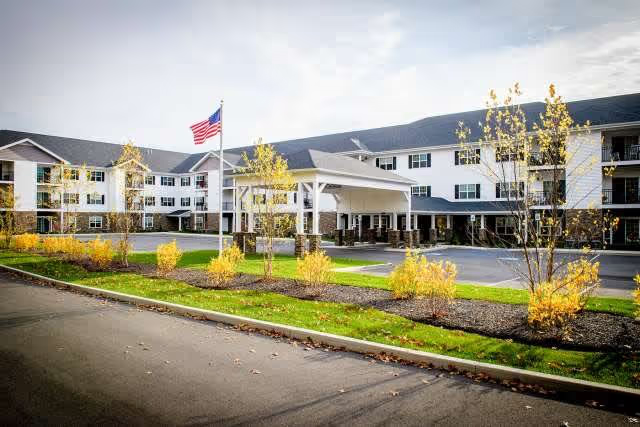
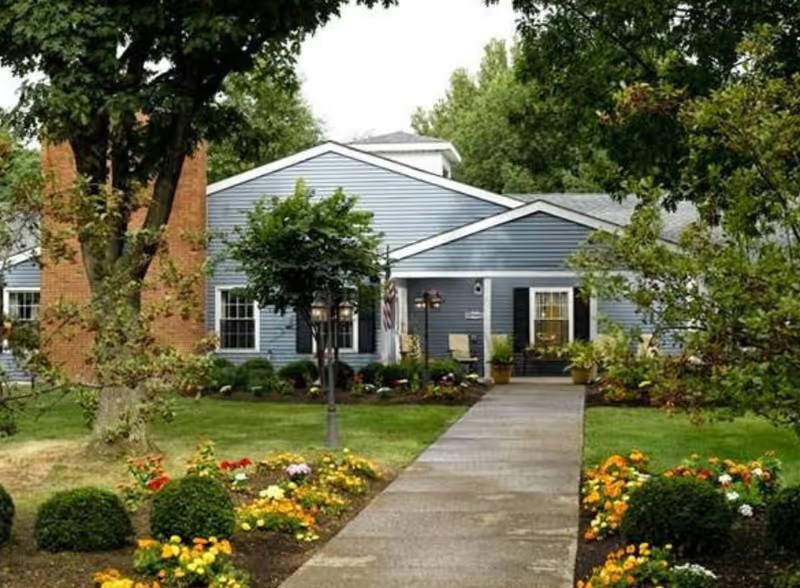
Kingsway Arms Nursing Center is described by many reviewers as a well-appointed, family-owned senior living community with a clear continuum of care spanning independent/adult living through assisted living and skilled nursing. The campus layout, multi-building design, and on-site services (including an emergency response capability and transportation to medical appointments) are frequently highlighted as operational strengths. Physical facilities are generally characterized as clean, spacious, and well maintained, with roomy suites and a variety of on-site amenities such as a salon, barbershop, bank, and mailroom that support resident convenience.
Dining and daily services receive consistently positive comments. Reviewers describe gourmet-style meals with varied entrées, included meals for residents, and routine apartment housekeeping. Social and recreational programming appears robust: regular activities, social events (dinners, ice cream socials), and organized outings contribute to a sociable community atmosphere that many families call engaging and worth the cost.
Care and staff performance are a prominent theme with a mixed pattern. A large portion of feedback praises kind, attentive, and advocacy-oriented staff who create a respectful, family-like environment; several accounts describe professional, compassionate caregiving across assisted living and nursing units. However, there are contrasting accounts indicating inconsistent staff professionalism and conduct, including concerns about staff attentiveness (notably personal device use) and variable responsiveness. These operational issues have been linked in some reviews to understaffing or scheduling pressures, and some families noted gaps in clinical training or competency that affected care continuity.
Management and organizational practices show a similar split. Many reviewers commend the family-owned model and attentive staff; others raise serious concerns about management transparency, employee relations, and cost-control decisions that they say have impacted staffing and service levels. There are also isolated but important notes about inconsistent hospice and end-of-life communication with families. Additionally, some reviewers described sanitation or odor concerns that appeared to coincide with low-staff periods, suggesting that cleanliness and service consistency may fluctuate with staffing levels.
Notable patterns for prospective residents and families: the facility offers strong amenities, engaging programming, and a clear clinical continuum, and many families express high satisfaction with the caregiving culture. At the same time, there are recurring operational themes—staffing levels and attention, training consistency, management transparency, and end-of-life communication—that merit direct inquiry during a tour. Observing mealtime assistance, asking about staffing ratios and training programs, and clarifying hospice coordination and incident reporting procedures can help align expectations with the range of experiences documented by families.