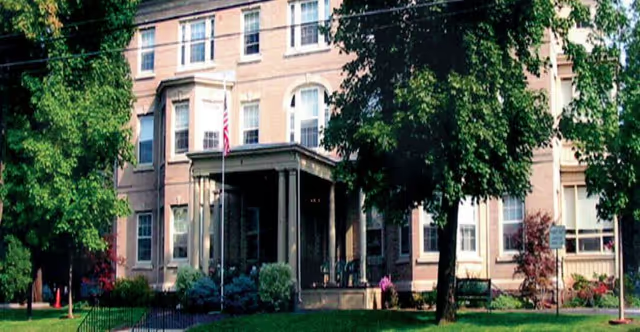
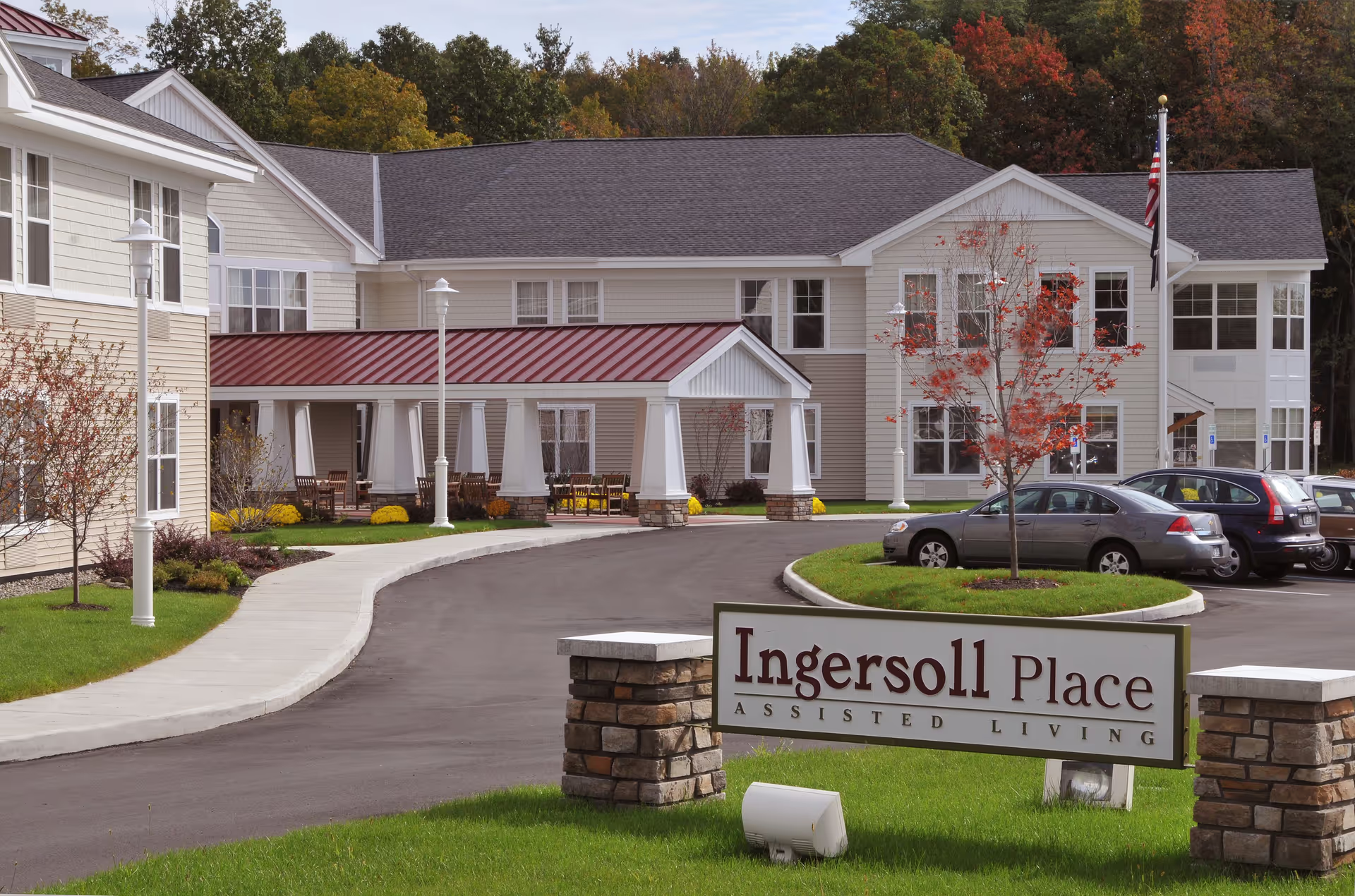
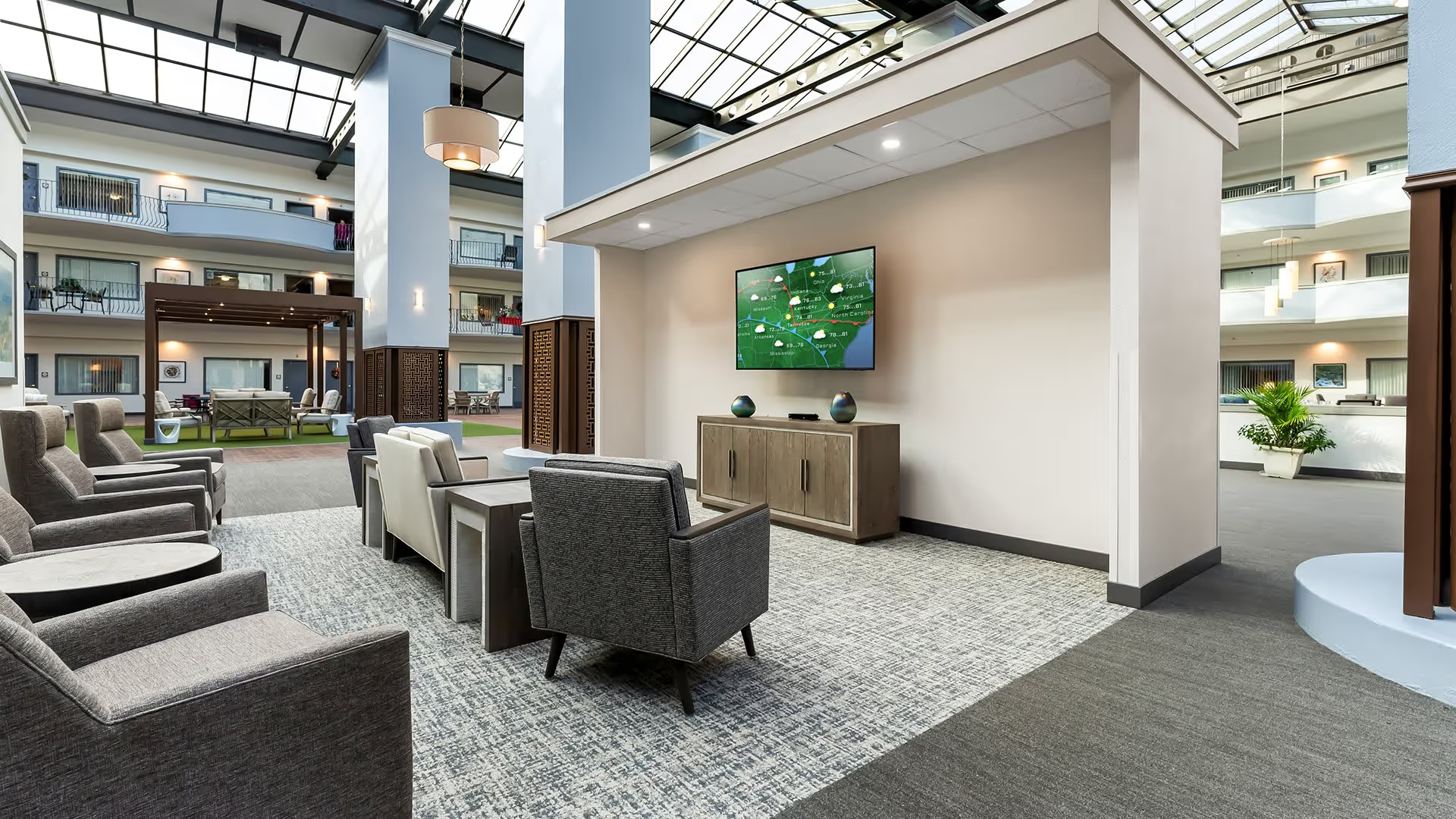
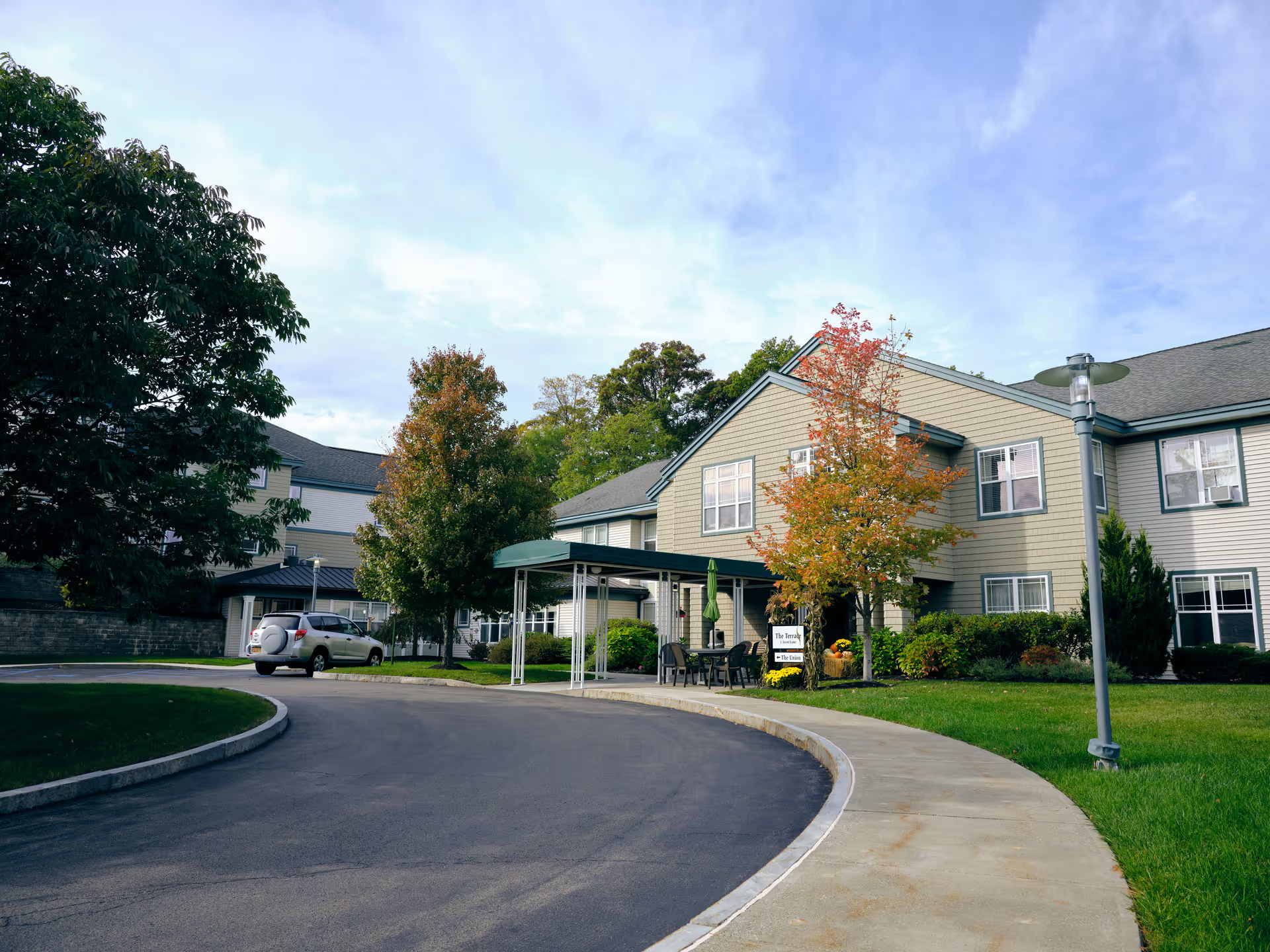
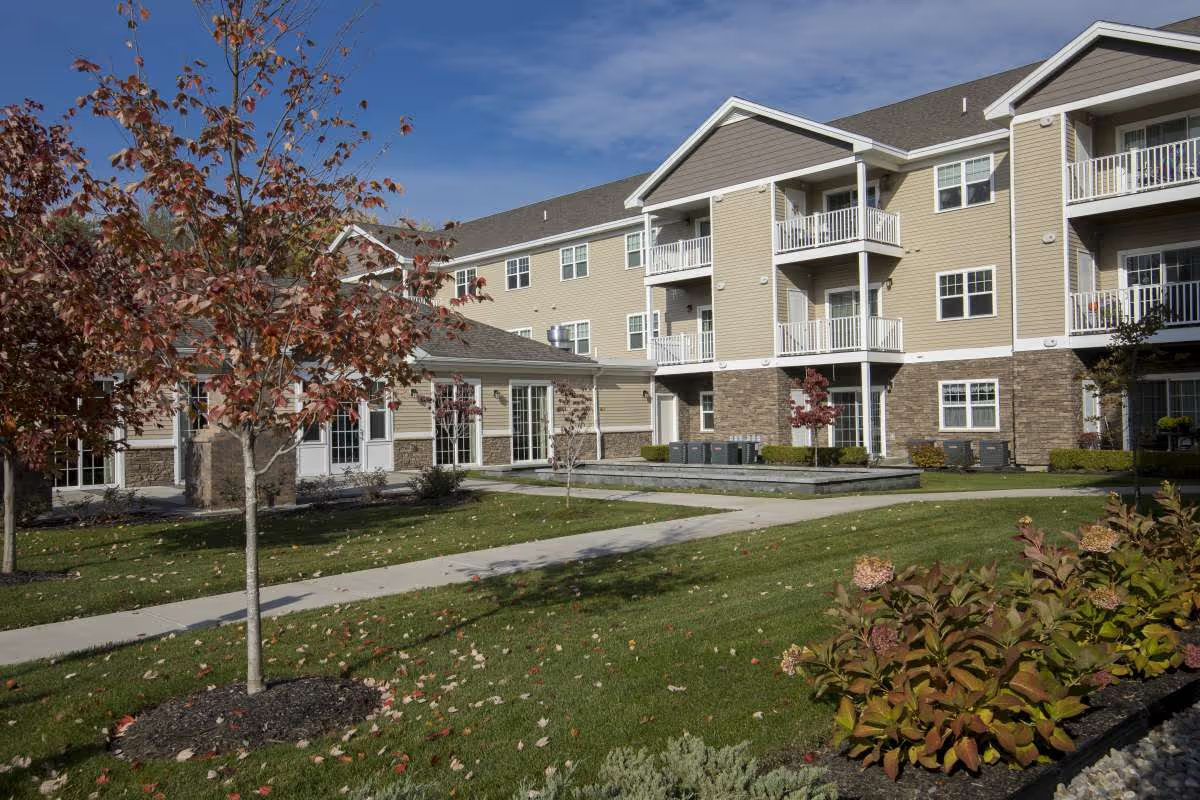
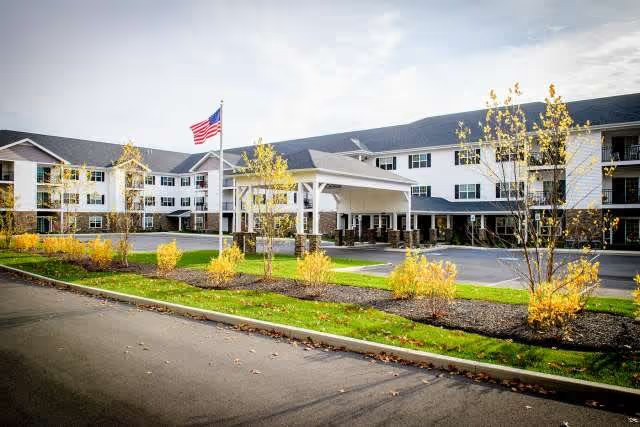
Schenectady Center elicits strongly mixed impressions. Many reviewers praise the facility’s rehabilitation resources: physical and occupational therapy staff and the therapy equipment receive frequent positive mention, and several families describe smooth admission and rehabilitation transitions. The building and public areas are often characterized as clean, modern, and welcoming, and organized activities, outings, and a varied menu are also cited as meaningful positives for resident engagement.
Care quality descriptions vary markedly by shift, unit, and staff member. Positive accounts highlight attentive aides, skilled RNs, and individualized case management; these staff members are described as compassionate and effective at promoting independence. Conversely, a substantial number of accounts identify operational weaknesses that affect clinical care: delays or errors in medication administration and tracking (including insulin management), inconsistent wound-care practices with associated infection-control concerns, and lapses in feeding or mealtime assistance. These clinical-process gaps have, in several instances, led families to escalate concerns and request transfers.
Staffing and staff conduct are recurring themes. Reviews indicate pronounced variability in staff performance and availability — particularly on nights, weekends, and holidays — producing long waits for assistance, inconsistent bathing and toileting support, and uneven responsiveness to call systems. Several accounts describe inattentive behaviors (phone use, limited patrol of halls) and inadequate supervision of CNAs and LPNs. At the same time, reviewers repeatedly single out individual staff members and specific shifts for praise, suggesting that positive care is often dependent on particular personnel rather than facility-wide consistency.
Dining and daily life show a similar split. Many residents and families appreciate the activity schedule, occasional outings, and menu variety; therapy patients report good meal support during active rehab. However, other reviewers describe interruptions to meal service, inadequate assistance during meals for residents who require help, and inconsistent food quality. Laundry handling and personal-property management are also frequent concerns, with multiple accounts of lost or damaged items and delays in returning belongings.
Administrative and management patterns raise concerns about communication, billing, and oversight. Families report difficulties reaching leadership by phone, inconsistent follow-through on promised interventions, and disputes over billing, medication charges, or bed-hold fees. There are also references to regulatory attention and legal action, which prospective families should note and clarify during their evaluation.
In summary, Schenectady Center offers substantial strengths in rehabilitation, a well-maintained physical environment, and a number of dedicated care staff and activity programs. However, persistent operational issues — especially inconsistent staffing, medication- and wound-care process gaps, variable unit-level performance, and communication or property-management problems — are recurring themes. Prospective residents and their families would be advised to (1) tour the specific unit they would occupy, (2) ask about current staffing patterns for nights/weekends and unit-specific caregiver ratios, (3) review medication- and wound-care protocols and incident-reporting practices, and (4) obtain written clarification on billing and bed-hold policies prior to placement.