This collection of reviews paints a facility with clear strengths in clinical rehabilitation and resident-centered daily life, alongside recurring operational concerns that families should weigh. Many reviewers praised the rehabilitation teams — physical, occupational and speech therapy — for producing measurable recovery and helping residents regain independence after surgery, respiratory events, or stroke. Nursing and caregiving staff are frequently described as compassionate, attentive and effective, with multiple accounts of timely updates to families, proactive discharge coordination, and individualized care plans. Social work and admissions functions are also highlighted as helpful and resourceful in navigating Medicare and discharge logistics.
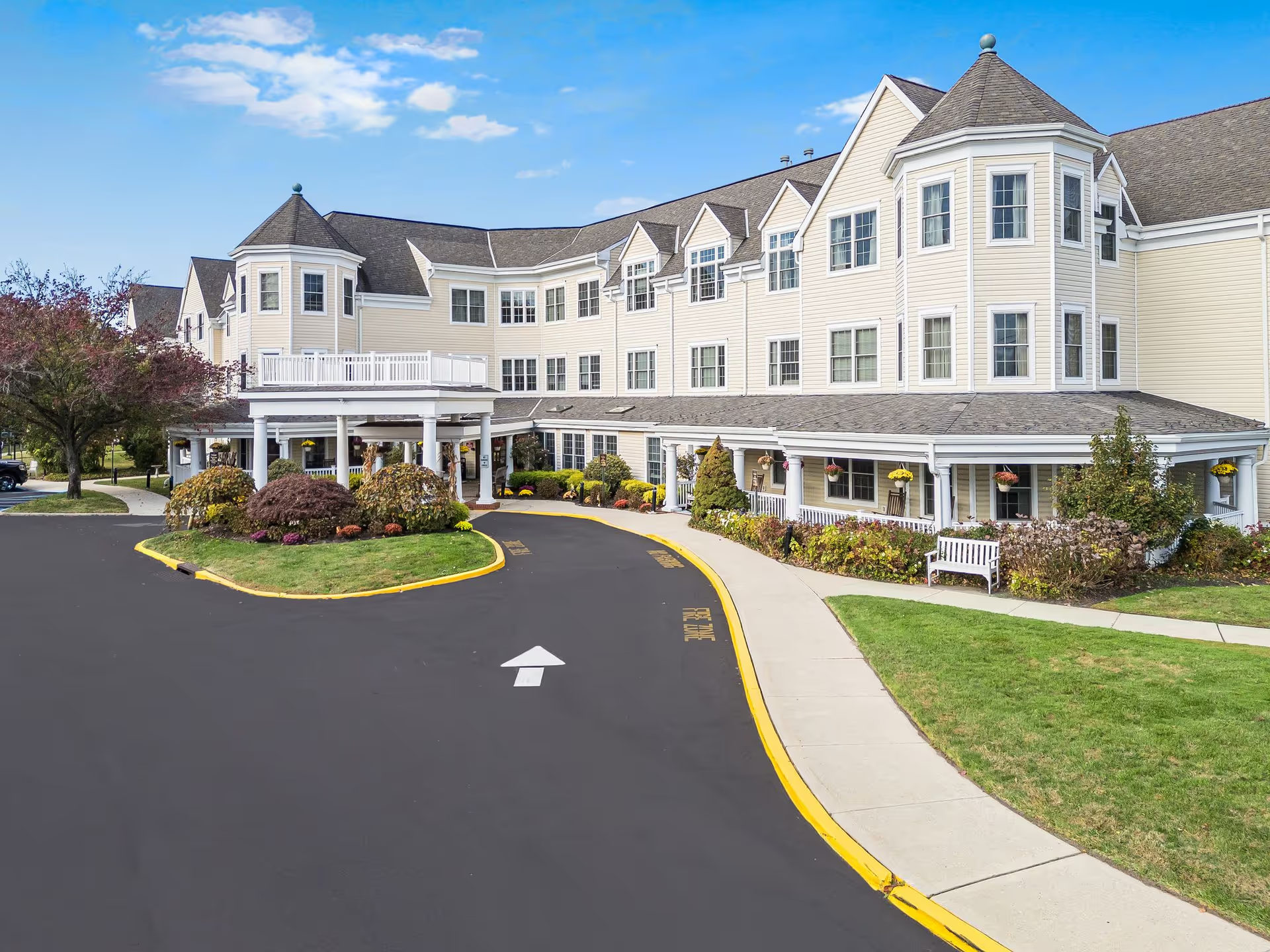
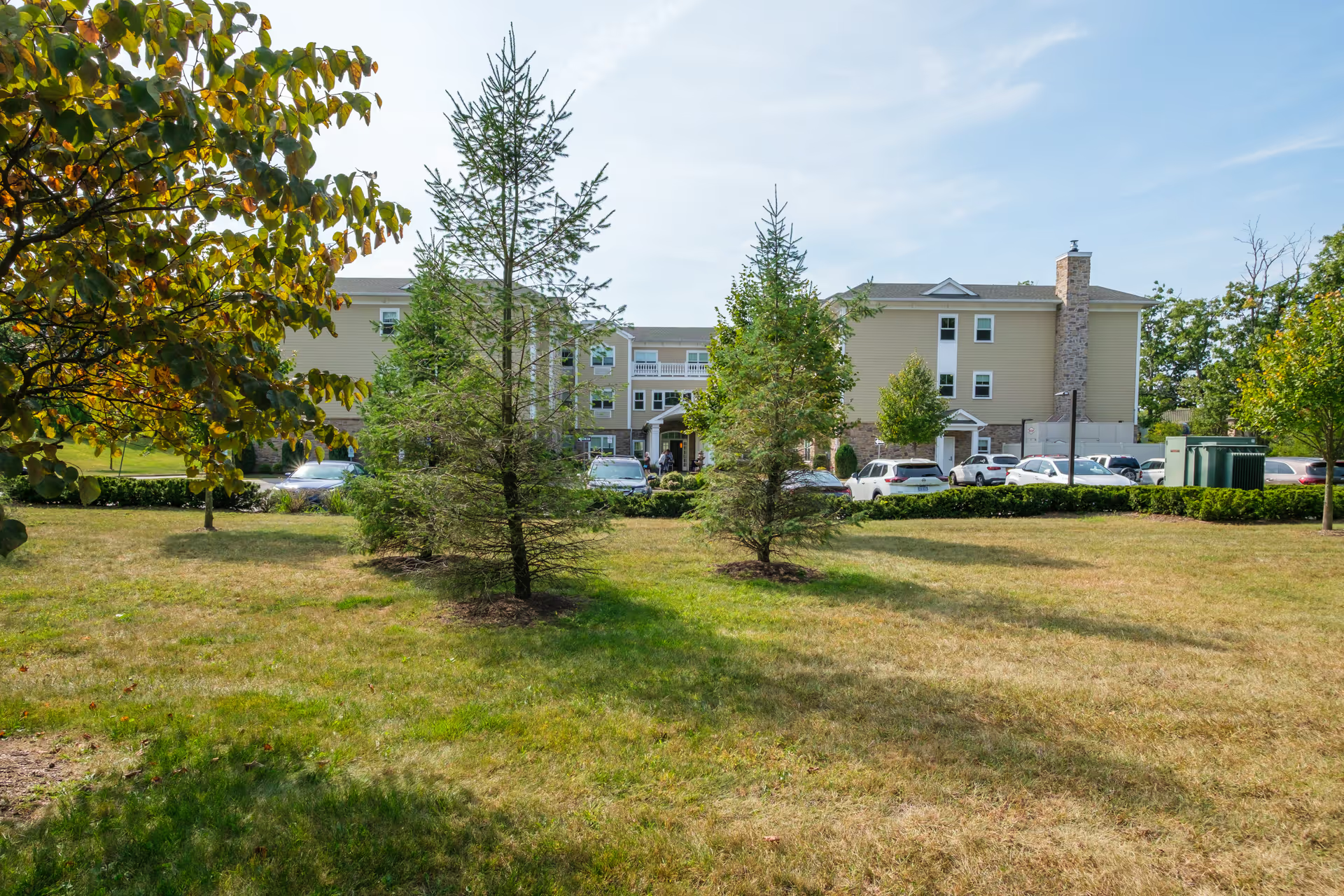
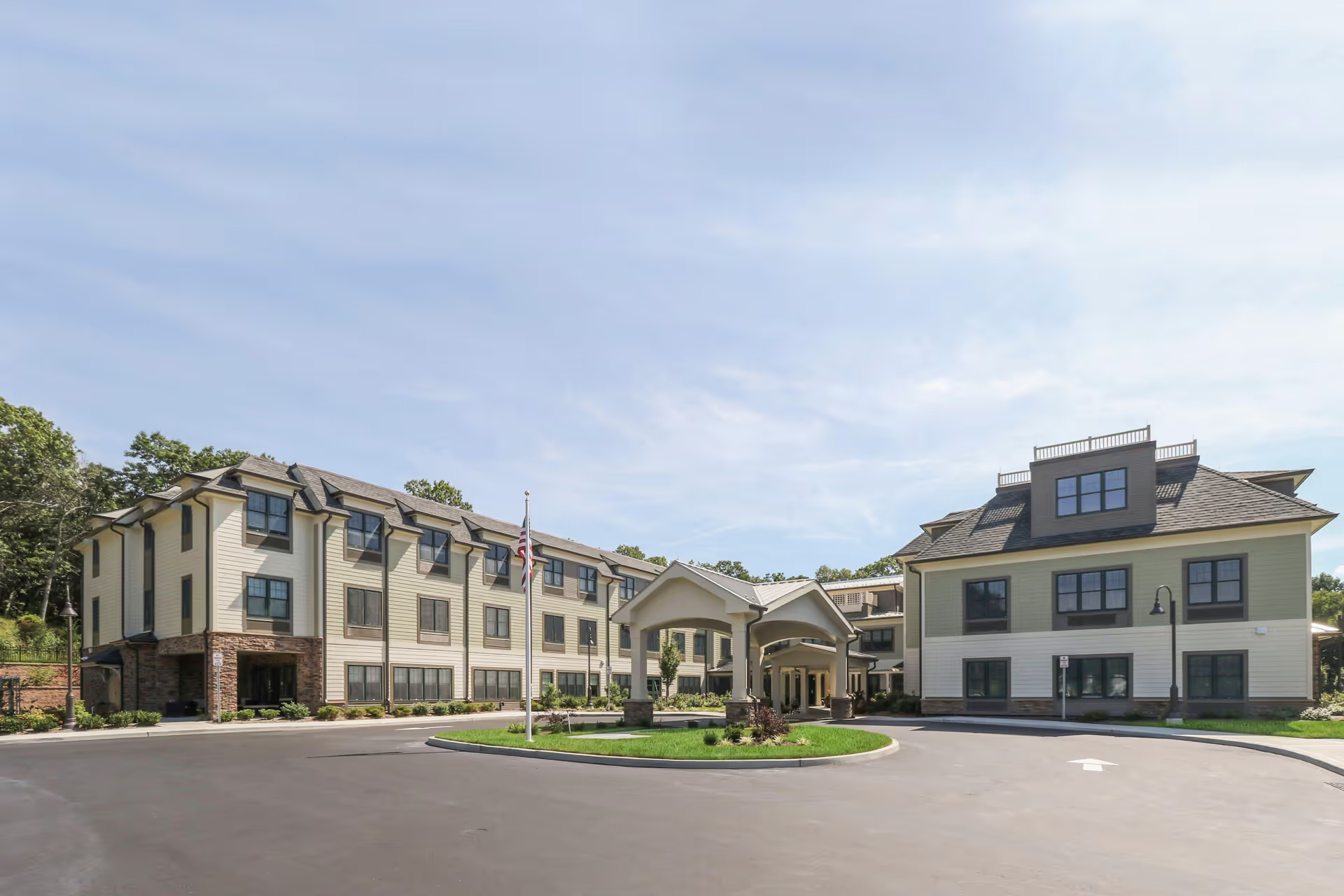
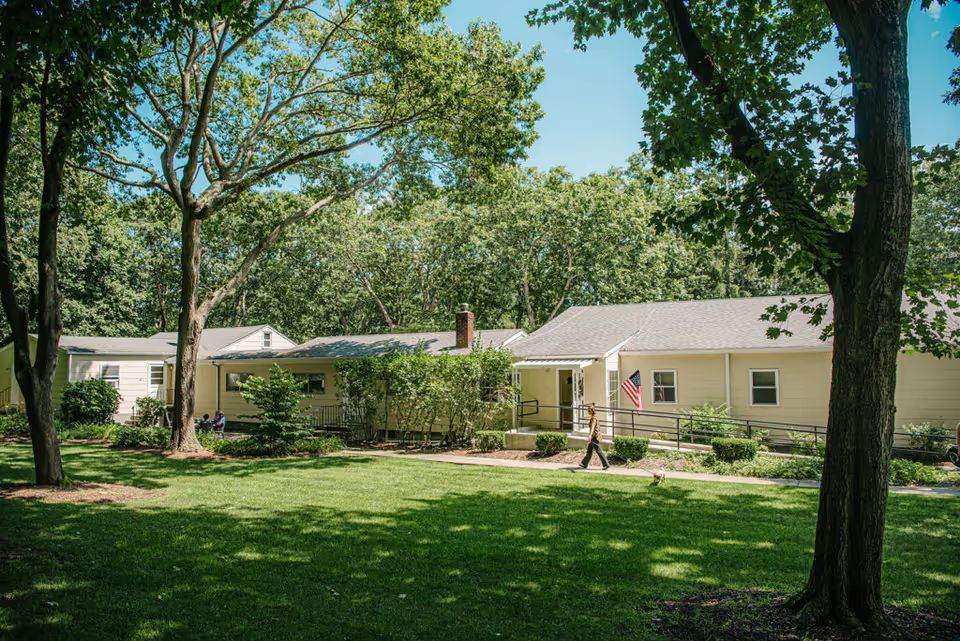
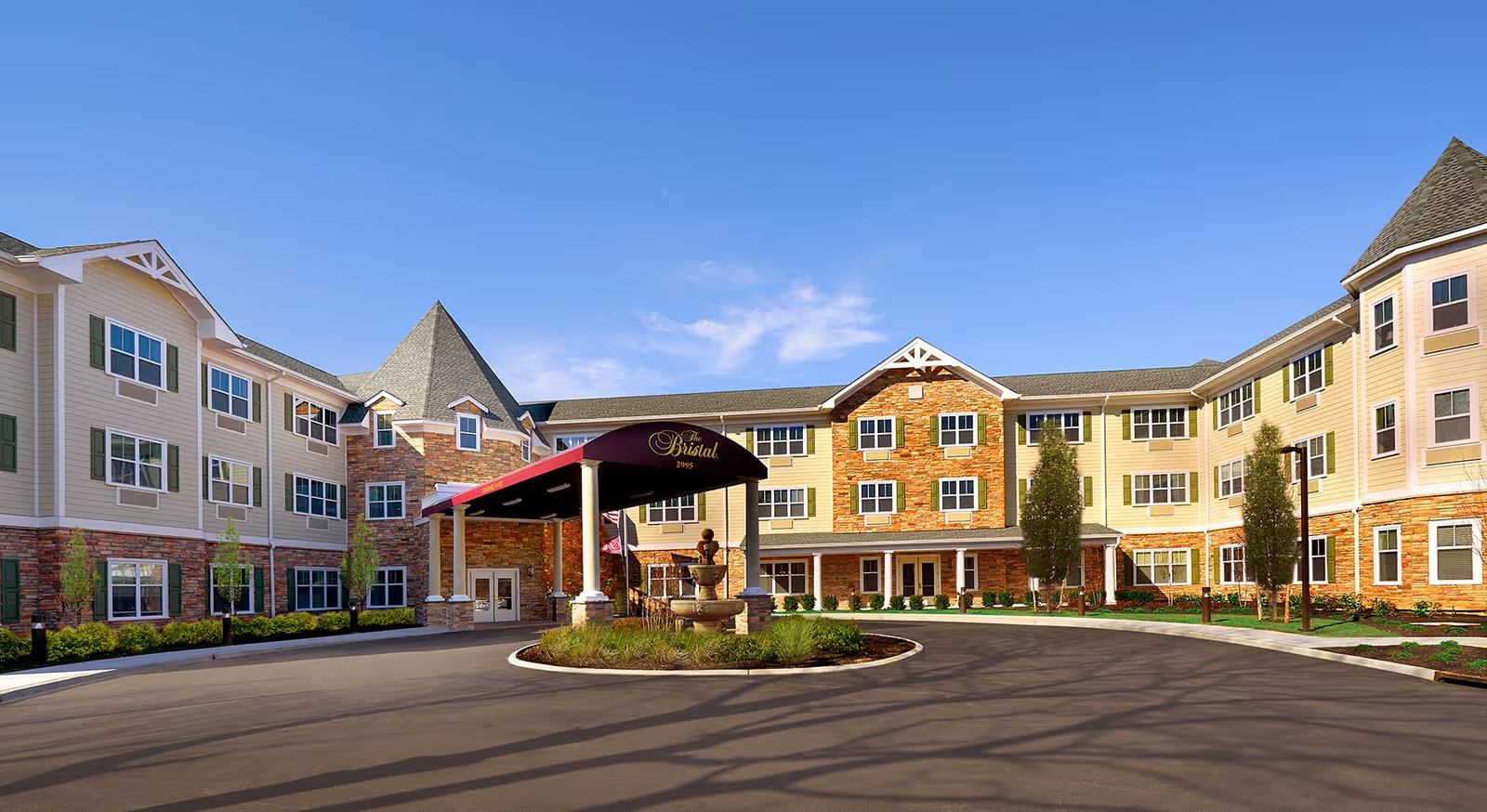
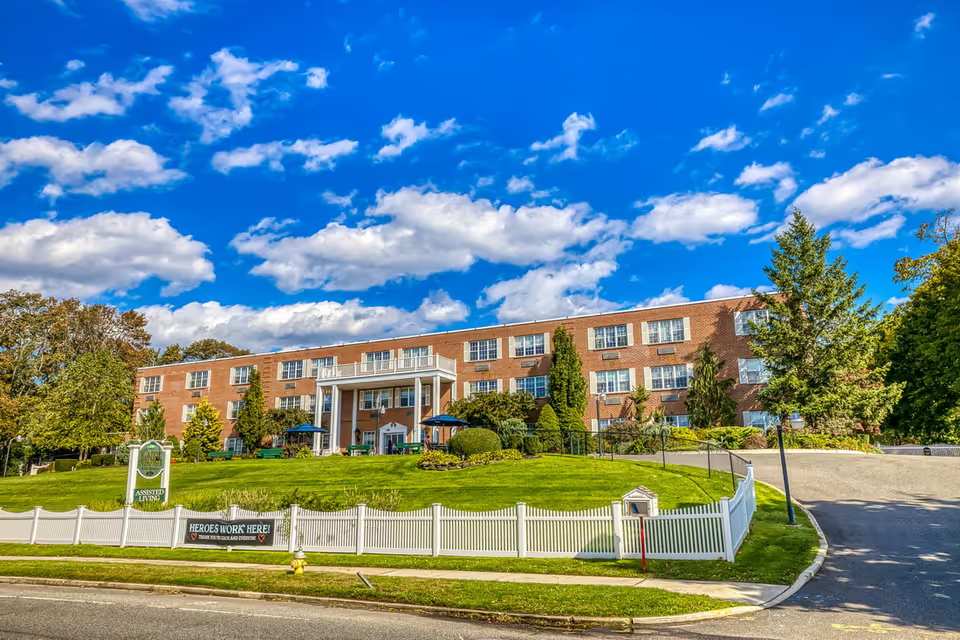
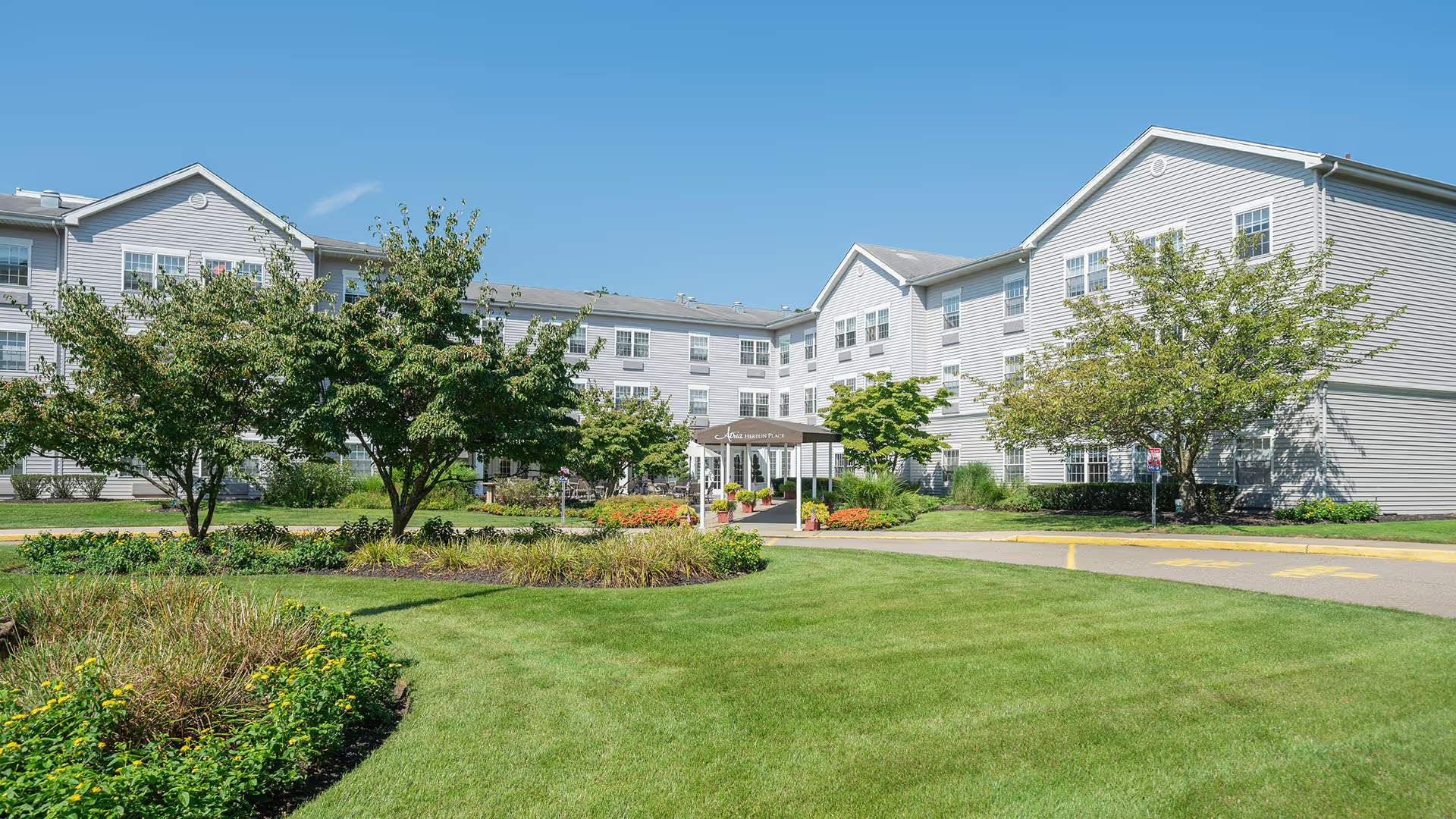
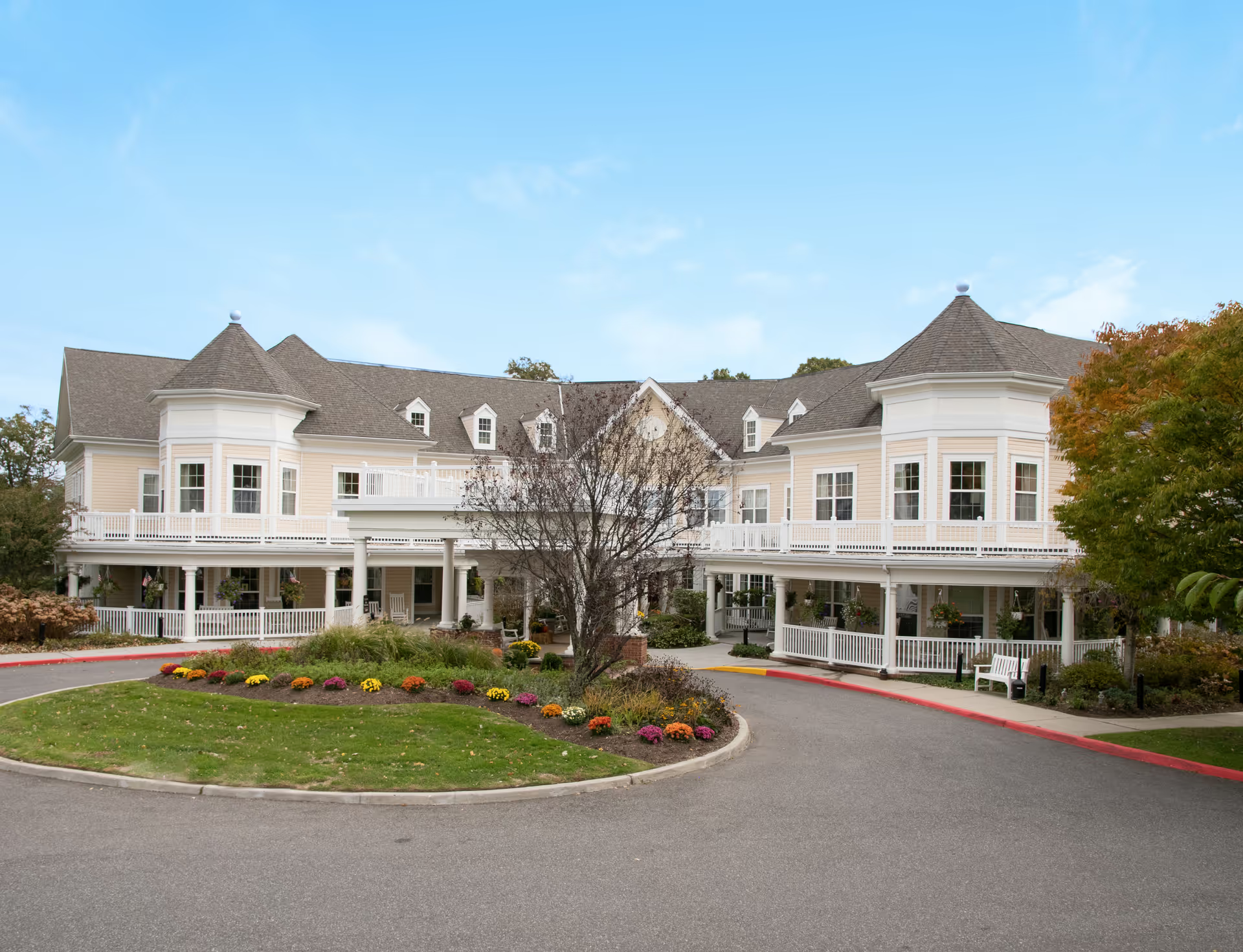
The facility’s activities and amenities are consistently noted as a positive aspect of life there. Residents benefit from a varied activities calendar that includes classes (computer, cooking), entertainment (movie nights, shows), mall and community outings, religious-service transportation, and an on-site salon. The physical environment is described as clean and well-maintained, with responsive maintenance and housekeeping staff and pleasant common areas. Several families appreciated the privacy afforded within shared double rooms (separate bedside space, private bathroom, TV/phone), and the overall atmosphere is often characterized as bright and welcoming.
Despite these strengths, the reviews reveal recurrent operational weaknesses that affect quality and reliability. Medication-administration issues and delays in pharmacy coordination are mentioned multiple times, alongside reports of inconsistent responsiveness to call lights and requests. Staffing variability and turnover appear to contribute to uneven care experiences: some shifts and units receive consistent praise, while others are described as under-staffed or less coordinated. Laundry and personal-belongings management emerges as a chronic problem for some families, with missing or mismanaged clothing increasing distrust. There are also several serious concerns about personal-property security, including allegations of theft, which undermine confidence in property safeguards.
Dining and clinical-consistency areas are mixed. Some residents found meals better than expected and enjoyed specific dishes, while others described inconsistent food quality and service. Clinical care beyond rehabilitation is similarly variable in reviewers’ accounts: many cite excellent wound care and infection management, but a subset describe incontinence-care delays, pressure-injury and wound-care inconsistencies, and episodes that required hospital readmission. Communication practices receive both praise and criticism — families report clear, proactive contact from some staff and social workers, yet others experienced front-desk disengagement or inconsistent family updates.
Overall, Smithtown Center for Rehabilitation & Nursing Care appears to be a strong option for short-term rehabilitation and therapy-driven recovery, supported by compassionate caregivers, an active activities program, and a generally clean, well-maintained campus. Prospective residents and families should, however, probe operational reliability during visits: ask about staffing patterns, medication-administration protocols, property and laundry safeguards, and unit-specific staffing stability. Where continuity of care, property security, and consistent clinical practices are priorities, families may wish to verify recent staffing and quality-improvement measures during the decision process.