Fiddler's Green Manor elicits a highly polarized set of impressions. Many families and short-stay patients praised individual caregivers—nurses, aides, social work staff, and front-desk personnel—for compassionate bedside manner, help with medication administration, and useful discharge coordination. Several accounts describe successful short-term rehabilitation outcomes and clean, orderly common areas, indicating that the facility can and does deliver good care under certain conditions.
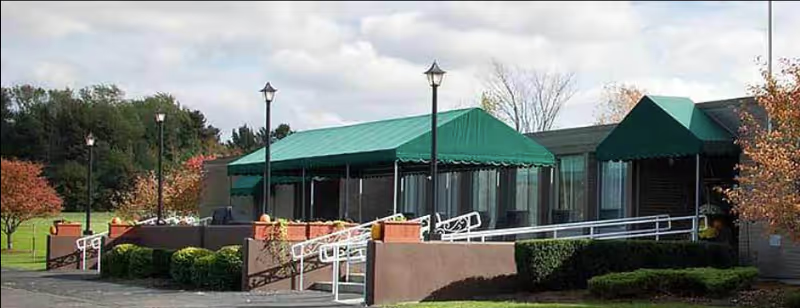
Counterbalancing those positives are recurrent operational and facility-level concerns. The physical plant is described as dated with visible maintenance deficits: small shared rooms, limited furnishings, and repeated infrastructure failures (notably elevator and exterior-door problems). Overcrowded room configurations and limited in-room amenities reduce privacy and resident comfort. Sanitation and odor concerns in resident spaces and some common areas were also raised, alongside weaknesses in housekeeping and laundry controls.
Clinical and staffing issues form a clear pattern in the critiques. Reviews indicate chronic understaffing and variability in staff competence, with specific concerns about basic nursing oversight, inconsistent bathing and toileting assistance, delayed nurse-call responses, and uneven infection-control practices. At the same time, multiple reviewers singled out individual staff members who provided attentive, compassionate care; this suggests the facility’s culture and outcomes may be highly dependent on staffing levels and individual caregivers on shift.
Dining and programming are additional mixed areas. Food quality and consistency were frequent complaints—cold or bland meals, limited heart-healthy or diabetic-friendly options, and occasional gaps in meals or snacks—although a few families reported acceptable breakfasts or short-stay rehab meals. Several reviews noted a lack of structured activities, limited dining or sitting areas, and restrictions on in-room conveniences (phones, cable access), which affect resident quality of life.
Management, communication, and compliance concerns also appear repeatedly. Families reported difficulty reaching staff by phone, poor follow-up, lost personal items, and questions about billing and Medicaid practices; there are even isolated allegations of financial irregularities and concerns following a resident’s death. These issues, together with the facility’s aging infrastructure and staffing variability, point to systemic operational weaknesses rather than isolated incidents.
Overall, prospective residents and families should weigh the facility’s demonstrated strengths in individual caregiver compassion and some successful rehab outcomes against persistent, facility-level weaknesses: maintenance and infrastructure deficits, chronic staffing and clinical oversight gaps, inconsistent sanitation and infection-control processes, limited dining and activity offerings, and communication/billing concerns. Visiting in person, inspecting room configurations and common areas, asking for current staffing ratios and clinical oversight practices, and clarifying billing and placement policies are recommended steps for families considering placement.