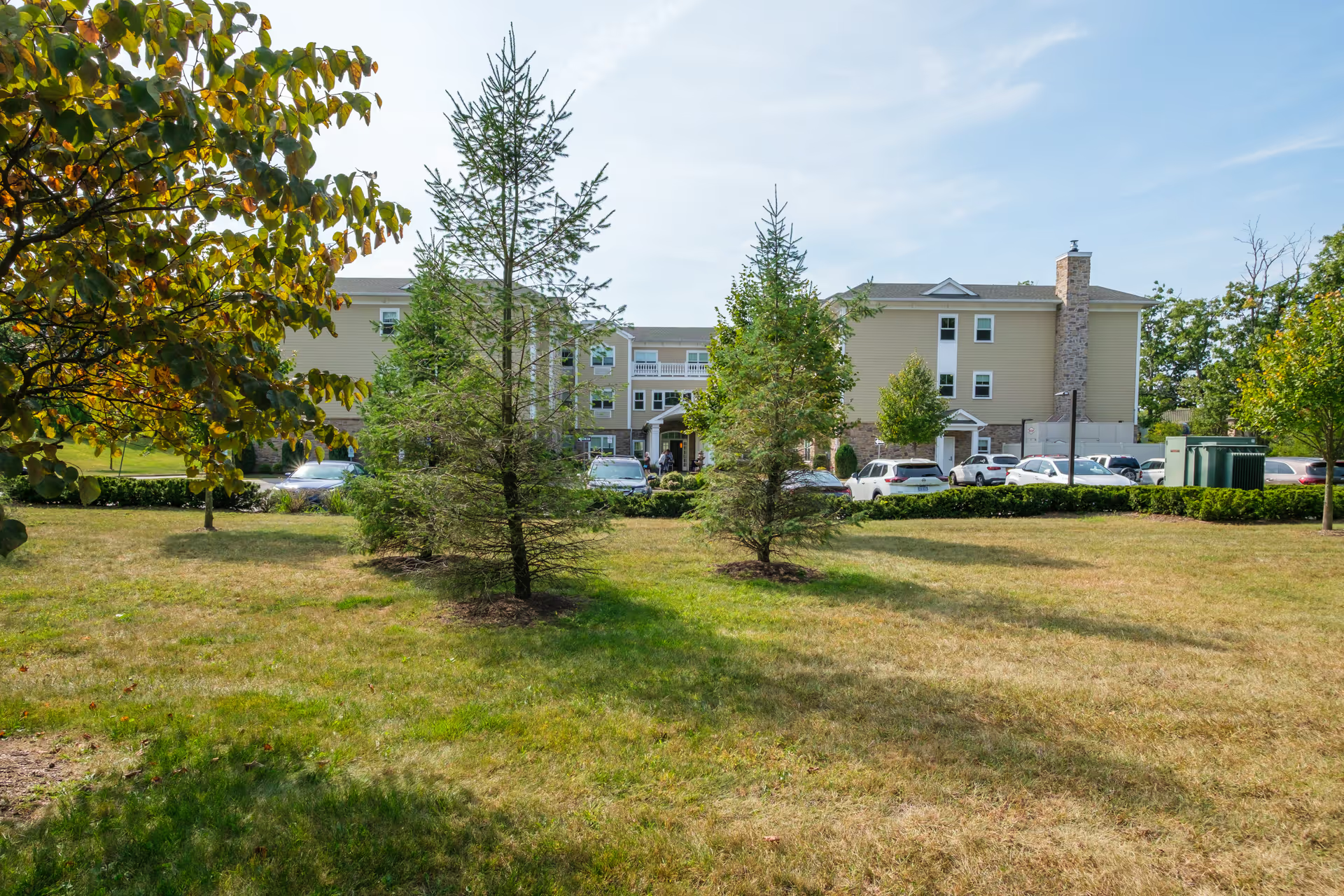
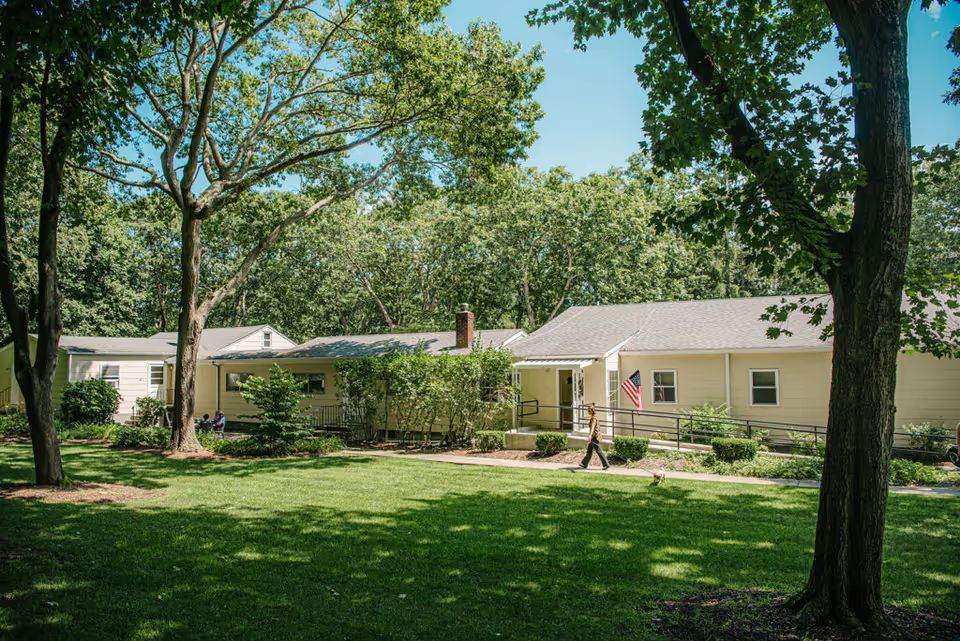
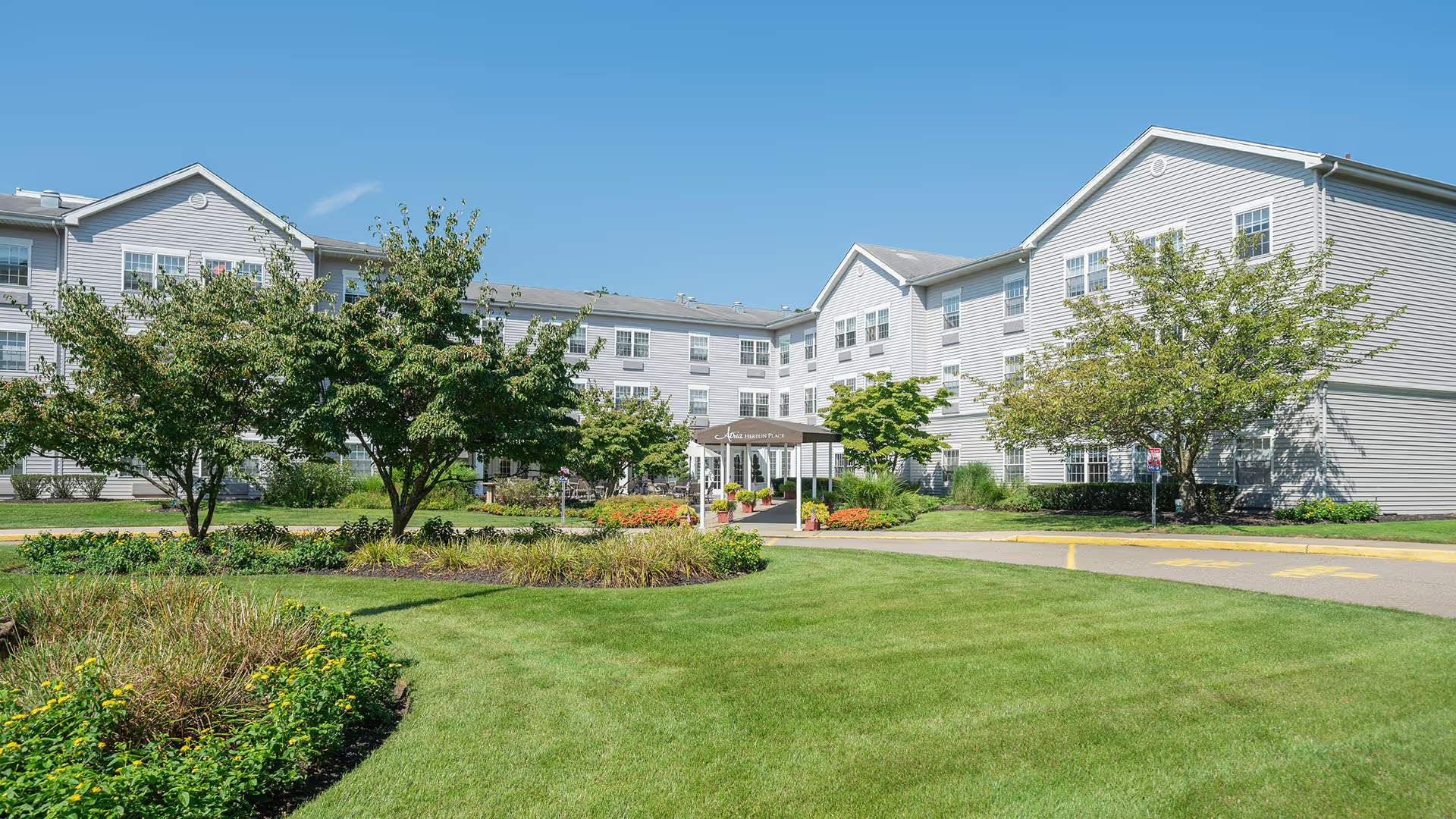
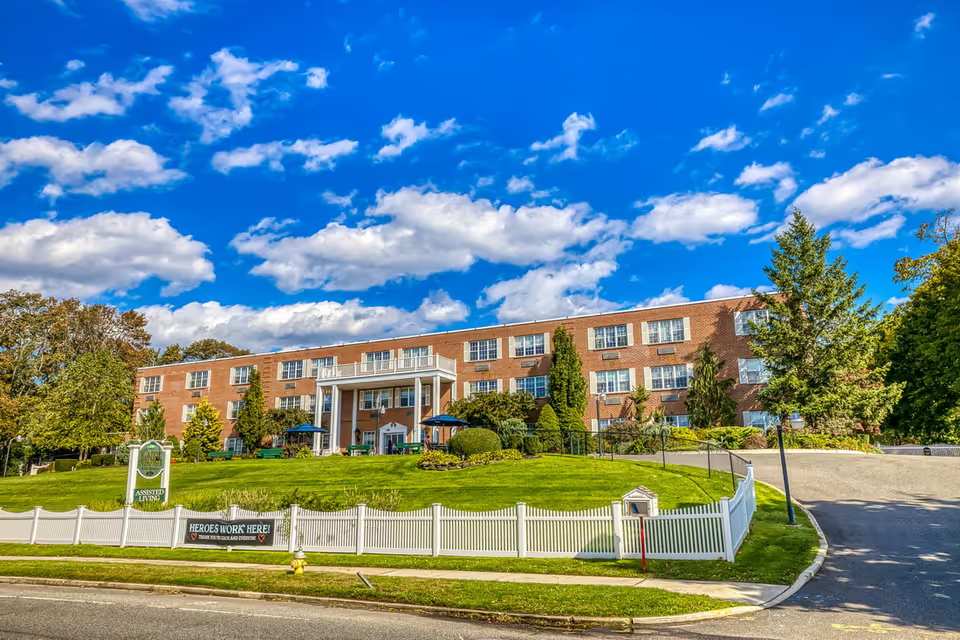
The Long Island State Veterans Home is consistently described as a veteran‑centered facility with strengths concentrated in staff dedication, rehabilitation services, and a broad range of on‑site supports. Many accounts highlight attentive nursing and clinical teams, strong physical/occupational/speech therapy programs, and coordinated short‑term rehab that facilitate transitions from hospital care. Reviewers commonly praise the social work presence and case management, which families describe as proactive and helpful during admissions, discharge planning, and care meetings.
Daily life and programming at the facility are frequently characterized as active and engaging. Recreational therapy offers a wide variety of activities — musical performances, planned outings (shopping, theatre, fishing, sporting events), interactive programs (balloon volleyball, bingo, virtual‑reality experiences), and holiday or military‑themed events — all contributing to a social, home‑like atmosphere. Volunteer involvement and visible leadership presence are noted as reinforcing that culture. The facility also provides a range of on‑site specialty services (dentistry, audiology, optometry, barber/haircare), which reviewers value for convenience and continuity of care.
Dining and housekeeping receive consistent positive mention: meals are described as generous, accommodating of dietary needs (including diabetic considerations), and supported by attentive nutrition staff. Housekeeping and maintenance are repeatedly described as thorough, and many reviewers describe the buildings and grounds as clean, well‑kept, and comfortable. Families report that staff generally communicate promptly about medical status and that leadership engagement adds to a sense of accountability.
Despite these strengths, several operational concerns recur across comments. There are reports suggesting variability in staffing levels by unit and shift, with particular stress on nights and during infection‑control events. A small but significant set of accounts describes lapses in medication administration and clinical monitoring, which point to potential weaknesses in medication‑safety checks and equipment oversight. Infection‑control consistency is another area with mixed reports: some families commend strict protocols, while others report perceived gaps during outbreak periods. Transportation access is available, but ambulette services are noted as costly to families. Finally, there are statements alleging problematic staff conduct in certain situations, including concerns about tone and cultural sensitivity; these raise the importance of assessing unit‑level climate and staff training.
For prospective residents and families: the home offers comprehensive clinical and recreational programming with evident strengths in rehabilitation, specialized on‑site services, and a veteran‑oriented, family‑like culture. When touring or evaluating the facility, ask specific questions about current staffing ratios by unit and shift, medication‑safety and clinical‑monitoring protocols, infection‑control practices and recent outcomes, and the cost/booking process for external transport services. Inquire about unit‑specific leadership and cultural‑sensitivity training to understand how conduct concerns are addressed. These targeted questions will help align the facility’s widely reported strengths with your relative priorities and risk tolerances.