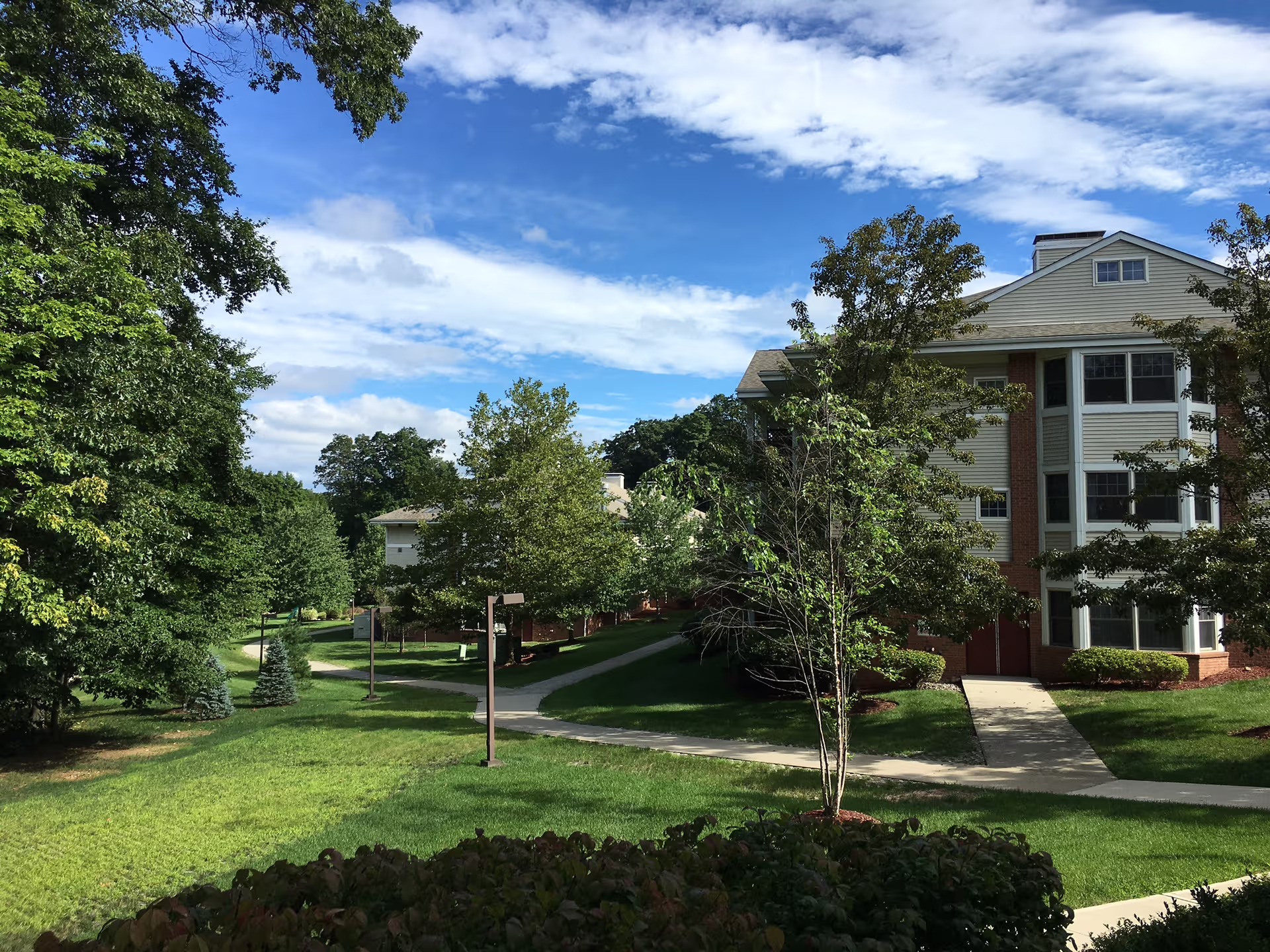
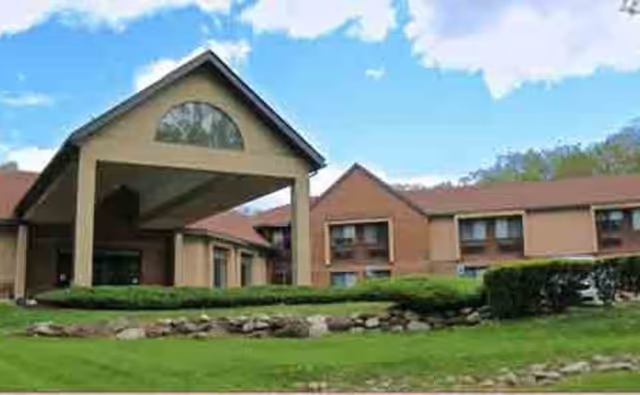
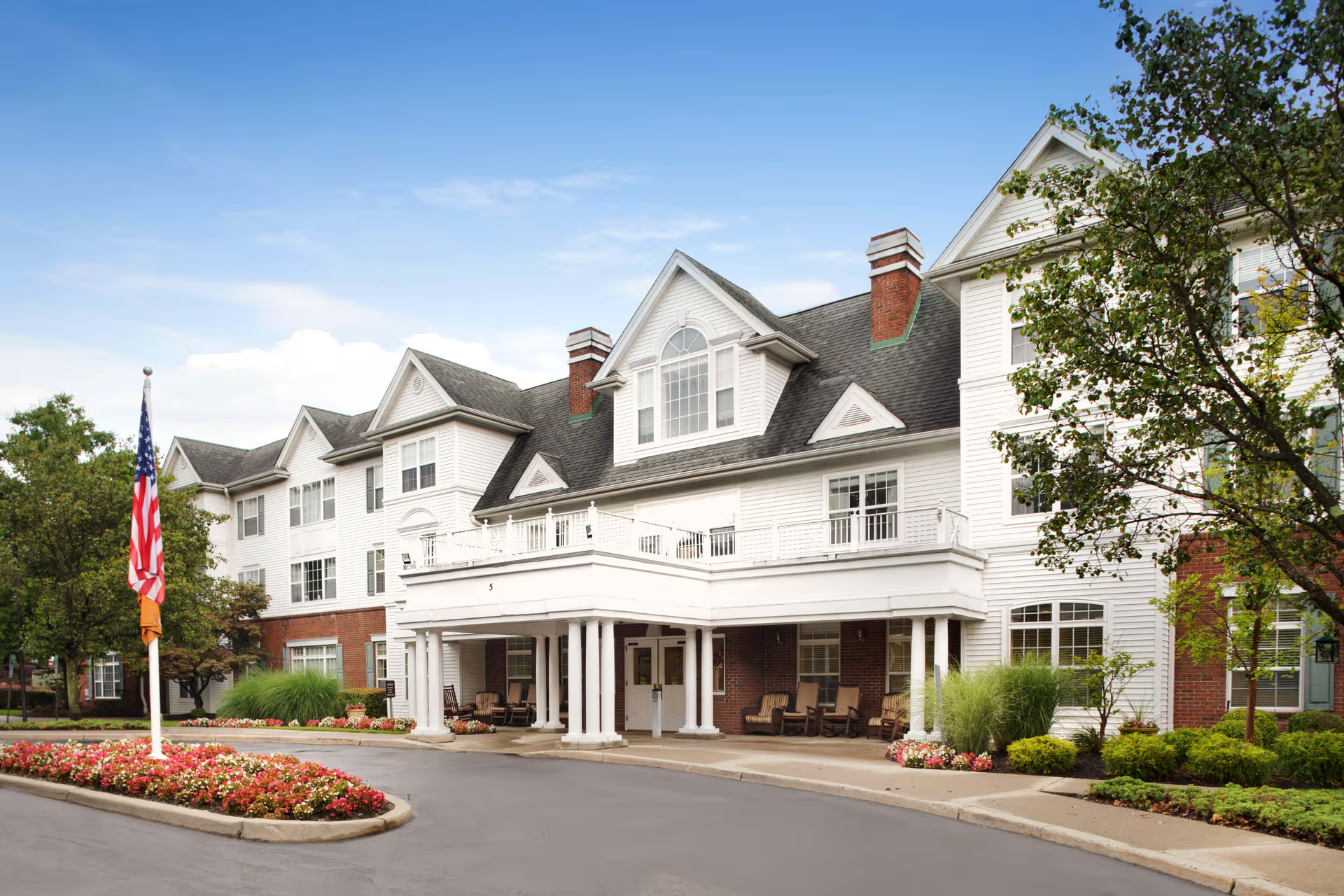
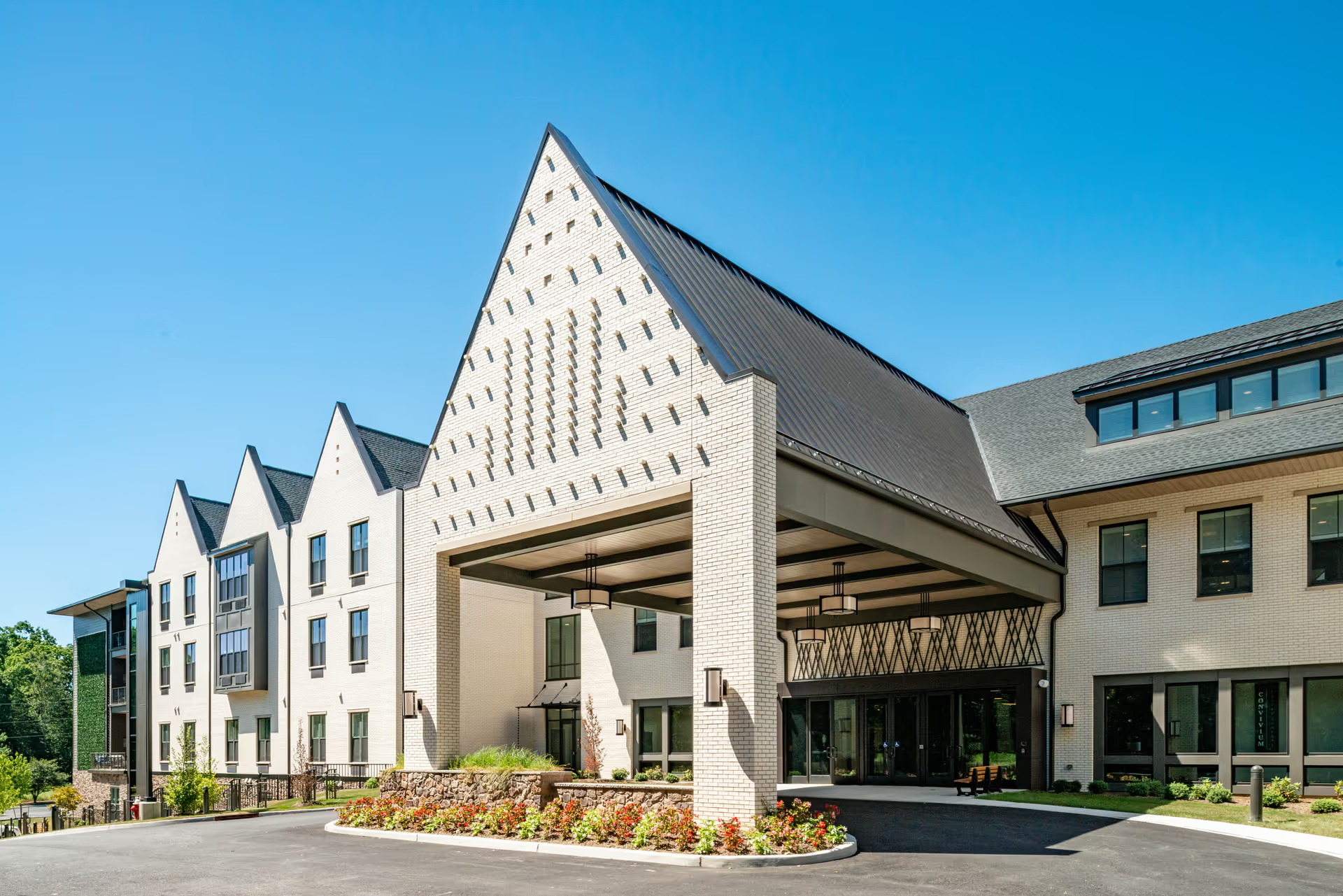
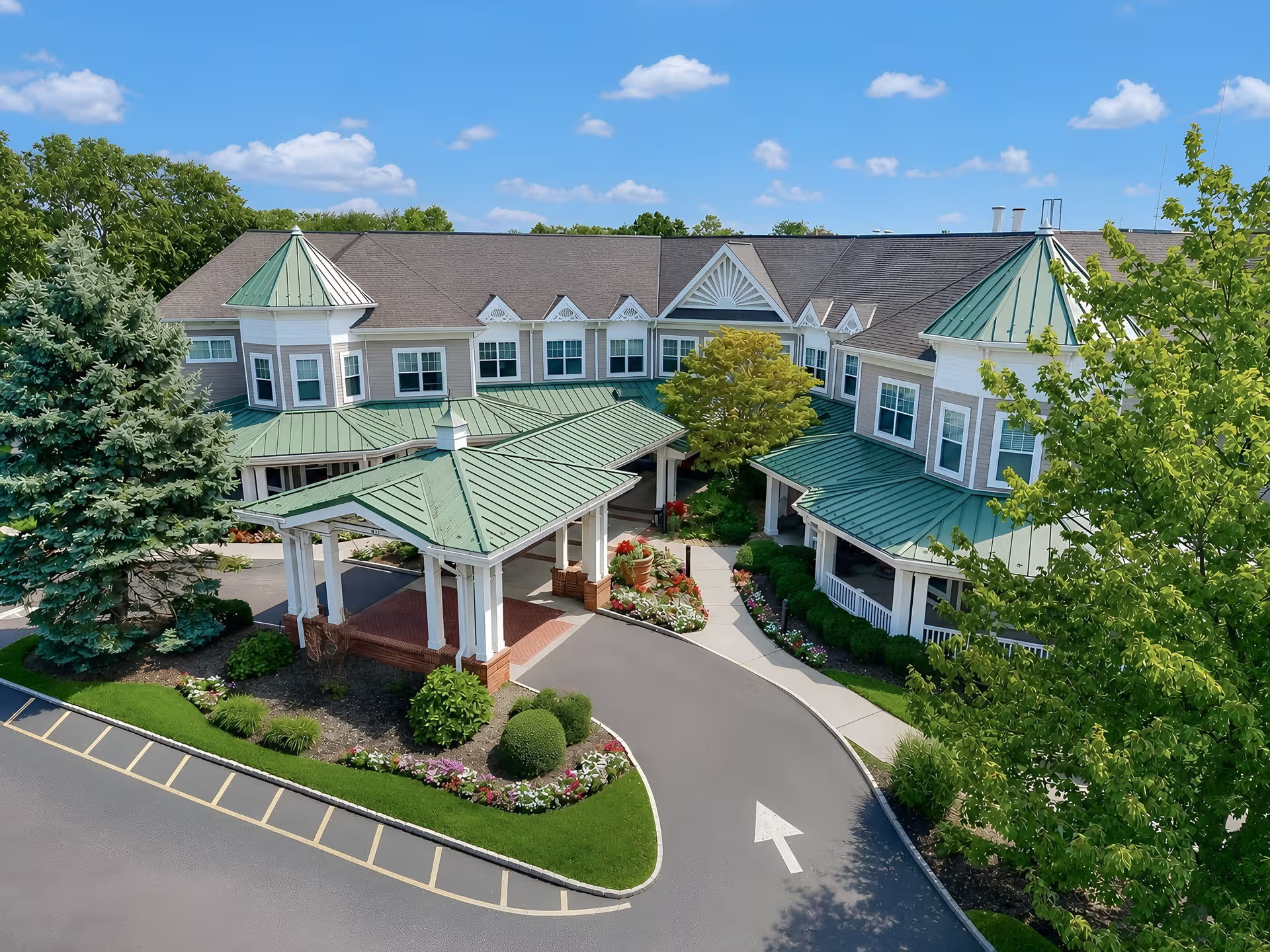
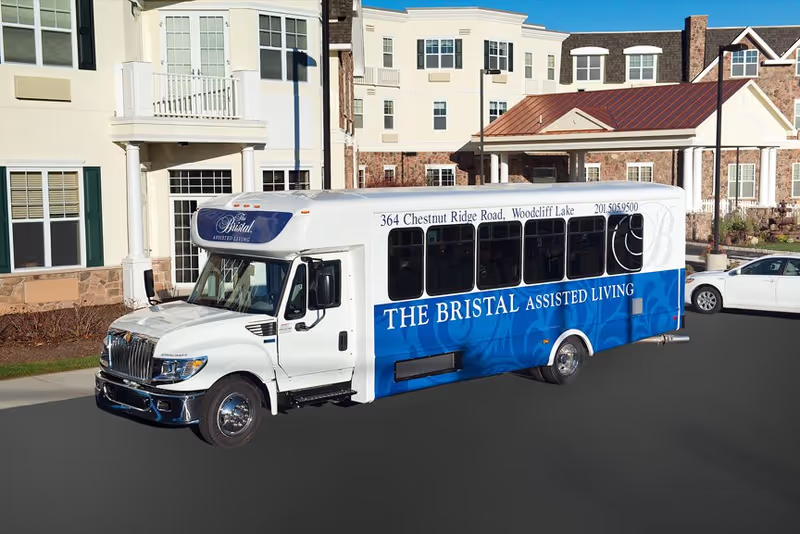
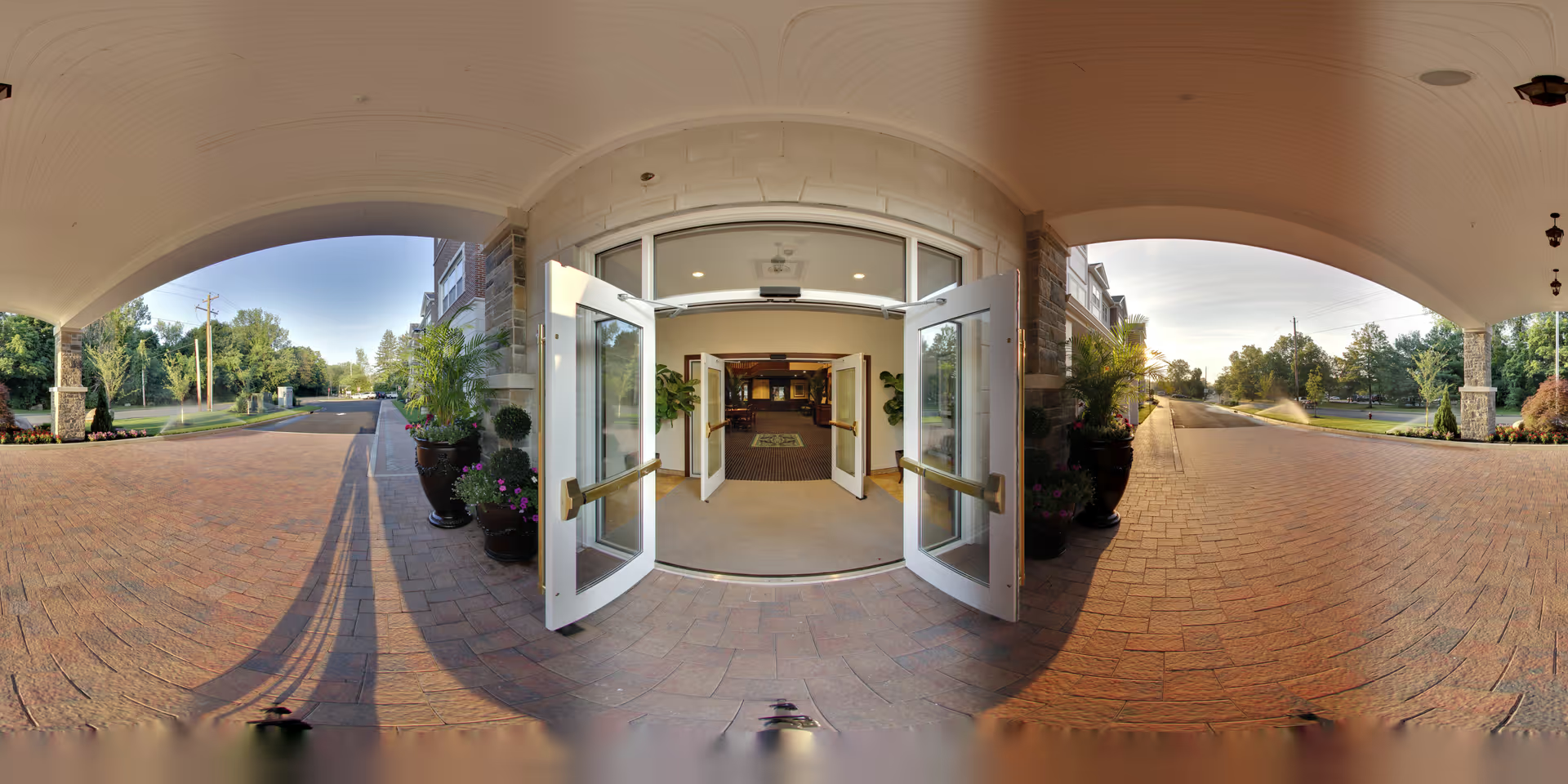
Overall impression: Reviews present a mixed but clear pattern. Many families praise the facility’s physical environment, welcoming atmosphere, and the everyday delivery of care — describing a bright, well-maintained community with a homelike feel. Staff are frequently characterized as warm, attentive, and responsive; several reviewers specifically noted fast call-response times, smooth move-in transitions, and case coordination that reduced family stress. Dining and programming are also strengths: meals are described as tasty and nutritious, medication management is reliable, and activities are engaging and plentiful.
Care quality and staff interactions: Positive accounts emphasize compassionate, professional staff and effective medication and safety practices. At the same time, there are recurring operational concerns that prospective families should evaluate. Some reviewers raised issues about inconsistent staff conduct and the tone of clinical interactions, including isolated reports involving nursing leadership. A pattern of weak follow-up and communication was mentioned, which can affect families’ confidence in day-to-day oversight and clinical coordination.
Memory care and clinical processes: Several comments point to gaps around memory-care delivery and placement processes. Concerns include inconsistent dementia-care protocols or staff training, resistance or delays in moving residents to appropriate memory-care levels, and inaccurate or delayed assessments of required care level. Related operational weaknesses include late collection of social-history/intake information and gaps in clinical escalation or continuity of care, which in a few cases contributed to transfers for higher levels of medical attention.
Management, operations, and financial perceptions: Management and many front-line staff receive positive notes for capability and helpfulness, and families often described a reassuring, supportive environment. However, a subset of reviewers perceived financial priorities influencing care decisions; this perception, whether isolated or broader, underscores the importance of clarifying billing, placement criteria, and individualized care planning during tours and contract discussions.
What to watch for / recommendations: Prospective residents and families should weigh the facility’s clear strengths in environment, meals, activities, and many staff relationships against operational trade-offs cited by others. Recommended questions at a visit include: how dementia-care protocols and staff training are maintained, how care-level assessments are performed and updated, the facility’s intake and social-history process, examples of clinical escalation pathways, and how financial/placement decisions are communicated. Doing so will help determine whether the facility’s strong day-to-day services align with a resident’s specific clinical and cognitive needs.