The Willows at Ramapo presents a mixed but actionable profile. Many families and residents praise the facility for its strong rehabilitation services, compassionate frontline staff, and a renovated, hotel-like environment. Physical, occupational, and speech therapy teams are frequently described as effective and outcome-oriented, and the activities and events program is consistently highlighted as engaging and well organized. Administrative touchpoints such as the concierge, designated communicators, and use of FaceTime/conference calls garnered repeated positive mention for keeping families informed and connected.
Care quality is a prominent theme with two clear strands: clinical rehabilitation and day-to-day personal care. Rehabilitation services are often cited as a strength, with measurable improvement in mobility, cognition, and independence for many residents. Nursing and therapy staff receive commendations for professionalism and compassion. At the same time, reviewers describe variability in bedside care: inconsistent staffing levels, slow response to call bells, and uneven personal-care handling. Medication reconciliation and timely administration at admission and during transitions emerged as an operational weakness in multiple accounts, and there are reports of limited physician presence on-site, which can affect prompt medical assessment and continuity.
Dining and activities are generally seen as positives but with variability. The kitchen and dining staff are noted to be accommodating and to provide varied menu choices; however, reviewers also describe instances of late, cold, or missing meal trays and other service interruptions. The activities department receives strong praise for themed events, social opportunities, and resident engagement — an important quality-of-life factor for long-stay residents and those in rehab.
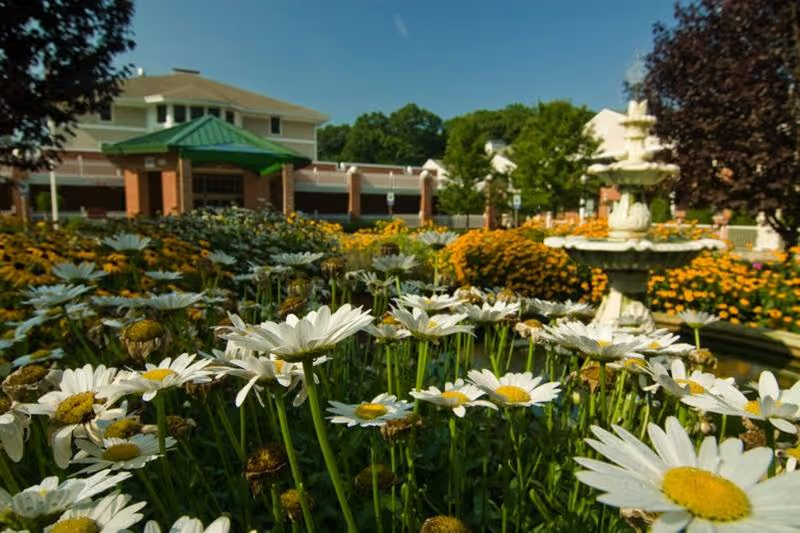
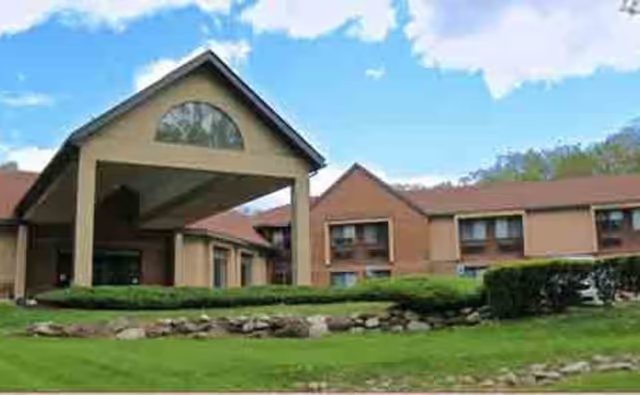
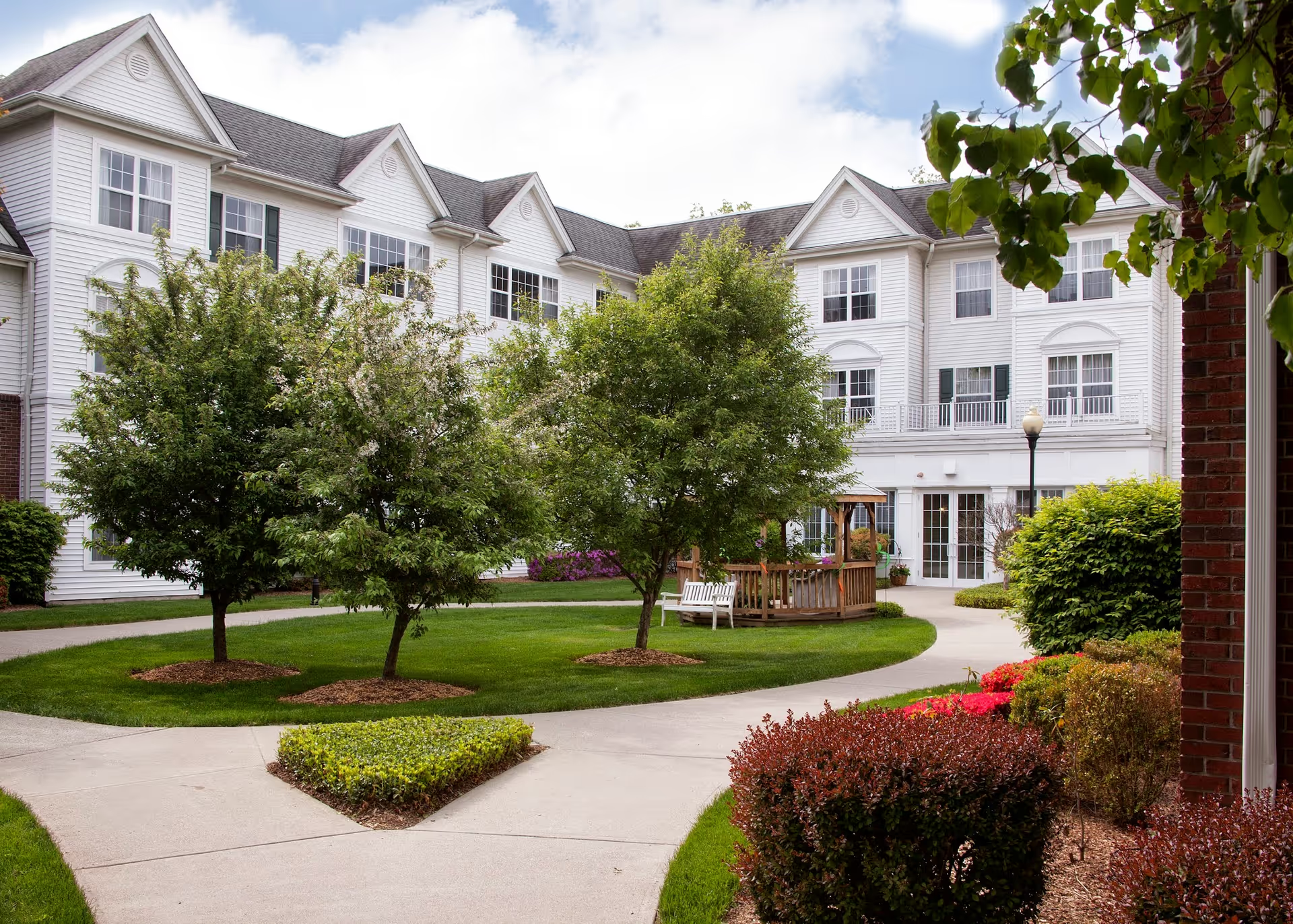
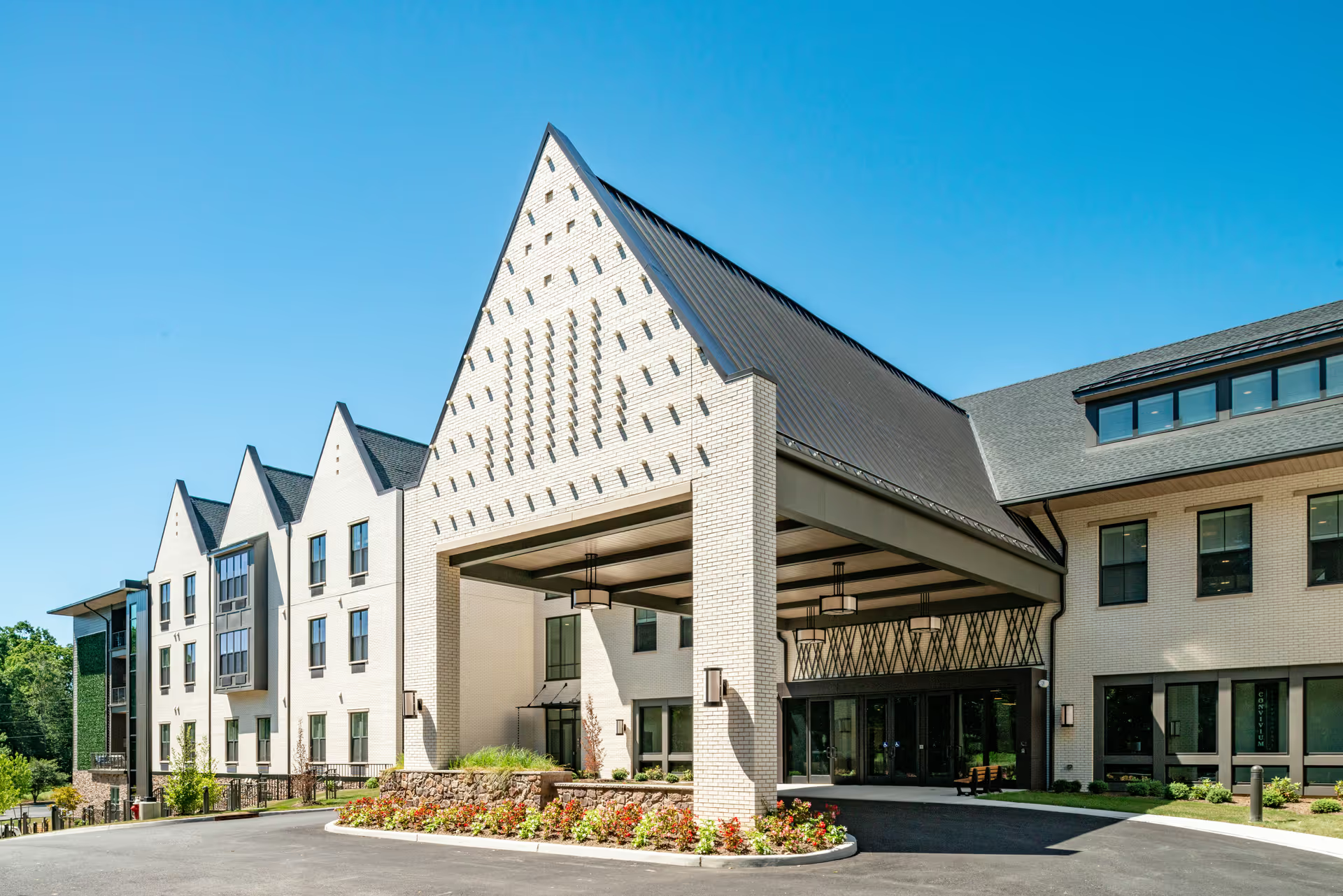
The physical facility and management record likewise contain contrasts. The campus, lobby and therapy gym are frequently described as clean, updated, and attractive; the grounds and common areas are seen as pleasant. Conversely, there are intermittent maintenance and environmental issues cited (temperature control, construction dust, and isolated pest-control or odor concerns). Front-desk and admissions experiences vary: some families found the reception and concierge exceptionally helpful, while others encountered unhelpful or inconsistent admissions interactions. The facility’s COVID-era communication and remote-visit tools were praised by many, though some families raised concerns about visitation policy flexibility and timely notification of policy changes.
A limited number of serious allegations, including concerns following a resident’s death and formal complaints, appear in the record; these items stand apart from routine operational criticisms and suggest the importance of careful review during decision-making. Overall, this collection of reviews points to a facility with substantial strengths in rehabilitation, therapy, activities, and select administrative supports, coupled with recurring operational gaps: staffing consistency, medication and clinical continuity, timely bedside assistance, and some service/maintenance reliability issues.
For prospective residents and families: arrange an in-person tour, ask specifically about current staffing ratios across shifts, medication reconciliation processes at admission and transfer, on-site physician coverage, call-bell response times, meal-delivery procedures, laundry/property handling protocols, and how the facility manages visitation and therapy continuity during infection-control events. These operational clarifications will help assess whether the facility’s strong clinical and social resources align with the specific needs and risk profile of the prospective resident.