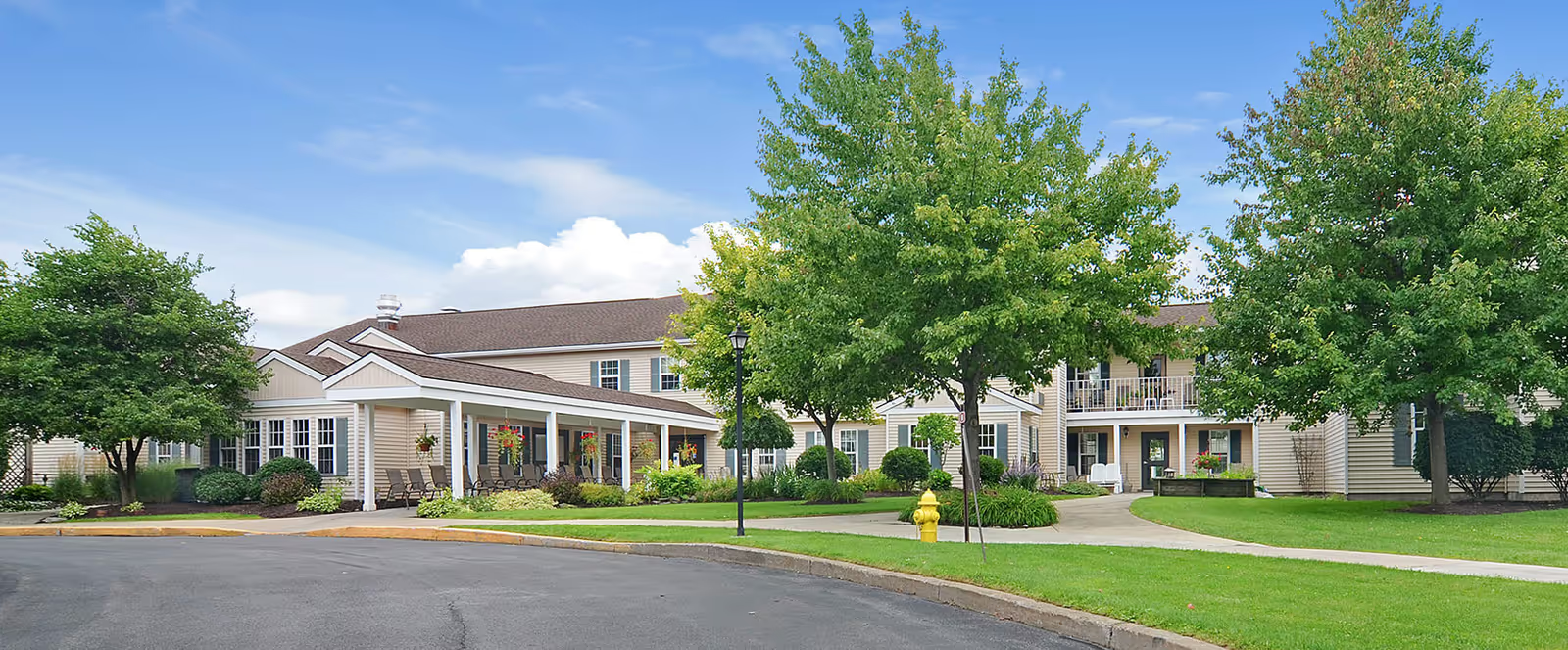
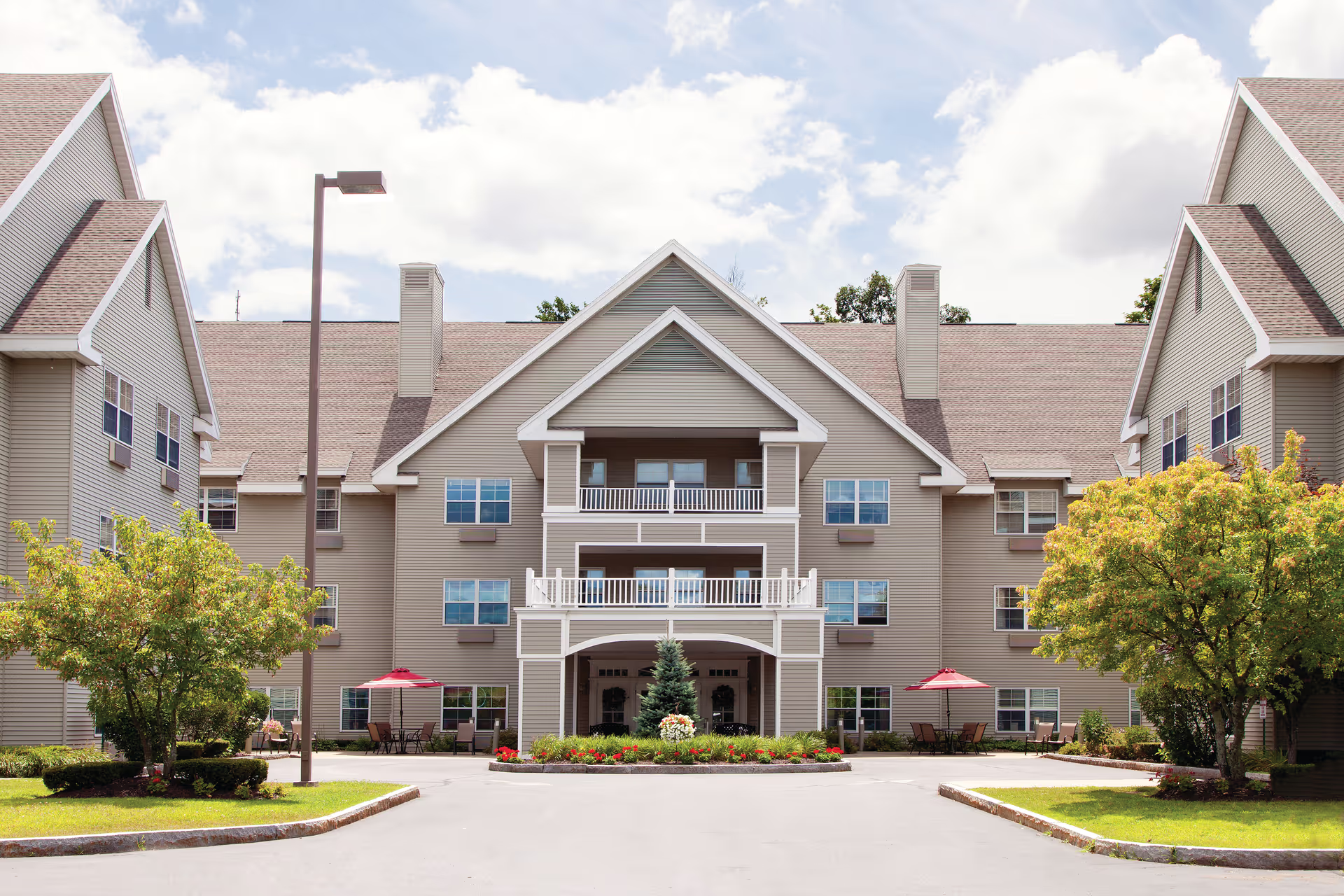
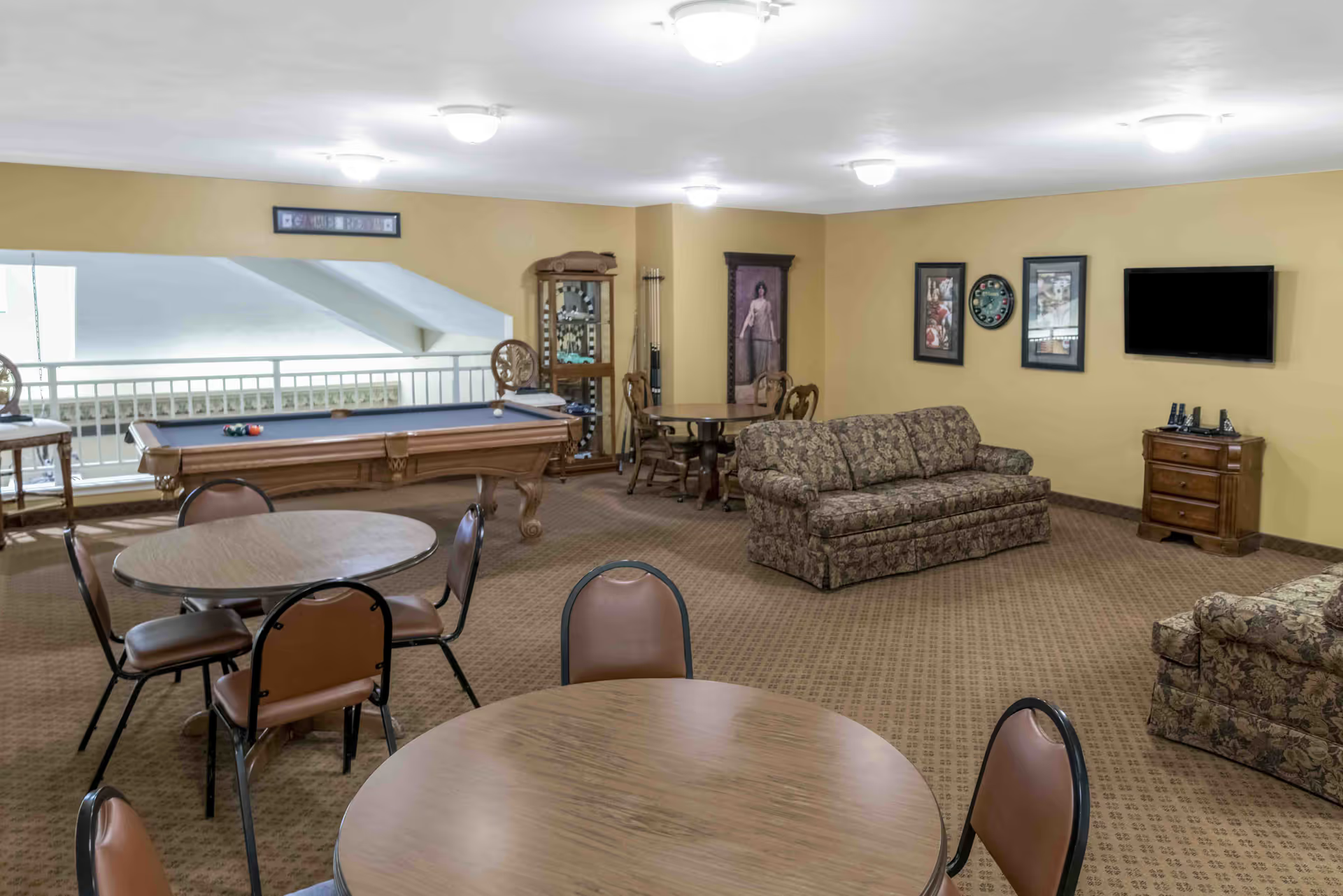
Reviews of Bishop Nursing and Rehabilitation Center present a mixed picture with clear strengths alongside recurring operational weaknesses. Families and visitors frequently praise a core of attentive clinical staff — including CNAs, nurses, and therapists — and note strong physical and occupational therapy services that contribute to measurable rehab progress. Reception staff, several named nurses and aides, and certain unit managers receive repeated positive mention for their compassion, professionalism, and proactive communication. The facility also offers visible amenities that reviewers appreciate: organized activities and frequent community outings, well-kept outdoor gardens and sunlit common areas, onsite specialty services such as dialysis, and open dining/cafeteria access that some residents enjoy.
At the same time, multiple thematic concerns recur across reviews and appear to reflect systemic operational challenges. Staffing inconsistency and turnover are the most common issues: reviewers describe thin coverage, especially overnight and on some shifts, which correlates with delayed responses to call bells, missed or late treatments, and inconsistent assistance with mobility and personal care. Related to staffing are equipment and supply gaps (for example, lift availability and cleaning supplies), which families link to care delays and procedural shortcuts. Communication breakdowns are another frequent pattern — families report poor notification around transfers and treatment changes, difficulty reaching clinical staff by phone, and delays in admission and discharge coordination.
Clinical-safety themes also emerge. Several reviewers identify problems with medication timing and documentation, and some describe infection-control and sanitation issues that merit scrutiny; there are also repeated references to pest-control concerns and to inconsistent laundry and personal-belongings management. These operational weaknesses have, in a subset of accounts, contributed to significant family distress and have prompted regulatory attention in certain instances. A small number of reviews allege serious staff-conduct concerns and describe outcomes that led families to file grievances or escalate to authorities; these accounts heighten the importance of verifying the facility’s current corrective actions and regulatory status.
Dining and activities show variability. Many residents and families praise the activities calendar, transportation, and the availability of outings and events, while meal quality and service consistency are frequent points of dissatisfaction — complaints include cold meals, small portions at times, and uneven food quality across shifts. Facility condition assessments are also mixed: some areas and units are described as clean, bright, and well-maintained, whereas other reports note maintenance backlogs, aging infrastructure, and specific sanitation concerns.
For prospective residents and families: there are clearly dedicated, skilled staff and effective therapy services at Bishop, and many residents have positive experiences. However, the pattern of operational weaknesses reported by multiple families — especially inconsistent staffing, communication failures, sanitation and pest-control concerns, and lapses in belongings management — suggests due diligence is warranted. Recommended steps before placement include: an in-person tour focused on staffing levels and shift coverage, inquiry about call-button reliability and Hoyer/lift availability, review of infection-control and pest-management records, clarification of laundry and inventory procedures, and asking for current information about any regulatory actions and how identified issues have been corrected. Regular visitation and proactive communication with unit managers may help families monitor care quality if a placement is made.