The reviews describe a facility with a marked polarization of experience: some families and patients praised strong rehabilitation services and individual caregivers, while others described persistent operational shortfalls. Physical and occupational therapy staff are repeatedly identified as a strength; several reviews note frequent, intensive PT/OT and good functional outcomes. Equally, many families reported nurses and CNAs who were compassionate and attentive, particularly on specific floors or shifts. These positive experiences coexist with accounts of inconsistent care quality, creating a mixed overall picture.
Staffing and direct care are the most frequently cited areas of concern. Many reviewers described long delays responding to call bells, unmet toileting or repositioning needs, and what they perceived as understaffed shifts. These patterns are associated in reviewers' accounts with falls, missed or delayed medication doses, and missed monitoring tasks. Conversely, some units were characterized by long-tenured staff and proactive communication, indicating that staffing levels and staff competence vary by unit and shift.
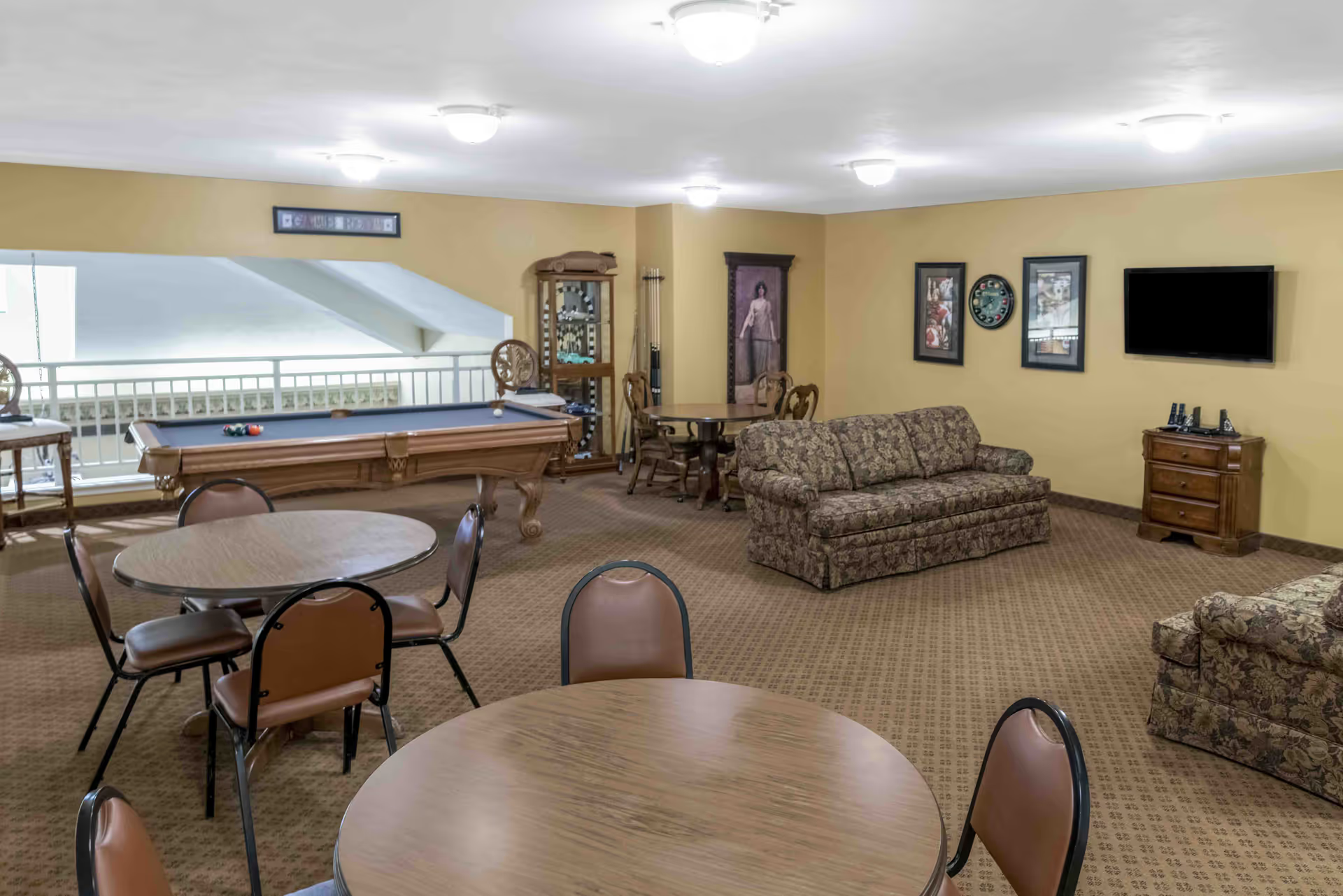
Dining and daily services present another uneven area. Multiple accounts describe late or cold meal delivery, limited menu choices (notably poor breakfast options and constrained alternatives for special diets), and inconsistent handling of meal preferences. At the same time, some residents enjoyed meals and communal dining when service was functioning well. Activities and amenities are a relative strength: the facility offers organized programs, an entertainment room, a pool, and religious services, and some reviewers praised engaging recreation and social opportunities.
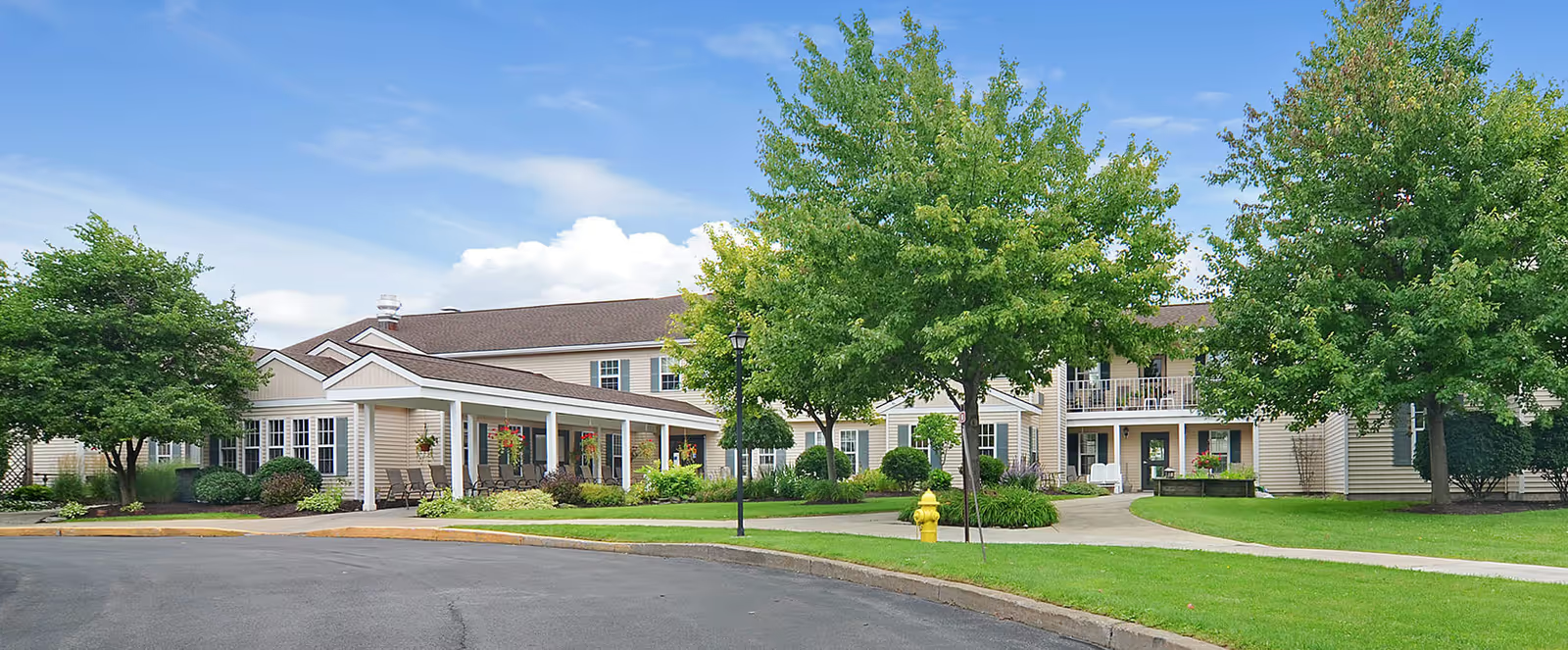
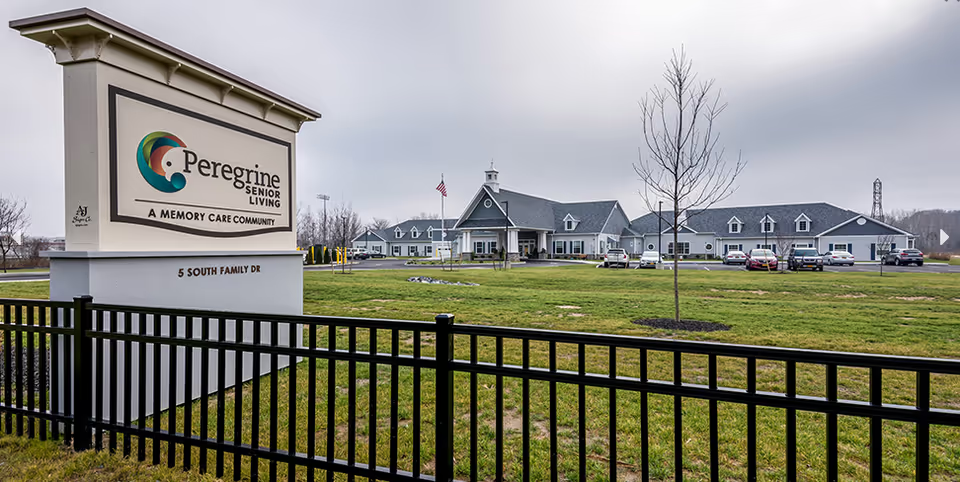
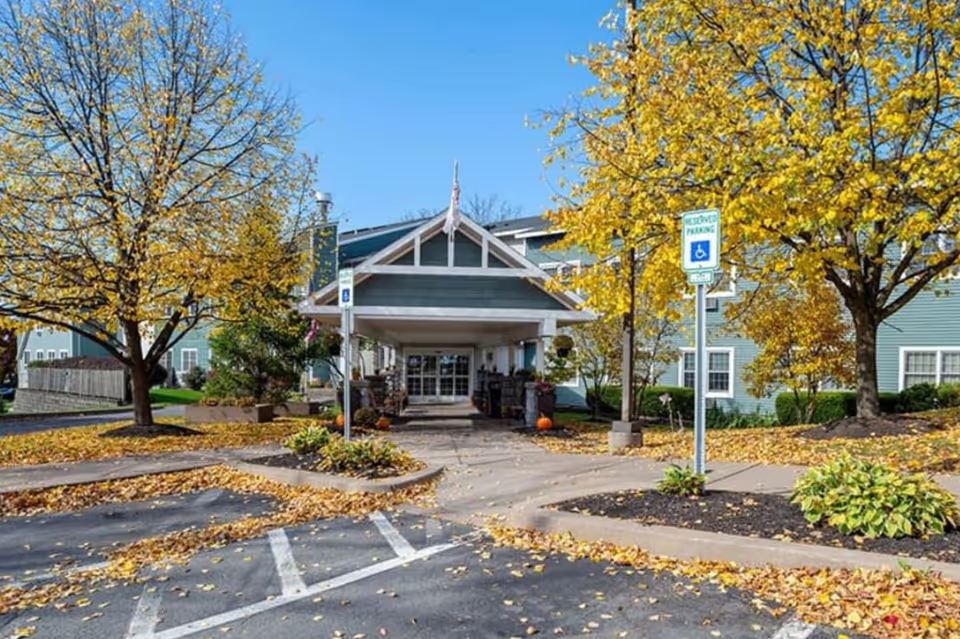
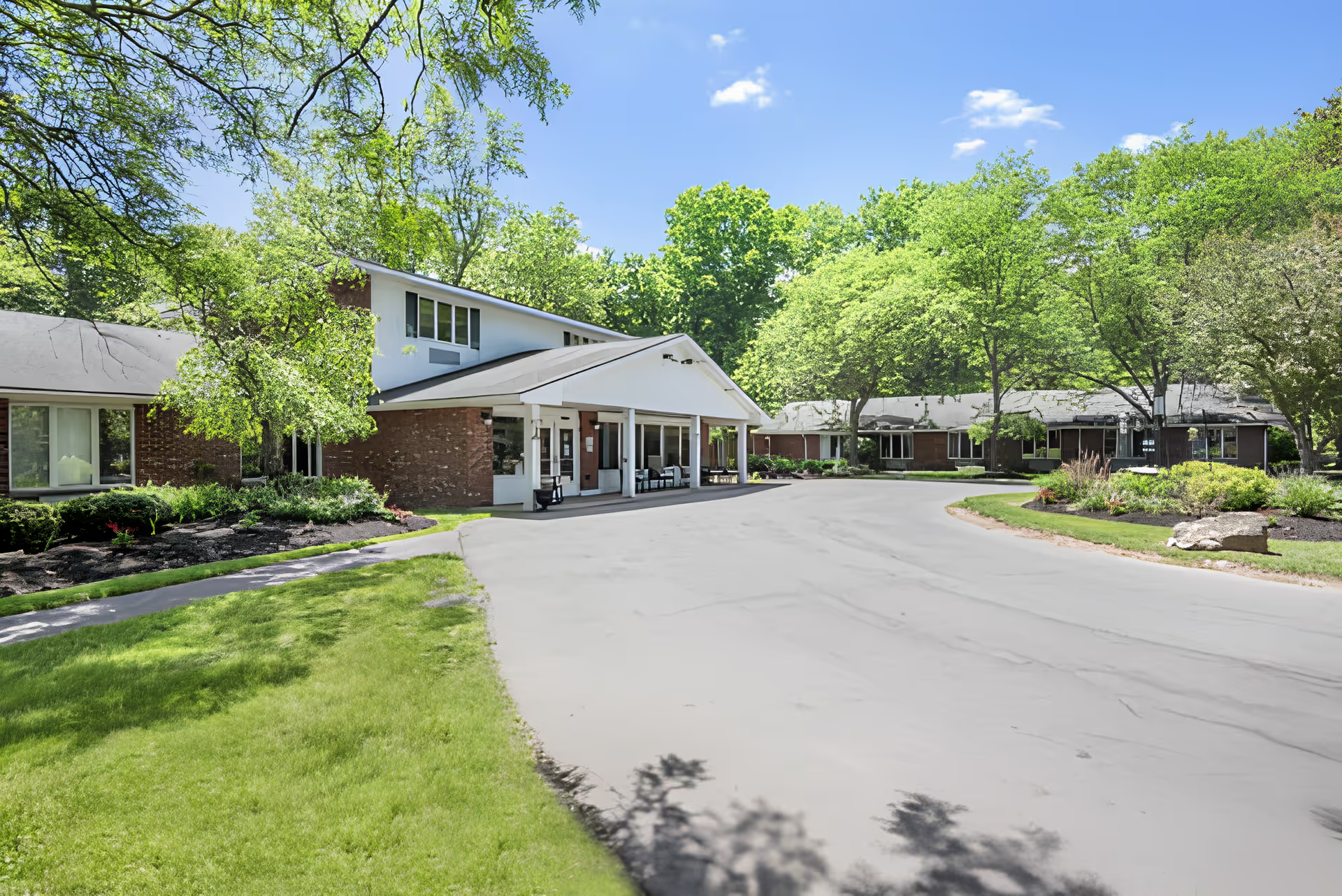
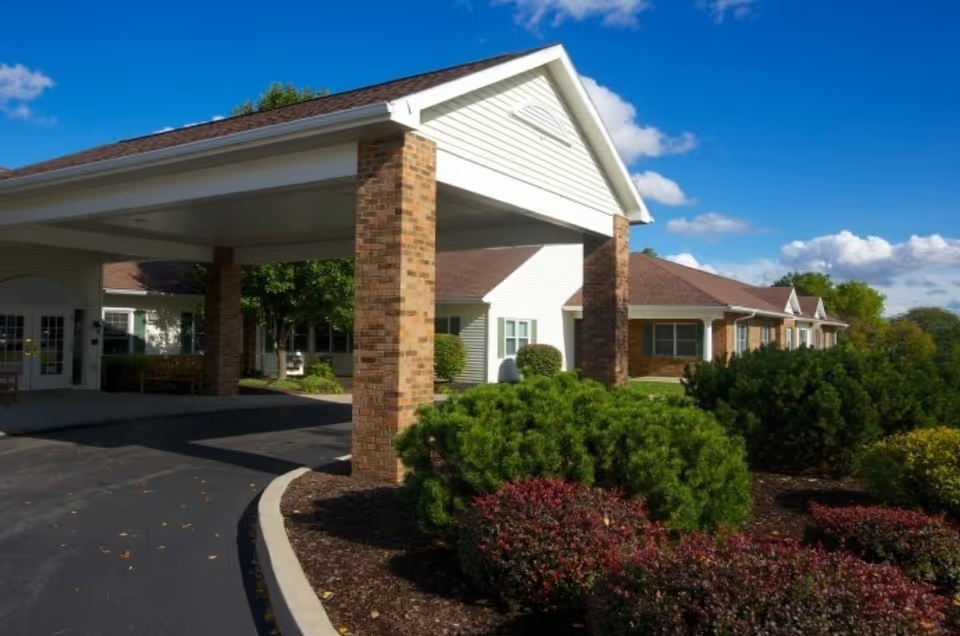
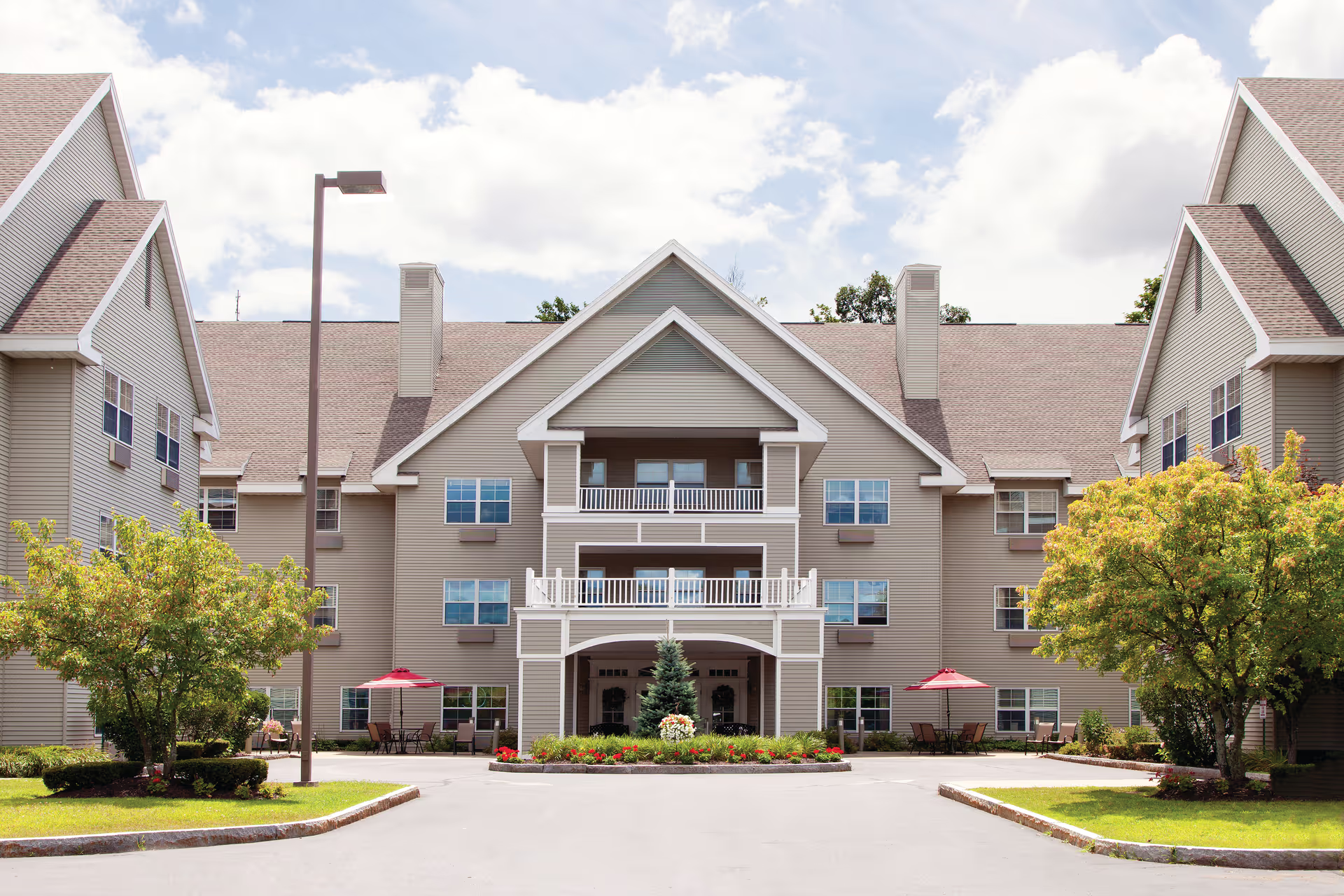
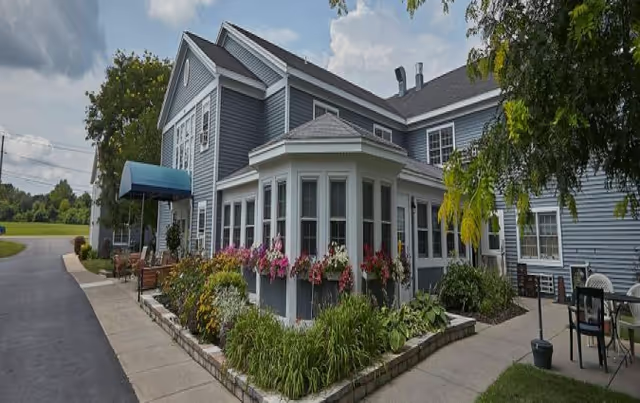
Facility condition and sanitation are described inconsistently across reports. Several reviewers praised a welcoming entrance, hotel-like lobby, and well-kept common areas, while others described maintenance deficits—broken bed controls, nonfunctional call buttons, cluttered hallways, and sanitation issues including inconsistent incontinence care and odor concerns. Safety-related operational gaps are also noted: inadequate assistive rails or equipment at the bedside, delays in attending to high-risk residents, and variable transfer and supervision practices.
Management, communication, and administrative practices are additional themes. Families reported difficulties obtaining timely updates, billing disputes, and inconsistent discharge planning; a subset of reviewers described adversarial interactions with administrative staff. There are also mentions of regulatory involvement and escalation to ombudsmen in individual cases, and at least one account using the term "allegation" regarding administrative actions. These issues suggest variability in how concerns are addressed and escalated.
Overall, the pattern is one of pronounced variability: the facility appears capable of delivering high-quality rehabilitation and compassionate care on specific units or shifts, but systemic weaknesses—most notably staffing shortfalls, inconsistent nursing practices, meal-service continuity problems, sanitation and maintenance issues, and uneven administrative communication—create risk for residents and stress for families. Prospective residents and their families should inquire specifically about unit-level staffing ratios, medication-administration checks, meal-service protocols for special diets, sanitation and incontinence-care processes, and the facility’s procedures for family communication and incident escalation. Visiting at different times of day and speaking directly with therapists, charge nurses, and the discharge planner can help identify where in the building the stronger and weaker patterns are most pronounced.