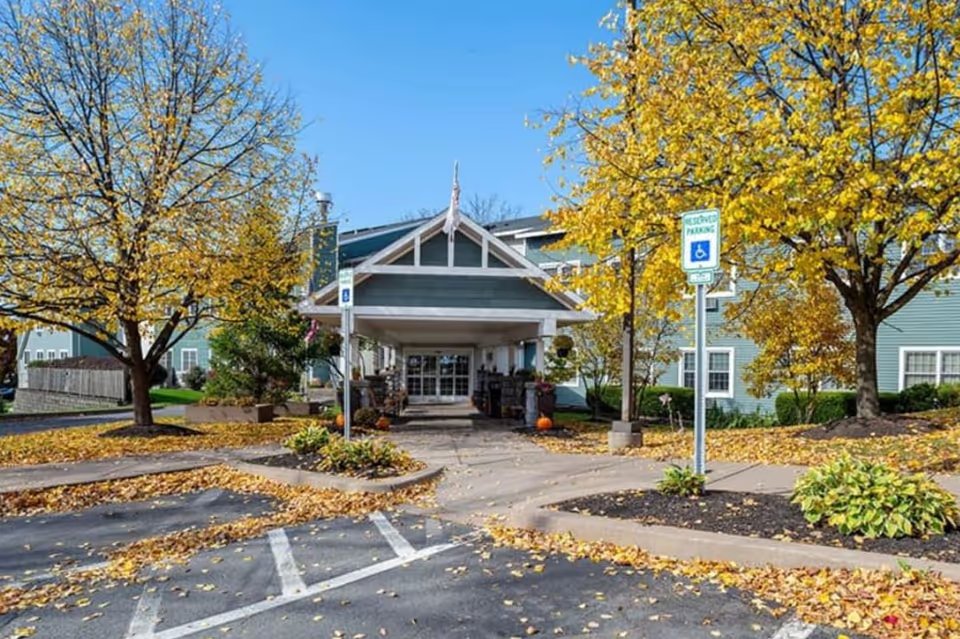
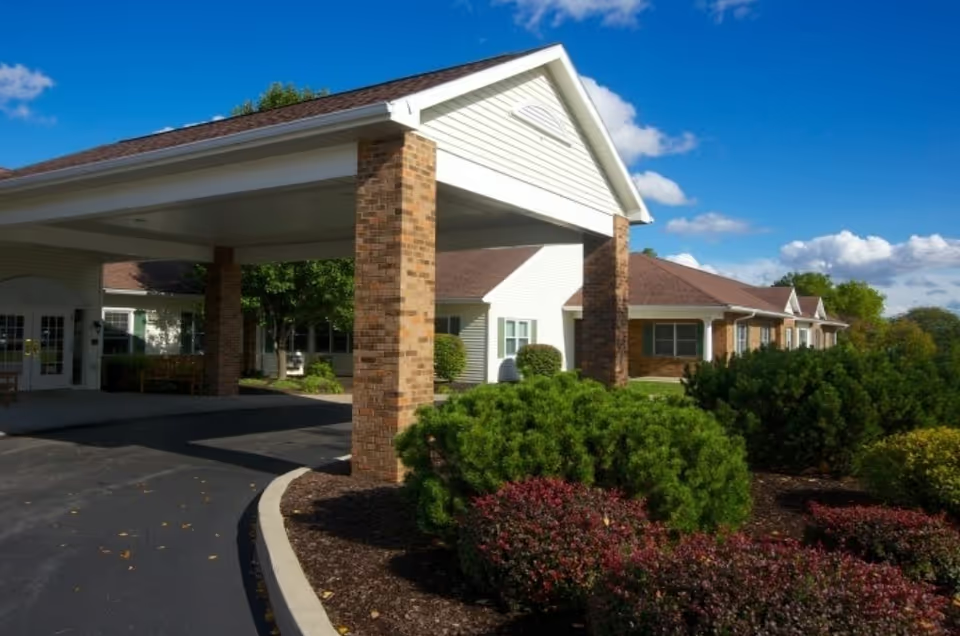
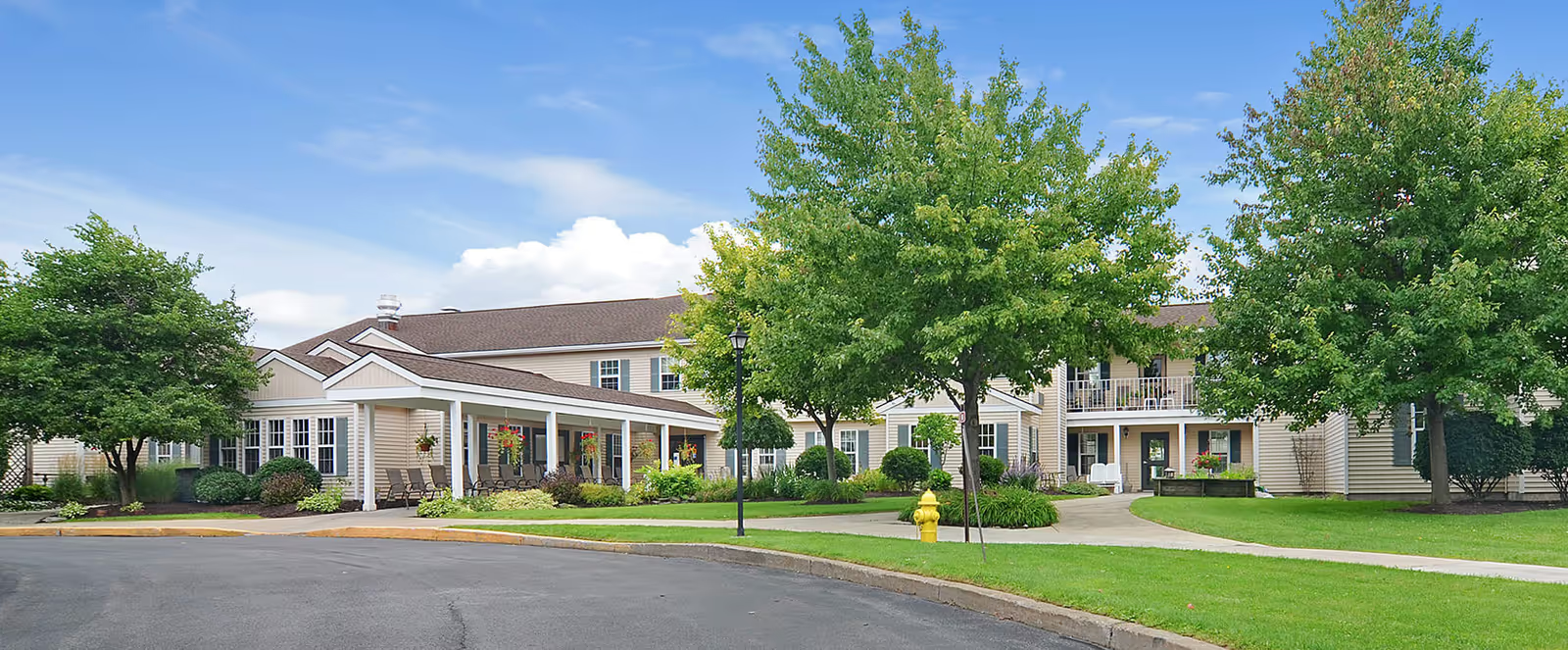
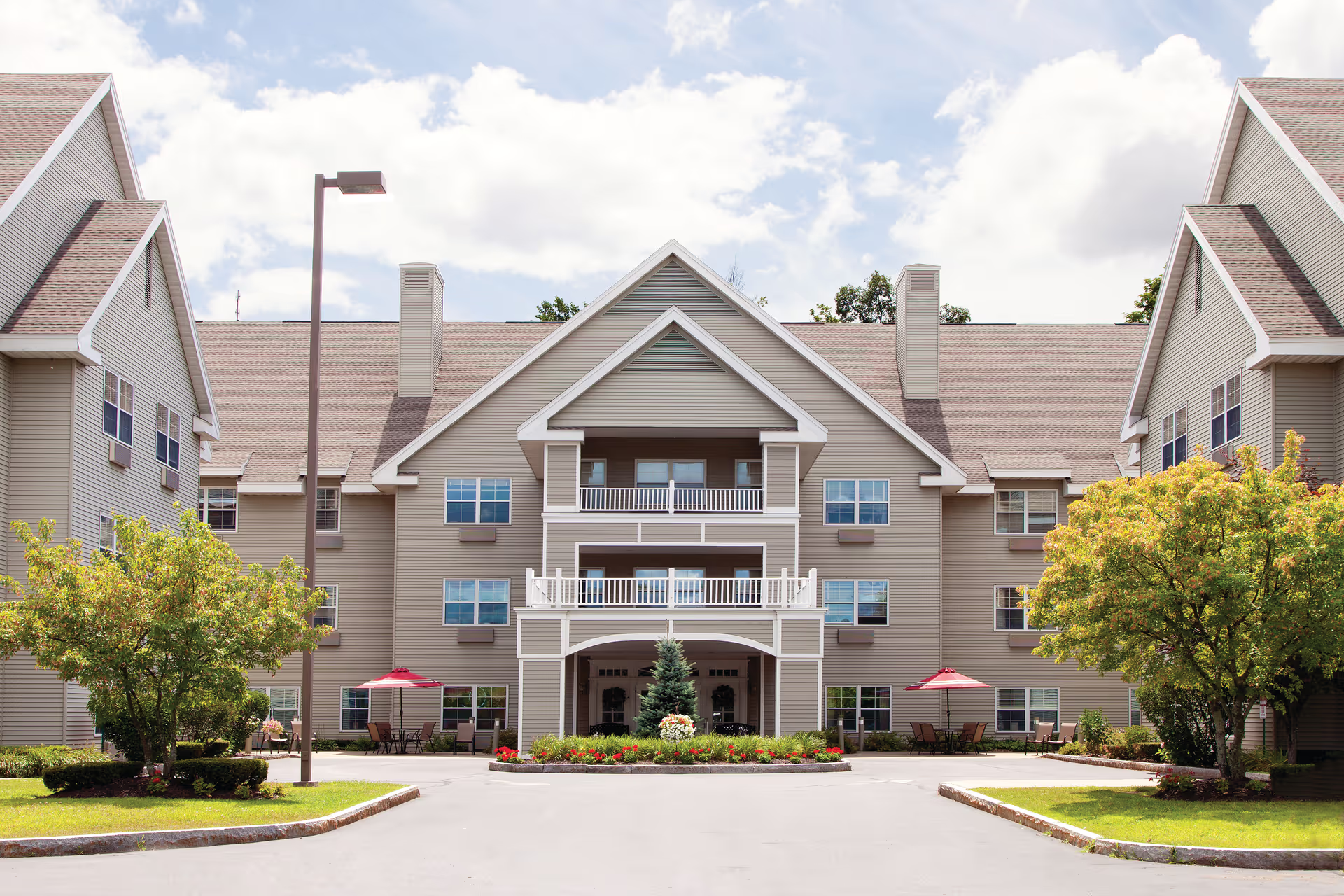
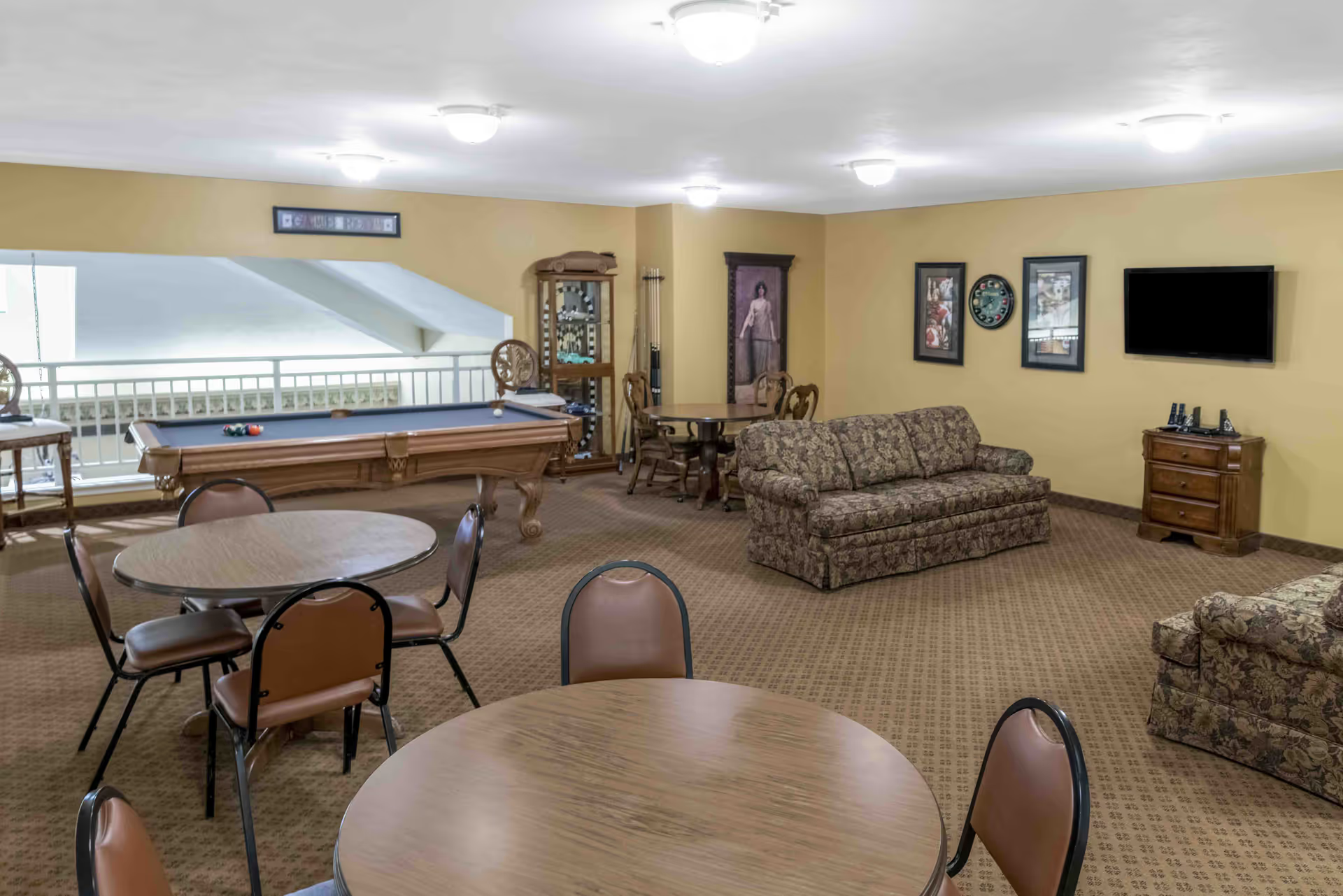
Reviews present a mixed picture of Sedgwick Heights, with clear strengths in staff commitment and community life but persistent operational issues that affect day-to-day resident experience. Many comments highlight compassionate, patient, and long-tenured caregivers, a welcoming entry, well-maintained public areas, and spacious rooms. The facility supports an enhanced assisted living option, has an active Residents Council, an on-site store, and a recreation program with weekly activities and plans for new programming — all factors that contribute to a home-like atmosphere and a sense of togetherness for residents.
Care quality appears uneven. Positive accounts emphasize hardworking caregivers and staff who know residents well; however, several operational patterns point to gaps in routine personal care. Examples include inconsistent assistance with dressing and bathing, missed or delayed showers, and broader incontinence-care concerns. These issues are frequently associated with staffing shortfalls, suggesting that available staffing levels or scheduling practices sometimes limit timely delivery of basic care.
Dining and nutrition are another area of variability. Reviewers note the presence of meal service but frequently describe inconsistent food quality and problems with food temperature control. Families and prospective residents should assess current dining operations directly, including sample meals and mealtime observations, to understand the present consistency of the kitchen and service staff.
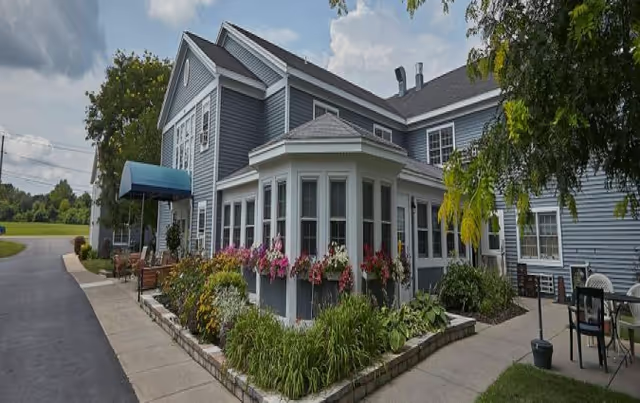
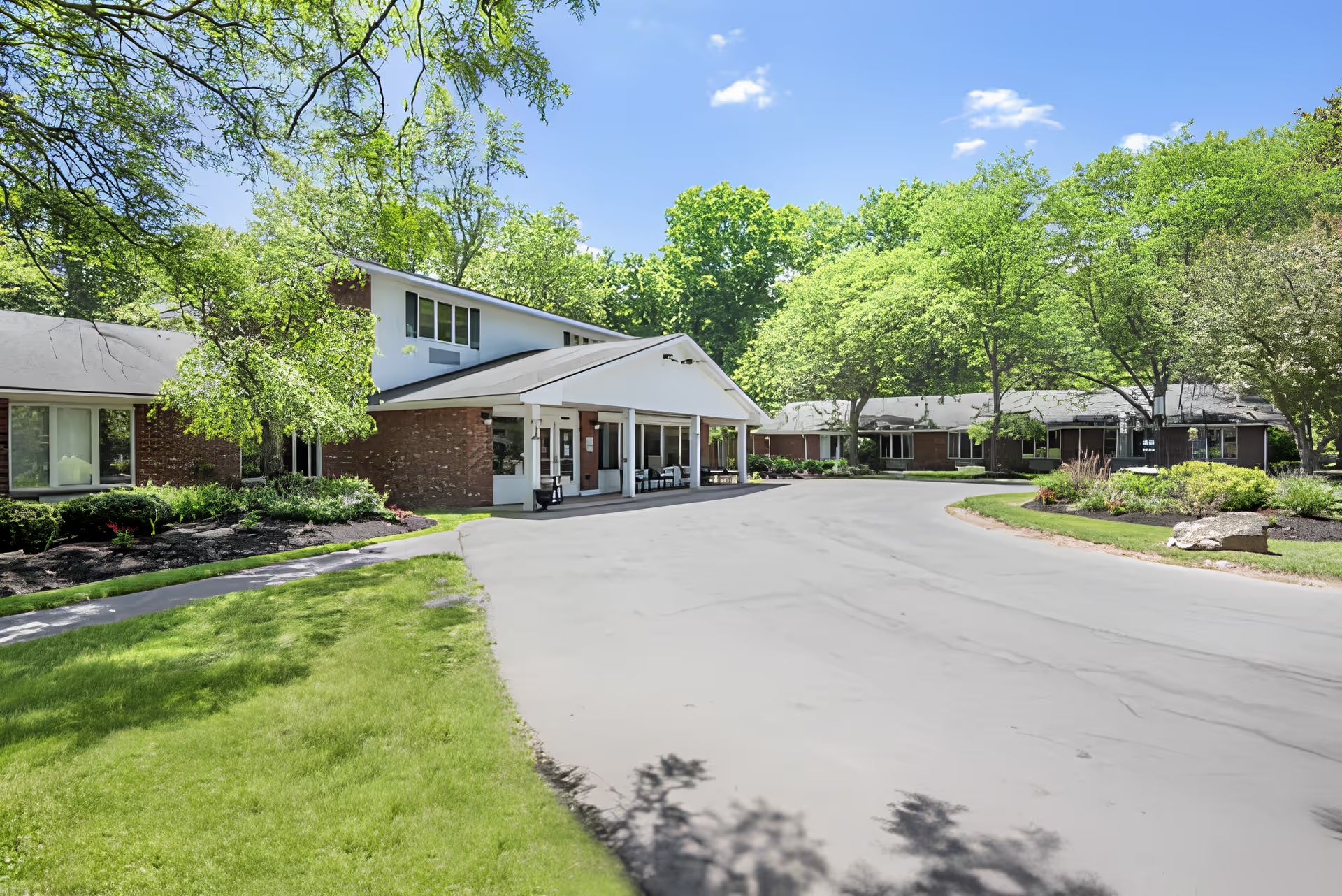
Facility condition and housekeeping are similarly mixed. There are reports of visible maintenance improvements and generally well-kept common spaces, but reviewers also describe sanitation concerns in specific areas, odor-control complaints in halls, and pest-control issues. The building’s older, somewhat institutional layout was cited as affecting the overall feel despite aesthetic improvements. Security and access-control processes were raised as an operational weakness, with instances suggesting the need for clearer protocols and staff training around resident room access and secured items.
Staff conduct and management responsiveness receive both praise and criticism. On the positive side, front-line employees are frequently characterized as friendly and committed. On the other hand, there are concerns about communication tone, occasional lapses in professional behavior, and a perception that family advocacy is necessary to ensure consistent attention. Infection-control policies implemented during public-health events have limited visitation and activities at times; prospective families should review current visitation practices and outbreak-response plans to understand flexibility and communication expectations.
Notable patterns across the feedback are the coexistence of a strong, resident-centered culture with recurring operational shortfalls. The facility's strengths in community-building and dedicated caregivers are meaningful, but persistent issues in housekeeping, personal-care timeliness, meal consistency, pest control, and security procedures warrant attention. Prospective residents and families should tour at different times of day, observe mealtimes and activities, ask about staffing levels and schedules, review housekeeping and pest-control protocols, and discuss how management communicates with families and addresses concerns. These steps will help determine whether the facility’s positive aspects align with individual care and safety priorities.