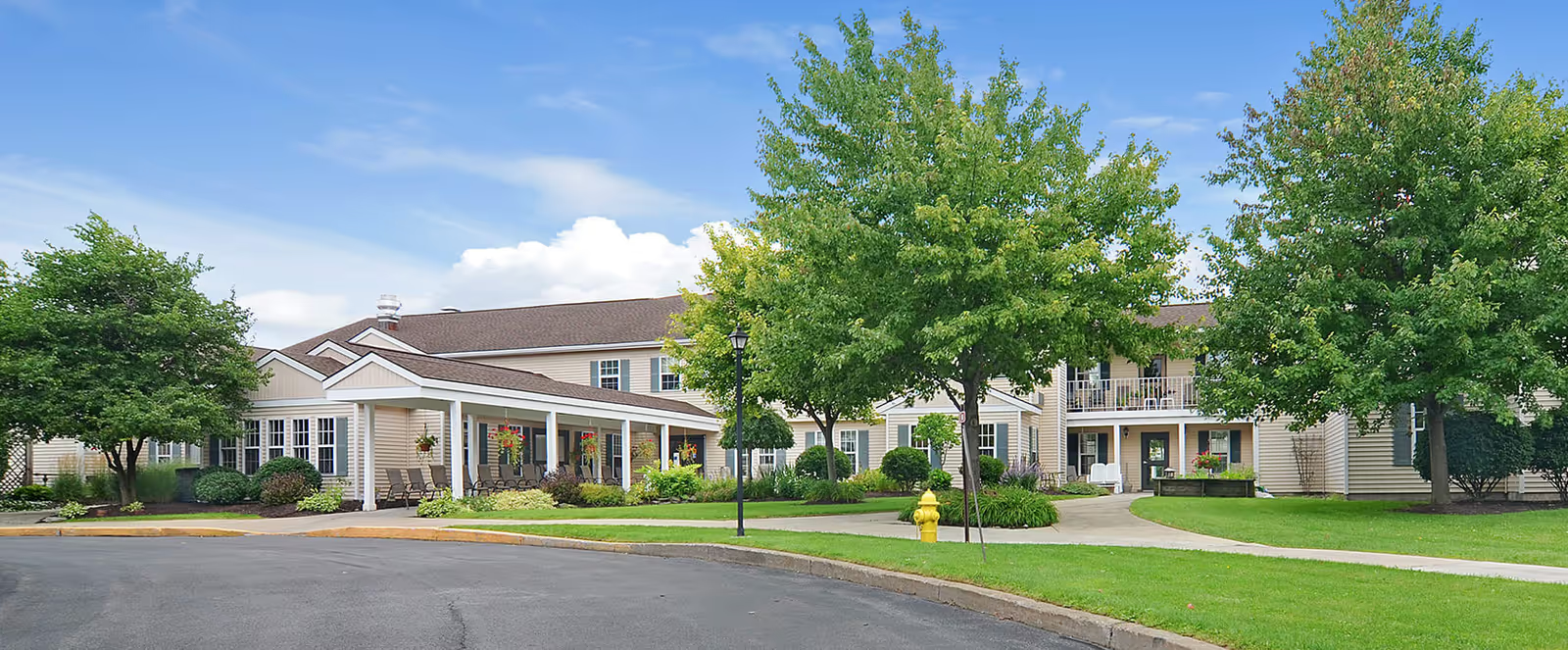
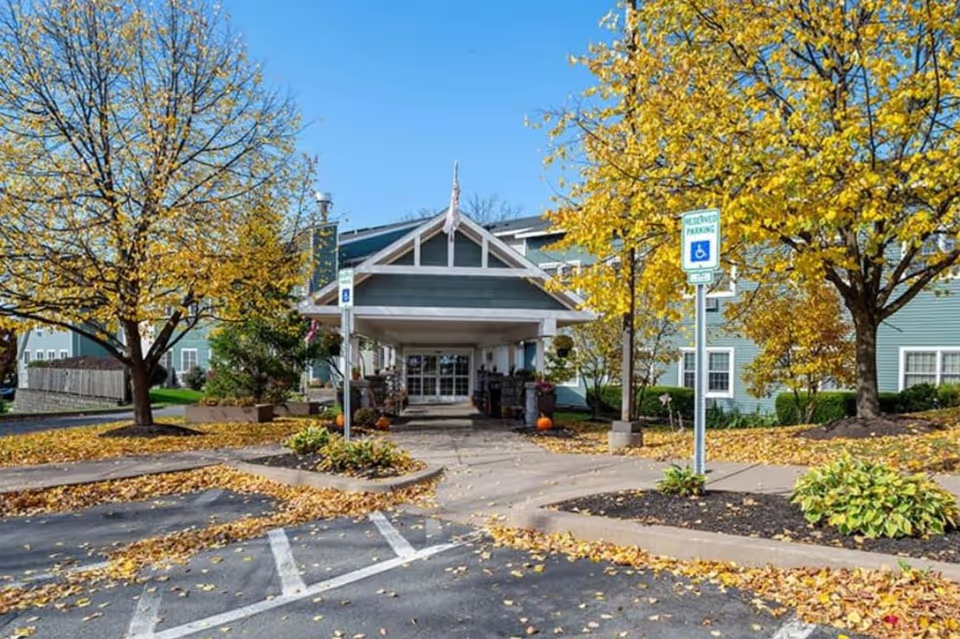
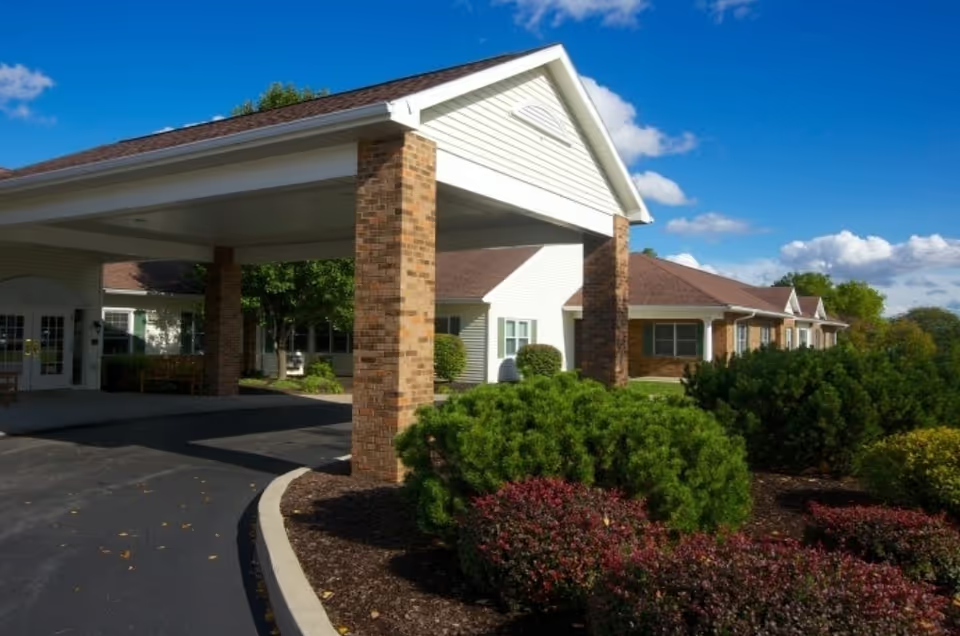
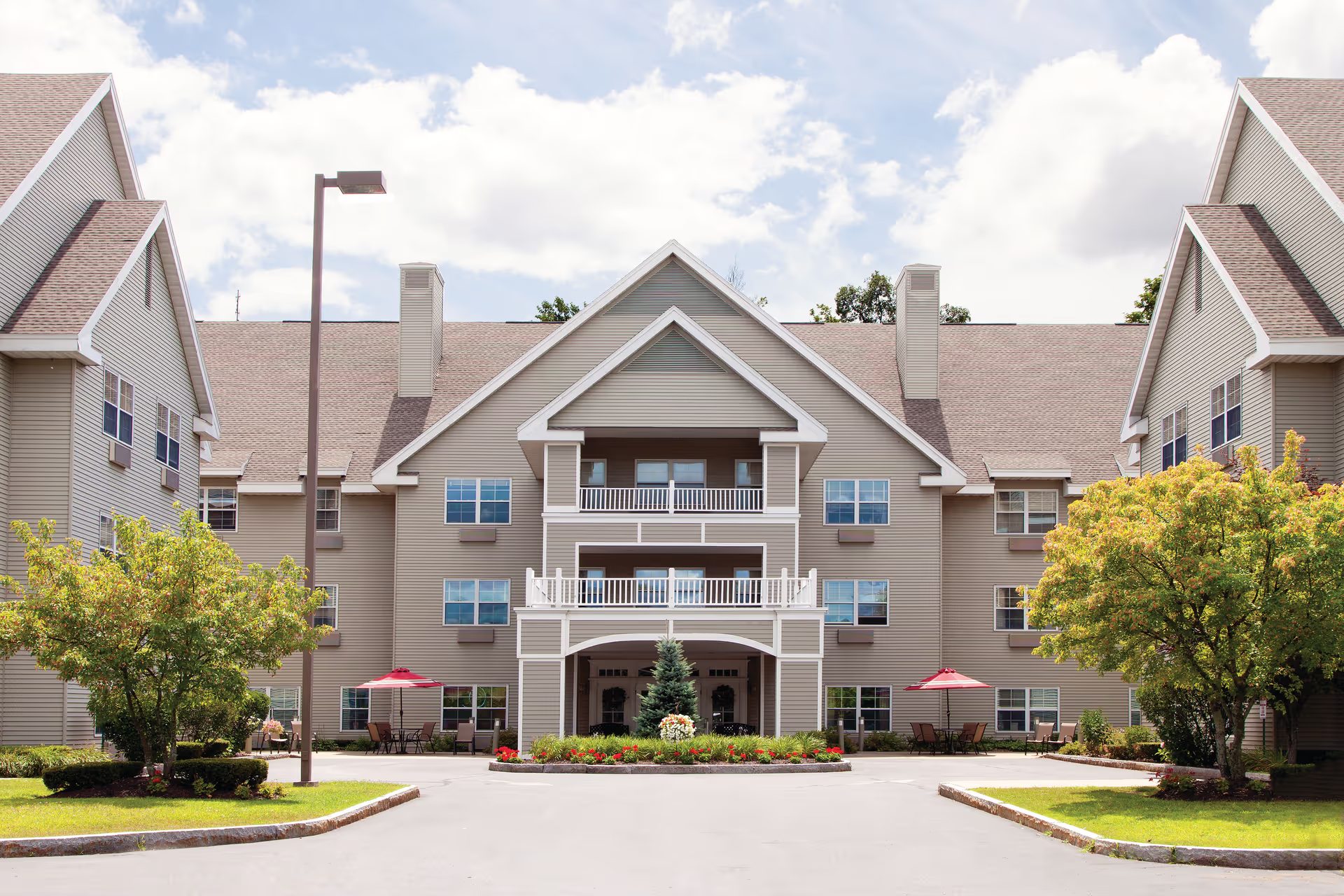
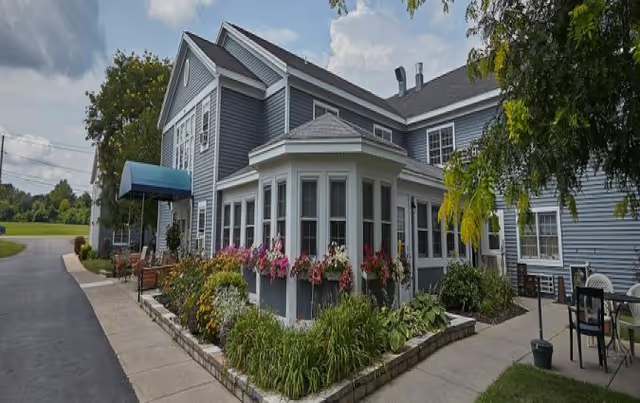
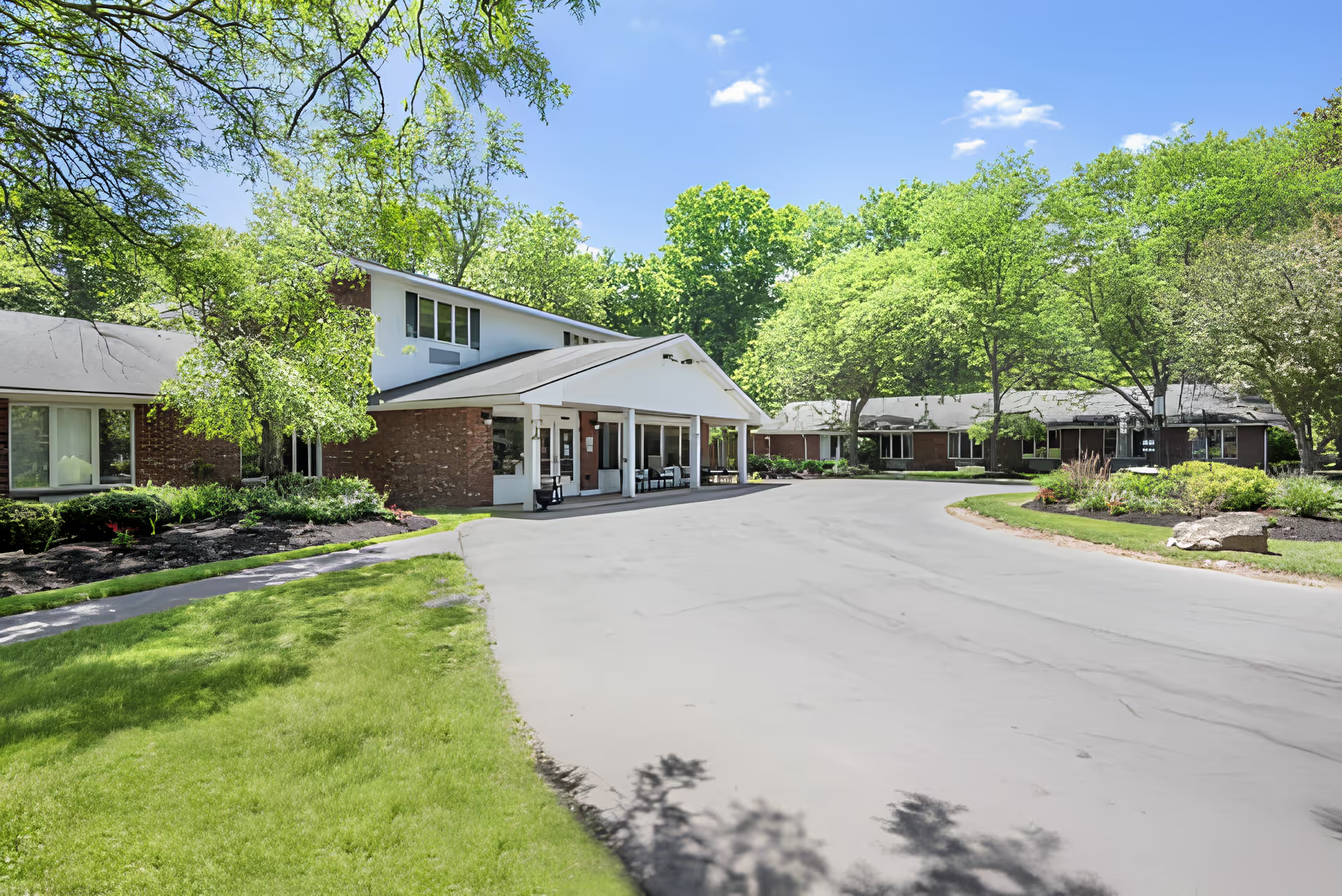
Reviewer feedback for St. Camillus is highly polarized, with distinct strengths reported alongside recurring operational concerns. Many families and residents highlight strong rehabilitation services — particularly physical and occupational therapy — and identify specific therapists and therapy teams as effective and encouraging. Direct-care staff are frequently praised for being compassionate and attentive, and a number of reviews describe warm, home-like common areas, well-kept grounds and gardens, accessible paths, and supportive admissions and social-work interactions that facilitate family involvement.
At the same time, a pattern of staffing and responsiveness problems emerges across reviews. Chronic understaffing and uneven coverage — especially overnight and during some shifts — is associated with long call-bell response times, delays in assistance with toileting and bathing, and complaints about inconsistent personal-care schedules. These operational shortfalls are tied to reports of inadequate skin and wound surveillance, delayed or missing medications, and occasional medication-administration and documentation gaps. Several families described situations that created clinical concern; collectively these accounts suggest variability in nursing oversight and on-call physician responsiveness.
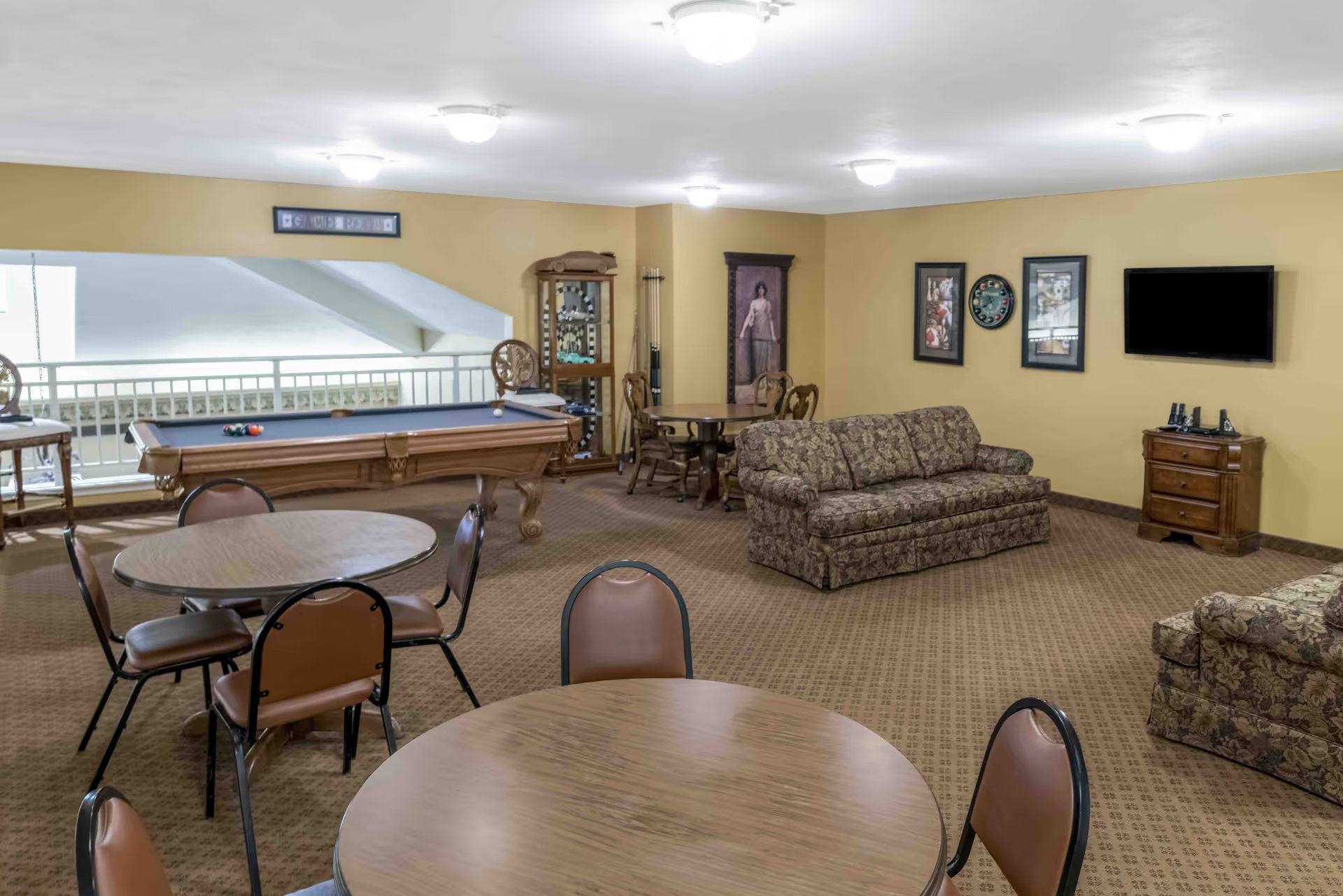
Dining and daily living services are another area of mixed feedback. The facility receives positive notes for organized activities (bingo, concerts, pet visits, courtyards) and for offering family-friendly visitation; however, many reviewers describe inconsistent meal quality and timing, cold or poorly timed meals, and failures to follow prescribed dietary restrictions. Housekeeping and sanitation assessments vary by unit and shift: while some reviewers describe clean, pleasant common areas and rooms, others report sanitation concerns and odor issues in resident rooms and bathrooms. Maintenance problems (for example, HVAC or equipment delays) were also raised in a subset of comments.
Management, communication, and administrative processes show similar variability. Admissions staff and some administrators are described as communicative and prompt in resolving issues, but multiple families reported delays in discharge paperwork, insurance coordination, and inconsistent follow-up from case management. There are also concerns about how resources are allocated, with comments implying fundraising or administrative priorities sometimes take precedence over bedside care; there are isolated allegations of financial or property-related disputes that may warrant further inquiry.
In sum, St. Camillus demonstrates notable clinical and social strengths — particularly in rehabilitation, activities, and in the demeanor of many front-line caregivers — but also exhibits recurring operational weaknesses centered on staffing, timely responsiveness, consistency of personal-care and sanitation, medication and wound-management practices, and administrative follow-through. Prospective residents and families should assess unit- and shift-level staffing, ask for current infection-control and medication-administration protocols, review bathing and skin-check schedules, and confirm how dietary needs and discharge/insurance processes will be managed for their specific placement.