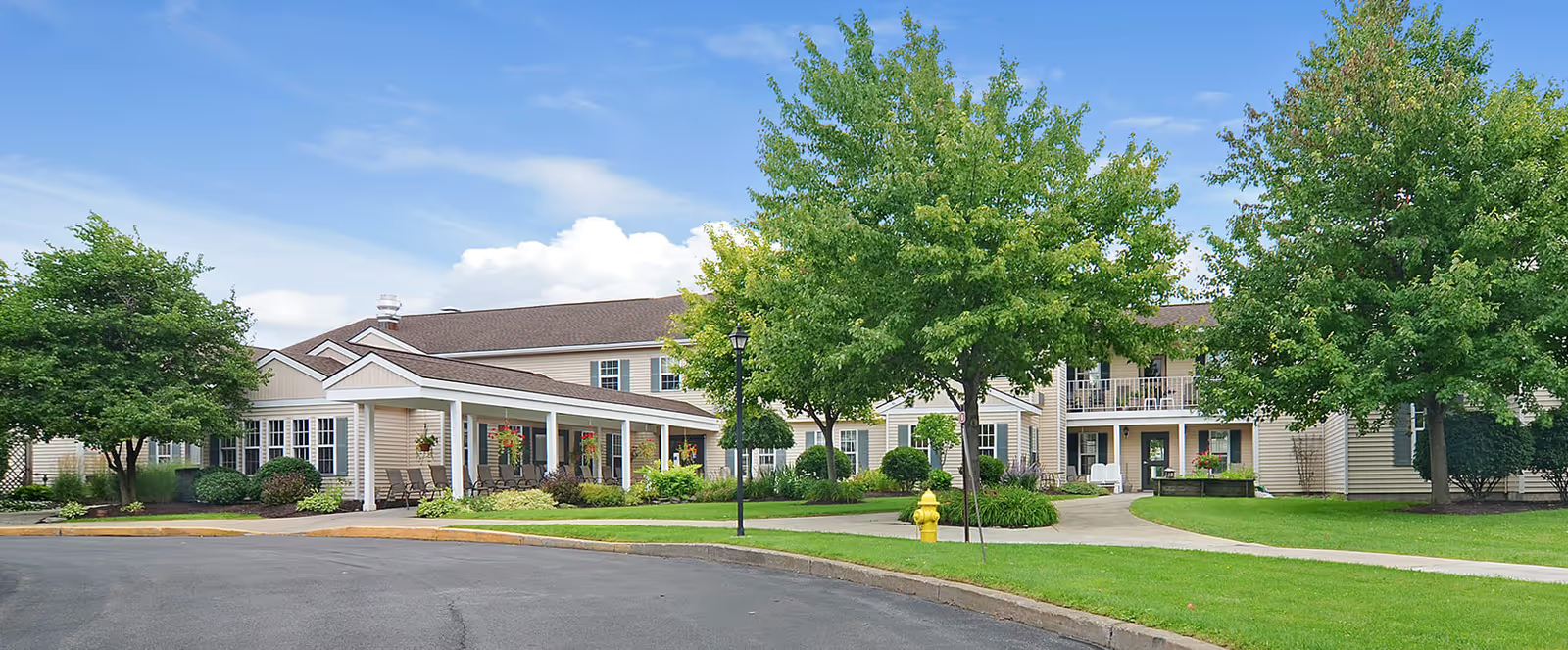
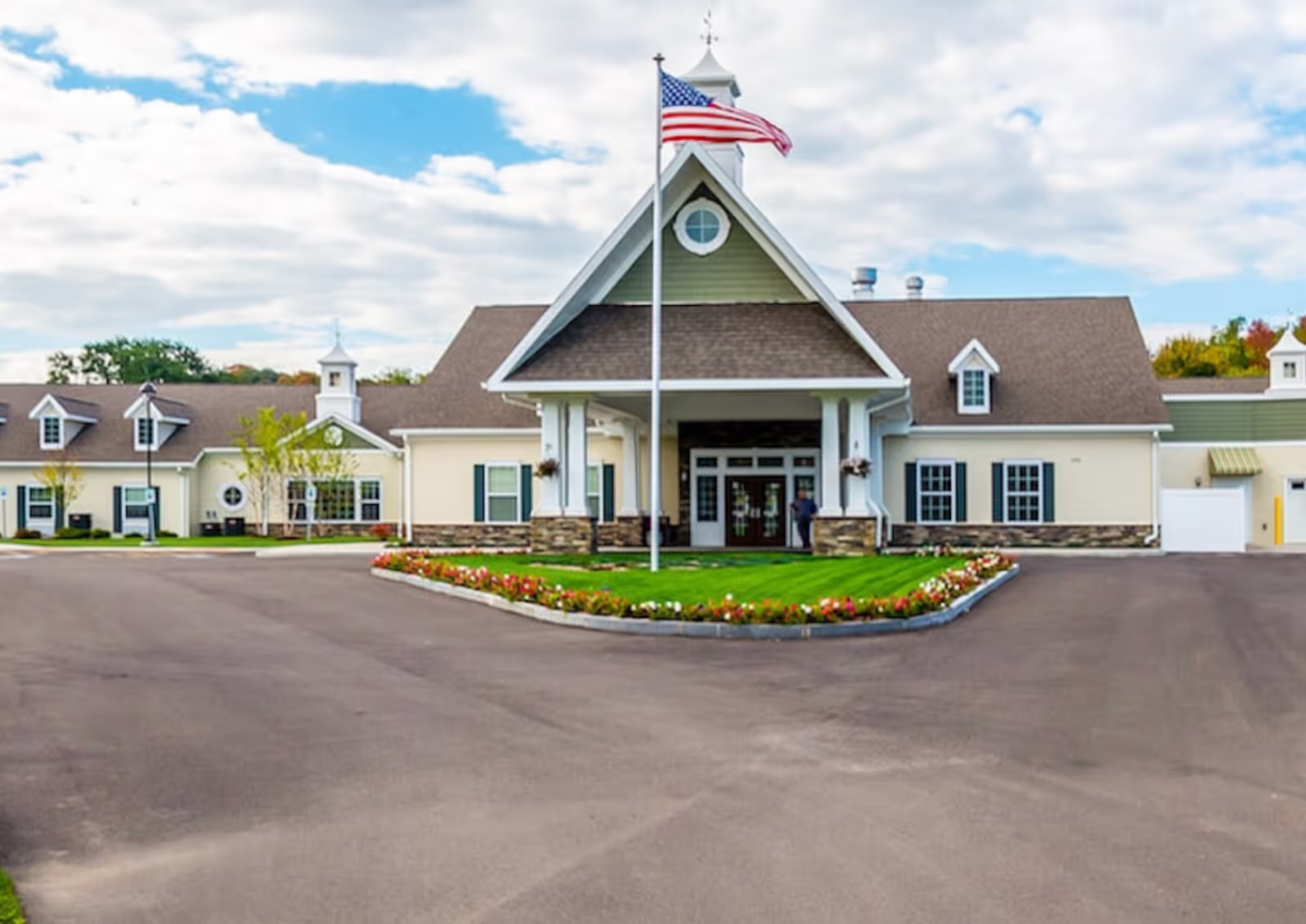
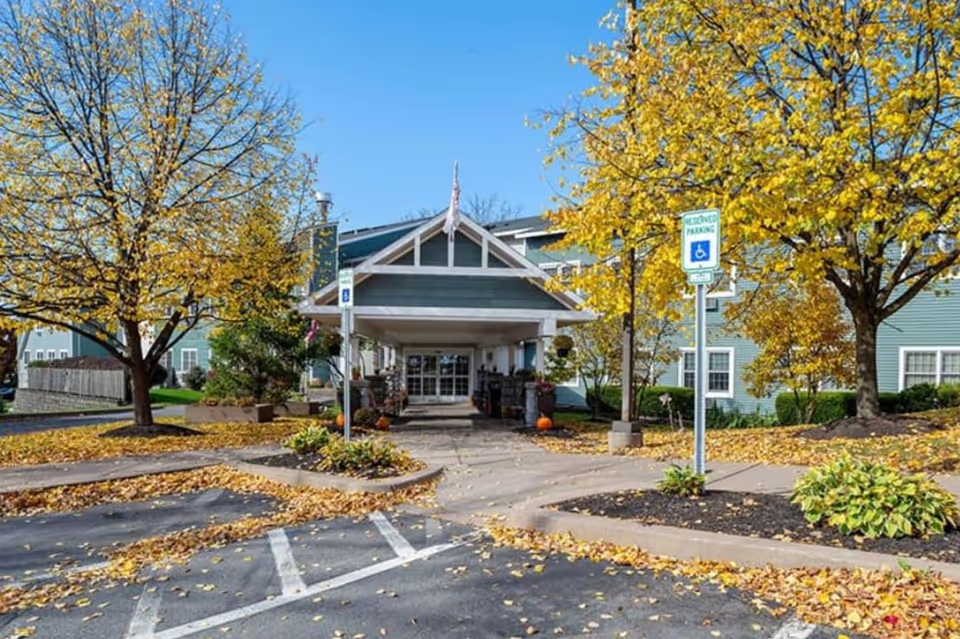
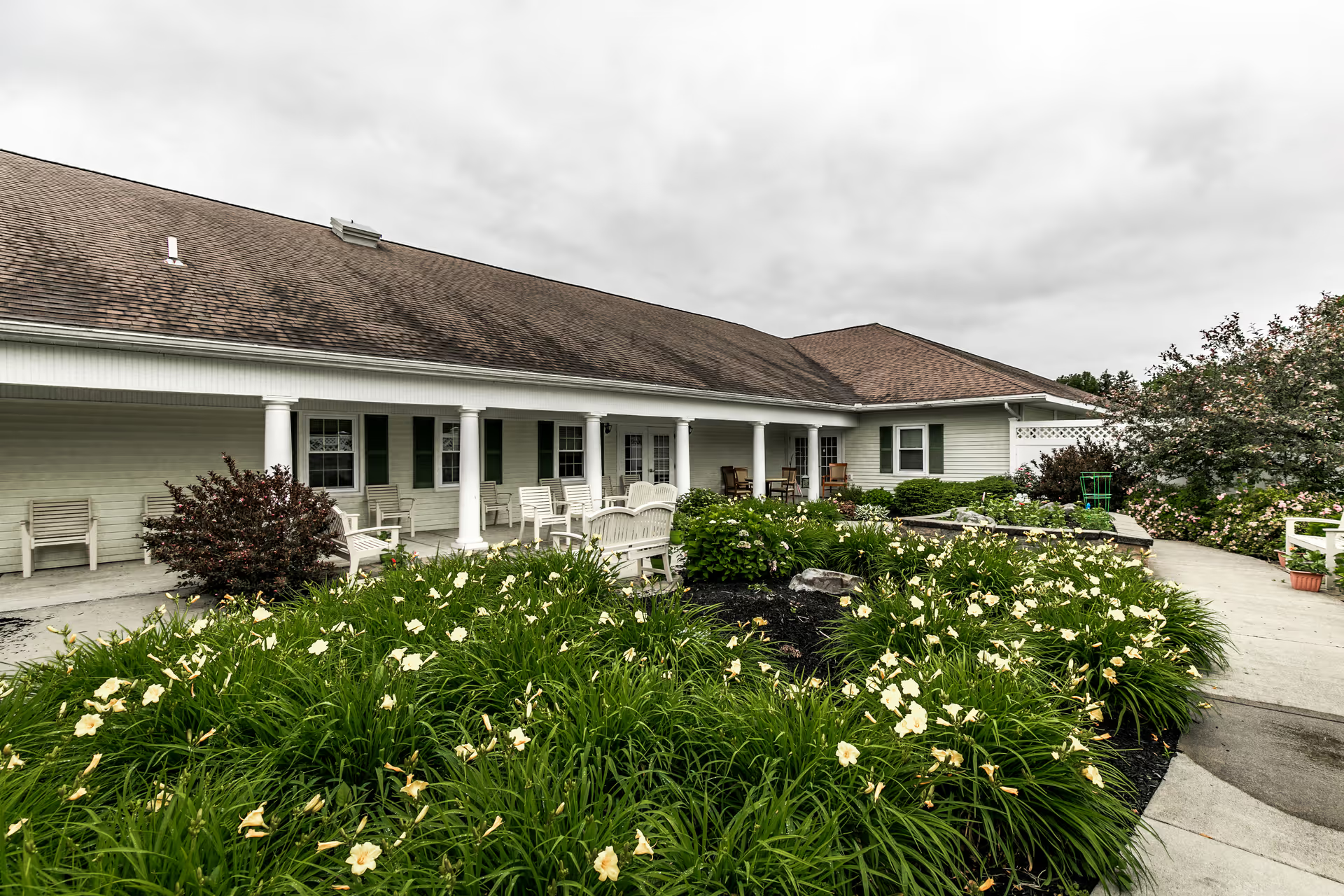
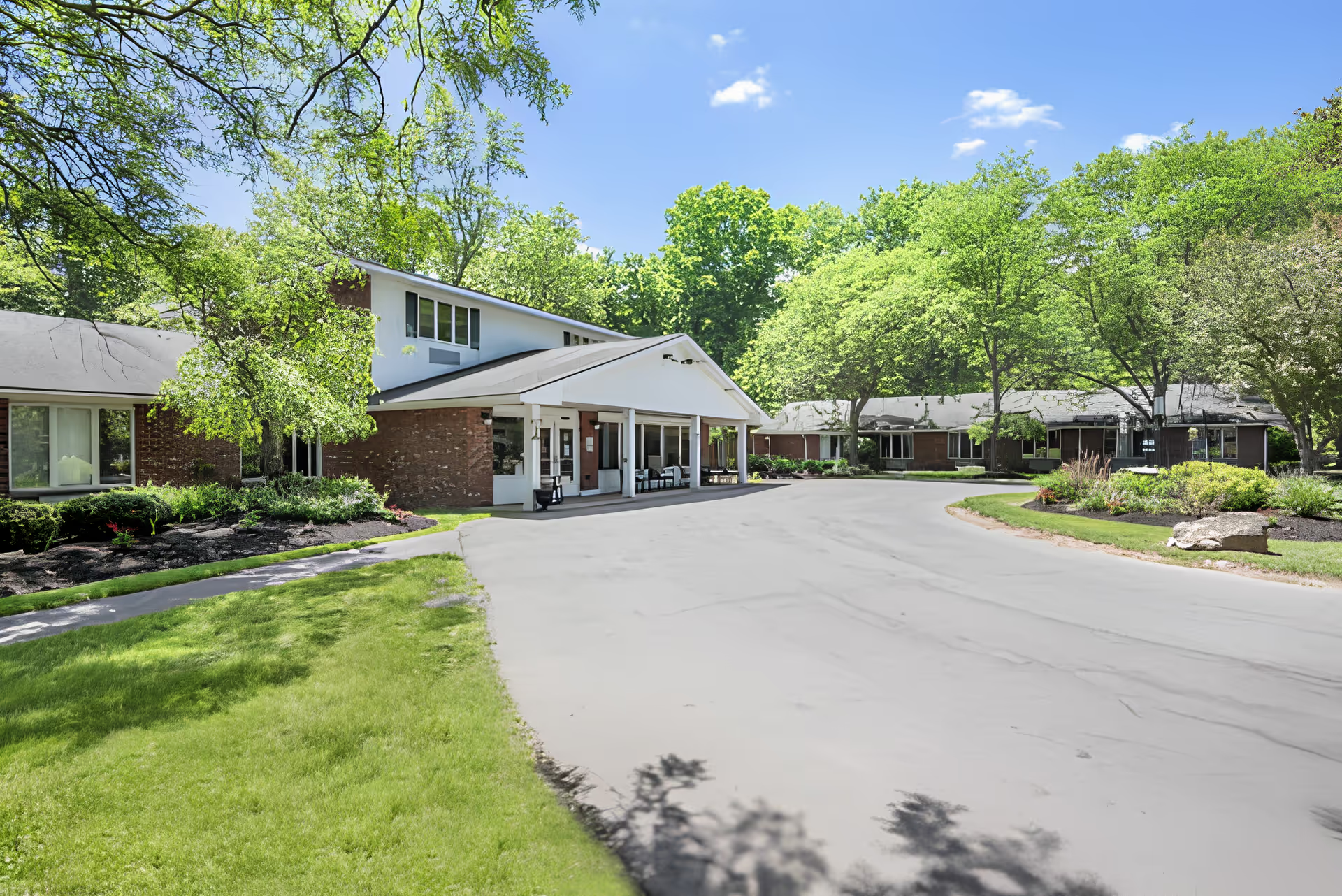
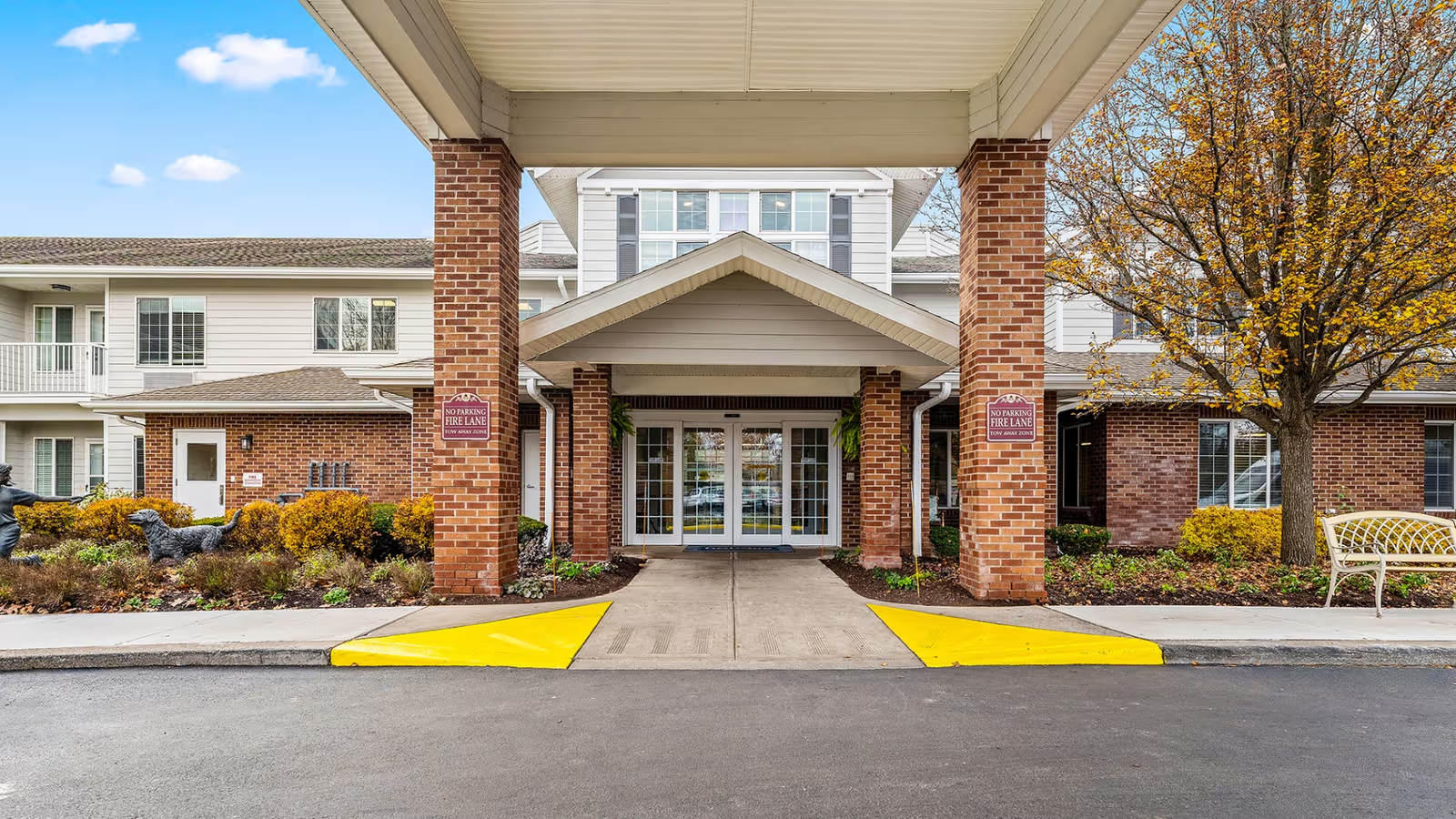
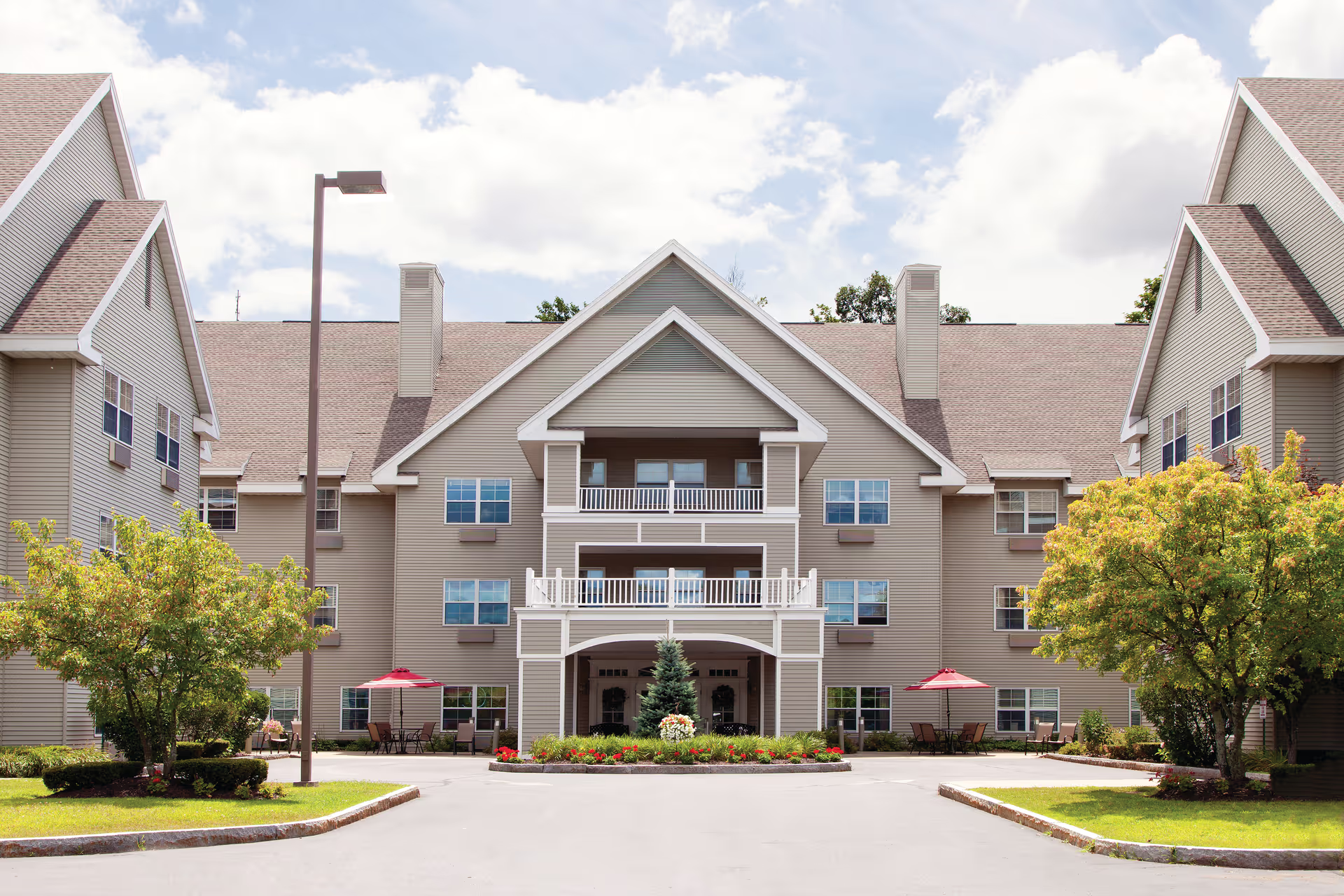
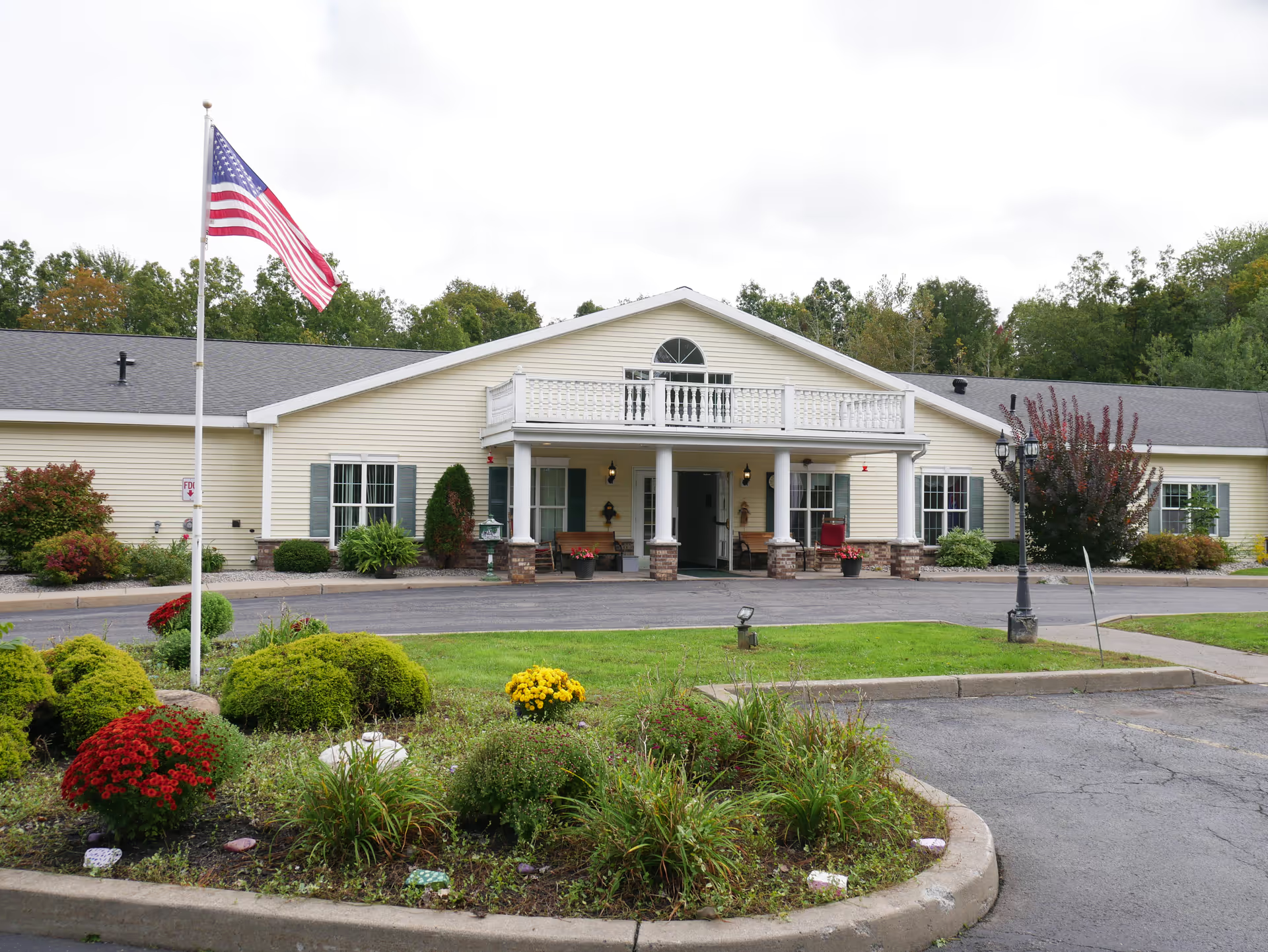
Reviewer feedback for The Bernardine is mixed, with clear strengths around facility layout, affordability, and available services, alongside consistent operational concerns. Many comments highlight the physical environment: several units and common areas have been remodeled and are described as bright, spacious, and generally clean. The community offers independent-living apartments, assisted-living program (ALP) services, a dedicated rehabilitation unit, on-floor dining, and organized transportation for shopping and medical appointments. These features, combined with Medicaid/SSI acceptance and an accessible admissions process, make the facility a practical option for those seeking affordability and basic on-site clinical services.
Care quality and staffing present divergent impressions. Positive notes describe attentive aides, on-time medication rounds in some cases, and helpful admissions or tour staff. However, an operational pattern emerges around inconsistent staffing, high turnover, and variability in staff conduct. Families described both conscientious staff and instances of poor responsiveness; this variability appears to affect day-to-day assistance such as shower scheduling and running errands. There are also recurring concerns about medication management processes, including errors and missed appointments, which signal a need for stronger clinical controls and oversight.
Dining and activities are similarly mixed. The rehabilitation unit’s meals and some communal dining areas received favorable comments, and activity programming (bingo, live music, floor-level events) provides social engagement. At the same time, reviewers described variability in food quality and occasional missed meal service, indicating inconsistency in meal delivery and dining operations that may affect residents’ satisfaction.
Facility condition and safety-related items are notable. While many living spaces are renovated and well-lit, the building is also described as aging in places with deferred maintenance issues such as unreplaced light fixtures and common-area upkeep. A recurrent operational constraint is limited elevator capacity and slow elevator response; reviewers raised concerns about access delays and the implications for emergency egress or timely transport between floors. There are also sanitation and odor concerns reported in some common areas, and comments about resident grooming and communal cleanliness that suggest housekeeping and environmental services need attention.
Management and communication show a pattern of strengths in intake and initial orientation but weaknesses in ongoing responsiveness. Admissions staff and tour guides received praise for clarity and assistance, yet multiple accounts note that phone calls are not always returned and that follow-up communication can be inconsistent. Privacy and apartment-entry protocols were raised as a concern when staff entered units without adequate notice or left doors open; this points to policy and training gaps around resident privacy. Additionally, reviewers indicated insufficient accessibility supports for residents with visual impairment, which may require programmatic adjustments.
In summary, The Bernardine offers a combination of renovated living spaces, rehabilitation services, affordable payment options, and basic social programming that make it a viable choice for families prioritizing location and cost. Prospective residents and families should weigh these strengths against operational issues: inconsistent staffing and care practices, medication-management gaps, maintenance and sanitation follow-through, elevator limitations, and communication shortfalls. Those considering the facility should ask targeted questions during a tour about staffing stability, medication safeguards, elevator contingency plans, privacy policies, accessibility resources for sensory impairments, and the steps management is taking to address maintenance and cleanliness concerns.