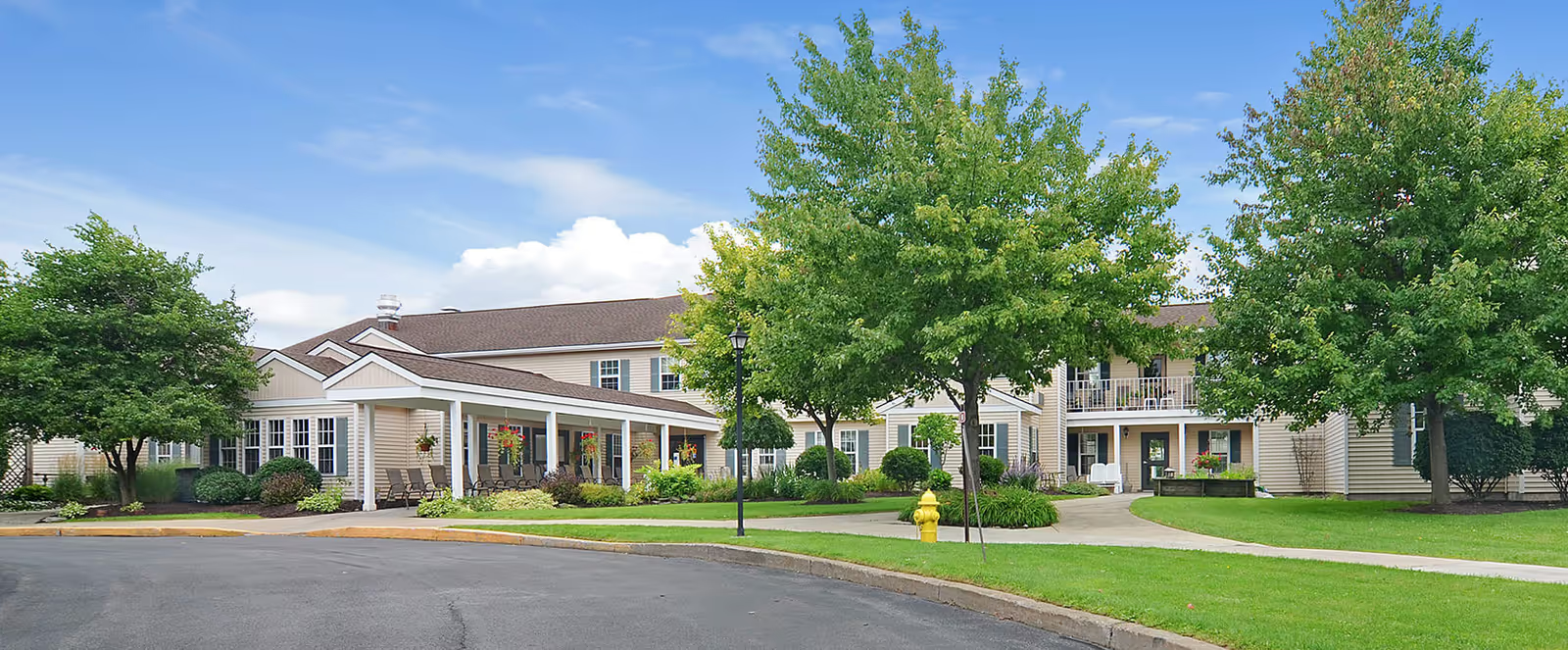
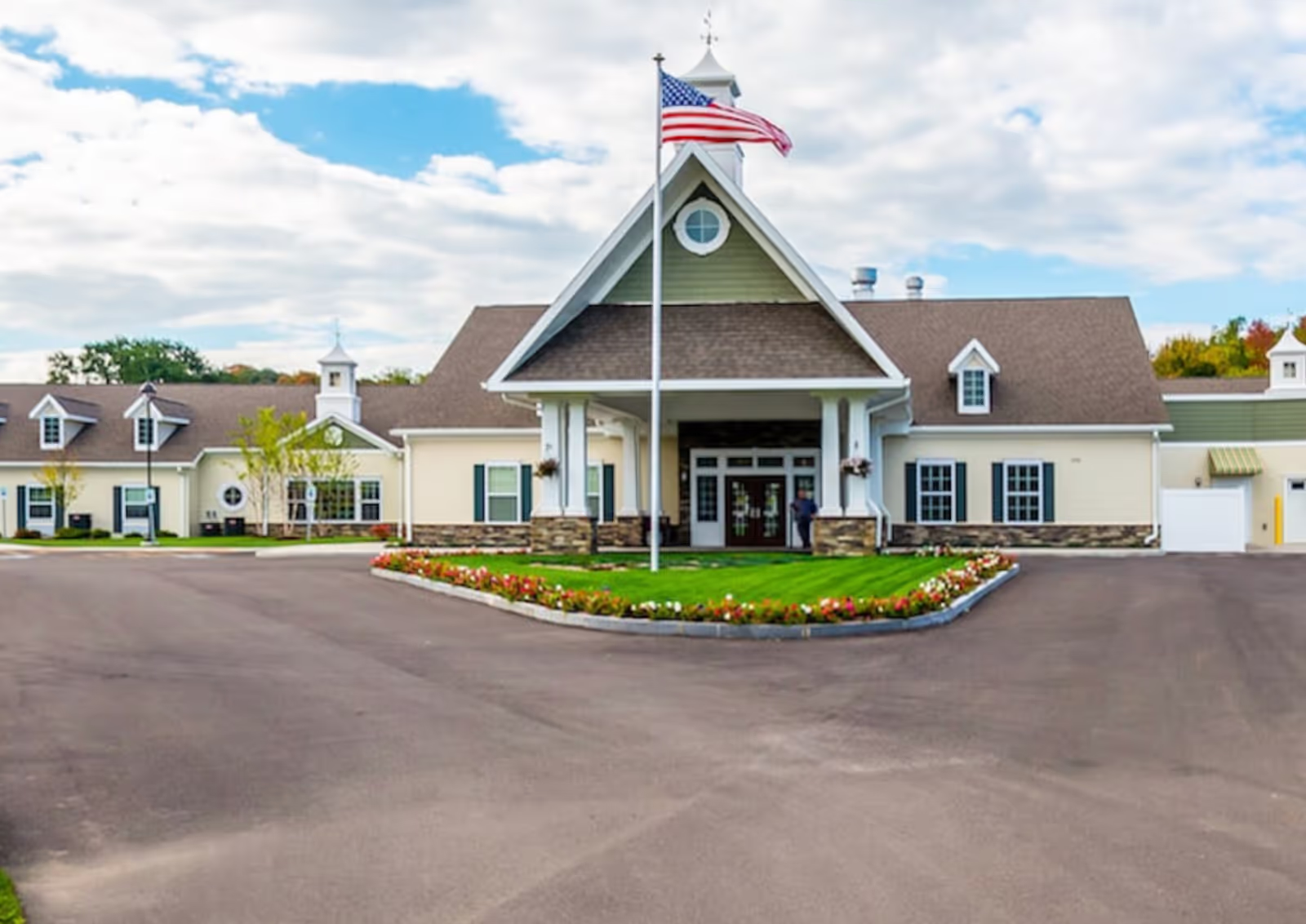
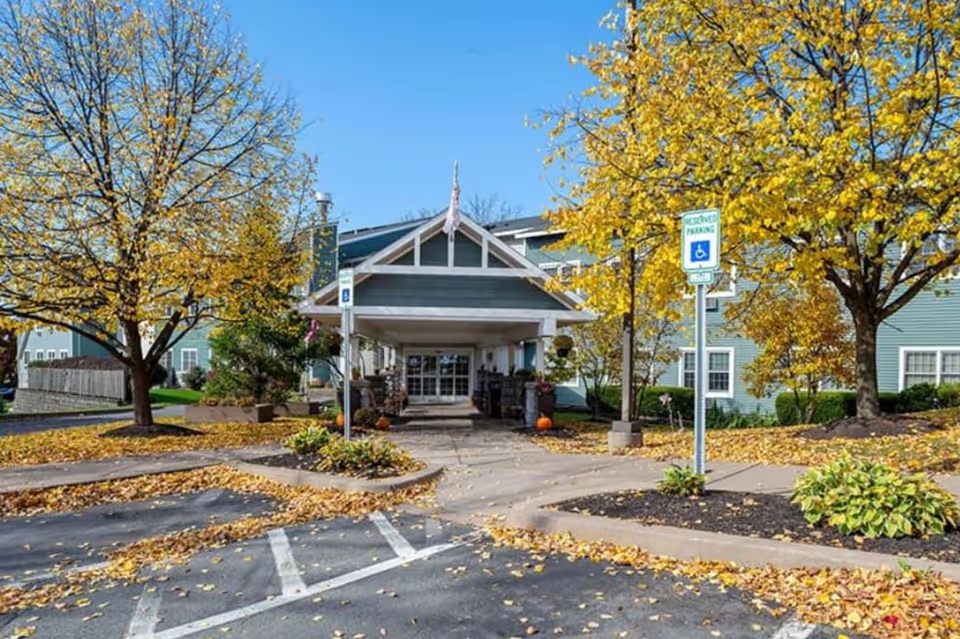
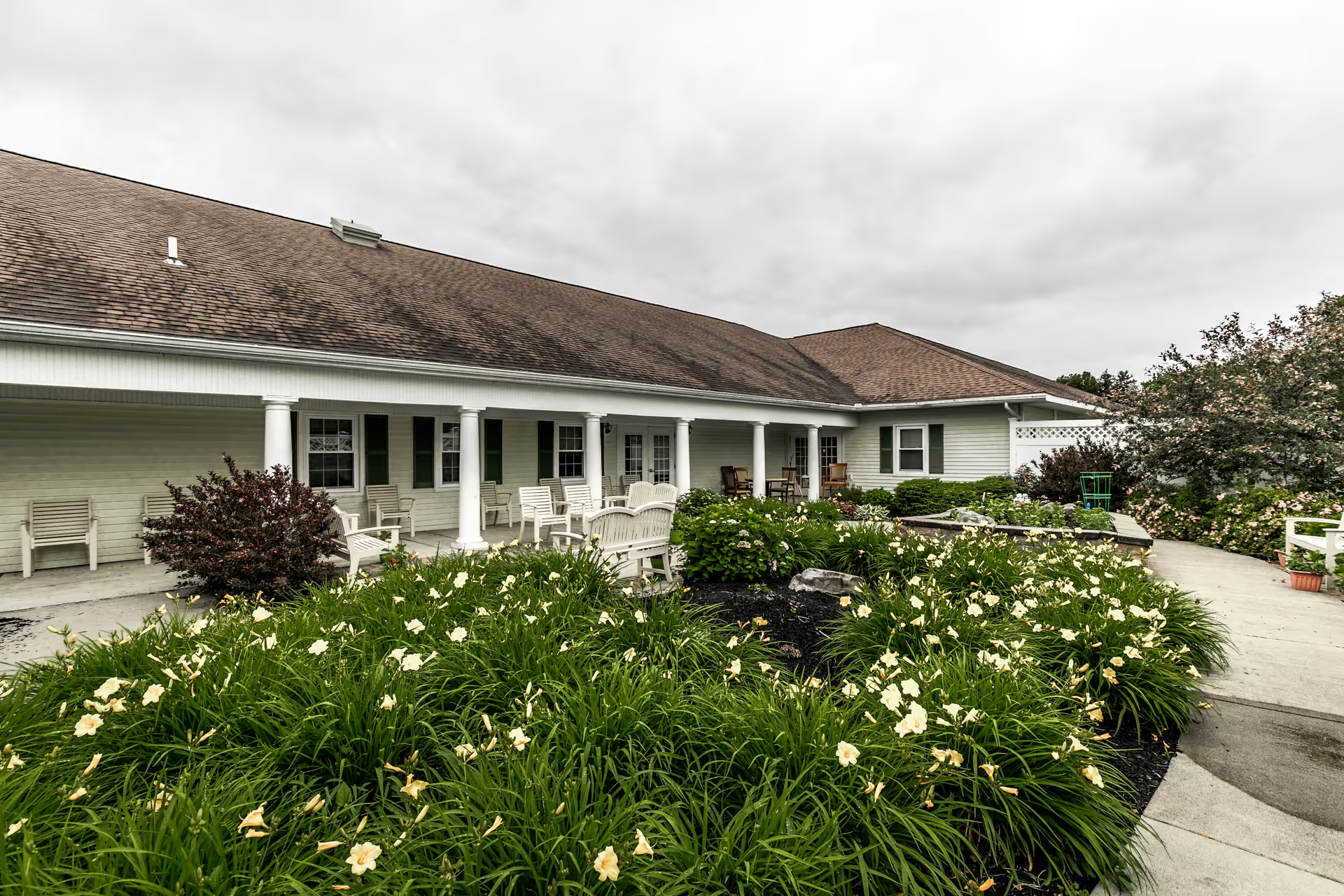
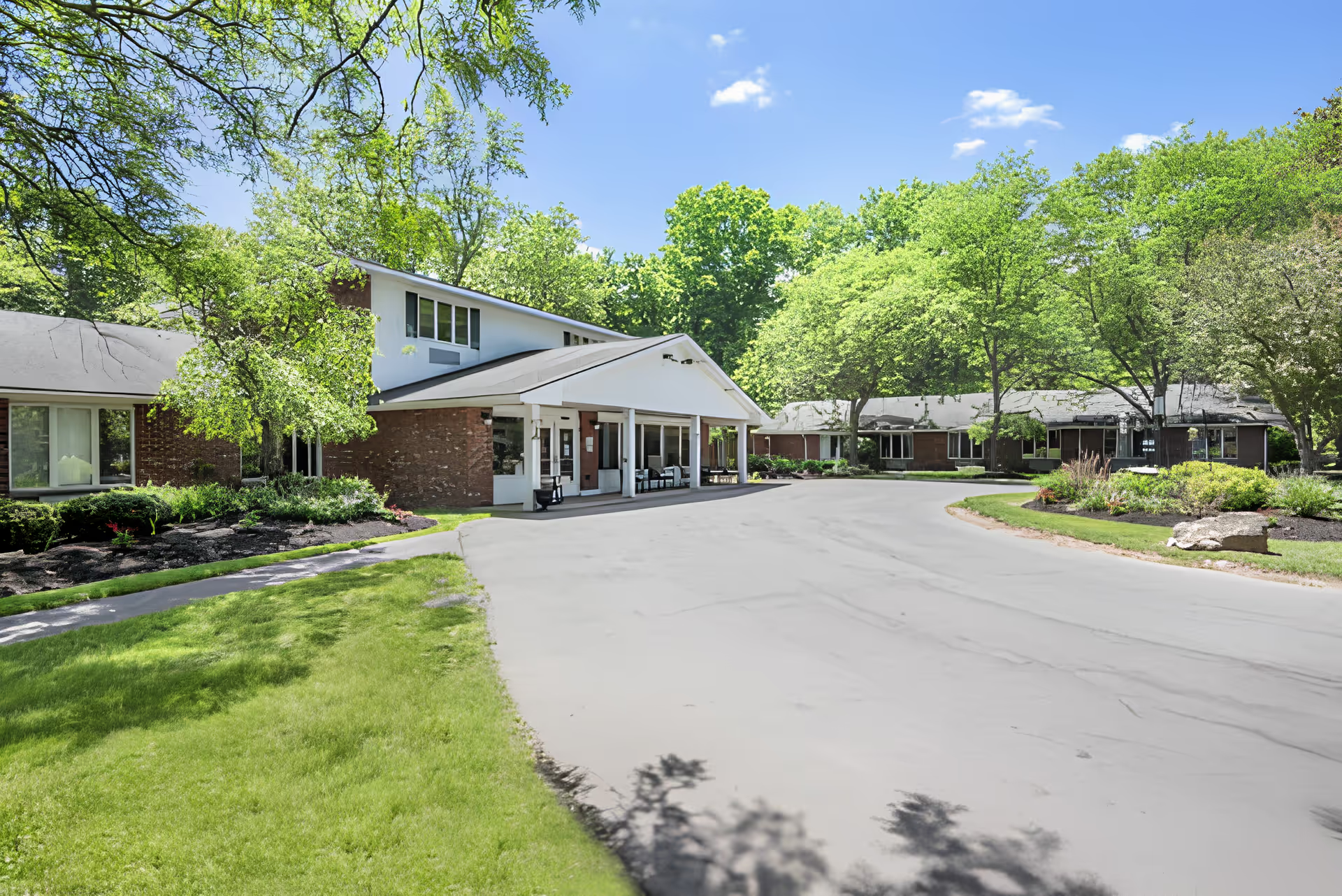
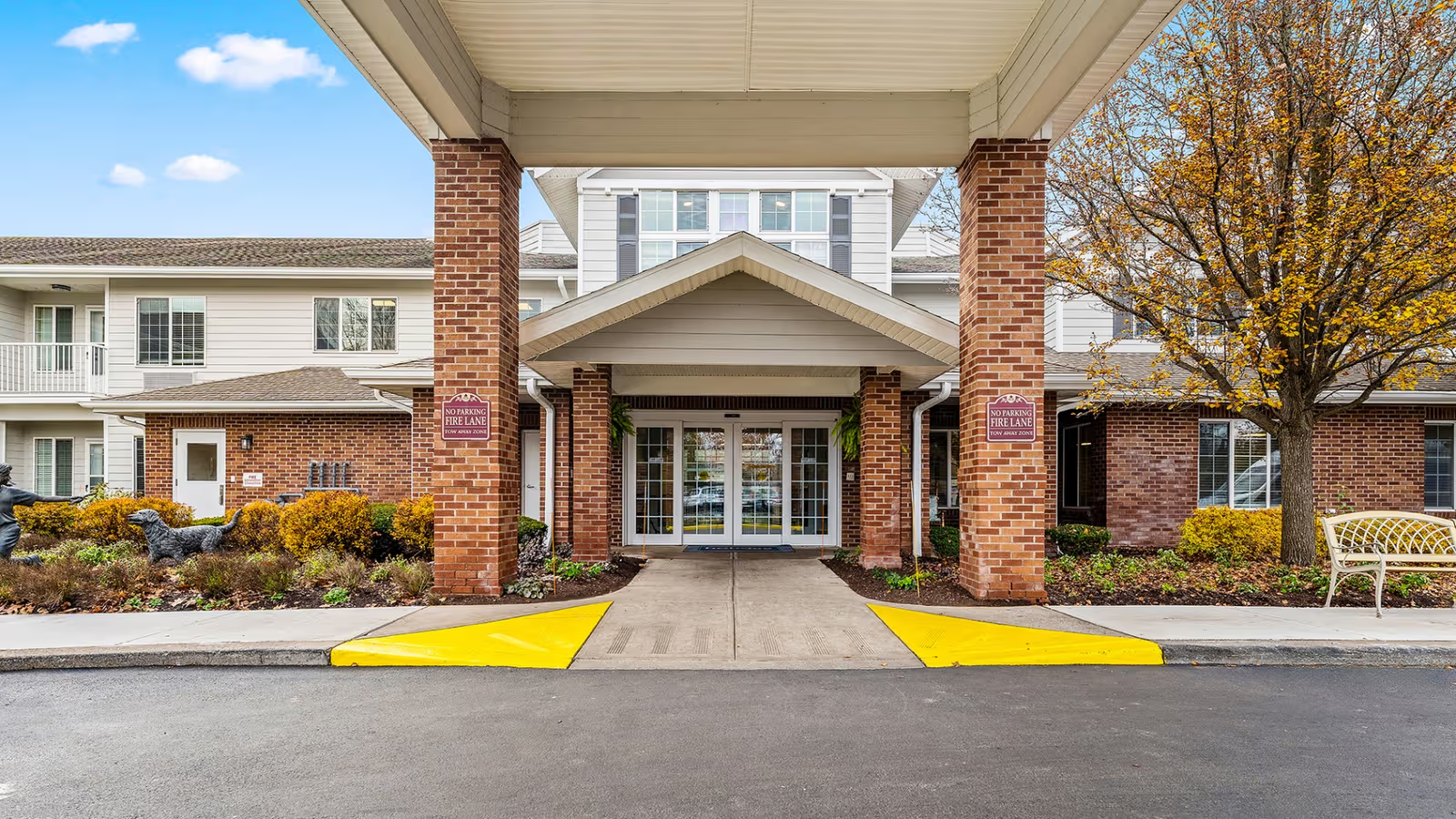
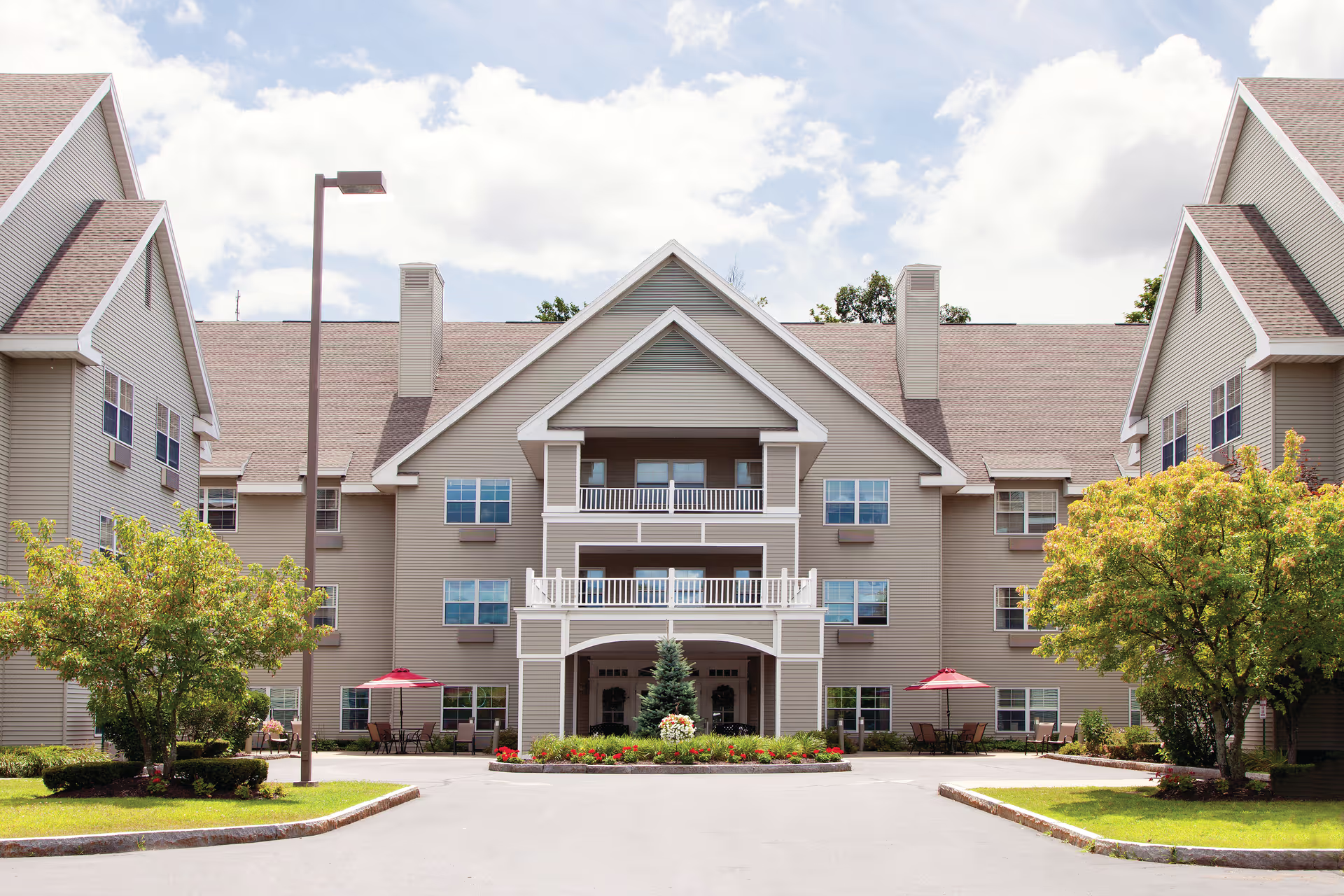
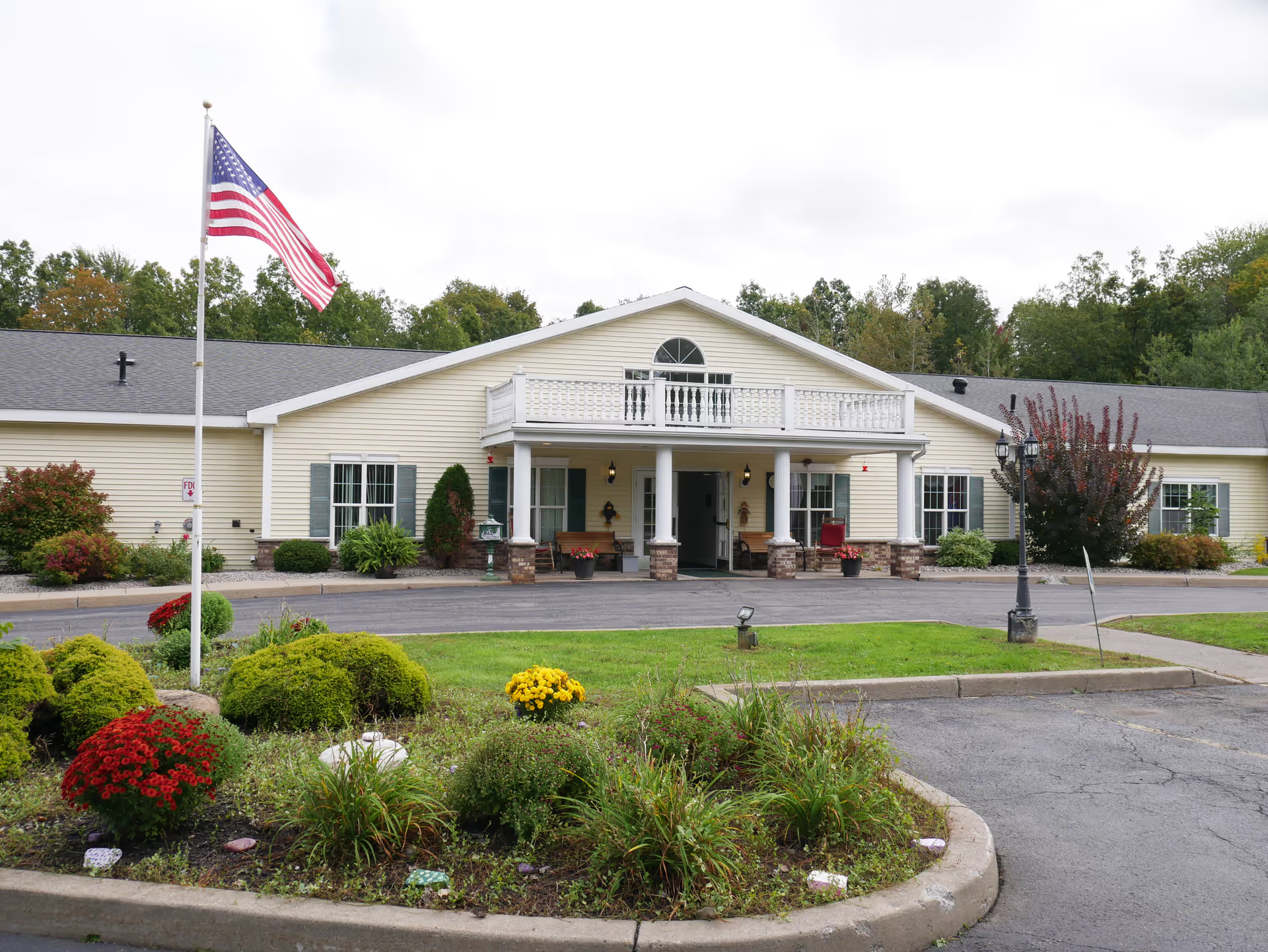
The Heritage Memory Life Community elicits a mixed set of impressions. Many reviewers praise the facility for its person-centered strengths: staff who are described as caring and attentive, a focused memory-care program, a lively activities calendar, and the presence of an on-site chapel and regular worship services. Several accounts note private-suite accommodations with kitchenettes and full bathrooms, a range of amenities (including an activity room and swimming pool), and generally positive family communication supported by care managers and a quality-of-life director.
Care and staffing present a divided picture. Numerous families commend individual caregivers, nurses, and life-enrichment staff for warmth, engagement, and consistent communication. At the same time, there are recurrent operational concerns about insufficient staffing levels, variable staff continuity, and gaps in training—particularly around respectful communication and language proficiency. Several reviewers expressed concerns about medication-management practices, including a report of a serious low-blood-sugar event; these raise questions about clinical oversight and protocols that prospective families should explore during a tour.
Dining and nutrition are also mixed. The facility provides three daily meals and several reviewers found the food satisfactory or better than expected. However, there are consistent notes about limited dietary flexibility for residents who require specialized menus (for example, low-fat or diabetic-friendly options). Cost comparisons vary, with some families perceiving the community as expensive relative to alternatives; clarity on meal and care inclusions is advisable.
Activities and social life are frequently cited as strengths. The community offers a robust social calendar, music and entertainment programming, group outings, and staff encouragement of resident participation. These opportunities appear to contribute positively to quality of life, particularly for residents needing memory-care engagement.
Facility condition and housekeeping reports are inconsistent. Some reviewers describe clean, odor-free rooms and a pleasant environment, while others raise sanitation- and odor-related concerns, mention pest-control issues, and note dated furniture or decor. Additional operational issues cited include limited closet/storage space in rooms, small dining or living areas in certain units, and lighting or environmental features that could increase fall risk for some residents.
Management and administrative practices show both positive and cautionary elements. Families report effective communication from certain administrators and care teams, along with meaningful program leadership. Conversely, there are allegations of billing and property-handling problems, including disputes over fees, refund practices, and damage or mishandling of personal items. Prospective residents should request clear, written contract terms, billing and refund policies, and the community’s procedures for laundry, property care, and incident reporting.
In summary, Heritage Memory Life Community appears to offer substantive memory-care programming, engaged activities, and caring staff in many instances, along with desirable amenities and private-suite options. At the same time, recurring operational weaknesses—particularly around staffing levels and consistency, sanitation and pest-control practices, medication oversight, dietary flexibility, and contract transparency—warrant careful review. Prospective residents and families should schedule detailed tours, meet clinical and activity staff, review medication and emergency protocols, inspect room storage and lighting, ask about staffing ratios and turnover, and obtain written policies on dining accommodations, laundry/property handling, and billing before making a placement decision.