Nyack Ridge elicits strongly polarized impressions: many families and former patients describe attentive, compassionate direct-care staff and a capable rehabilitation program, while other accounts describe operational weaknesses that have meaningfully affected care experiences. The facility's therapy services, activities program (including religious services), and several members of the interdisciplinary clinical team receive frequent praise. Social work services and certain administrators are noted for proactive family communication, coordinated discharge planning, and responsiveness—particularly under newer ownership and specific leadership names mentioned by families. The facility also supports virtual visitation and has examples of veteran-focused attention.
Care quality appears inconsistent across shifts and units. Positive accounts cite skilled therapists, effective rehab transitions, and nurses and aides who provide individualized attention. Conversely, a pattern of delayed responses to call bells, long waits for toileting/assistive care, and episodic failures in clinical oversight (including medication-management and post-incident follow-up) are recurring concerns. There are isolated but serious allegations of inappropriate staff conduct; these are noted alongside broader statements about inconsistent staff tone and occasional unprofessional behavior. Prospective families should probe supervision practices, incident-response protocols, and medication-reconciliation procedures when evaluating placement.
Dining and activities are commonly highlighted as strengths; reviewers describe varied menus, snack availability, diabetic accommodations, and a robust calendar of social and recreational offerings that contribute to resident engagement. That said, dining quality is not uniformly described—some families find meals unsatisfactory. The activities department and therapy teams are repeatedly named as assets that support recovery and daily quality of life.
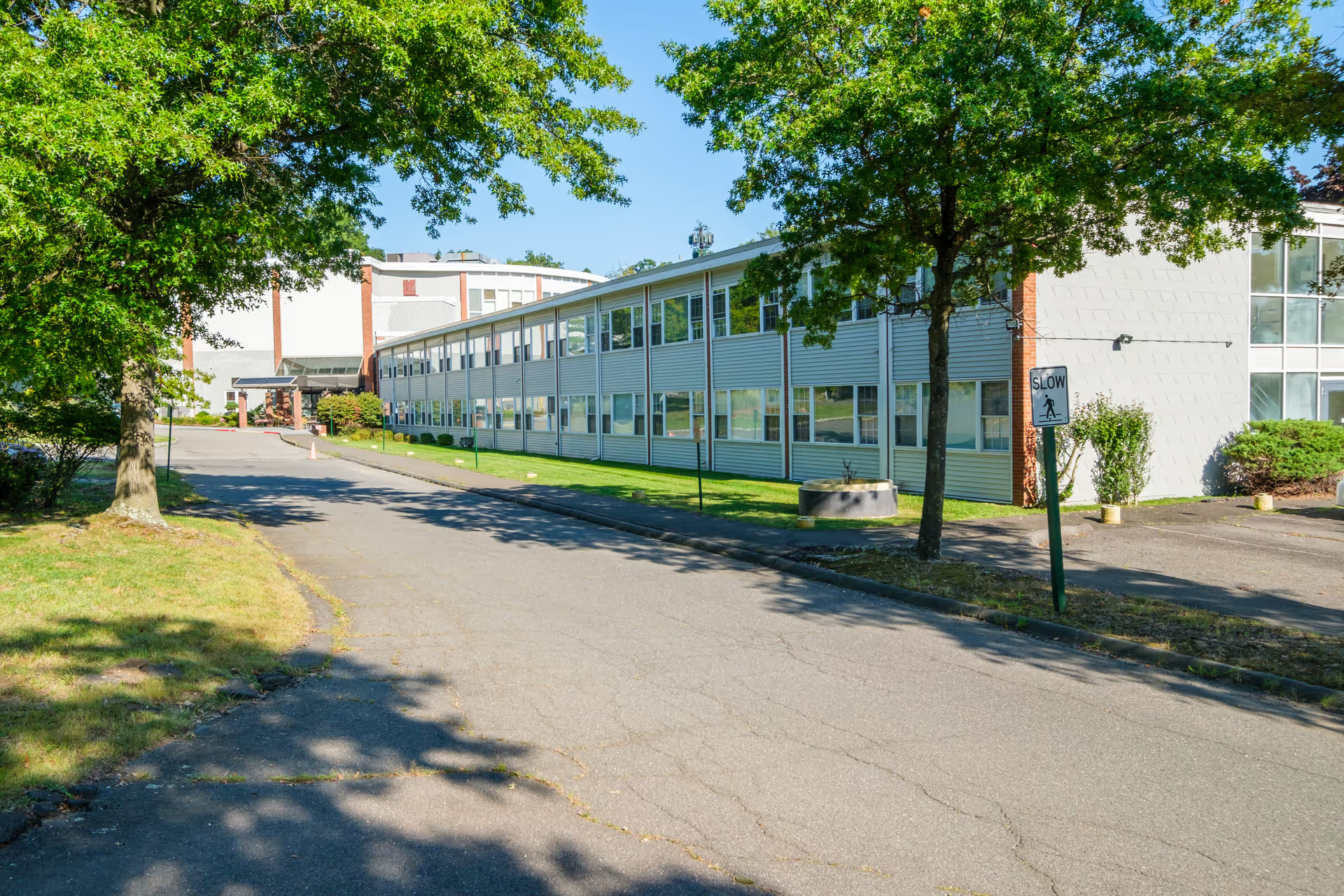
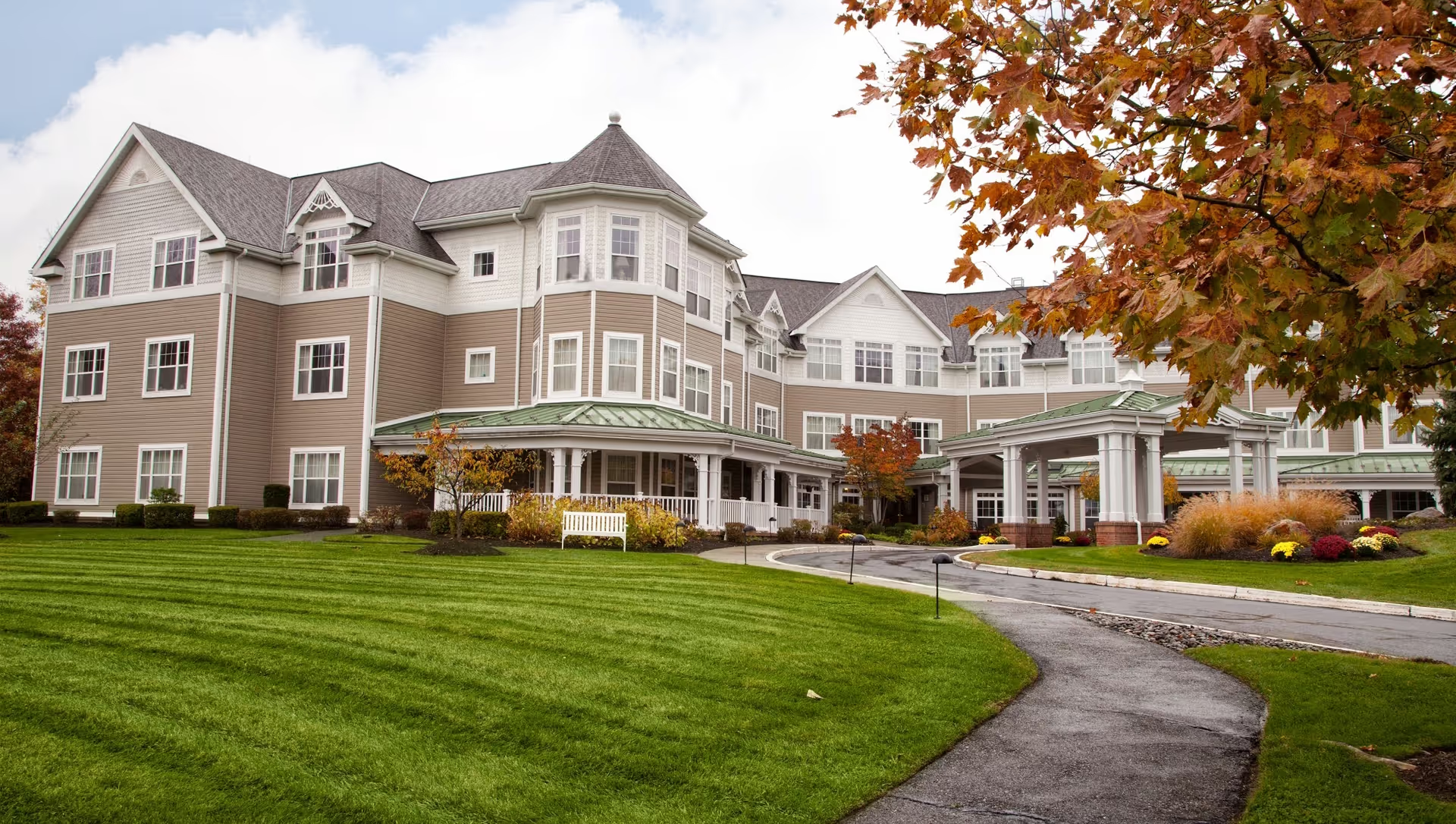
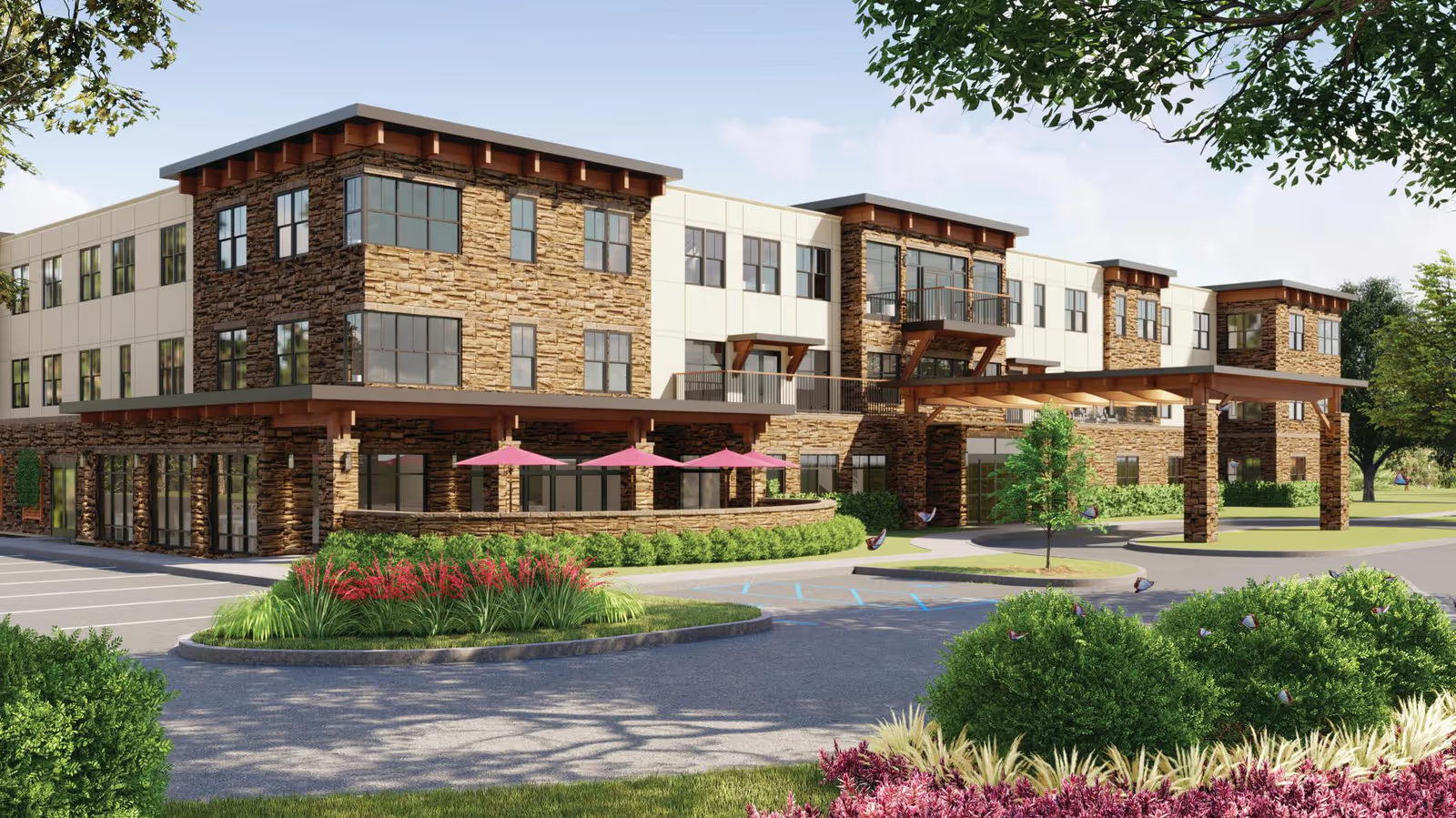
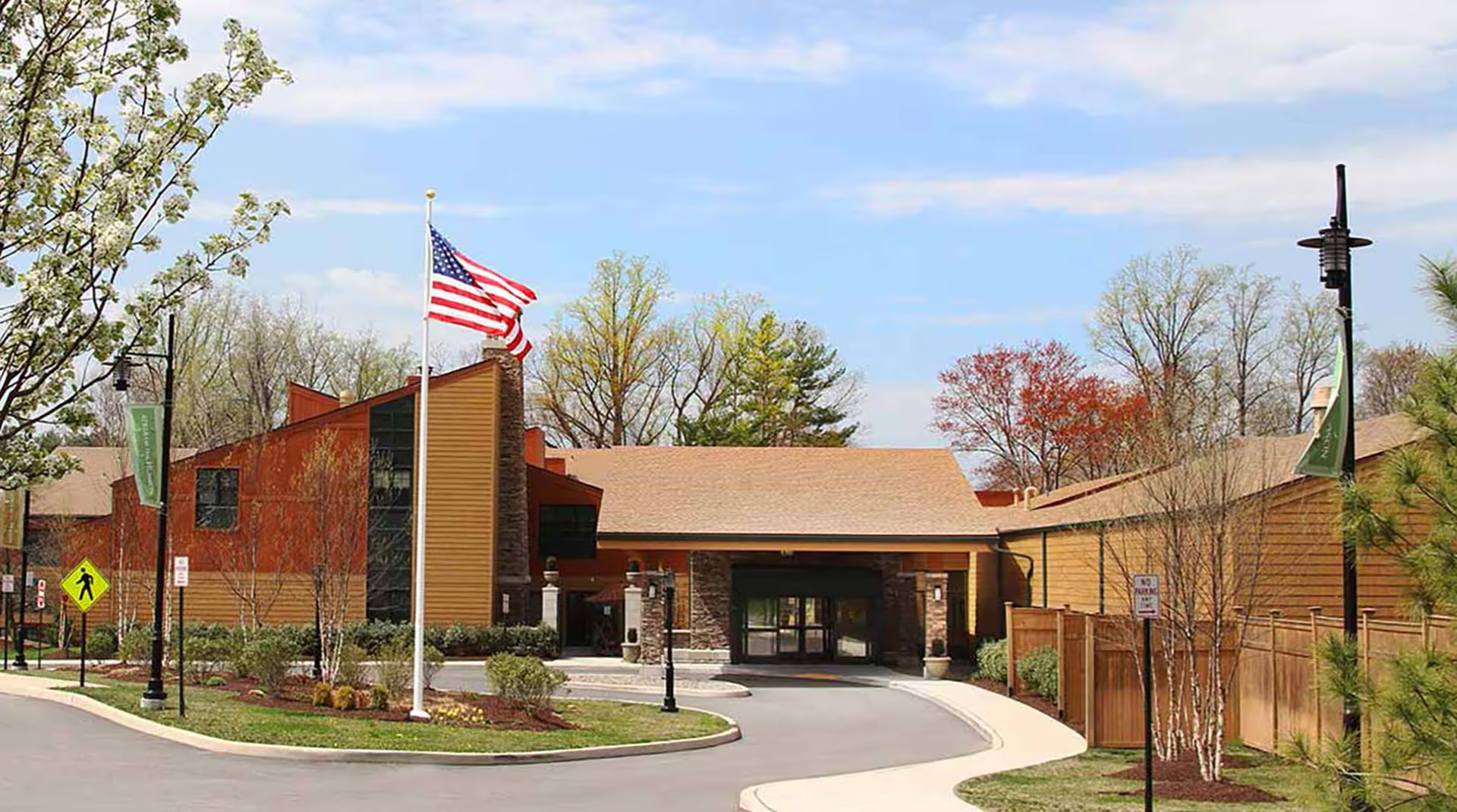
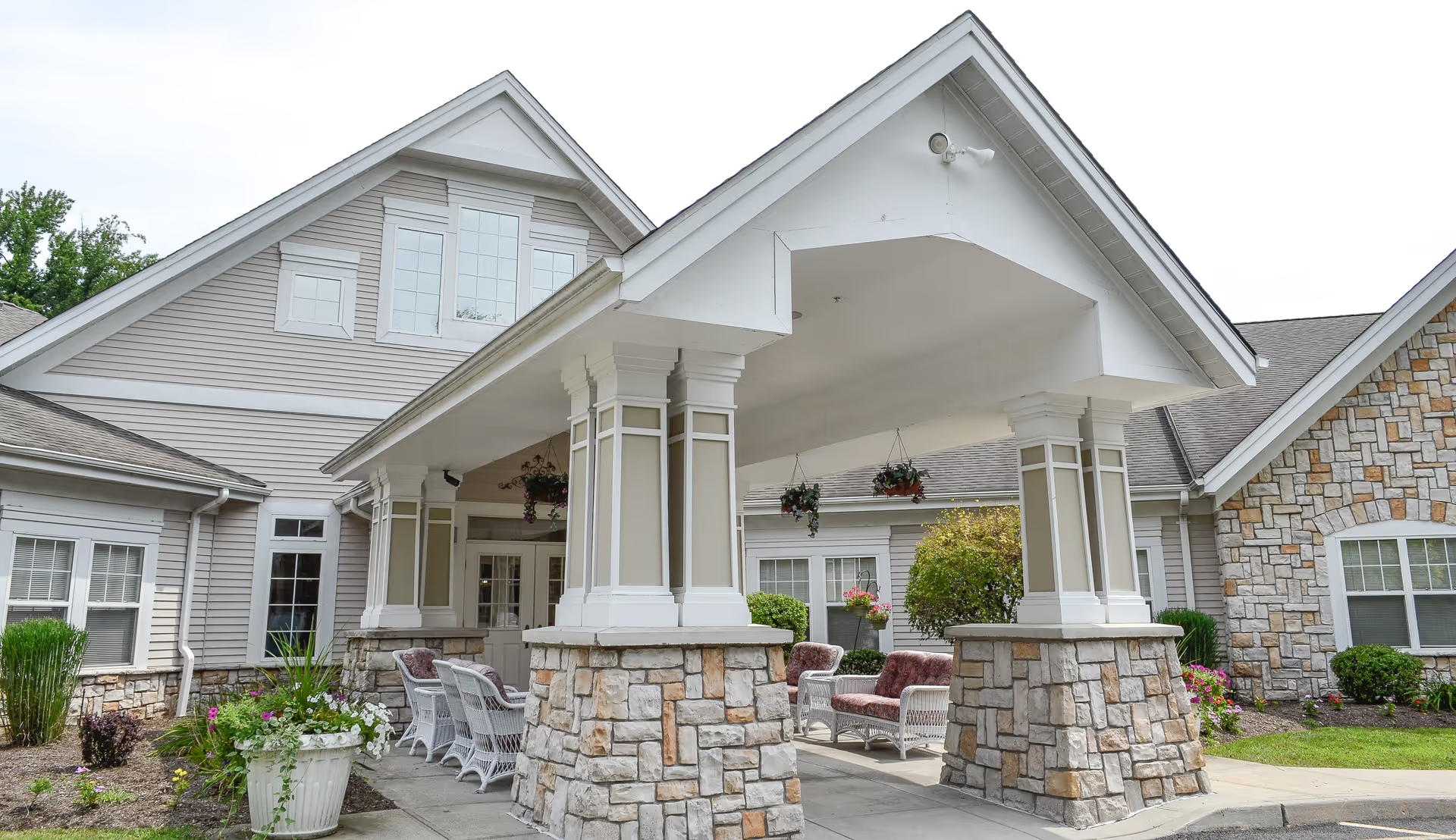
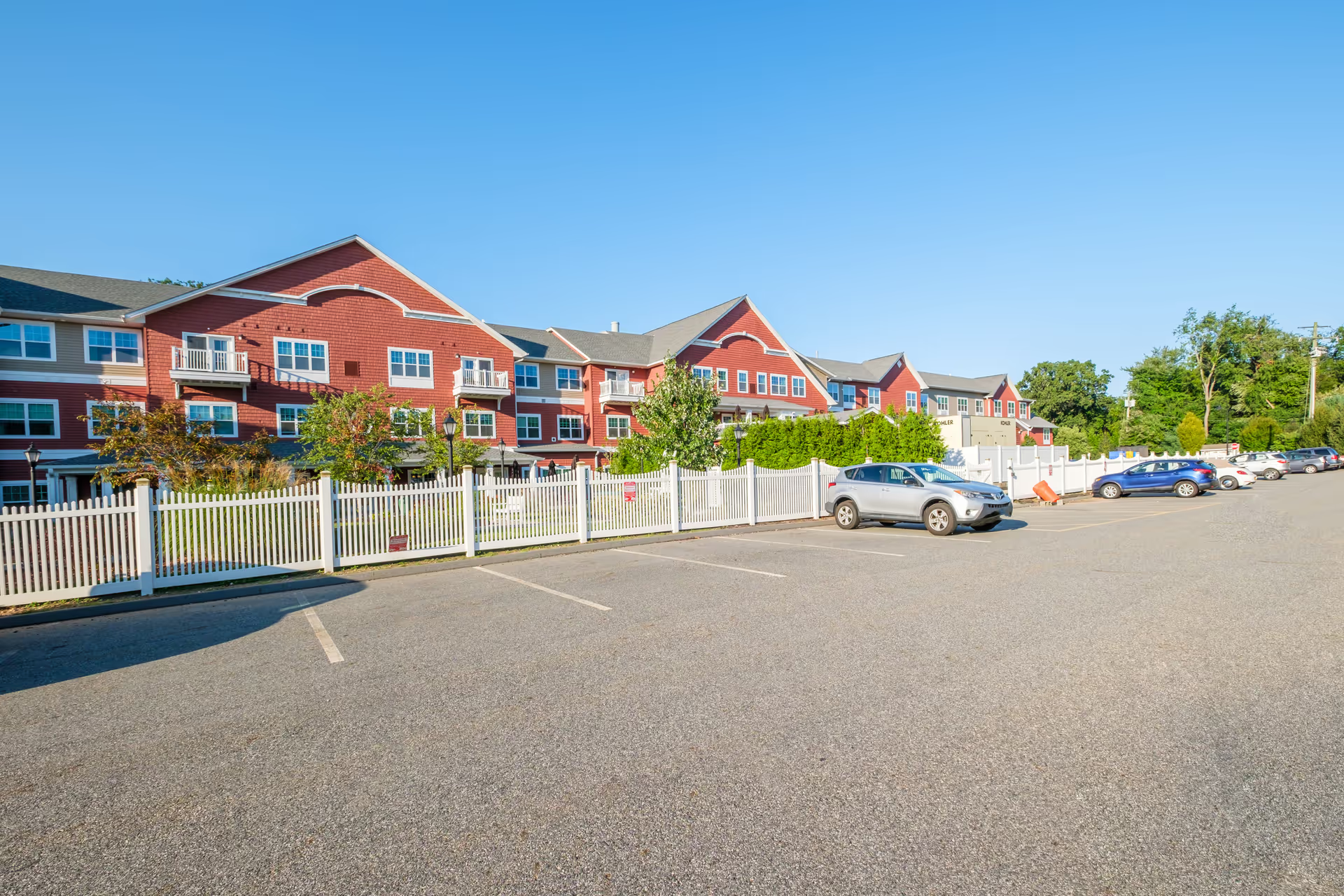
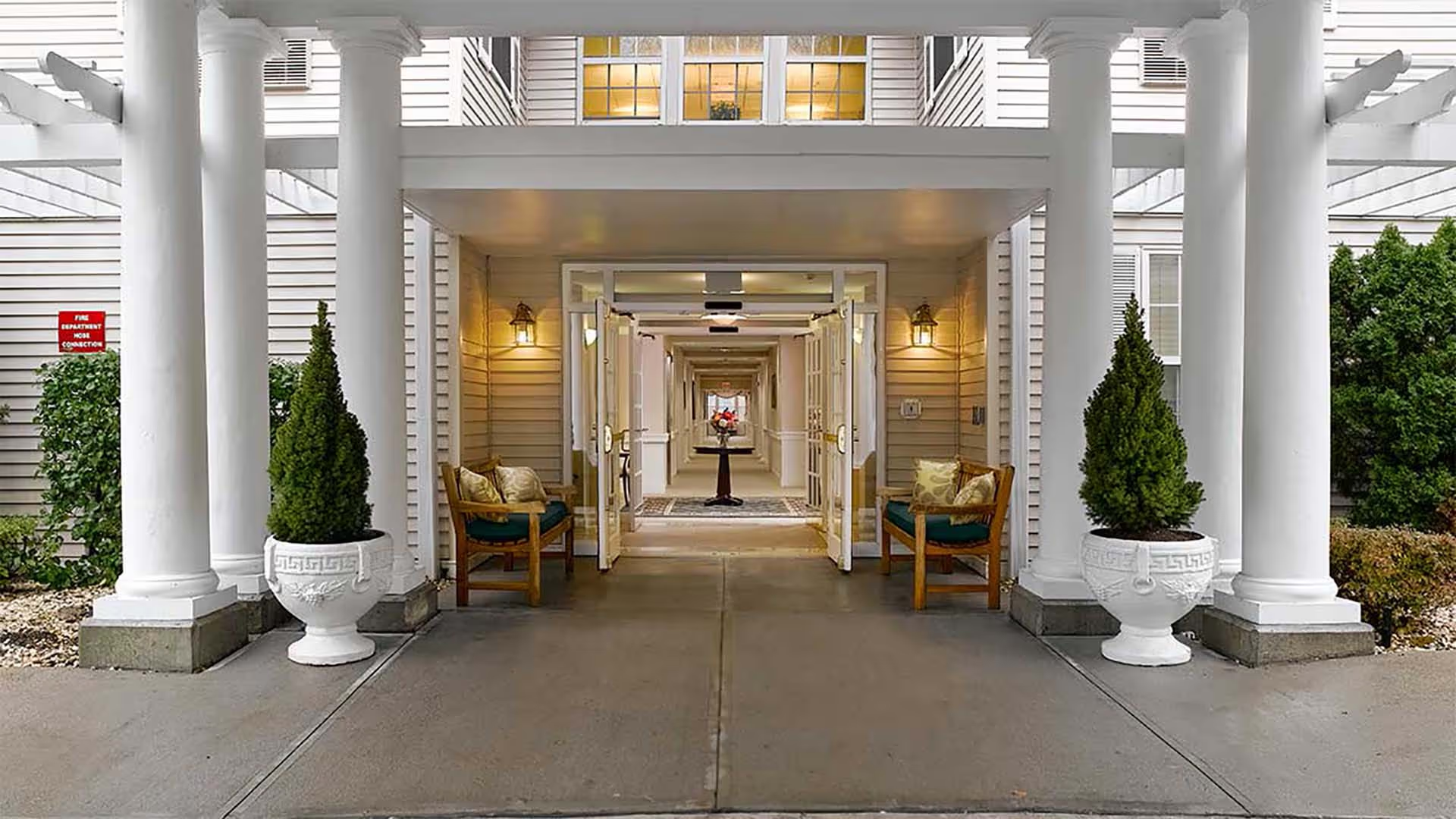
Facility condition and maintenance present a mixed picture. Several reviewers praise clean, well-lit common areas and recent renovations, while others report infrastructure issues such as water damage, exposed piping, mildew-like odors, and inconsistent housekeeping standards. Odor-control and incontinence-care processes emerged as specific sanitation concerns in parts of the building. The facility appears to be an older building undergoing phased upgrades; this can correlate with variable conditions between units and intermittent disruption during renovations.
Management and administration draw both commendation and criticism. Newer leadership and specific administrators are credited with improved morale, quicker problem resolution, and hands-on engagement. At the same time, families describe inconsistent administrative responsiveness, phone-access problems, and aggressive or opaque billing and finance practices. Admissions and front-desk experiences vary from helpful to unprofessional depending on the encounter.
Notable patterns for prospective residents and families to assess in person: staffing ratios and typical response times to call bells; weekend therapy availability and scheduling practices; sanitation and odor-control protocols; medication-review and incident-response procedures; billing and deposit policies; and the scope of recent and planned facility upgrades. Nyack Ridge offers strong rehabilitation and activity programming and has many staff who provide compassionate care, but there are repeated operational concerns—particularly around staffing consistency, clinical oversight, maintenance, and administrative communication—that merit careful inquiry during a tour and in conversations with management.