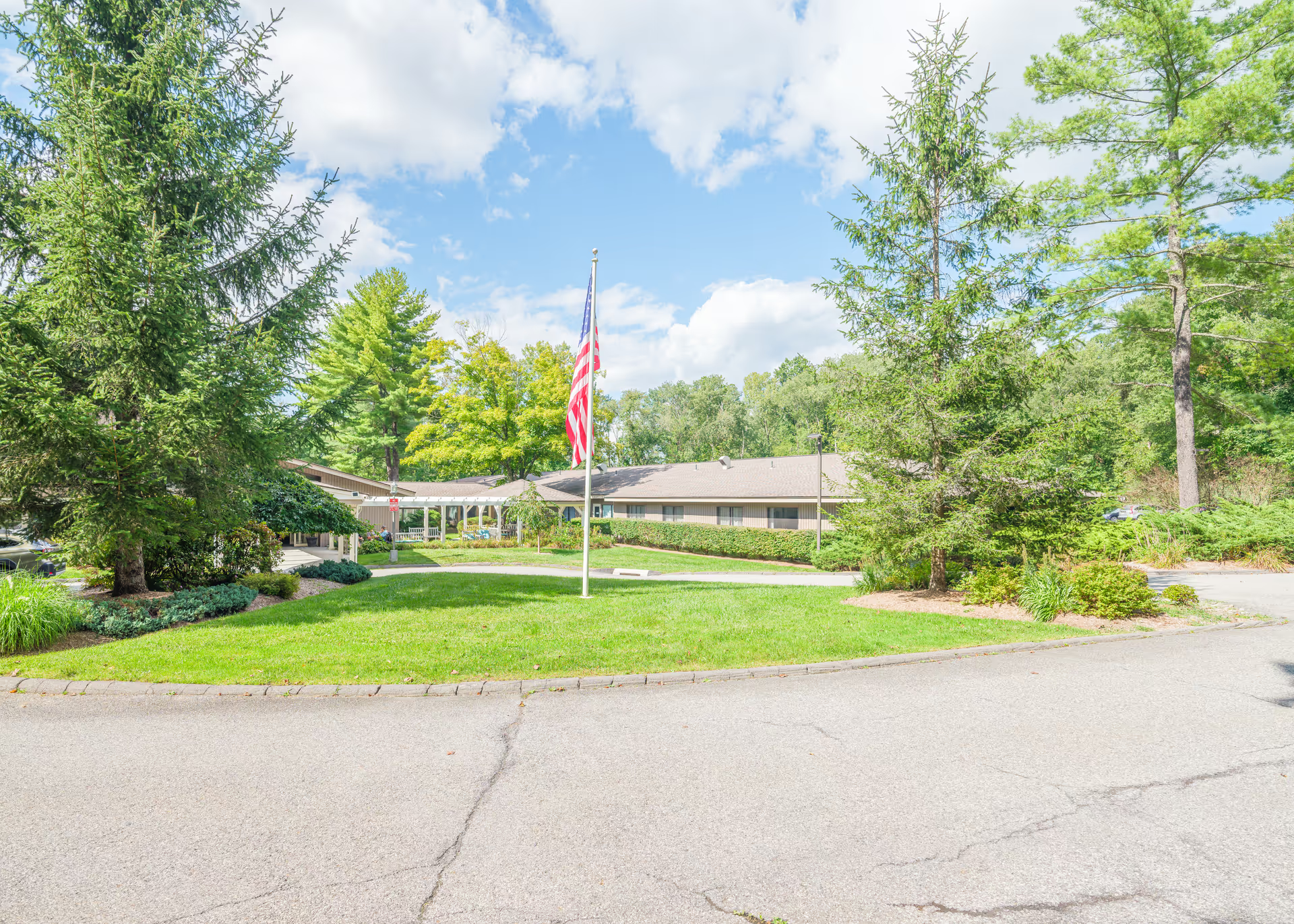
Overall impression: Pine Ridge Adult Care is described as a very small, family-style adult care home with a home-like atmosphere and engaged leadership. Many accounts emphasize attentive caregiving, a warm welcome from staff, and active owner involvement. The facility appears to position itself as a smaller, higher-touch option rather than a large institutional setting.
Care and staff: Review content consistently highlights attentive, responsive staff and round-the-clock clinical availability, including an on-call physician and regular doctor/podiatry visits. Several observers praised staff warmth, prompt responses to requests, medication-management practices, and dementia-focused care approaches. At the same time, there are recurring operational concerns: periods when staffing is thin (including single-staff coverage), occasional lapses in continuity when a staff member is away, and policies that some families perceive as restrictive to resident autonomy.
Dining and activities: Dining is a relative strength—home-cooked meals, fresh food aroma, and caregivers noted for preparing high-quality meals. On-site personal-care services such as hairdressing are available. However, the activity program and opportunities for off-site outings are limited. Families described few organized social activities, minimal transportation for medical or leisure trips, and a small resident population that can constrain peer interaction.
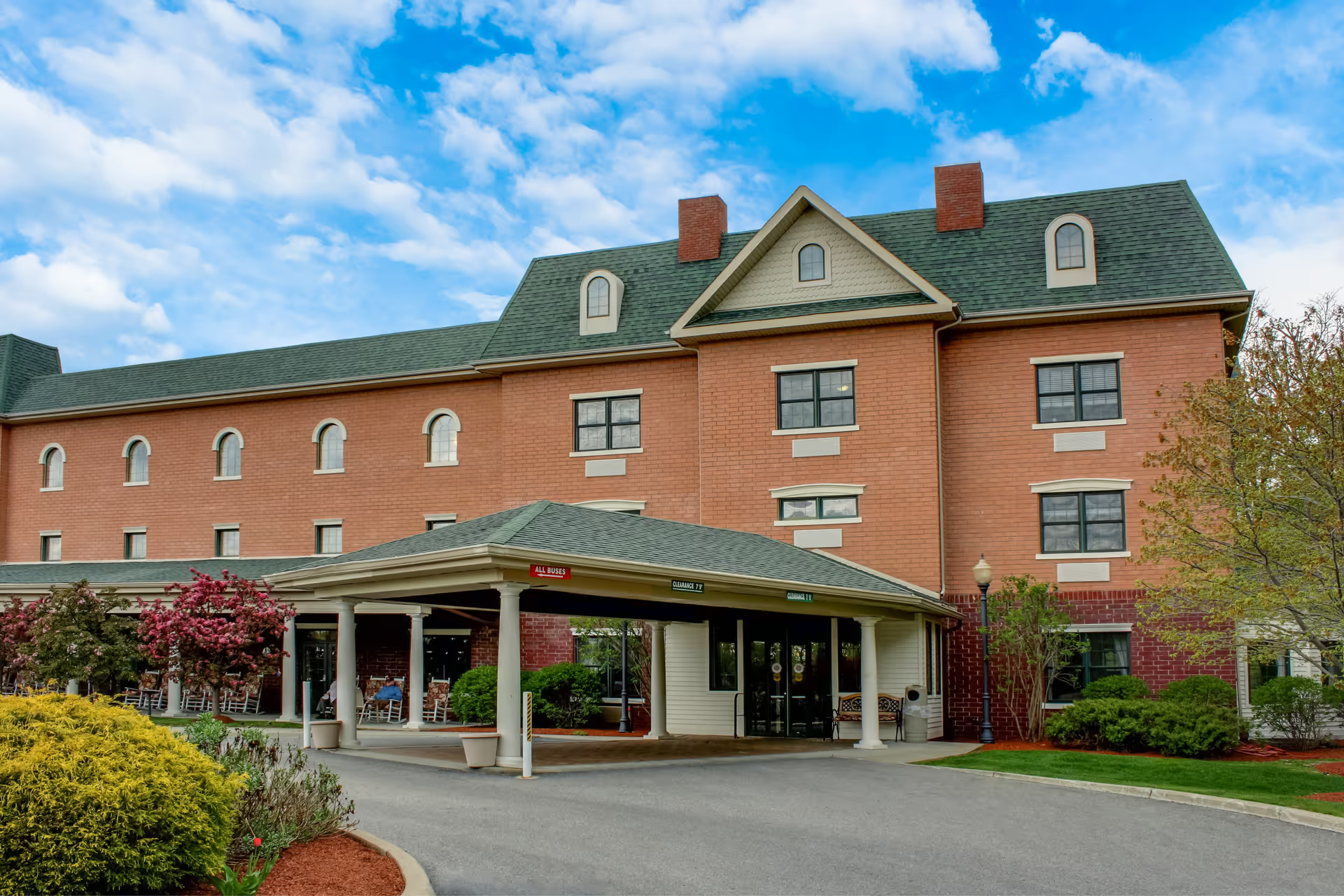
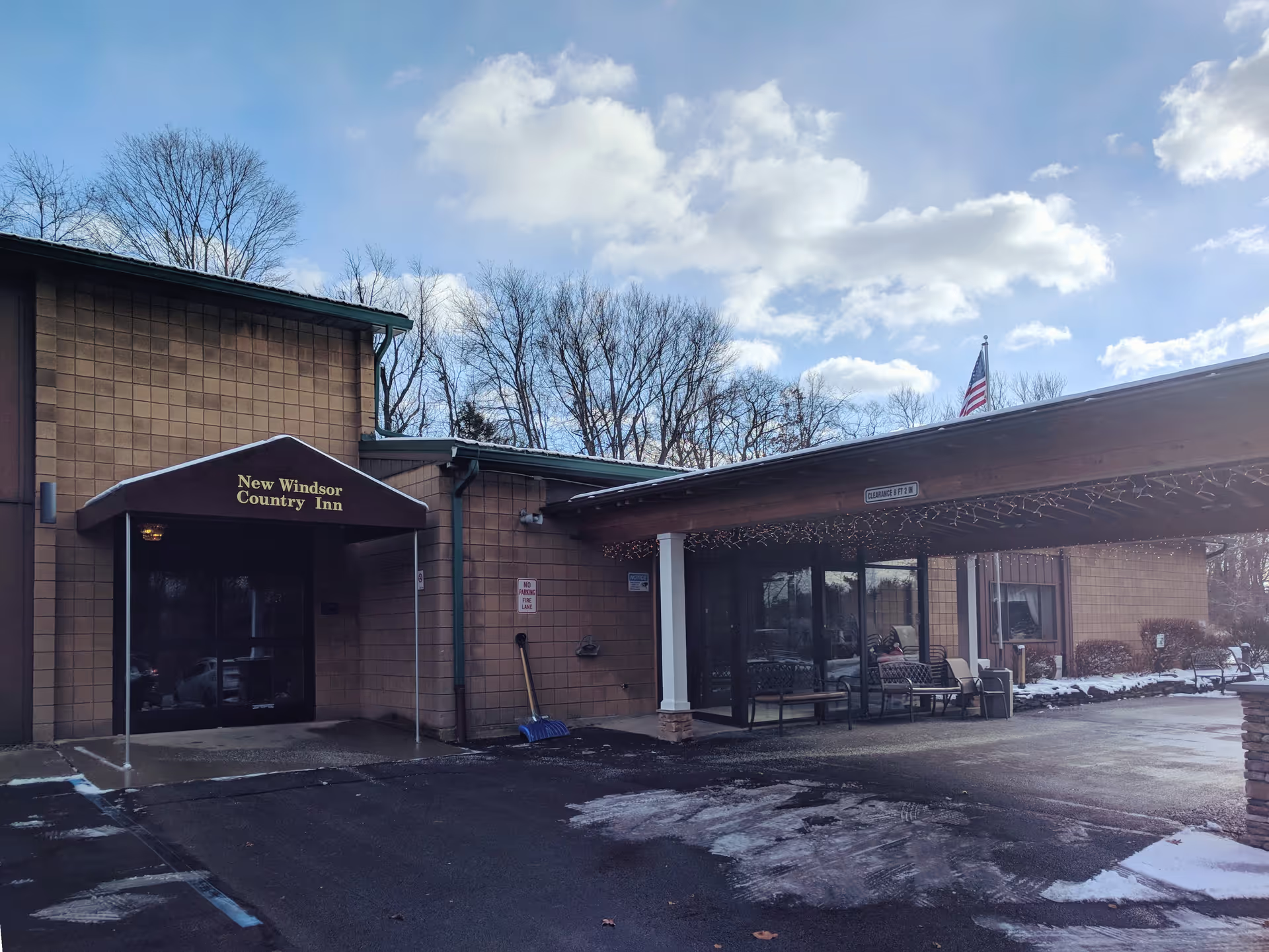
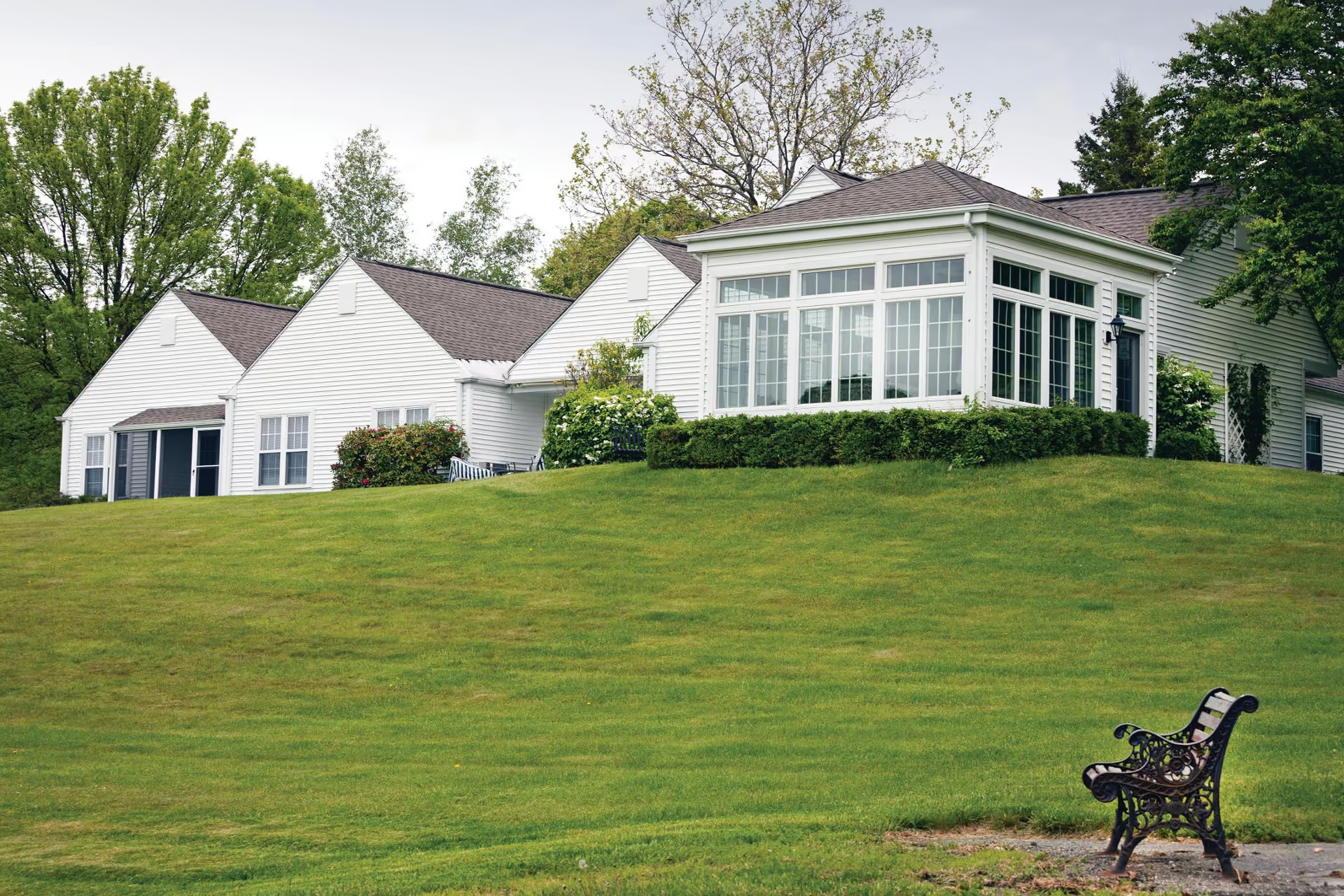
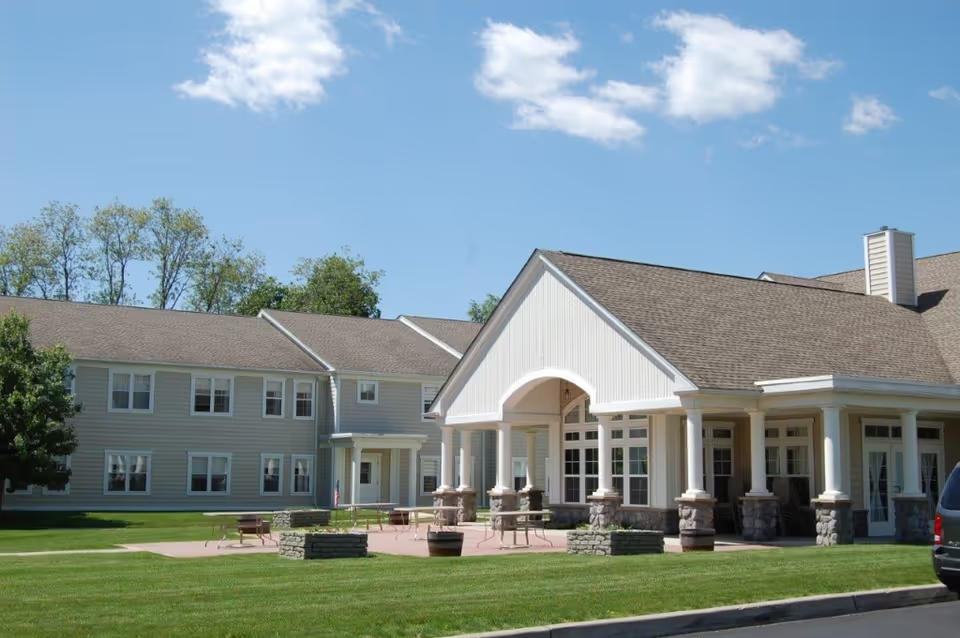
Facilities and accessibility: Interior spaces are often described as clean, freshly painted, and furnished with new furniture; private rooms and some en-suite bathrooms are available, and rooms include cable and phone. Reported limitations include small room size in some units, constrained outdoor access, inconsistent exterior upkeep, and accessibility barriers such as stairs and limited wheelchair access. Some reviewers also indicated the facility is not configured to provide secure lockdown-level memory care for residents with advanced wandering risk.
Management and cost considerations: Leadership engagement is noted as a positive—families reference an owner/manager who is hands-on and communicative. Conversely, some families perceived management as overly controlling in facility policies. Cost is a consistent practical consideration: the facility is described as relatively expensive and does not accept Medicaid, which may limit options for families with constrained budgets.
Notable patterns and recommendations: Prospective families should weigh the trade-offs of a small, intimate setting with close staff attention against limitations in staffing redundancy, activity programming, transportation, and accessibility. The home-like environment, consistent meals, and engaged leadership are strengths; families seeking extensive activities, reliable transportation to appointments, guaranteed multiple-staff coverage at all times, or secure, locked memory-care units should verify those capabilities directly during a visit. Clarify policies on door access and resident autonomy, confirm staffing ratios and backup coverage, and tour both interior and exterior spaces to assess lighting, outdoor upkeep, and physical accessibility before making a placement decision.