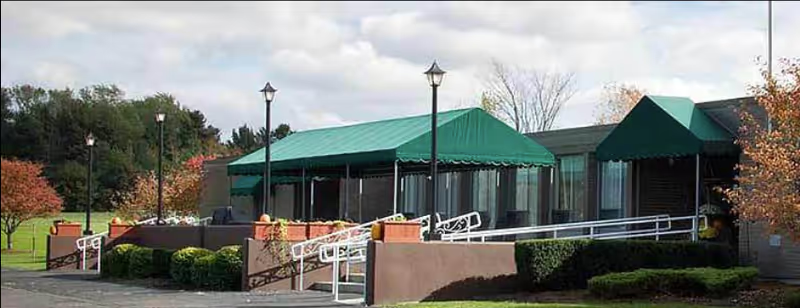
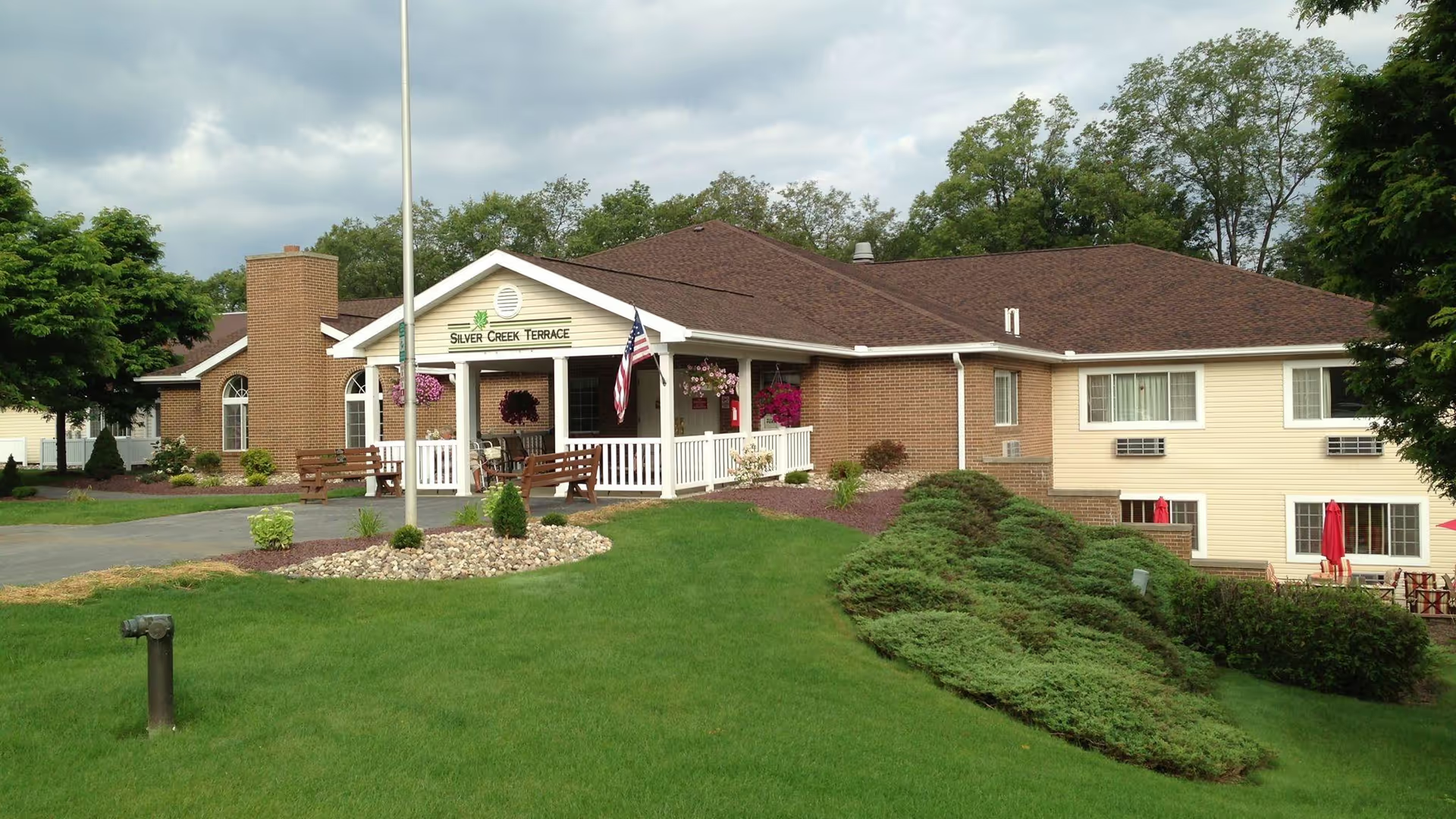
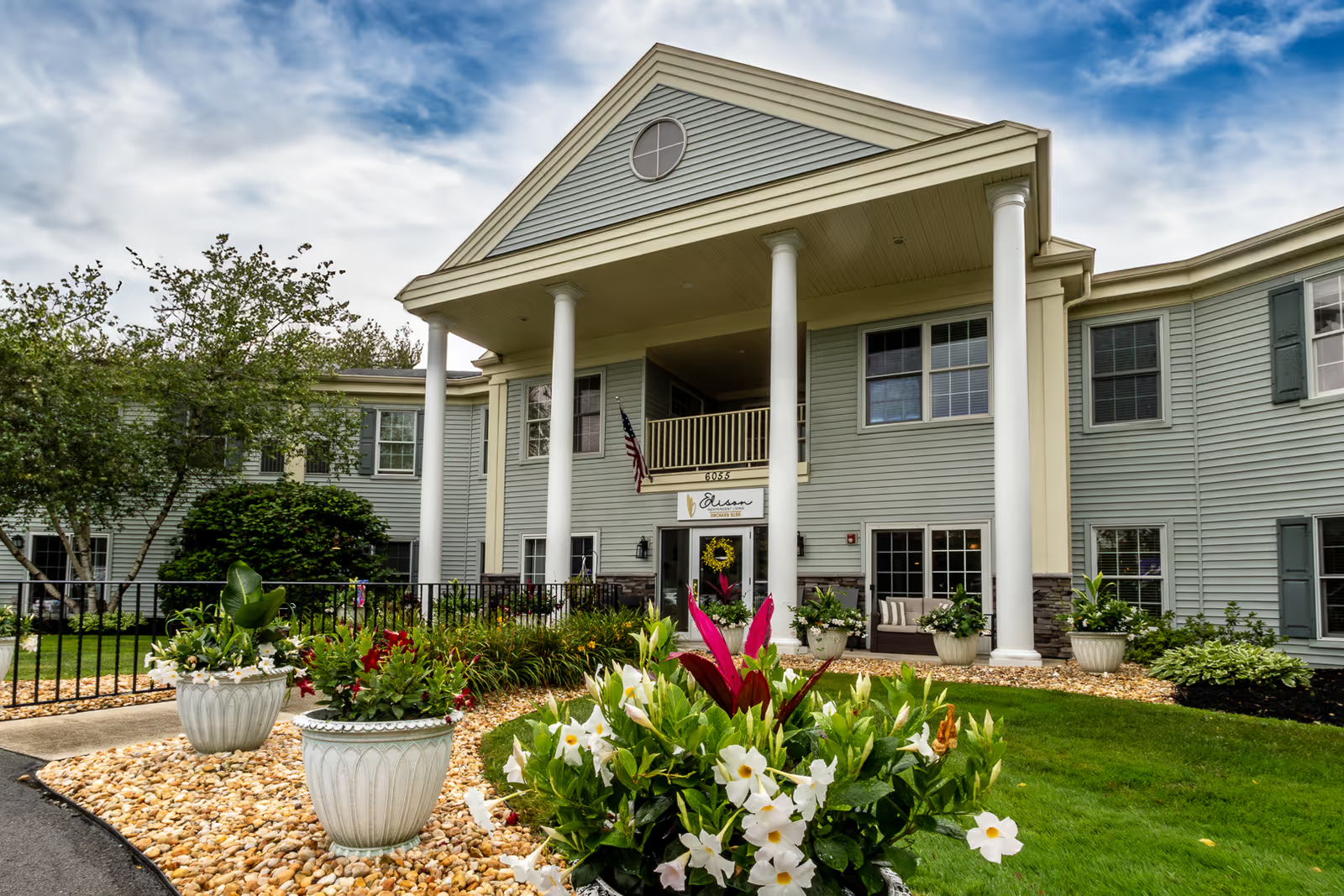
Reviewers present a mixed but actionable picture of Wellsville Manor Care Center. Many families and residents praised the caregiving and therapy teams for being friendly, personable, and attentive; several noted positive rehabilitation outcomes and said they would return for additional therapy. The facility’s public spaces and outdoor courtyards are often described as inviting, and cleanliness and interior upkeep receive strong positive comments from multiple observers. Dining and programming are frequently highlighted as strengths — meal quality was called out positively and the activities program appears broad and well-used, supporting both short-term rehab and longer stays.
At the same time, there are repeated operational concerns that prospective residents and families should weigh. Staffing instability — characterized by turnover and a noticeable number of less-experienced or younger employees — was mentioned alongside instances of staff who appeared uninformed or inconsistent in their knowledge. These workforce issues correspond with lapses in communication and care coordination: reviewers described missed calls, supervisor miscommunication, delayed family updates, and occasions when escalation to outside care or the hospital was not timely. One reviewer described a delayed hospital notification that coincided with a resident’s death; although this appears to be an isolated but serious account, it underscores the need for reliable escalation and family-notification protocols.
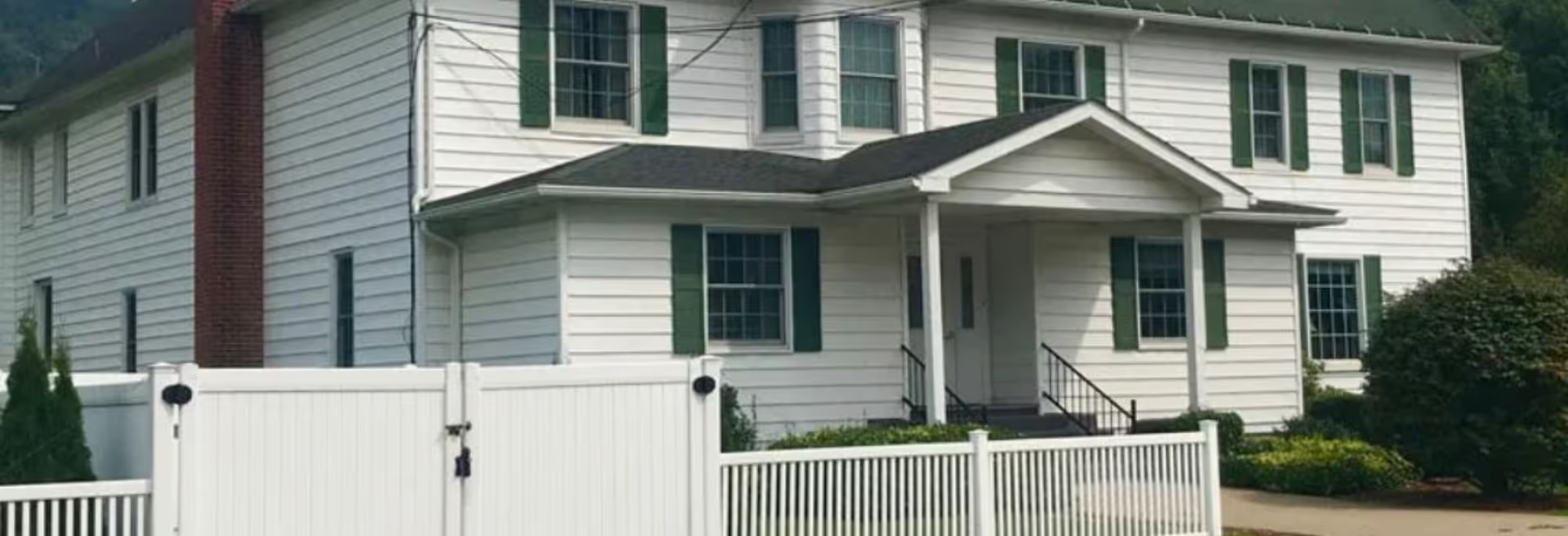
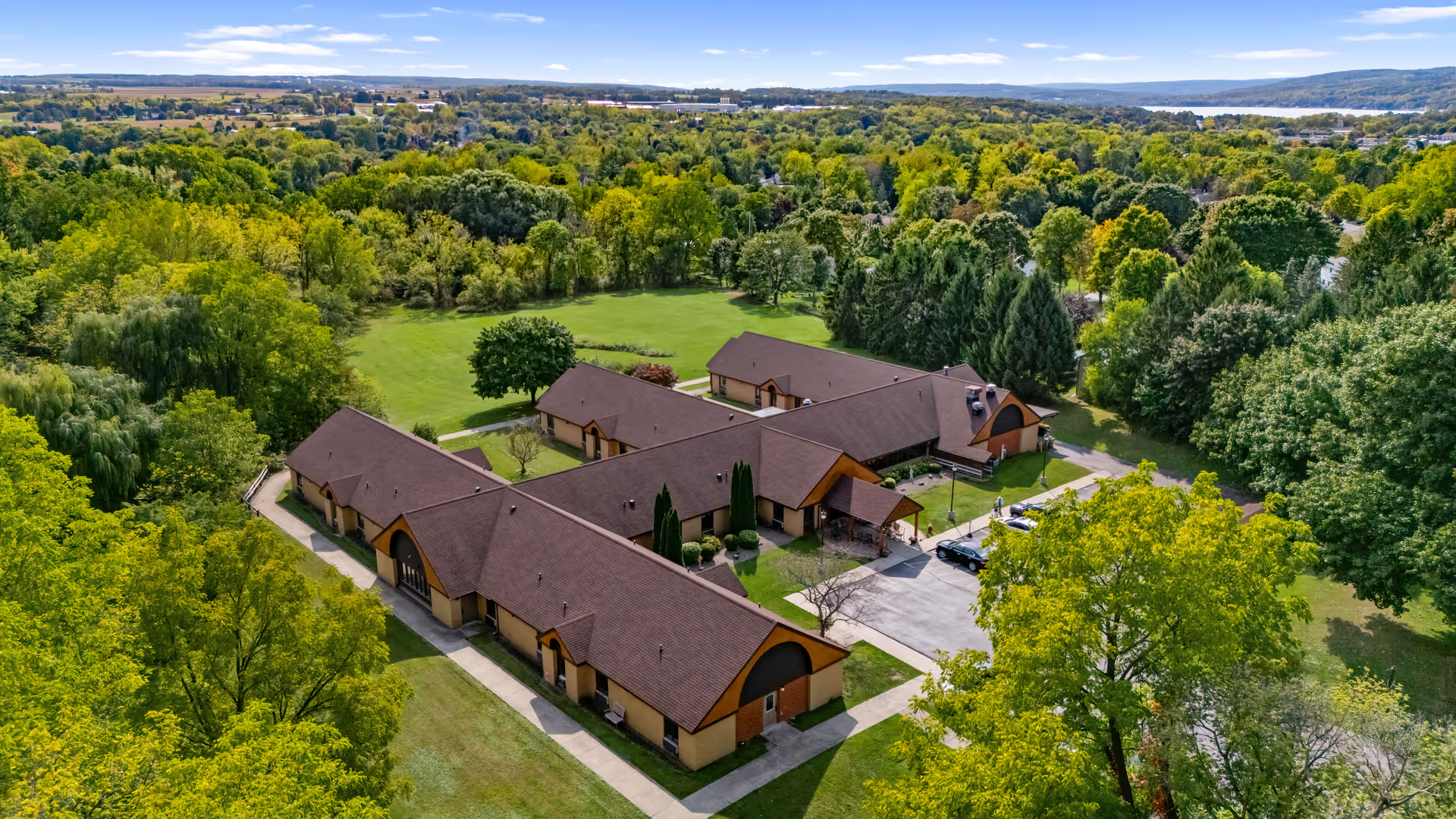
Facility condition impressions are generally positive regarding cleanliness and welcoming areas, but some reviewers also described parts of the building as not well maintained, indicating variability in maintenance and appearance across the site. The facility’s rural setting is a double-edged factor: it provides convenience for nearby families but may limit access to a broader range of external medical specialists, services, and alternative placement options.
In summary, Wellsville Manor appears to deliver solid clinical and rehabilitative care in a clean, activity-rich environment with personable staff in many roles. Key areas for improvement are staffing stability, consistent staff training, clearer and more reliable family communication and escalation procedures, and attention to uniform facility maintenance. Prospective residents and families should consider touring the building, observing staff continuity, asking about communication and escalation protocols, and inquiring about staffing levels during the hours that matter most to them.