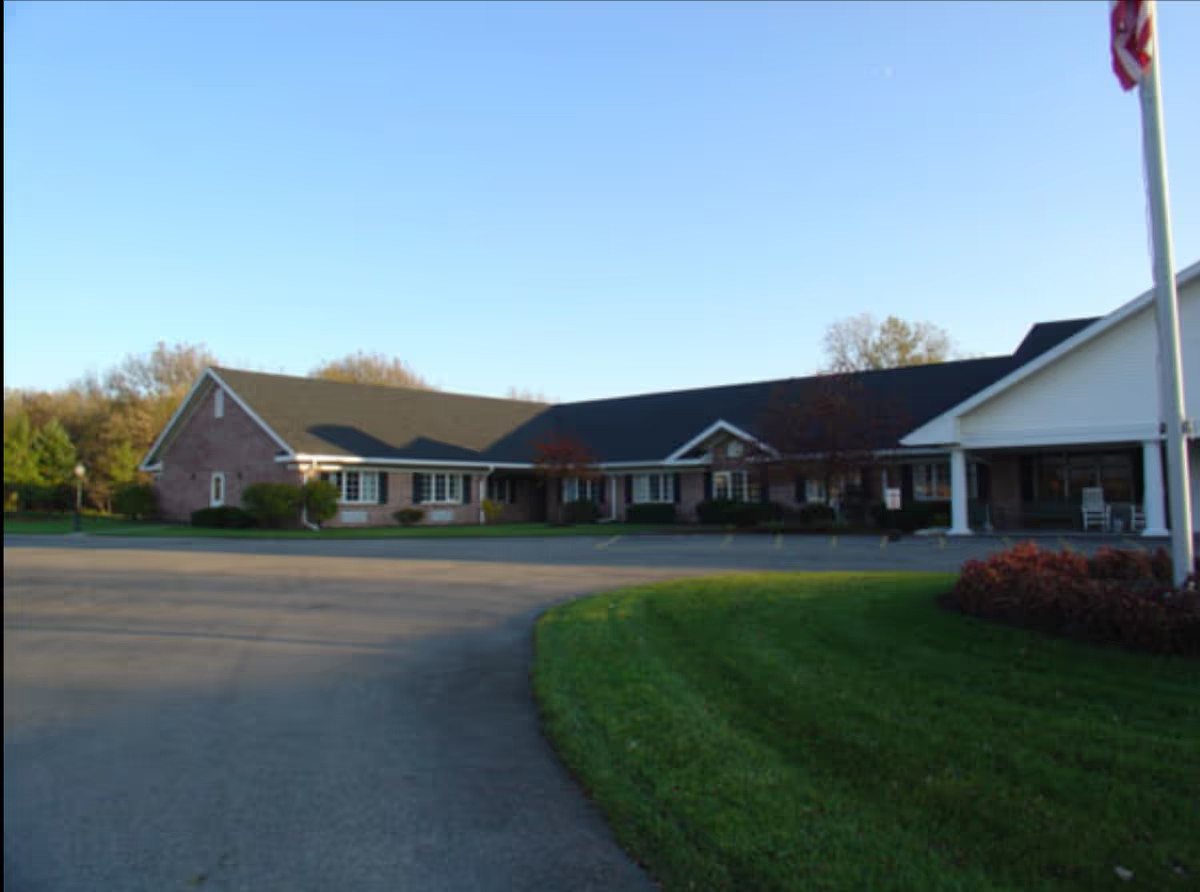
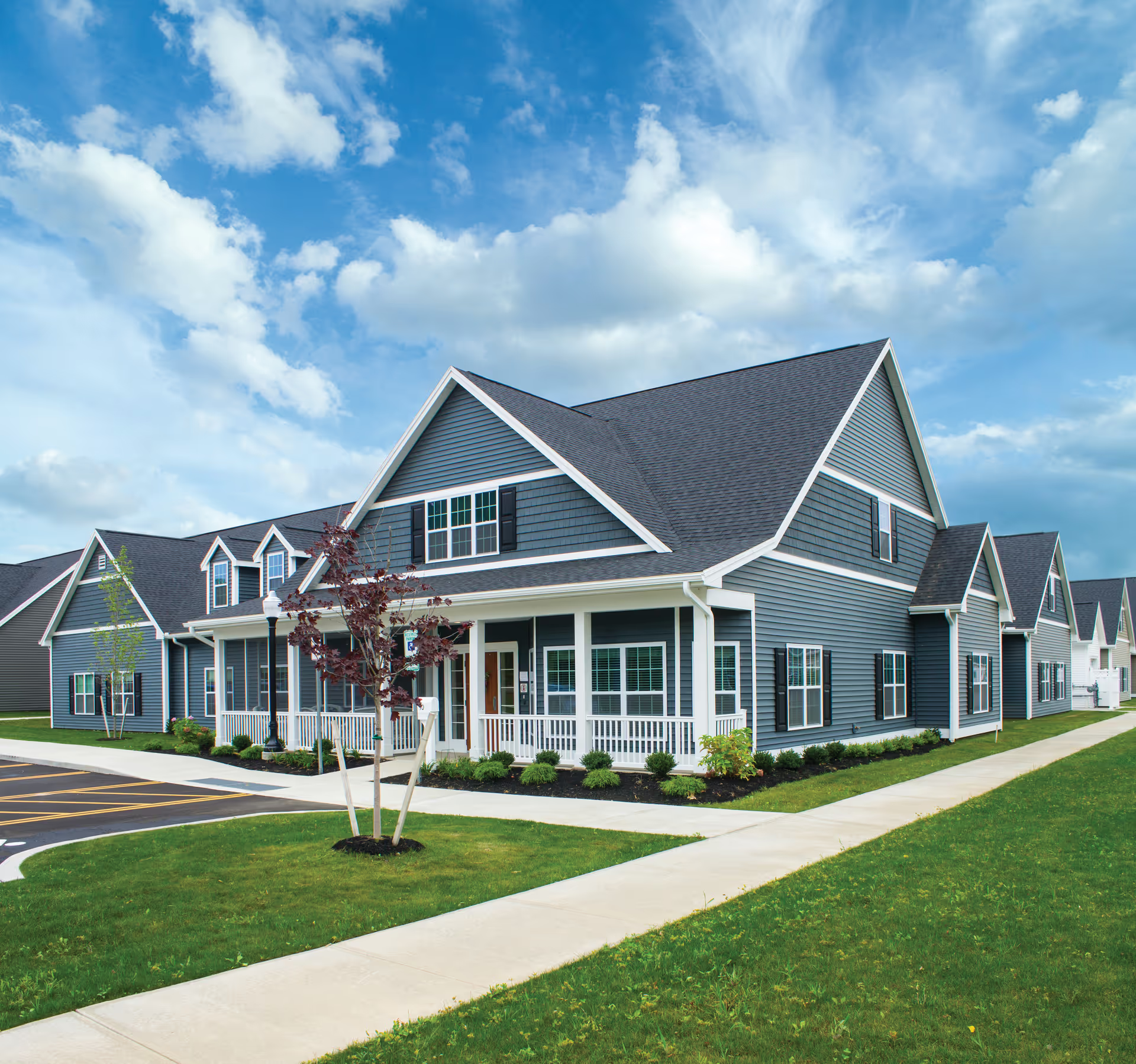
The Estates by Morgan Senior Living presents as a well-appointed community with a broadly positive service profile. Reviewers commonly highlight attentive, friendly caregivers and a visible clinical presence: nurses on staff and physicians available on call. The facility offers private apartment options with kitchenettes and walk-in showers, 24-hour staffing, an emergency call system, and medication-management services. Many families emphasize that the environment is clean, the grounds are attractive, and common areas and newer apartments are spacious and updated.
Dining and programming are strong selling points for many residents. The dining program is described as customizable with varied options; several families linked the meal program to improved appetite and weight maintenance. Recreational programming is diverse and well-attended, ranging from on-site exercise, music, and crafts to scheduled field trips and outdoor activities. An on-site salon, scheduled transportation, and included laundry/linen services add convenience that reviewers valued. Regular family communication, monthly meetings, and a clear transition plan to higher levels of care were also noted as organizational strengths.
Areas of operational concern appear with some consistency across reviews. Housekeeping and laundry quality are described as uneven: while many find the community clean, others reported lapses in linen and housekeeping standards. Food quality and menu choice are similarly variable; some residents praised the meals while others found them lacking on occasion. Staffing performance and care coordination were often characterized as generally good but inconsistent in practice—examples include breakdowns in shift-to-shift communication and delays in obtaining personal items or medications. These issues point to gaps in logistics and documentation workflows rather than a uniform absence of competent staff.
Clinical capacity for residents with higher-acuity memory-care needs is another recurring theme. While the community advertises multiple levels of service and transition pathways, several families felt the assisted-living memory unit did not meet the needs of residents who later required skilled nursing-level care. Related operational gaps include the absence of a wander-management (wander-guard) system at the assisted-living level. Finally, financial considerations are mixed: the community has been described as good value by some families, particularly when many services are included, but others noted price increases and questioned value where resource constraints appeared to affect housekeeping, dining, or activity budgets.
In summary, The Estates offers many of the features families seek—private apartment-style living, visible clinical staff, robust activities, and an inclusive set of services—but prospective residents should assess unit size, current housekeeping and dining practices, and the community’s capacity to manage progressive memory-care needs. Visiting during a mealtime, asking about recent staffing/coordination processes, and reviewing how transitions to higher-acuity care are managed will help families determine whether the operational variability noted in reviews aligns with their expectations and needs.