Reviews describe a facility with clear strengths and recurring operational weaknesses. Strengths most consistently noted include a nursing and therapy staff that many families and residents find caring and competent, an active activities program that promotes socialization (movie days, bingo, dance demonstrations), and generally clean, well-maintained interiors with private bathrooms in rooms. Short-term rehab users frequently praised the therapy team's experience and the speed of discharge planning when the program aligned with patient needs.
At the same time, a prominent pattern across reviews is variability: care quality and staff performance appear inconsistent. While some families described nurses and aides who went above and beyond and administrators who worked well with families, other accounts describe slow response times to call bells (examples cited were on the order of tens of minutes), delays in attending to basic needs, and uneven assistance from different staff members. This inconsistency is linked in several reviews to chronic staffing shortages and a reliance on agency or temporary workers, which reviewers tied to higher workloads, training gaps, and communication breakdowns among staff.
Dining and nutrition emerged as another mixed area. The dining environment received positive mentions for atmosphere and certain special meals, but operational issues were also described: meals delivered late in the evening, inconsistent food temperature, and variable food quality. These operational problems were sometimes attributed to staffing patterns in the dining and nursing departments rather than to kitchen facilities alone.
Clinical and administrative processes showed areas of concern. Reviewers identified gaps in clinical-monitoring practices and medication-administration processes, and a few accounts described missed or delayed clinical tasks and therapy scheduling. Administrative impressions vary: some families praised the management team as organized and helpful, while others pointed to perceived shortcomings in supervisory tone, organization, and staff support. These contrasting impressions suggest uneven leadership visibility or inconsistent unit-level management practices.
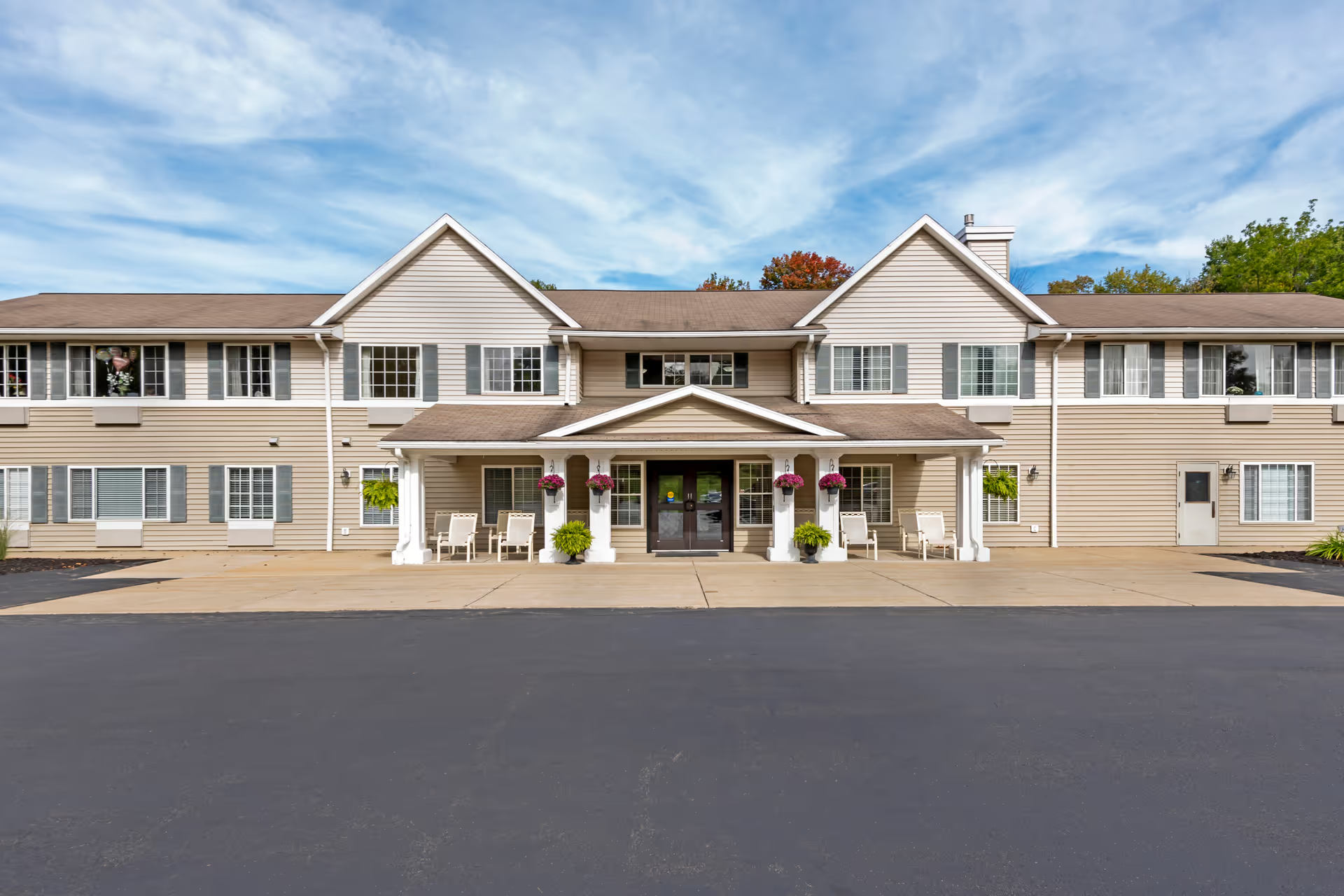
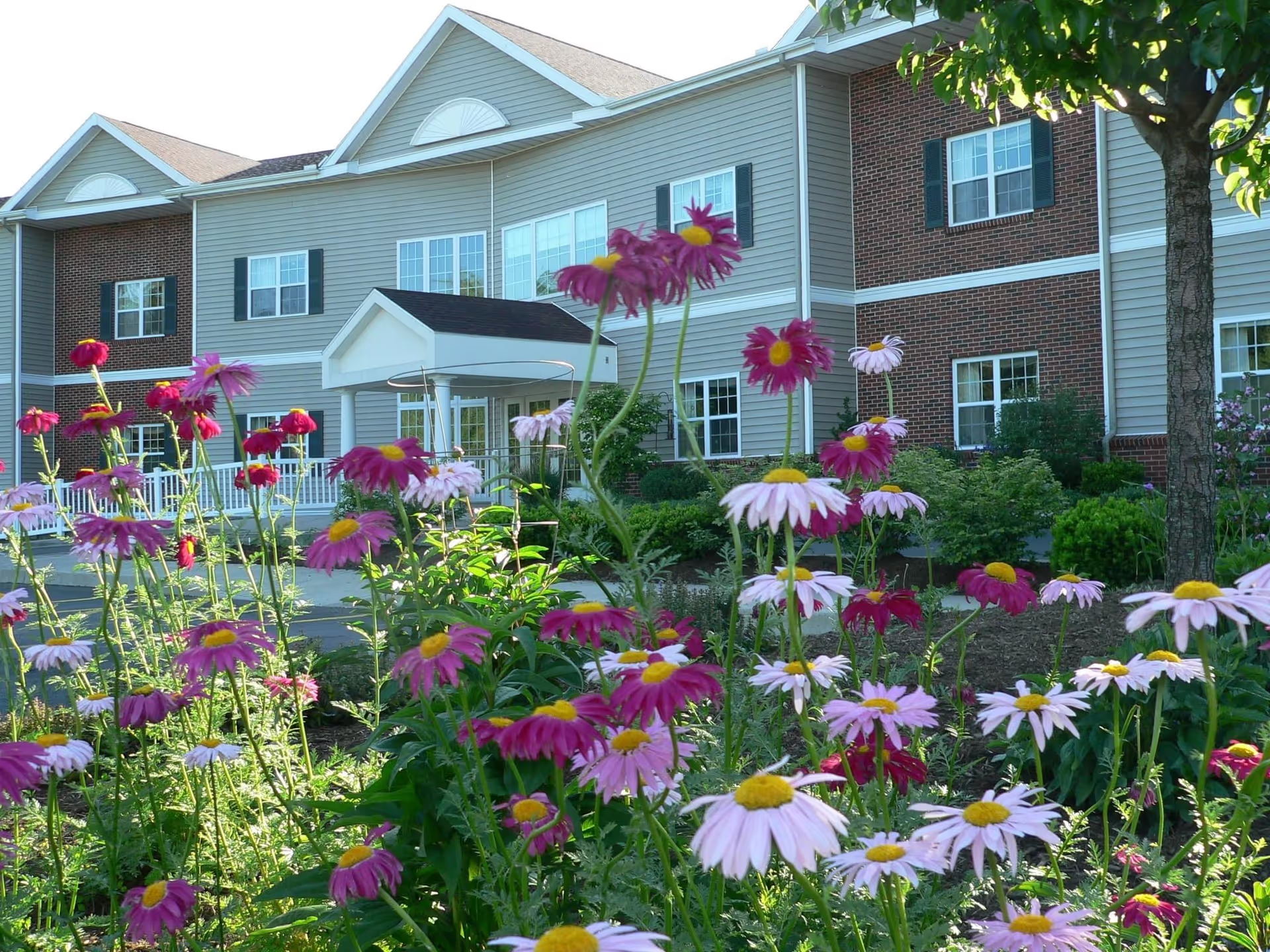
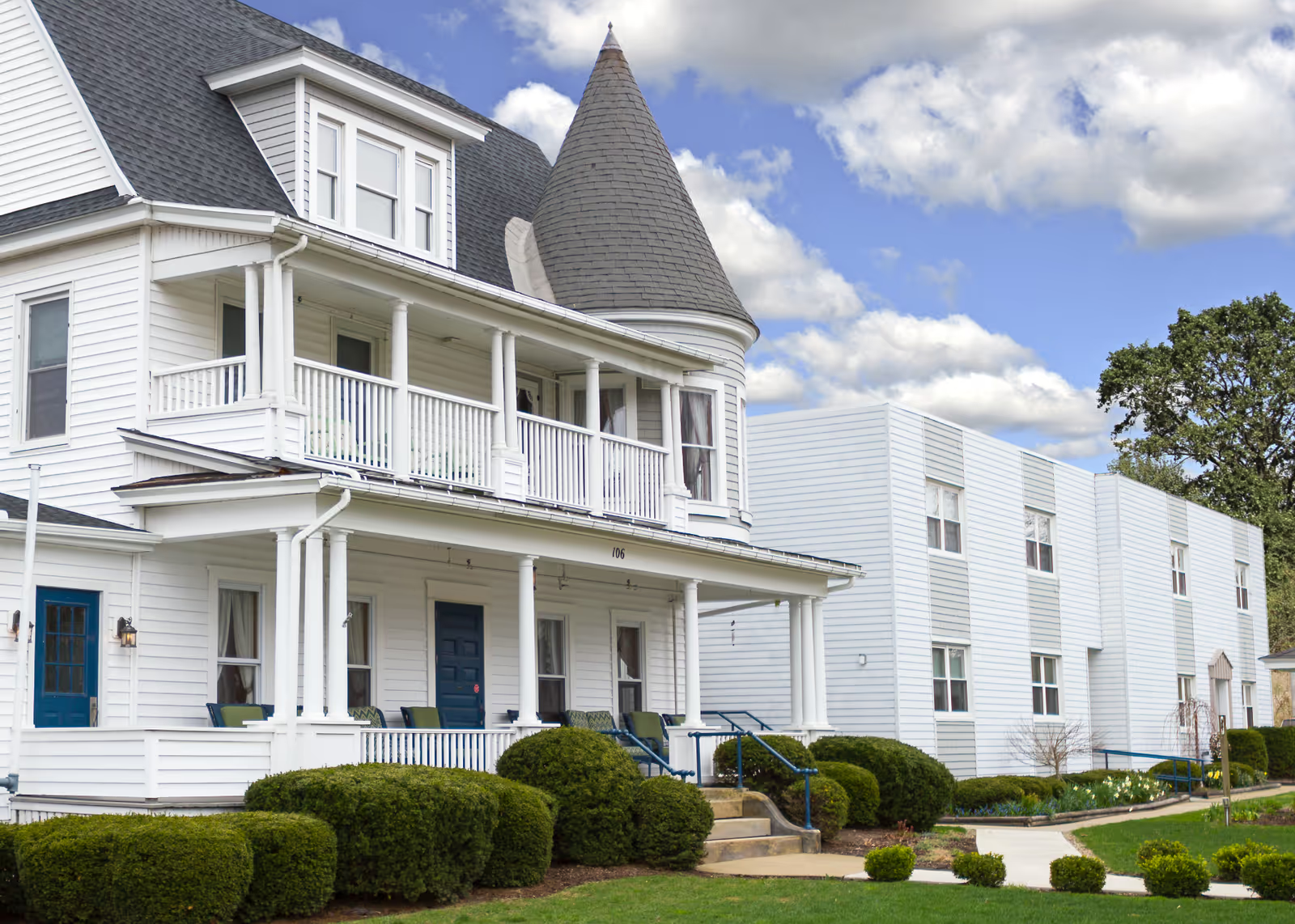
The physical plant is generally described as clean and well-maintained, but not especially modern. The on-site rehab department is characterized as efficient for basic needs but limited in size and equipment for more complex rehabilitation. Finally, a small number of reviews expressed severe safety or legal concerns about individual incidents; these comments coexist with many positive care anecdotes and appear to reflect outlier experiences rather than uniform practice.
Overall, Absolut Care of Westfield appears to offer several real strengths—compassionate staff members, a solid therapy program for many short-term patients, cleanliness, and active social programming—while also exhibiting persistent operational issues around staffing, training, meal service, and some clinical and supervisory processes. Prospective residents and families should weigh the facility's interpersonal and rehabilitation strengths against the potential for variability in daily responsiveness and consider speaking directly with current families and visiting during different shifts to assess consistency in care and operations.