The reviews for Clapp's Convalescent Nursing present a mixed picture: many families and residents praise the clinical therapy teams, frontline caregiving staff, dining, and activities, while a subset of reviewers described serious operational and safety concerns. Strengths most frequently cited include skilled physical and occupational therapy, a personable and attentive nursing and therapy workforce, an engaging activities program (with specific praise for the activities director), and generally enjoyable meals. Several reviewers emphasized that staff treated residents with respect and helped create a comfortable, person-centered atmosphere during rehabilitation stays.
Care and staff: Positive comments cluster around the clinical rehabilitation experience. Therapy teams are described as effective and supportive, and multiple families reported favorable rehabilitation outcomes and relief as residents progressed. Nursing and support staff were often characterized as kind and respectful, and some reviewers specifically noted attentive housekeeping and a welcoming, decorated environment that contributes to resident comfort.
Dining and activities: Dining quality is frequently noted as a positive; reviewers used terms indicating residents enjoyed meals. The activities program and its leadership received particular praise for engaging residents and improving mood and participation. These programmatic strengths appear to be consistent selling points for short-term rehabilitation and social engagement.
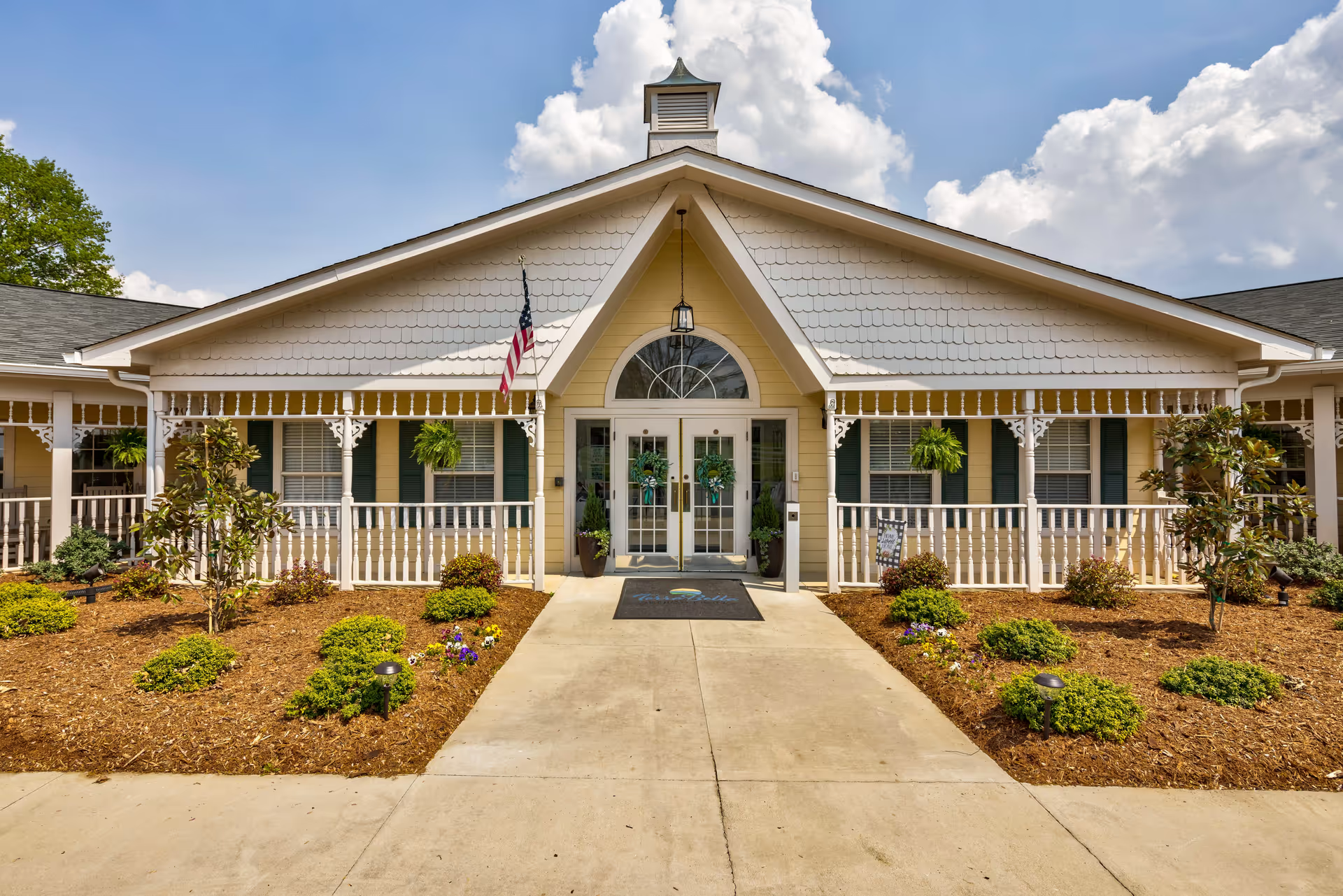
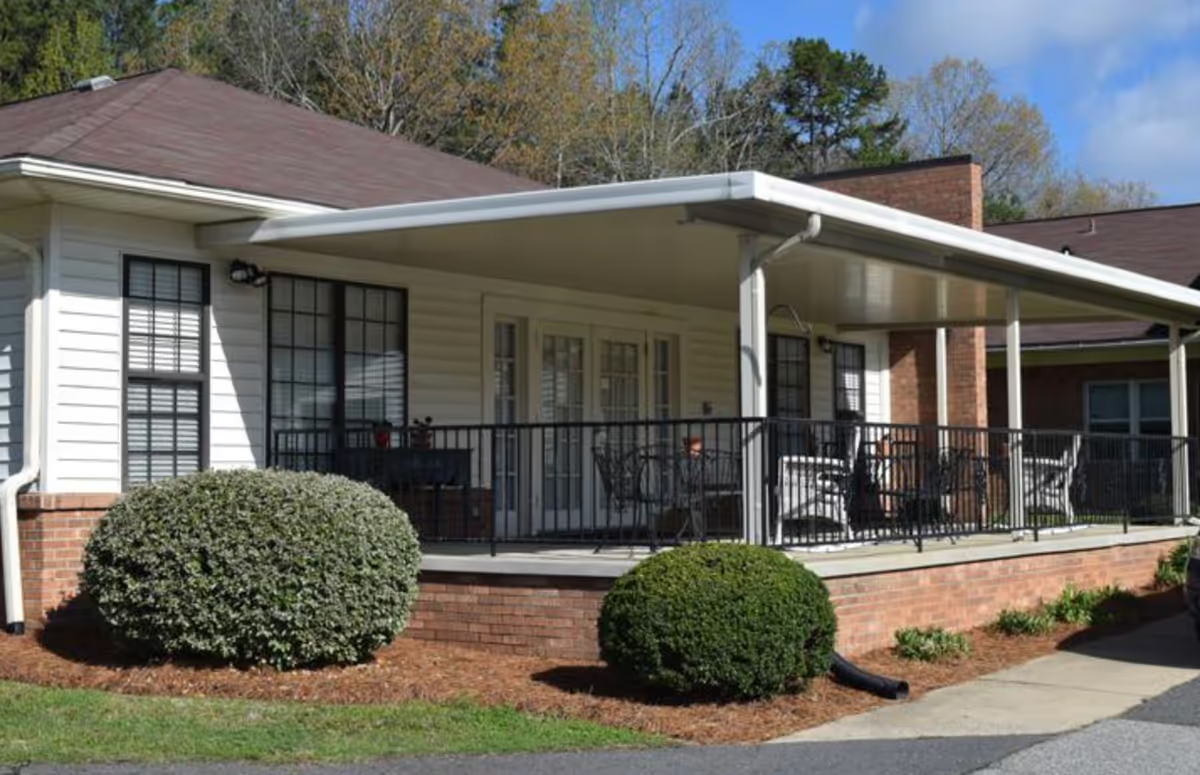
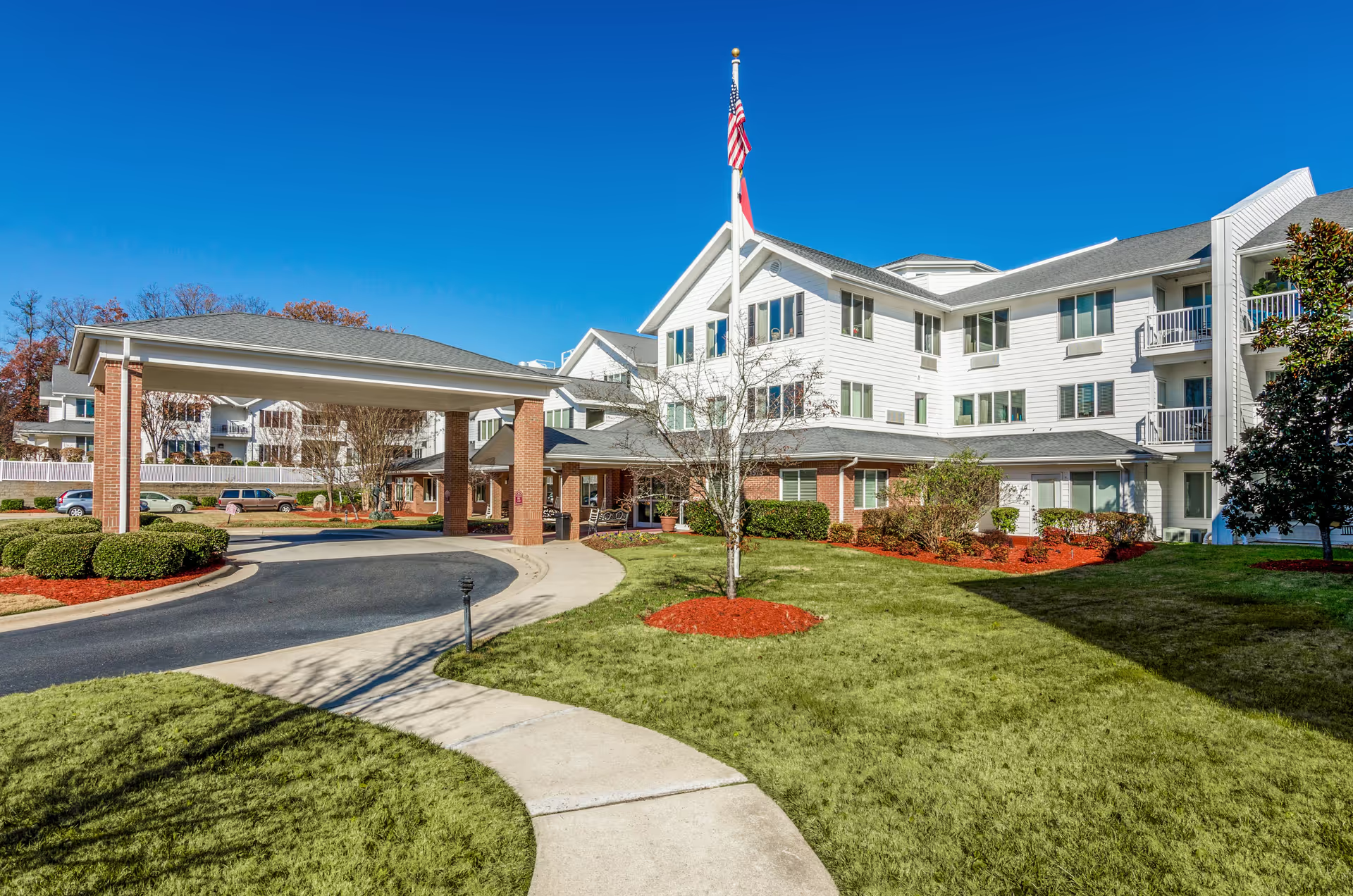
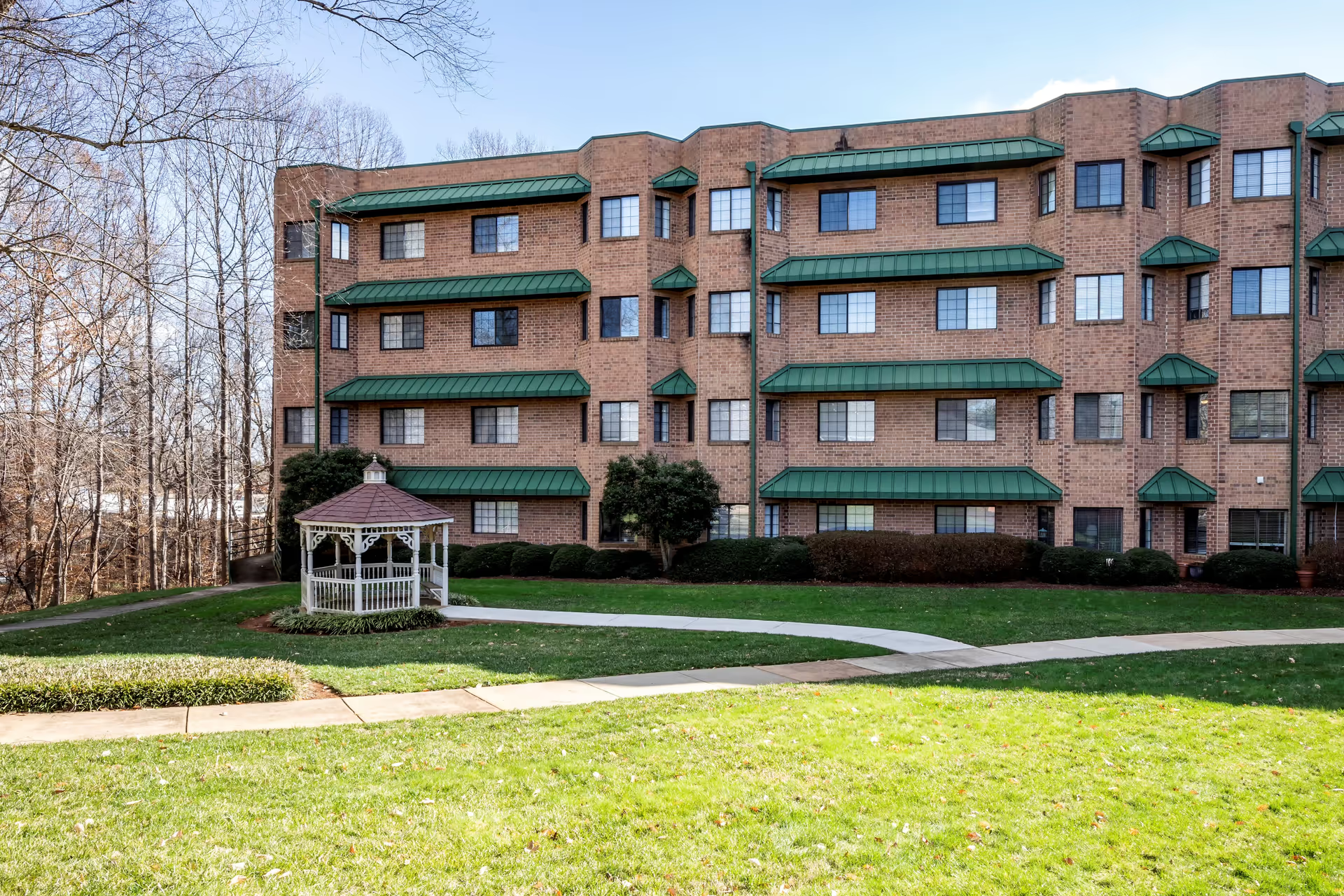
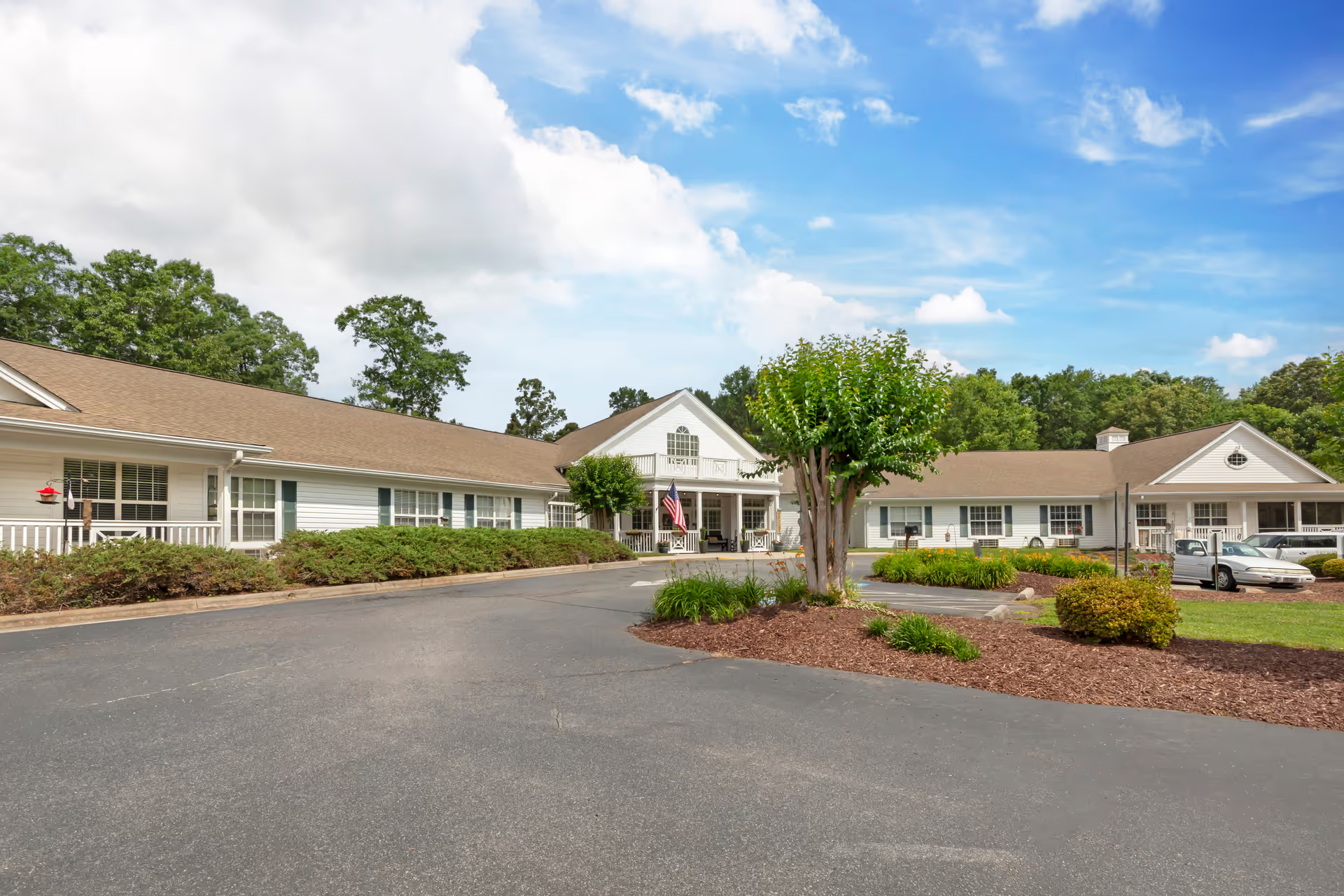
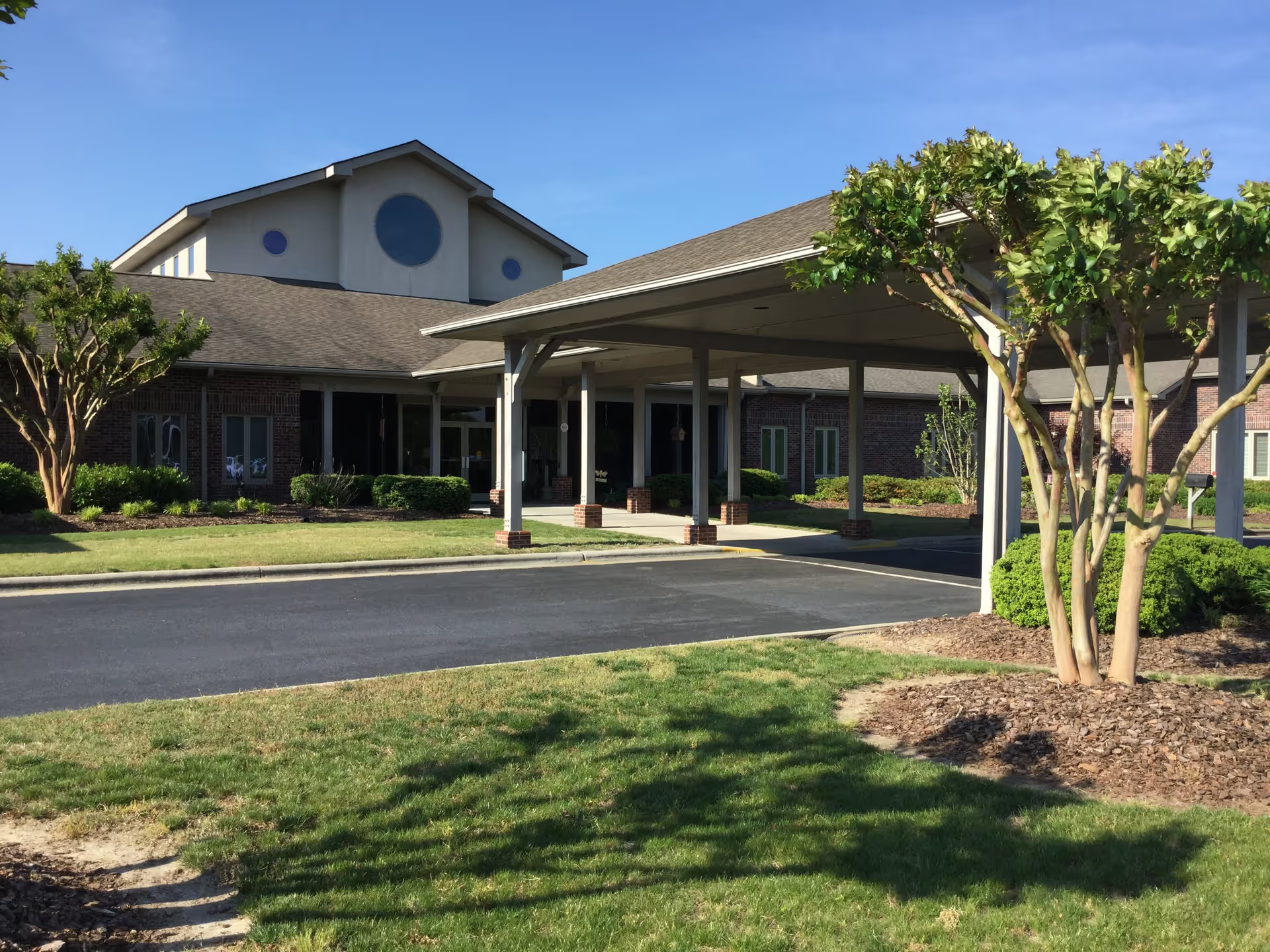
Facilities and sanitation: While some reviewers praised the facility's appearance and decorations, others raised sanitation and odor concerns in common areas and noted visible carpet staining. These comments suggest variability in environmental upkeep between areas or shifts. Families should inspect common spaces and ask about housekeeping protocols and frequency during a tour.
Management, safety, and operational patterns: Several reviews raise more serious operational issues. Common themes include inconsistent communication with families, gaps in discharge coordination and post-acute/home-health follow-through, and concerns about infection control — one review referenced a C. difficile infection after a transfer. Medication-management weaknesses and at least one review describing a medication-administration event with a severe outcome prompted family alarm. There are also notes about regulatory deficiencies on health inspections. Taken together, these items point to variability in management oversight, care consistency across shifts, and quality-control processes.
Overall assessment and practical guidance: Prospective residents and families will see clear strengths in rehabilitation therapy, daily caregiving interactions, meals, and activities. However, the reviews also identify operational risks that some families found significant. When considering this facility, ask for recent inspection reports, infection-control policies, specific discharge-planning procedures (including coordination with home health), medication-administration safeguards, staff-to-resident ratios by shift, and examples of how the facility communicates with families during incidents. Request to speak with the therapy director and nursing leadership, and observe housekeeping standards in common areas. This balanced approach will help weigh the facility's programmatic strengths against the operational concerns raised in reviews.