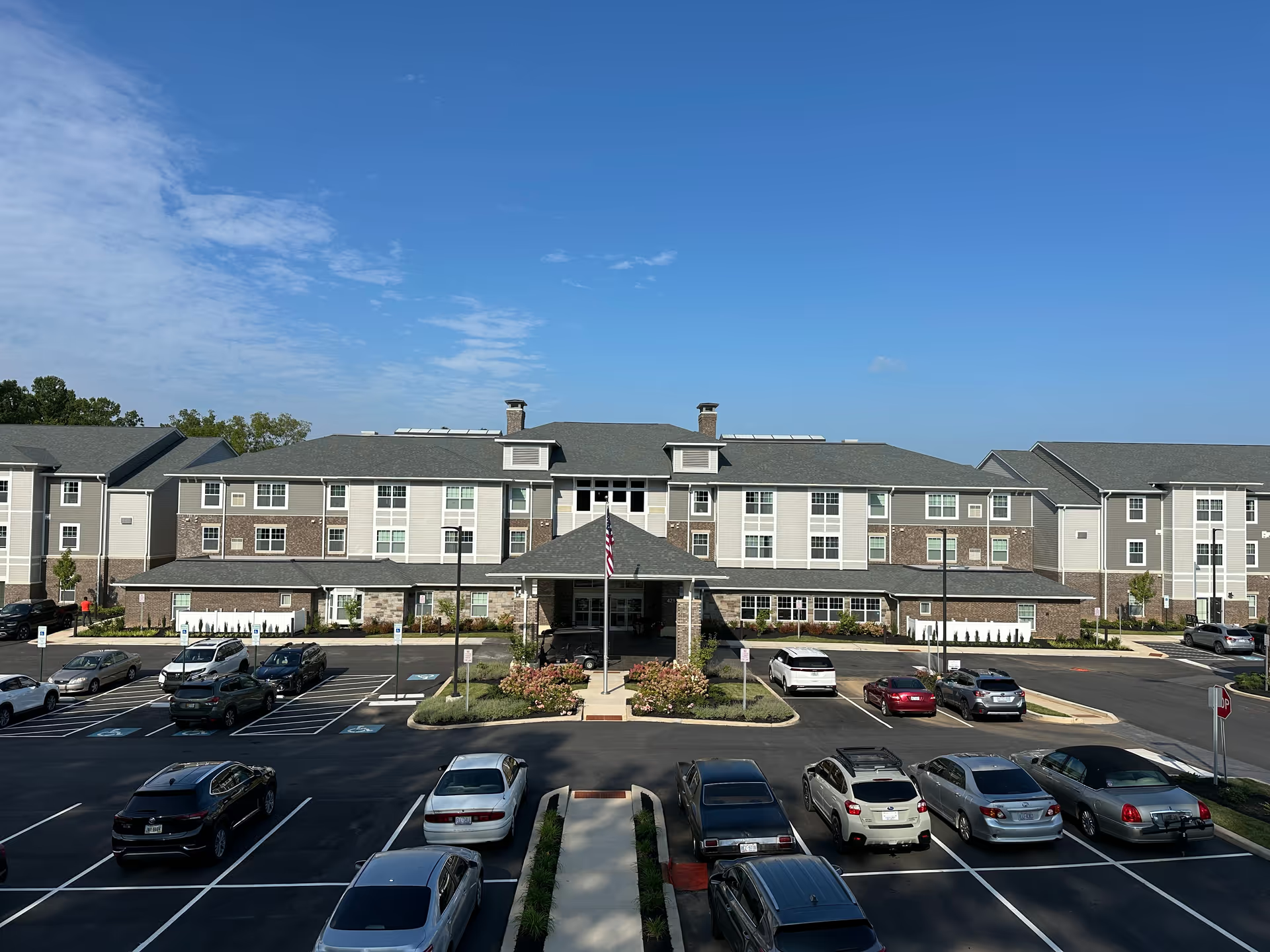
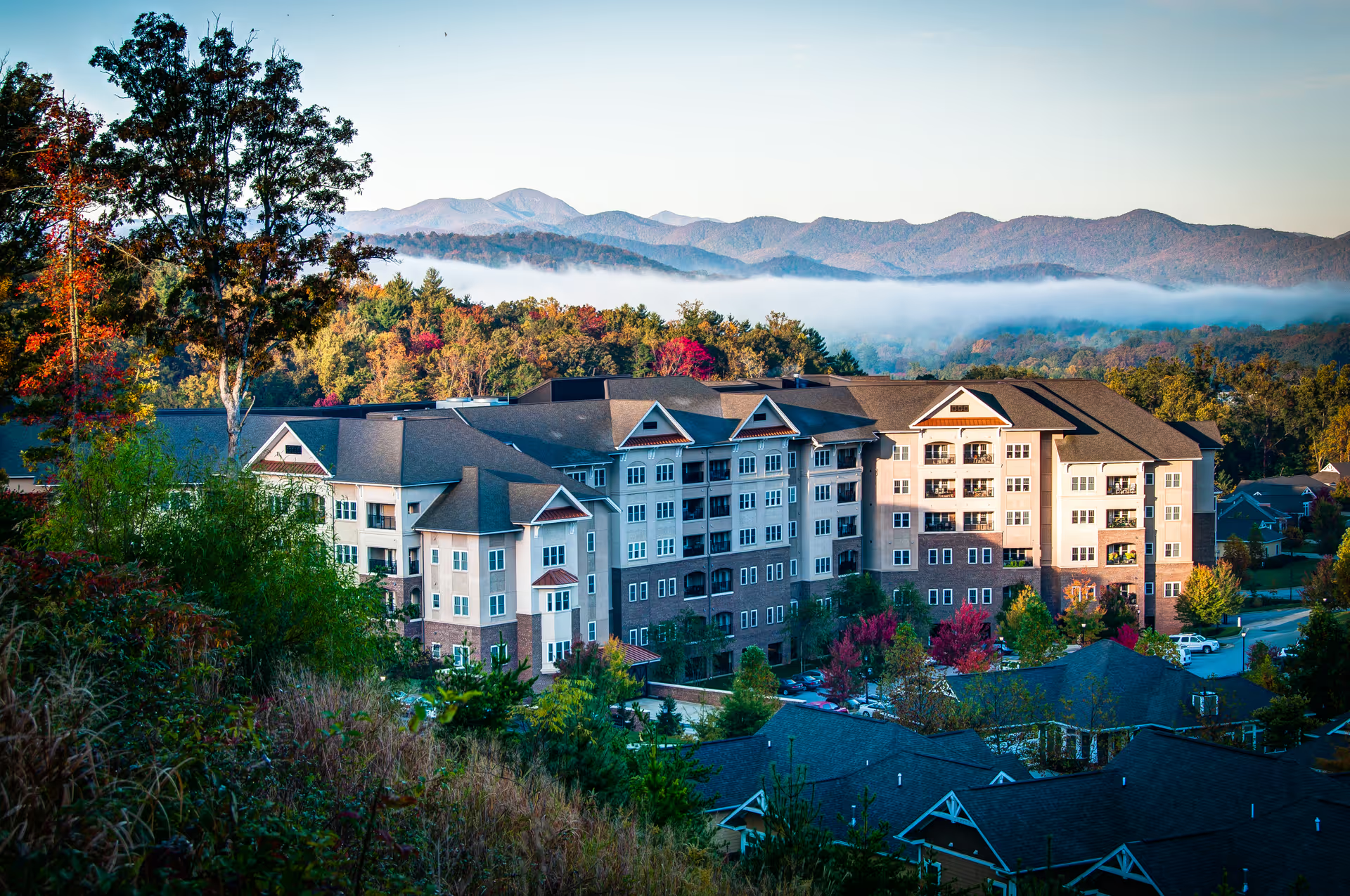
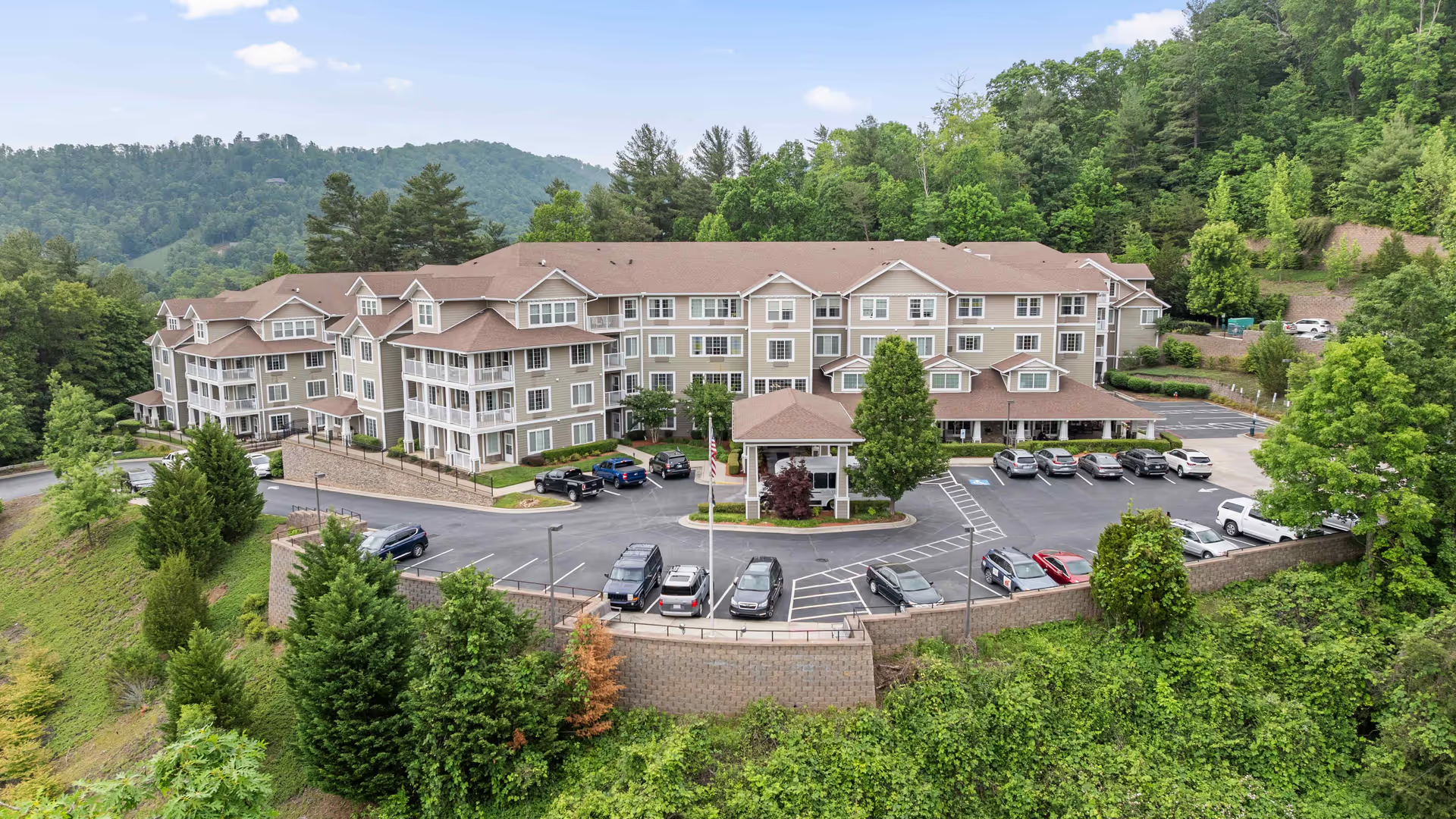
Arbor Terrace Asheville is consistently described as an upscale, small-scale assisted living and memory-care community with a strong emphasis on personalized, relationship-based care. Families and visitors commonly note that staff are warm, attentive, and familiar with residents by name; reviewers highlight long-tenured employees and accessible leadership that contribute to continuity of care. The community’s memory-care unit receives frequent praise for improving residents’ quality of life and for staff who combine professional clinical skills with a personal, family-oriented approach.
Dining and nutrition are recurring strengths. The dining room on the first floor is characterized as pleasant and restaurant-like, with reviewers noting well-prepared meals, individualized menus, and attention to residents’ nourishment needs. Activities are another prominent positive: the community maintains an active activities director, frequent in-house and outside entertainment, arts-and-crafts, themed events, and dementia-appropriate programming. Those elements are credited with keeping residents engaged and socially connected.
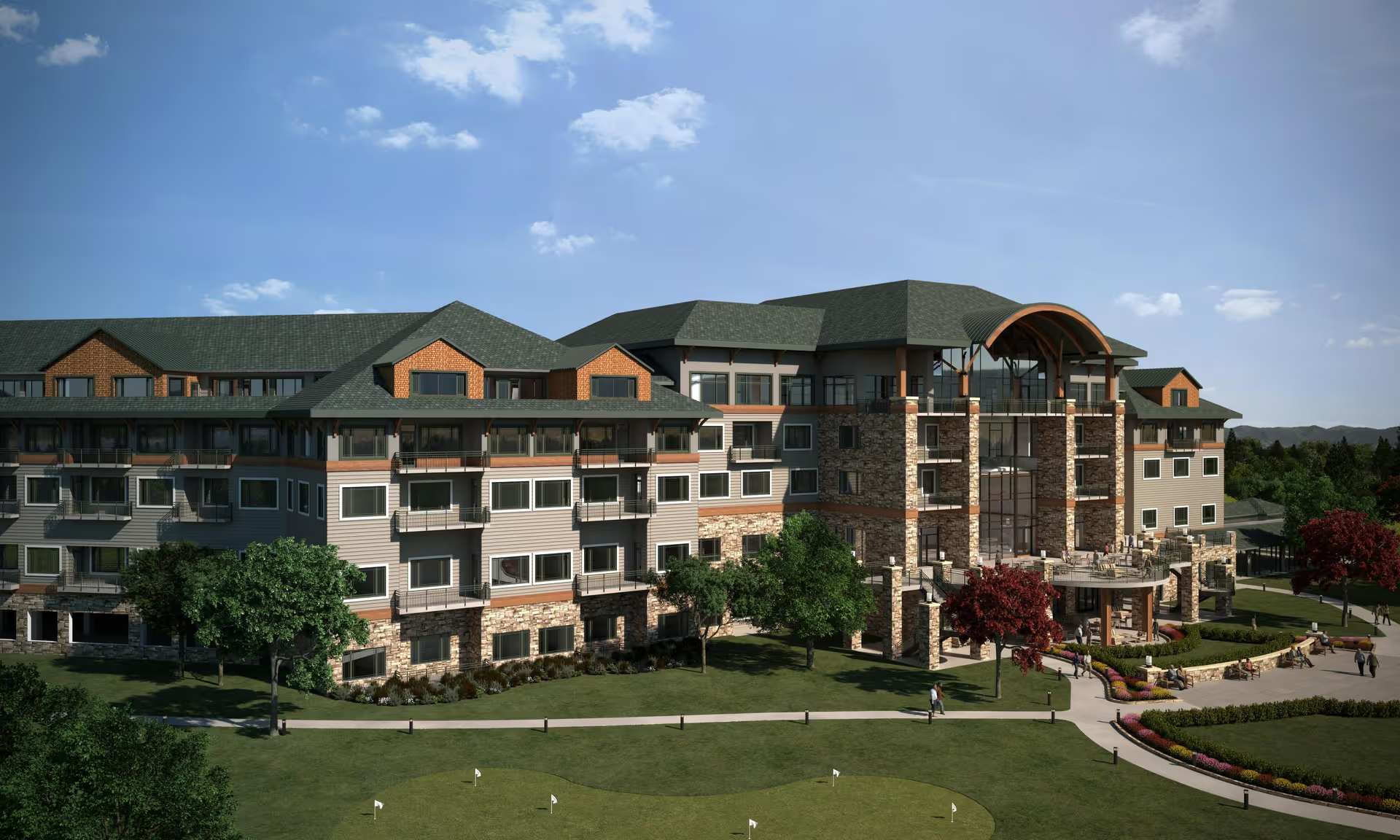
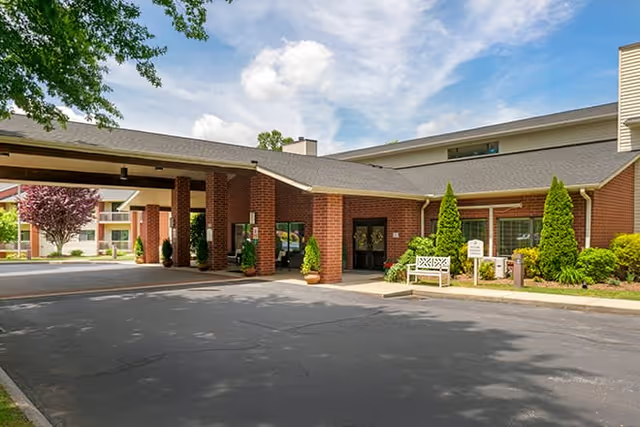
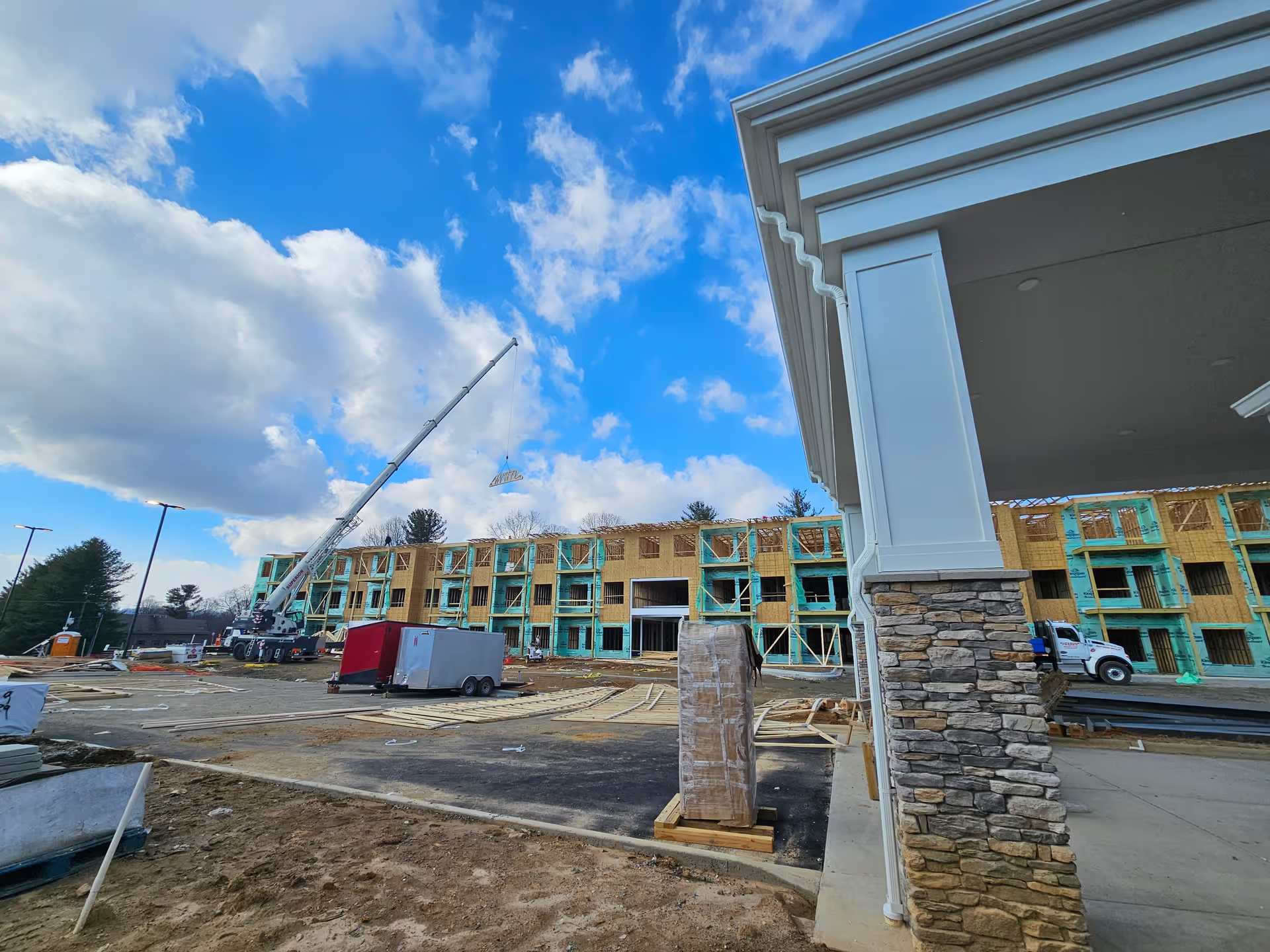
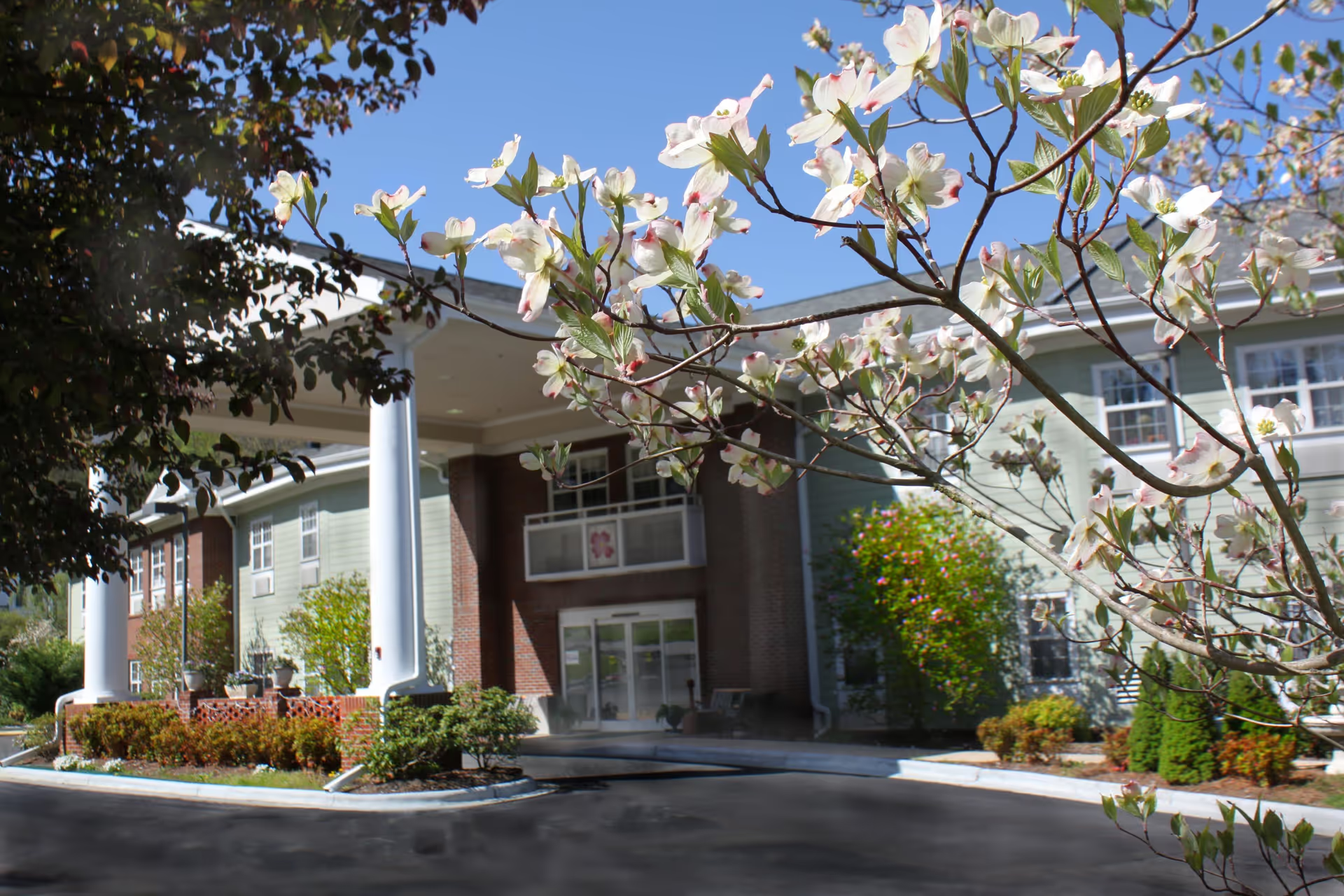
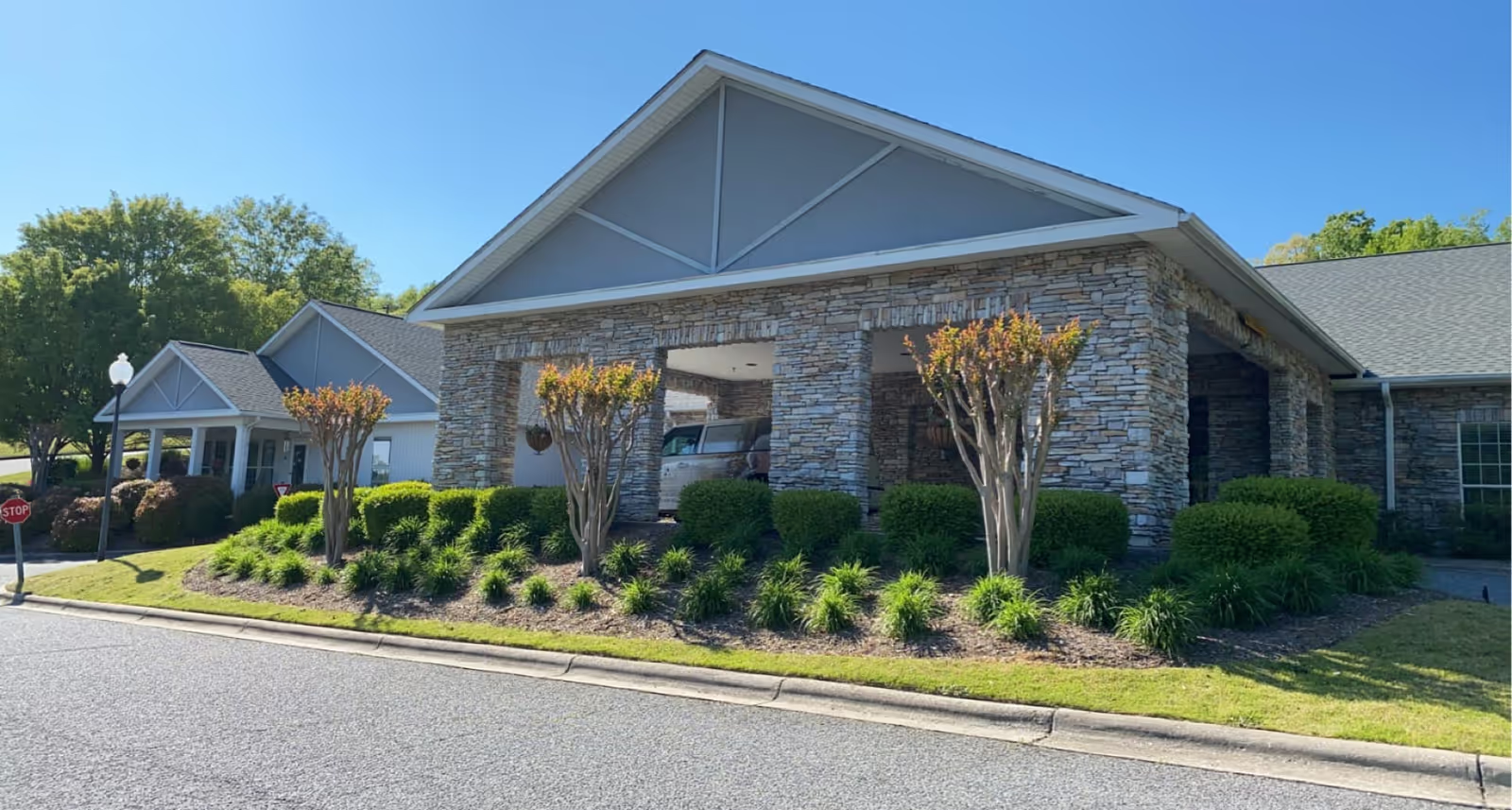
The physical plant is generally described as clean, well-maintained, and attractively appointed, with upscale decor, rotating artwork, and a comfortable garden and outdoor seating. Apartment options include studios and one- and two‑bedroom units that reviewers find spacious and well-kept. On-site amenities such as a salon, small library, and beauty shop, plus transportation and some on-site medical/therapy services, add convenience for residents and families.
Operational patterns to consider: the community is relatively small, which many reviewers view as a benefit for personalized attention but can translate into limited common-space dimensions and narrower hallways. There is limited availability of first-floor units, which may be important for residents with mobility needs. Several reviewers raised that the facility’s pricing and ADL-tier structure is higher than average for the region. A policy limiting staff-assisted wheelchair pushing was noted and may affect prospective residents who require staff mobility assistance. A few comments point to variable interior natural light in some areas and occasional cosmetic maintenance needs.
Administrative strengths include responsive managers who facilitate tours, transitions, and family communication; specific staff and coordinators were frequently cited for helpfulness during move-in and care planning. However, a small number of reviewers described administrative or HR communication inconsistencies, suggesting that prospective residents and families should confirm policies, staffing practices, and any mobility or clinical limitations during the tour. The campus sits near a busy commercial area in South Asheville; while many reviewers appreciated the convenient location, others noted the immediate surroundings are more commercial than rural or park-like.
Overall, Arbor Terrace Asheville presents as a well-regarded, boutique-style community with strong interpersonal care, robust dining and activities, and an attractive physical setting. Prospective residents and families should weigh the benefits of the intimate, high-quality service model against higher costs, potential mobility-policy limitations, and constrained first-floor/unit availability when determining fit and suitability.