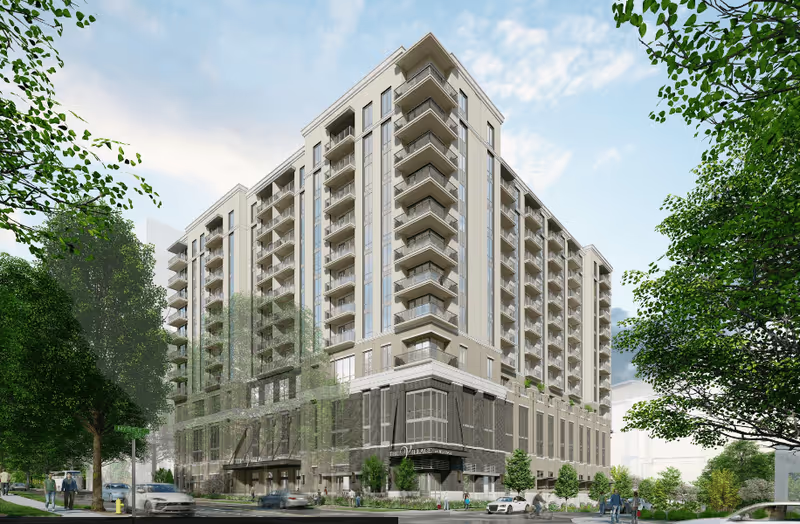
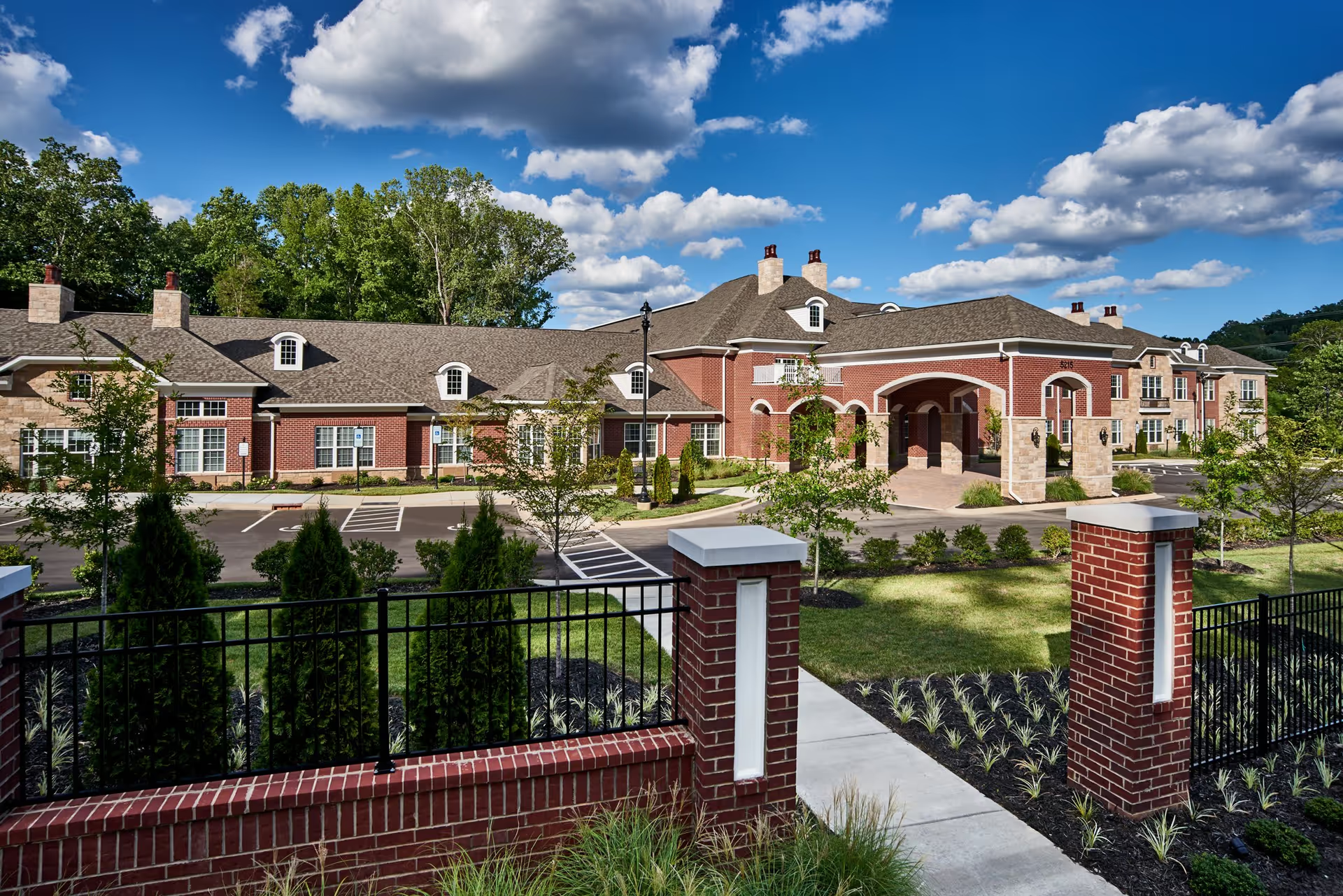
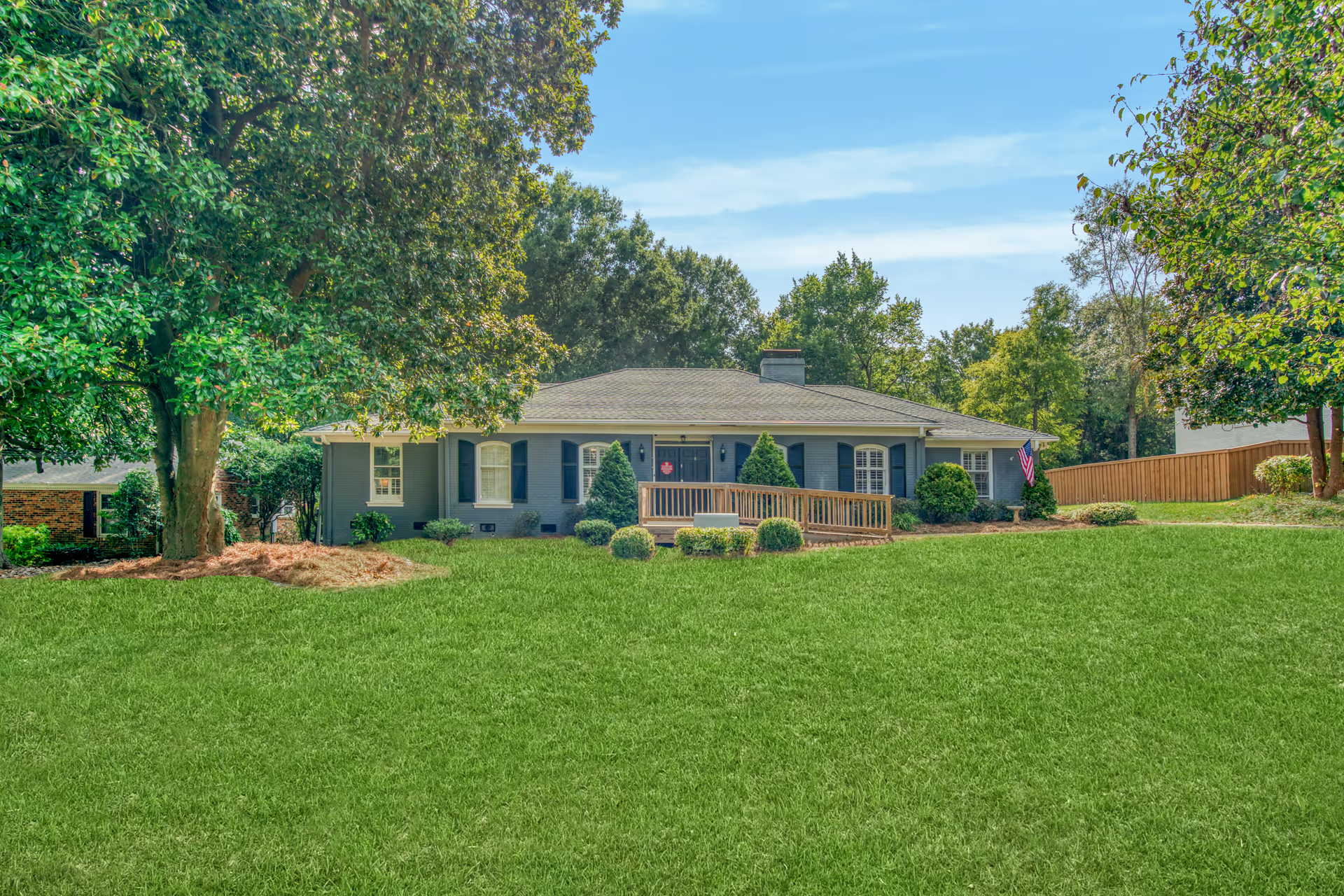
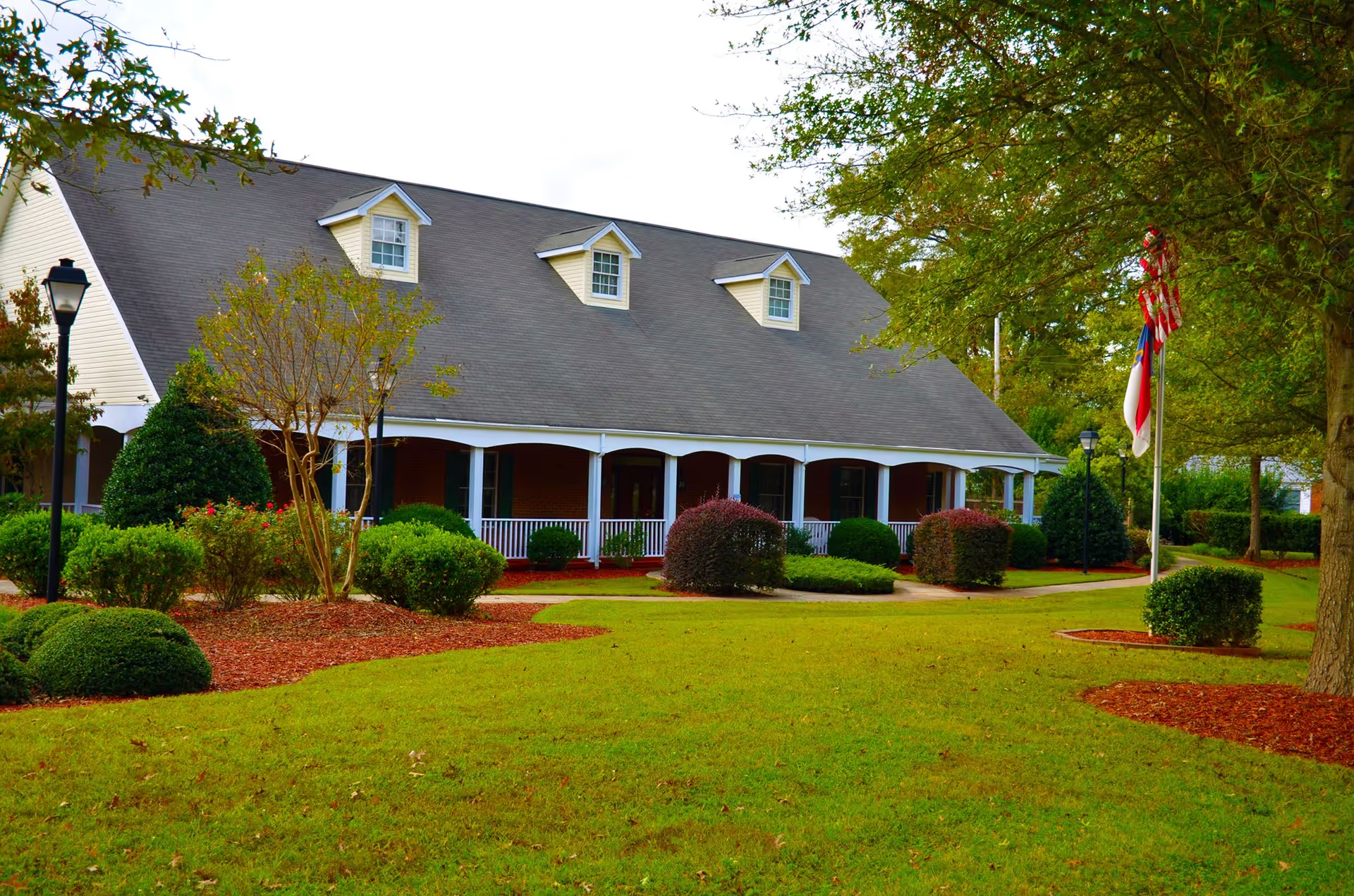
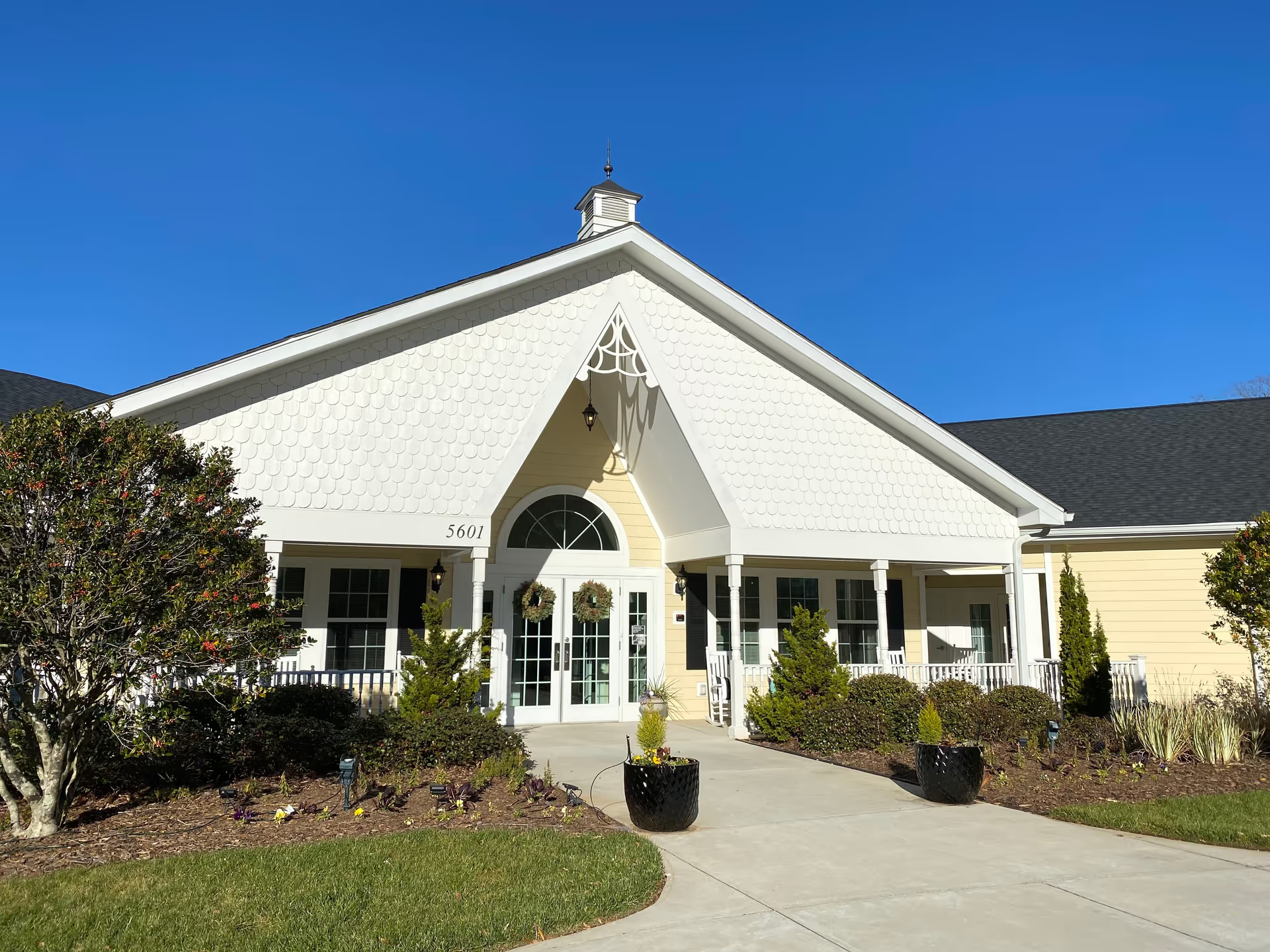
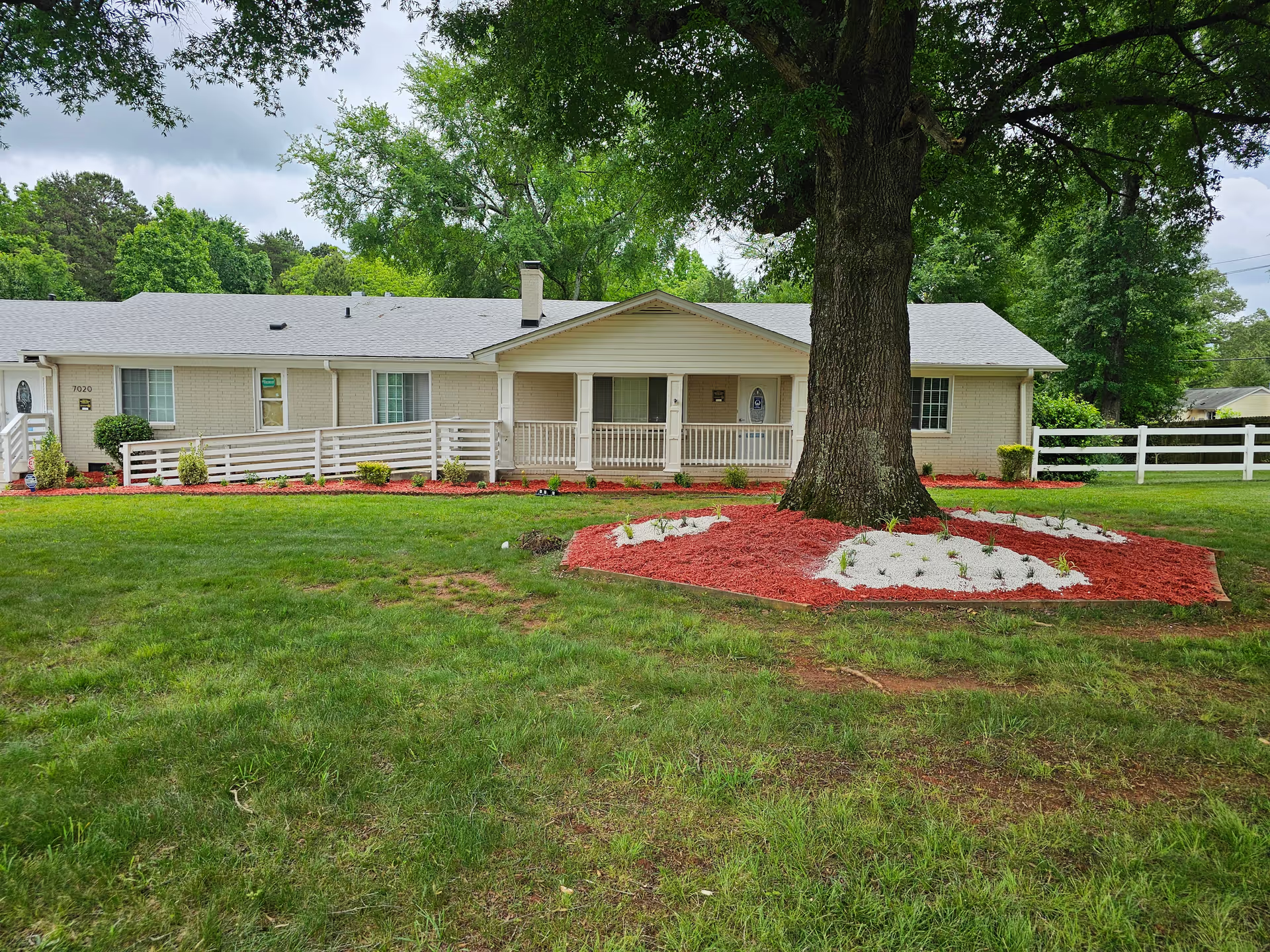
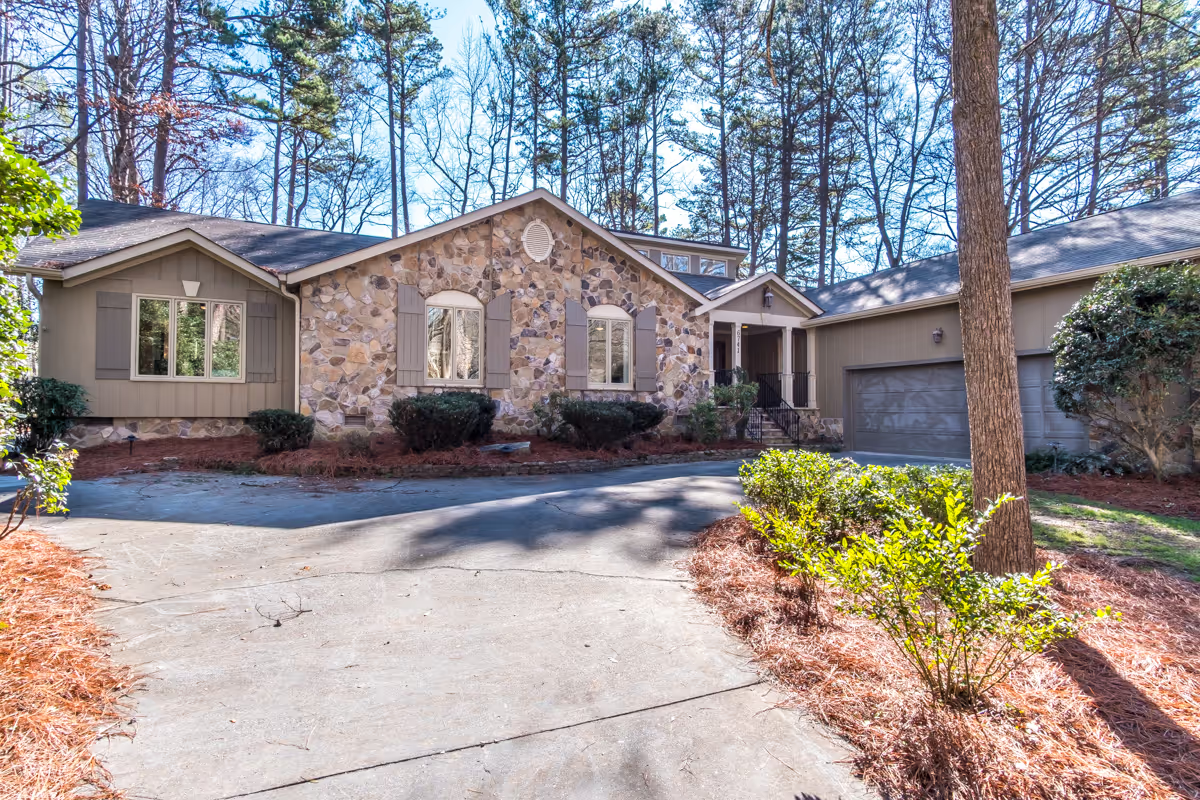
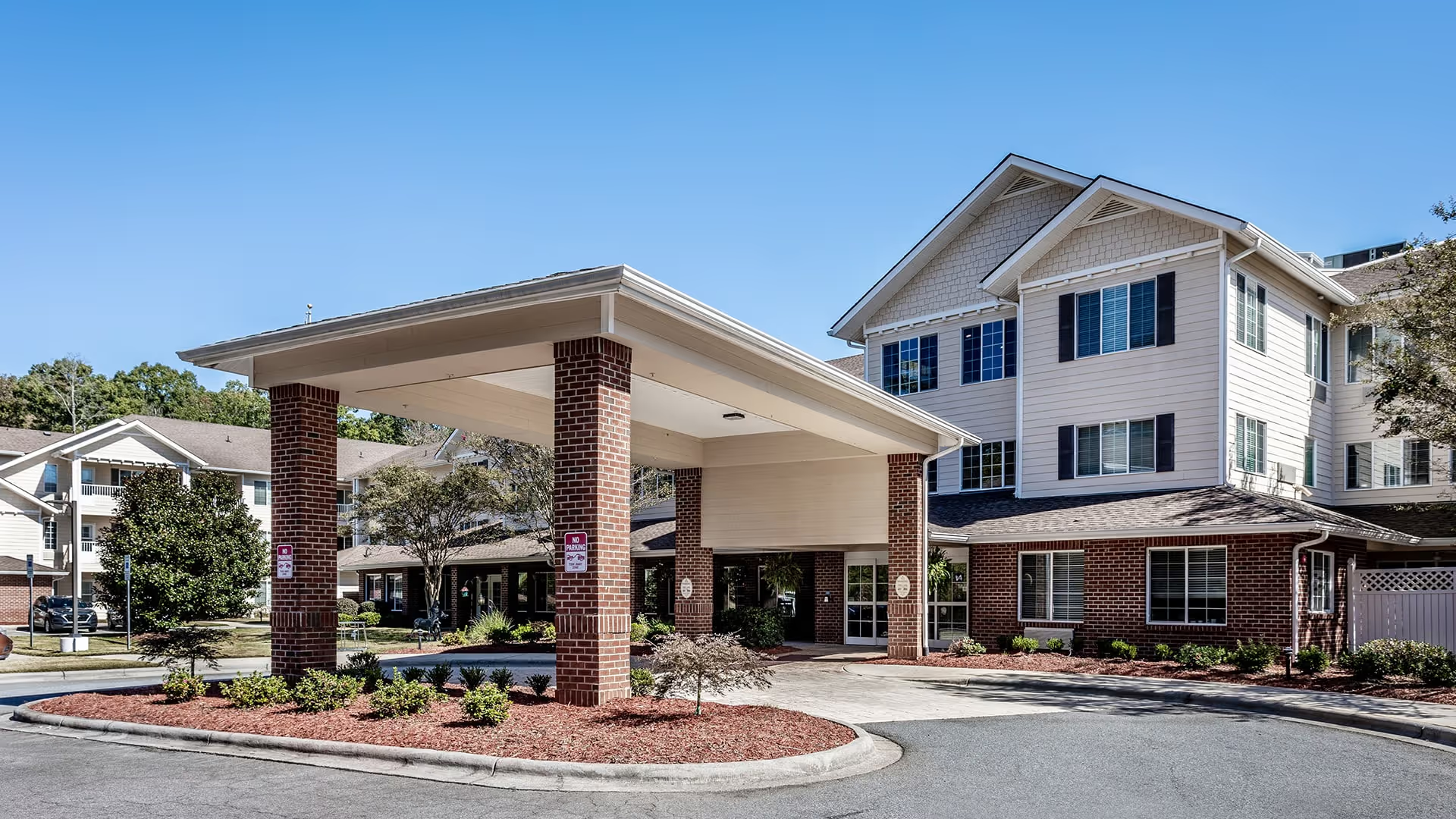
Aldersgate presents as a large, full‑service continuing‑care retirement community with strong strengths in amenities, programming, and campus environment. The property and grounds are frequently described as expansive, well maintained and scenic — with walking trails, ponds, gardens, cottages and a variety of housing types including spacious apartments and standalone cottages. Facilities noted across feedback include multiple dining venues (formal dining, pub, order‑and‑eat areas, ice cream shop), a heated indoor pool and therapy pool, a full fitness center with classes, salon and shops, and an onsite medical clinic and wellness center that supports transitions between independent living, assisted living, memory care and skilled nursing.
Care and staffing receive largely positive comments: reviewers praise clinical and nursing teams, an attentive wellness center, and staff who are knowledgeable and helpful. Many accounts describe compassionate caregiving, efficient admissions and social‑work processes, and quick maintenance response. The resident community is characterized as friendly and active; the calendar of activities, clubs, concerts, classes and outings is a consistent strength and contributes to a lively social environment.
Dining and activities are major draws. The culinary staff and variety of dining options are frequently commended, and the community offers an extensive schedule of cultural, recreational and educational events. At the same time, feedback shows variability: some reviewers note a decline in meal variety or repetitiveness over time, and there are intermittent reports of service delays during dinner and cold plates. Prospective residents should sample meals and ask about menu rotation and peak‑service staffing.
Several operational patterns warrant attention. Communication from administration is sometimes perceived as impersonal or inconsistent; this ties to isolated reports of unreturned calls or slow follow‑up. Security operations at campus entrances have been described as unevenly enforced, creating concerns about gate procedure reliability. Clinical responsiveness also shows variability in accounts — including references to delays in medication administration and uneven levels of personalized attention in memory‑care settings. Meal service staffing pressure during busy periods has been mentioned as a cause of timing issues. Finally, the community carries substantial upfront and ongoing costs; buy‑in pricing and annual increases were raised as a meaningful affordability consideration.
Recommendations for prospective residents and families: visit during peak dining times and an activity to observe service flow and social atmosphere; meet nursing and memory‑care leadership to review staffing ratios, medication administration protocols, and personalized care plans; request contract details on buy‑in, fee escalation, and what services are included; and discuss security procedures and emergency response workflows. Overall, Aldersgate offers a broad set of amenities and an active community with many strengths in clinical care and programming, balanced by operational areas where consistency and communication could be improved.