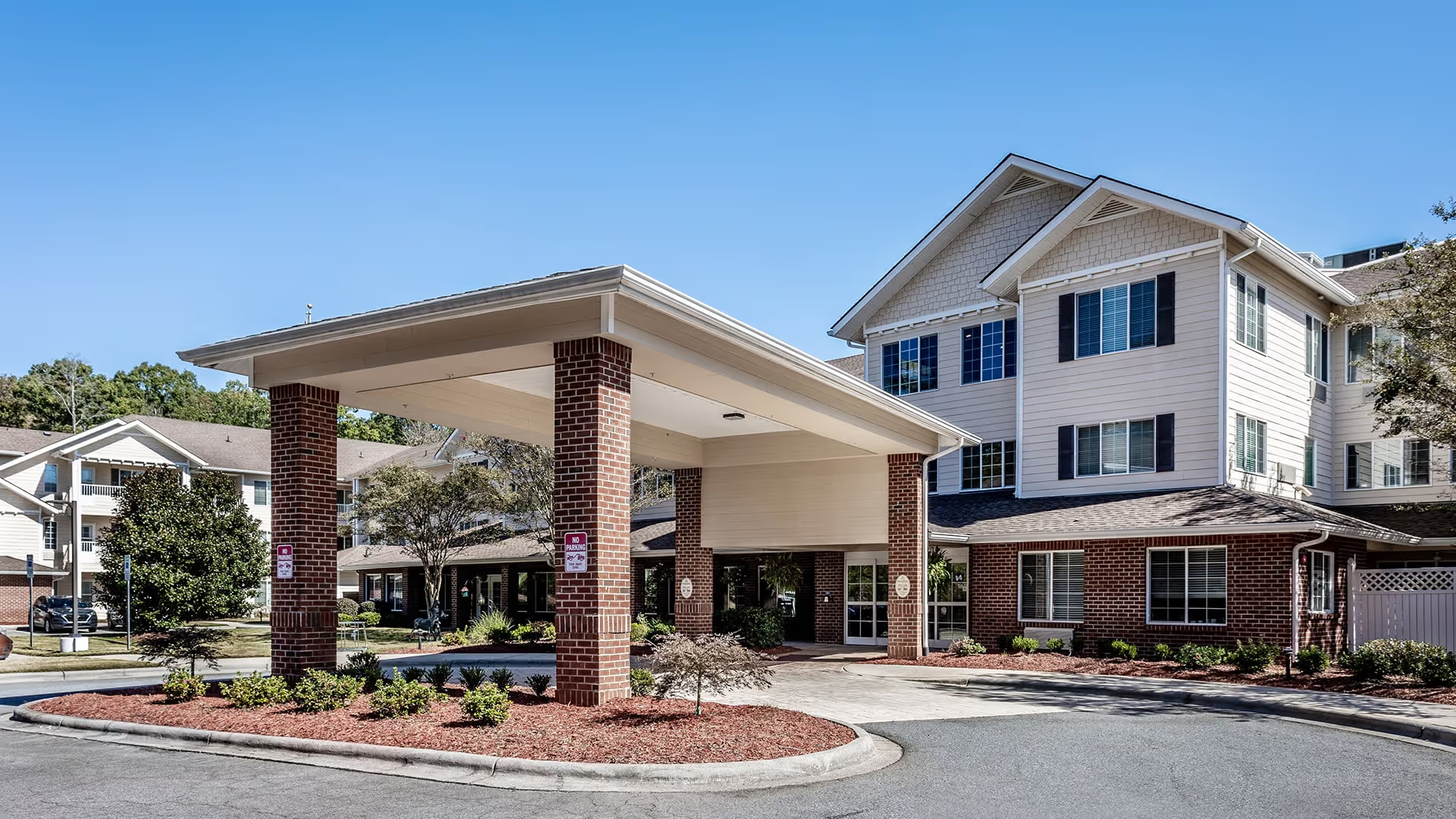
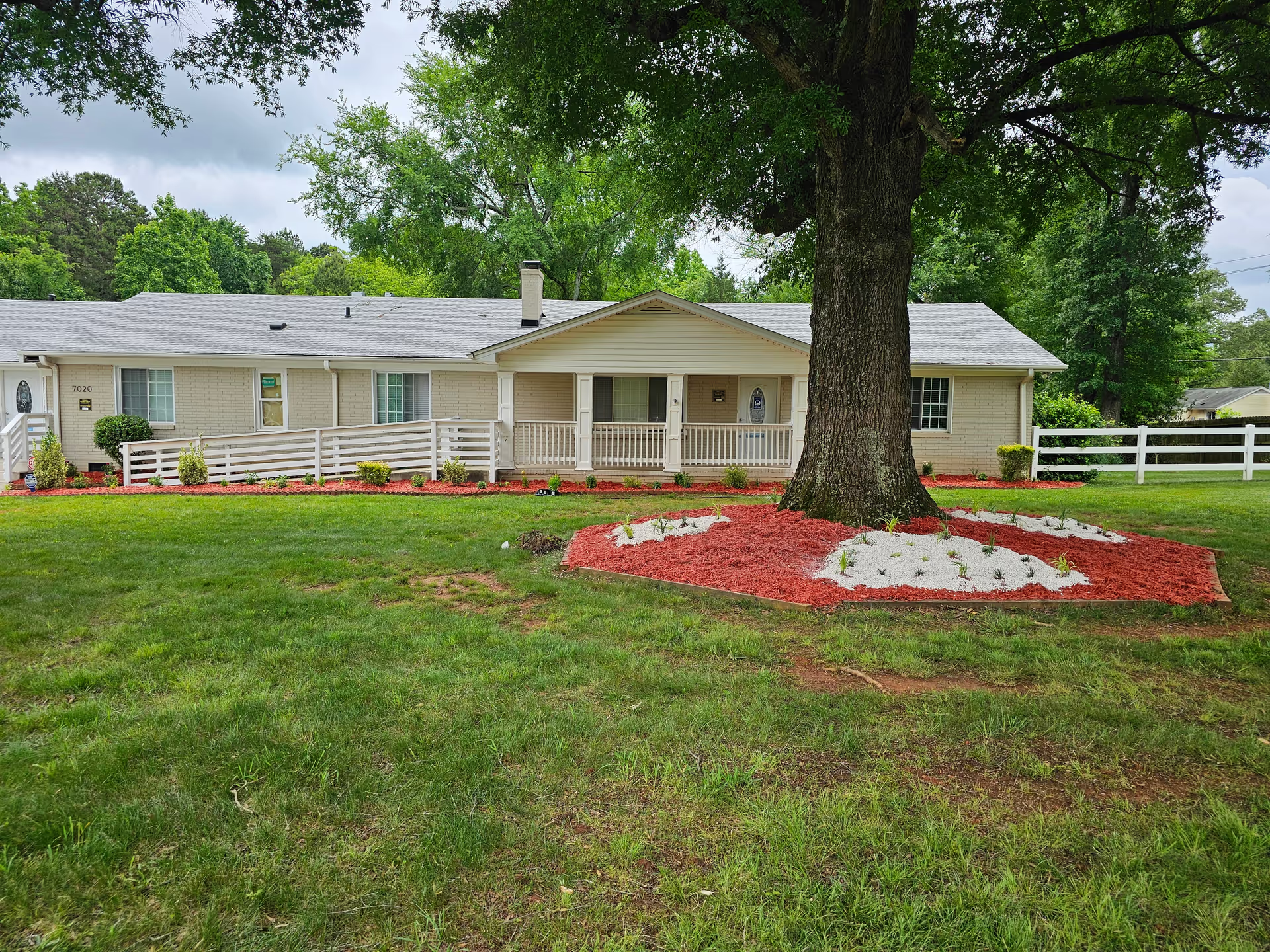
The reviews for Eastland Nursing Center present a strongly polarized picture. Many accounts praise the facility’s rehabilitation services, admissions team, and a number of front-line non-nursing staff for compassionate, hands-on care. Several families described positive short-term rehab outcomes, helpful therapy teams, supportive social work, responsive maintenance, and a generally clean, well-kept environment. These positive experiences suggest the facility can deliver effective, person-centered rehab and coordinate successful discharges when staffing and management are aligned.
At the same time, a substantial set of reviews describes operational failures that materially affect quality of care. Recurring themes include irregular staffing levels and responsiveness, particularly on certain shifts and weekends; inconsistent medication administration and tracking; and problems with the call-bell/in-room communication systems. These issues correlate with delayed attention to residents’ needs, lapses in personal-care timeliness (dressing, toileting, assistance with meals), and safety concerns such as falls and delayed clinical escalation.
Dining and activities are another area of mixed feedback. Some families reported satisfactory meals and helpful dining staff, while others described missed or delayed meal delivery, inconsistent meal quality, and limited opportunities for social and mental stimulation. Laundry and belongings management is an operational weakness noted across reviews, with accounts of lost clothing and poor inventory controls. Cleanliness assessments were similarly mixed: many reviewers praised an odor-free, well-maintained environment, yet others reported sanitation and maintenance lapses in specific units or at particular times.
Management practices are described as highly variable. Several reviews praise proactive administrators who address concerns promptly and provide clear communication; other families experienced unresponsiveness, delayed updates after clinical events, billing complications, and frequent leadership or facility-name changes that contributed to perceptions of instability. A small number of reviews include serious allegations of inappropriate staff conduct; these are individual, high-severity claims that families may want to confirm through state inspection records and direct questioning during a tour.
Overall pattern: the facility appears capable of delivering strong short-term rehab and benefits from several dedicated staff members and supportive ancillary teams, but quality is inconsistent and appears to depend heavily on staffing levels, shift, and which unit a resident occupies. Prospective residents and family members should plan an in-person tour during peak activity times, ask specific questions about staffing ratios and the call-response system, review medication-management and property-loss procedures, observe meal service, and request examples of clinical oversight and recent quality-improvement measures. These steps will help assess whether the facility’s strengths are likely to be sustained for a particular resident’s needs.