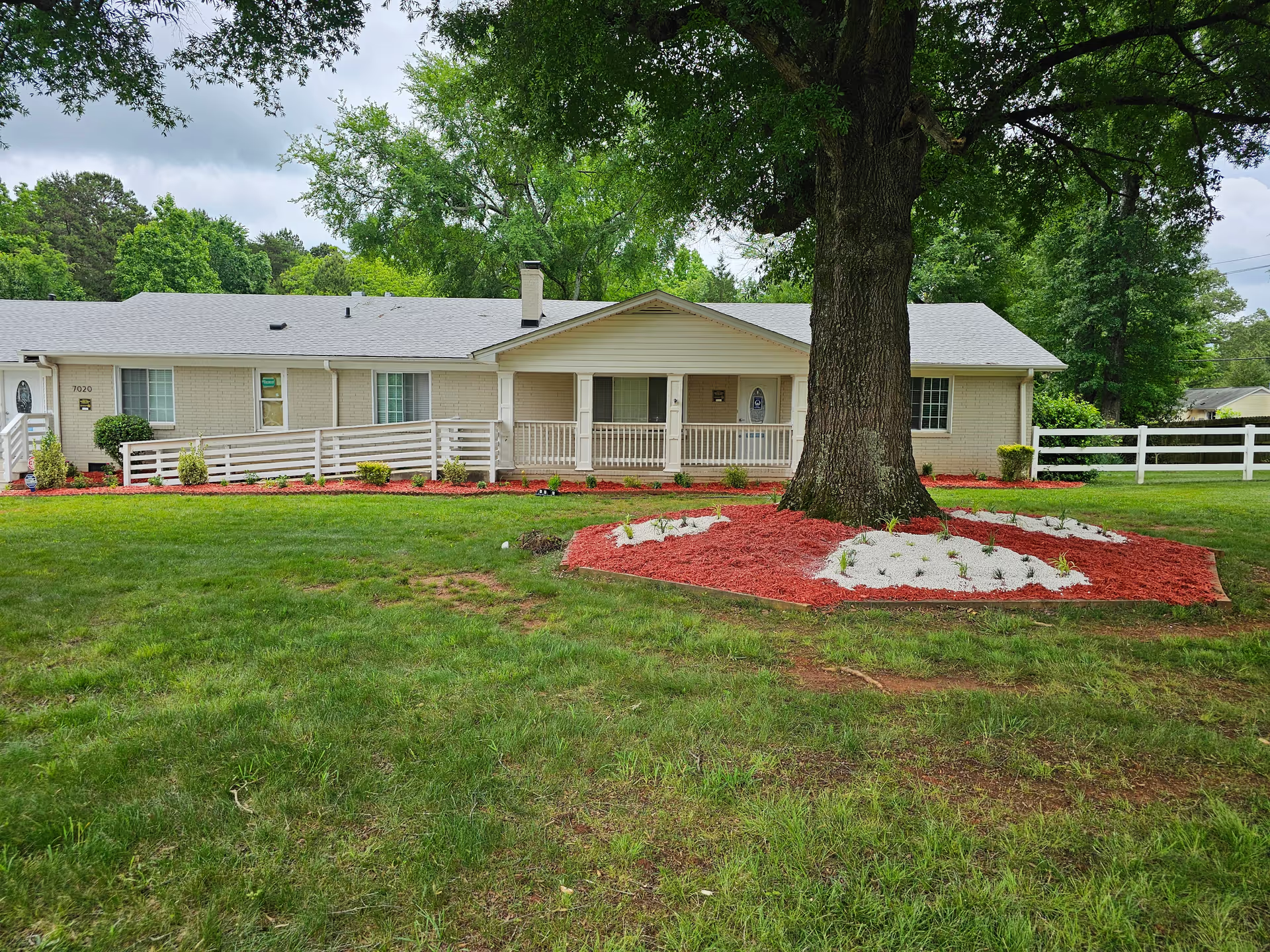
The reviews for this facility present a polarized picture: several reviewers highlight strong clinical rehabilitation capabilities, a clean and attractive physical environment, and responsive administrative supports, while a substantial set of other reviews describe recurring operational weaknesses. Many positive comments focus on the therapy department’s ability to support stroke and fall recovery, the facility’s modern decor and pleasant common areas, and staff members who provide compassionate, hands-on care and coordinated discharge planning.
Care quality and staffing are the most frequently discussed areas of concern. Reviewers described inconsistent nursing coverage and high patient-to-staff ratios that contributors associated with delayed responses to call bells, interruptions in personal-care schedules, and variability in medication administration and clinical monitoring. At the same time, multiple accounts praised individual caregivers and therapists for attentive care. There are also serious clinical concerns in a minority of accounts — including delayed emergency response and concerns following a resident’s death — and at least one reviewer indicated an investigation was requested; these accounts underscore the importance of verifying current staffing, clinical protocols, and regulatory status before placement.
Dining and programming receive mixed comments. Some families praised nutritious meals and a clean dining/kitchen area, while others described repetitive menus, limited variety (including during renal or special diets), and inconsistent meal quality. Activity programming is adequate for residents in earlier stages of cognitive decline, with outdoor access noted as a positive, but weekend offerings and consistent engagement were sometimes lacking.
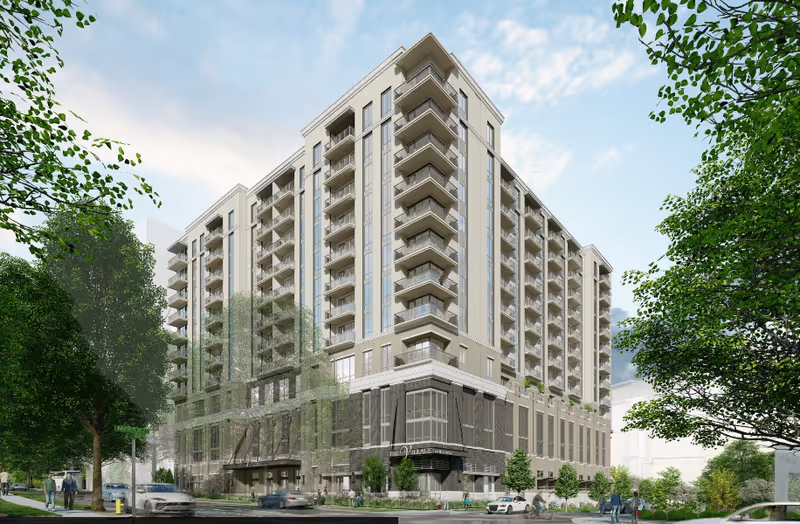
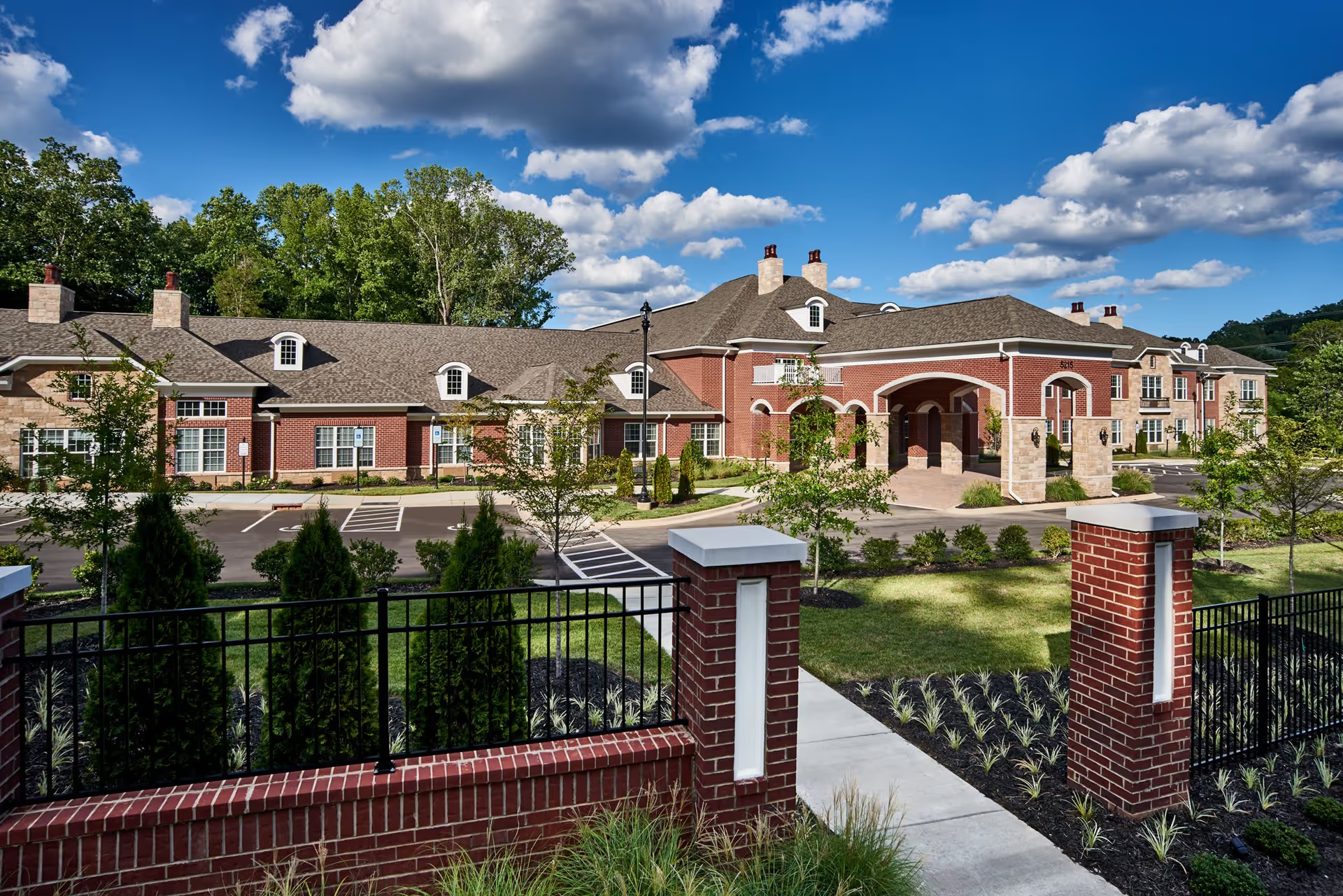
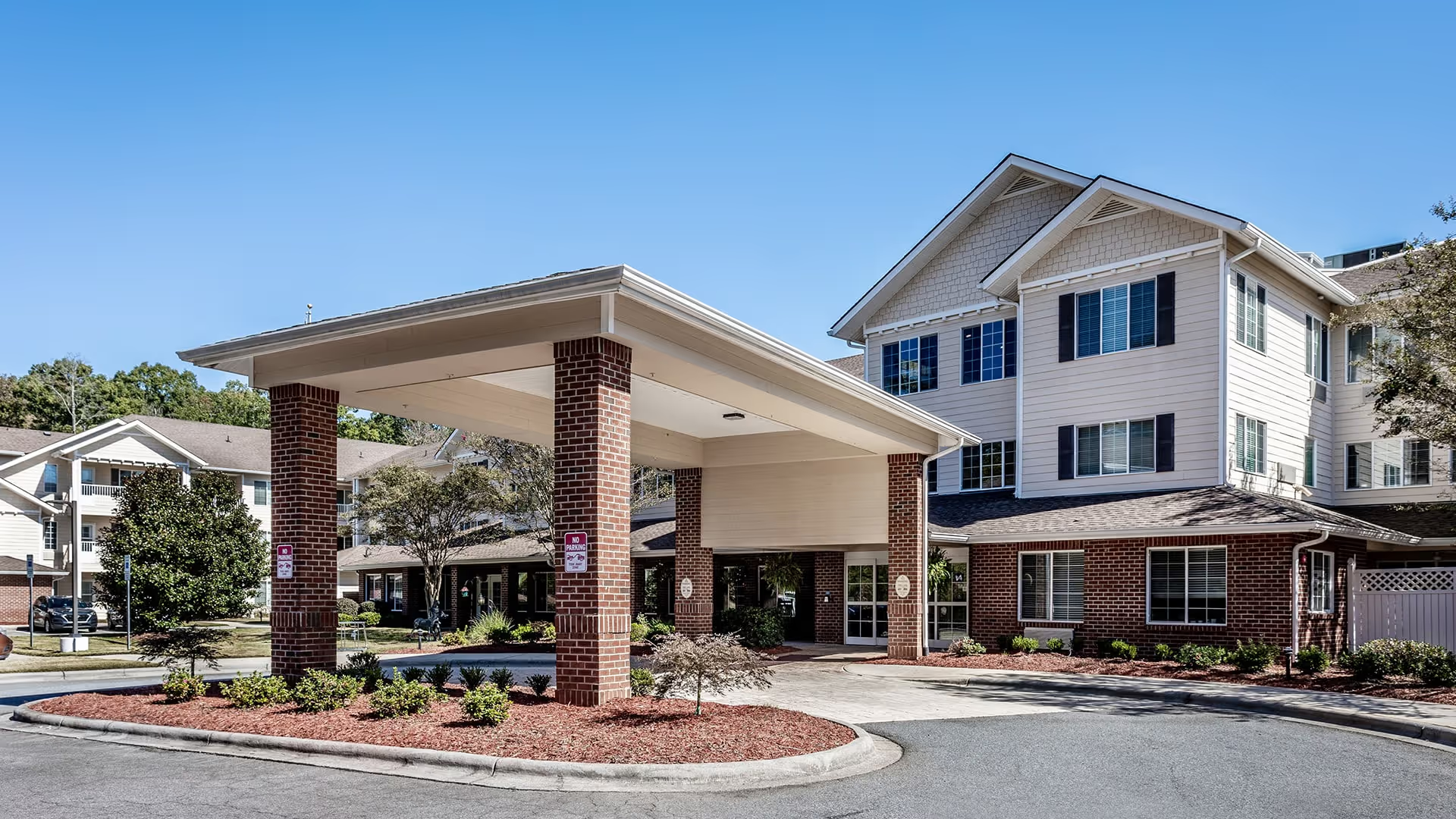
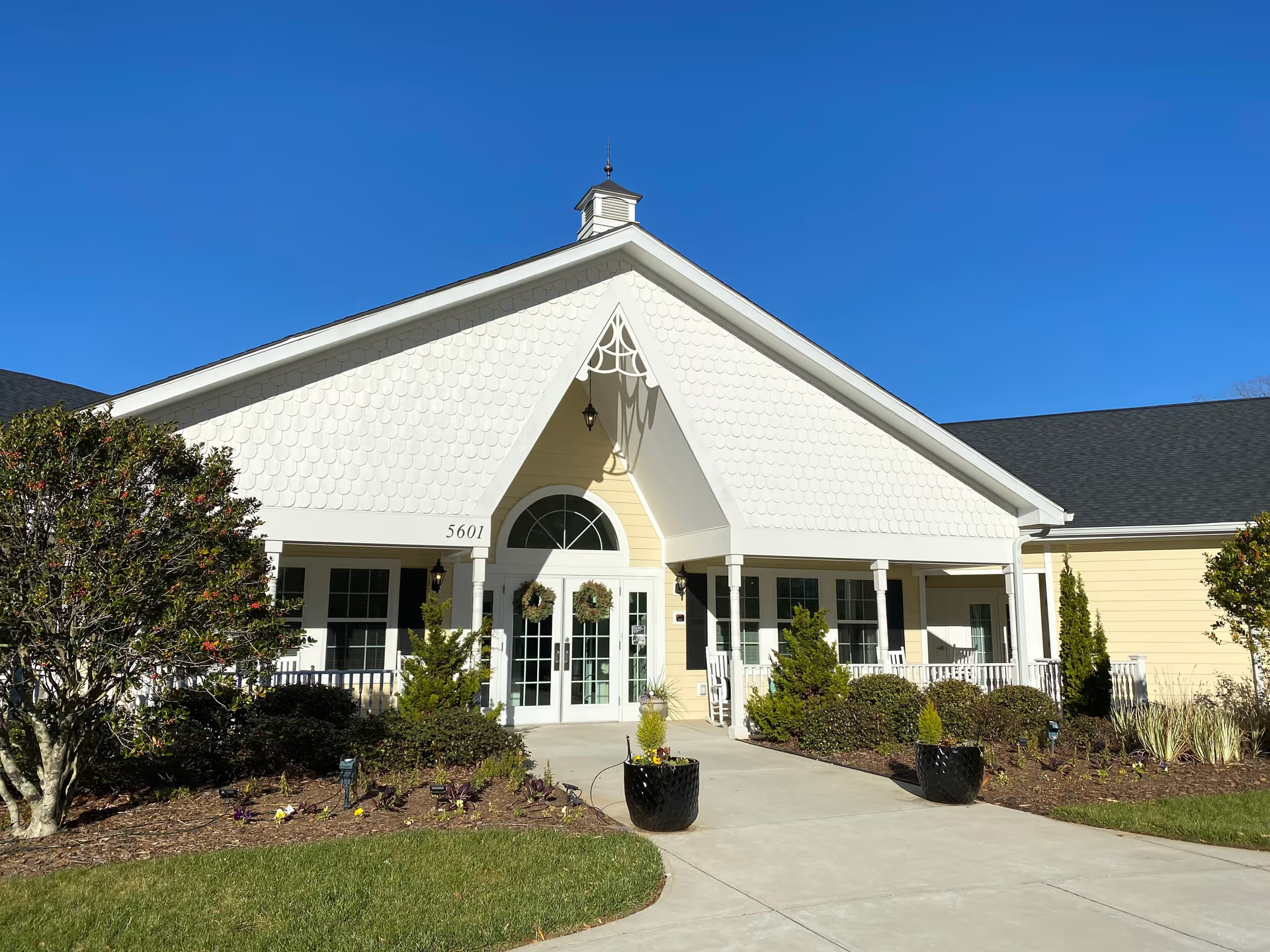
The facility’s physical plant is commonly described as clean, modern, and comfortable, with well-appointed patient rooms and sitting areas. Counterpoints include reports of cramped double rooms, slow maintenance responses for room repairs, and accessibility issues for some wheelchairs and mobility devices. Sanitation and infection-control practices were praised by some and criticized by others; these mixed observations suggest variability across units or shifts.
Management and communication show similar variability. Several families reported helpful, communicative administrative staff who resolved grievances and assisted with billing and transitions. Conversely, other accounts noted confusing billing, unexpected charges, abrupt room moves without family notification, and concerns about managerial tone or accountability. These themes point to uneven performance in admissions, care coordination, and family communication.
Notable patterns: experiences appear polarized by unit, shift, or individual staff assignment — with strong rehabilitation outcomes and clean facilities reported alongside recurring operational problems tied to staffing, communication, and consistency of care. Prospective residents and families should conduct an on-site assessment, ask specific questions about current staffing ratios, medication-administration checks, incontinence-care protocols, therapy schedules and durations, emergency-response procedures, accessibility for mobility devices, infection-control practices, and recent inspection or survey results. Asking to speak with the therapy manager, nursing leadership, and current family contacts may help clarify whether the facility’s strengths align with an individual resident’s needs.