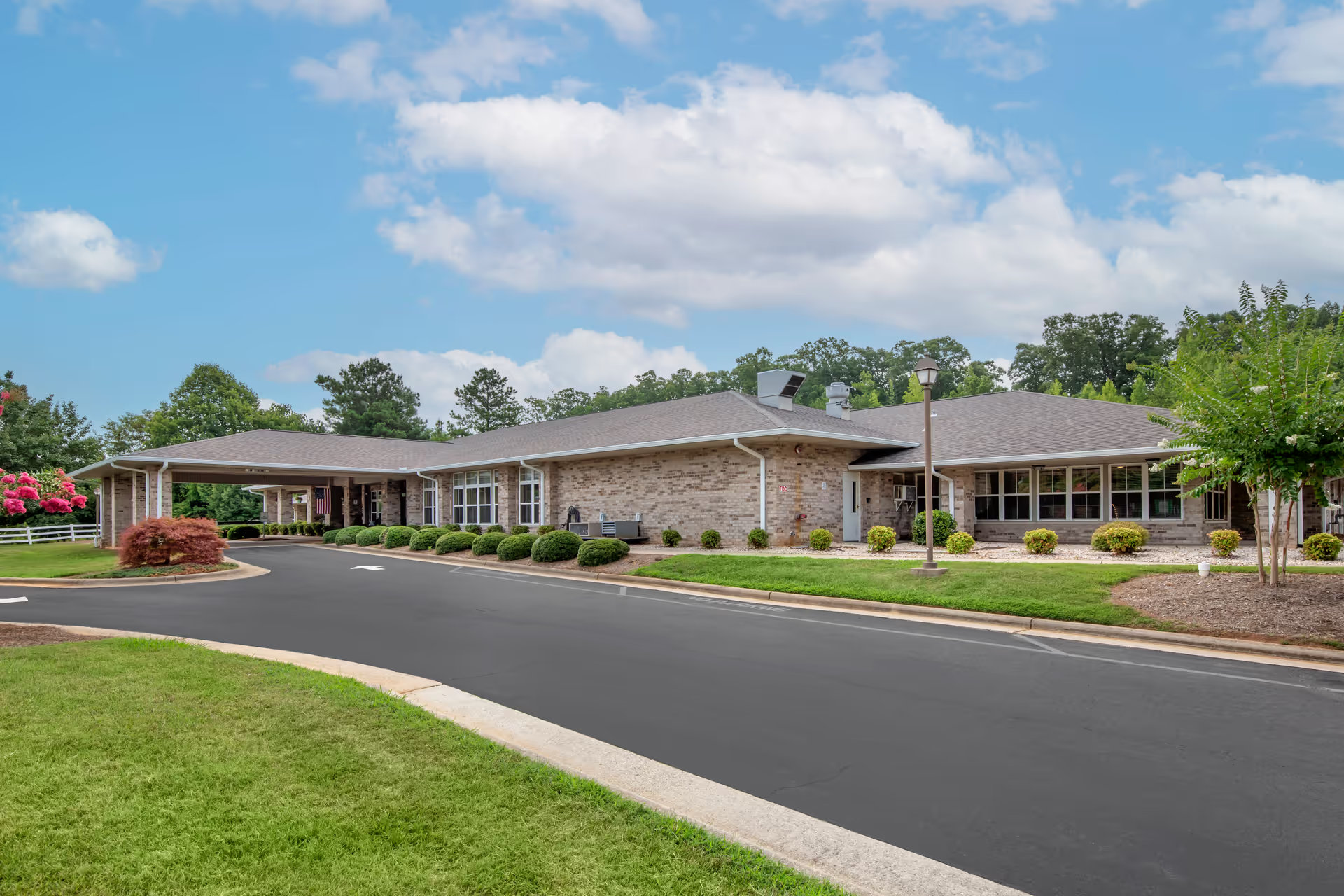
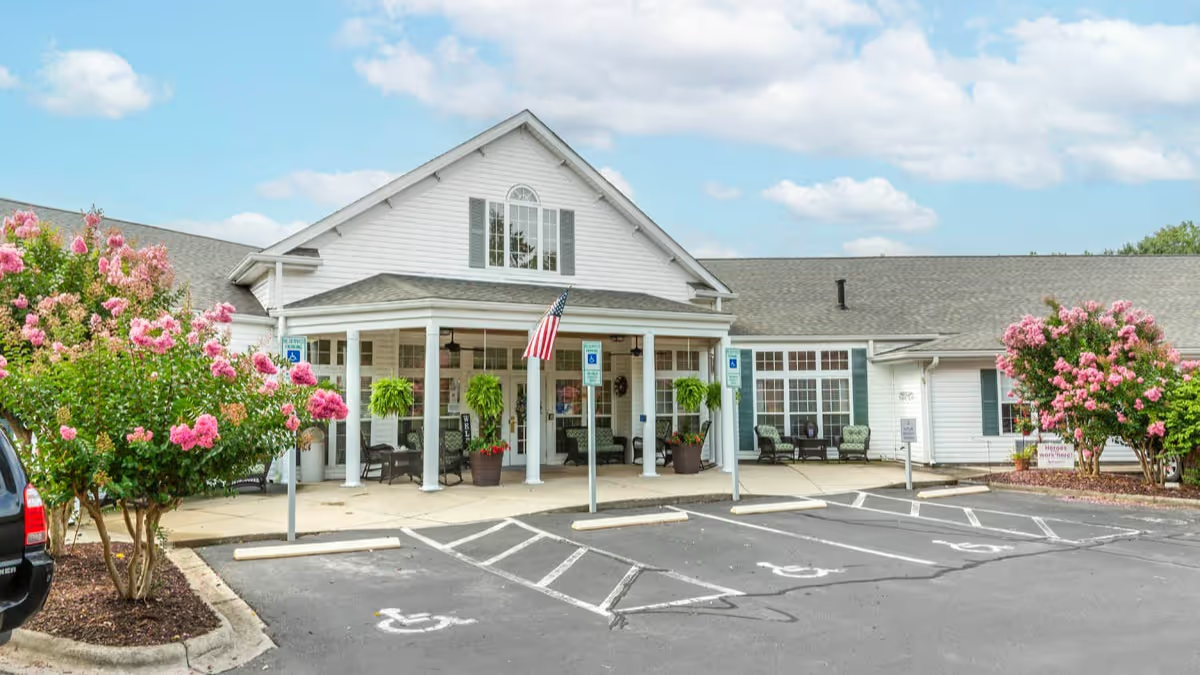
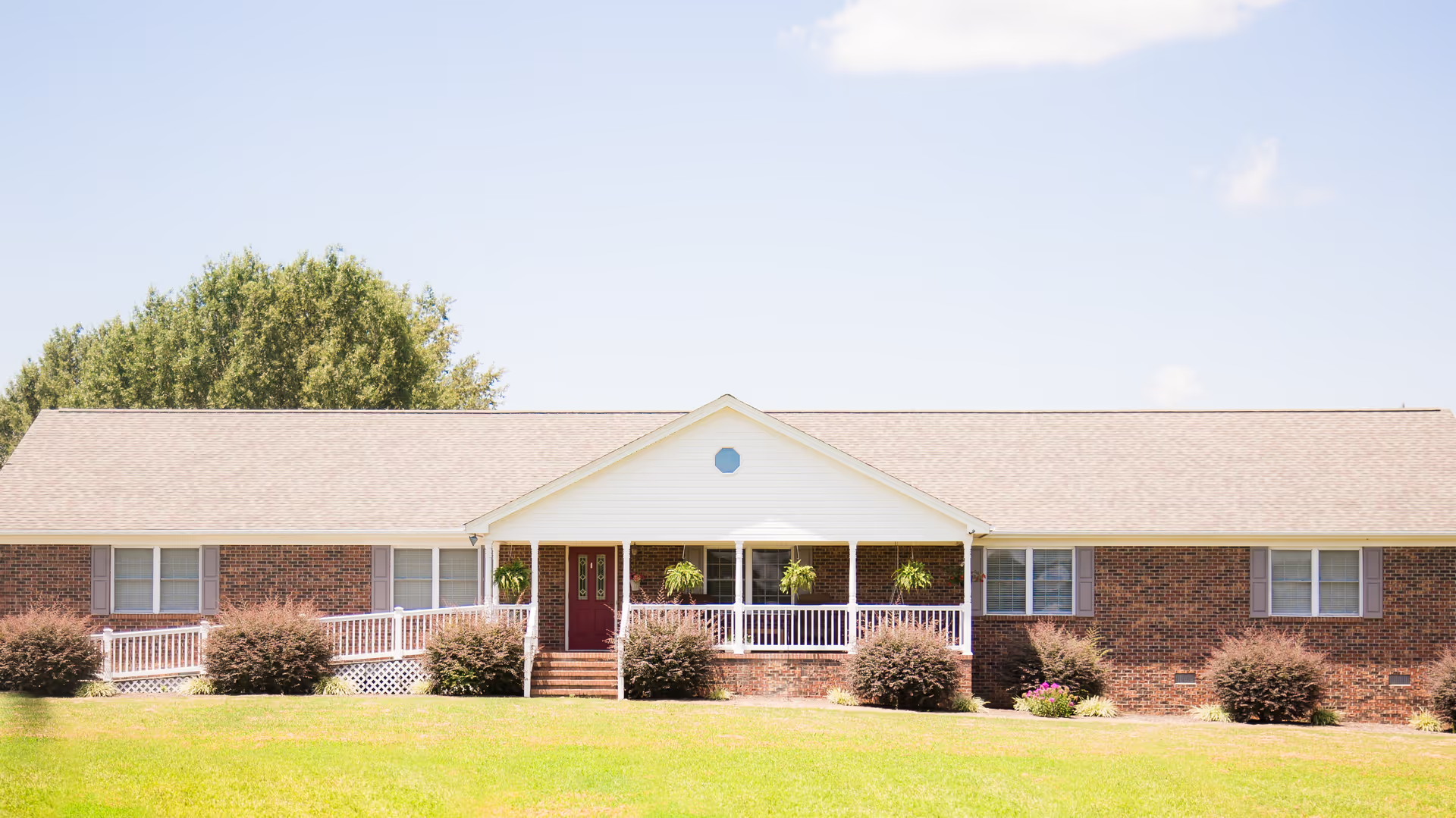
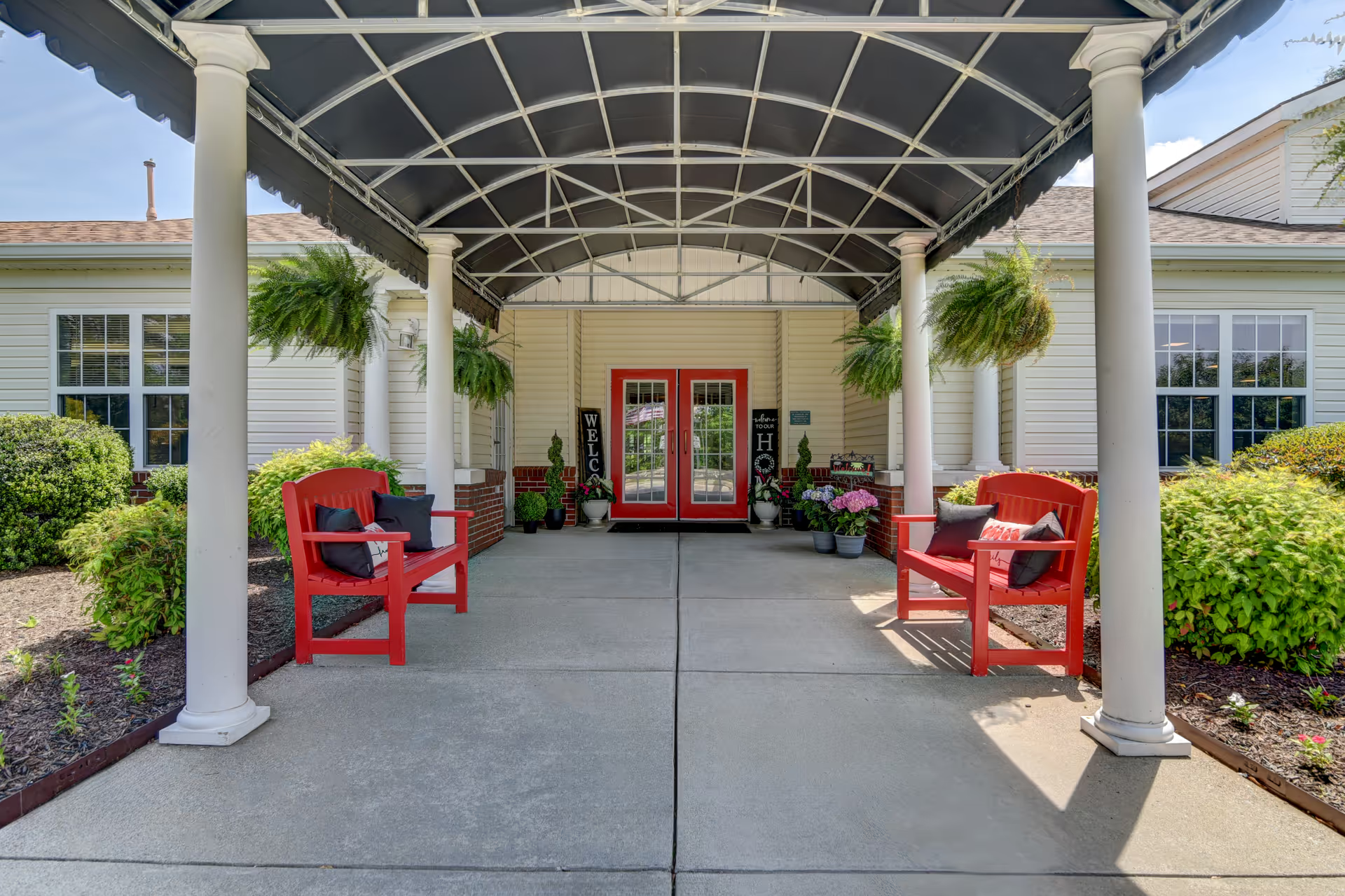
Reviews of UNC Rockingham Rehabilitation and Nursing Care Center present a mixed picture, with clear strengths in individual caregivers and persistent operational weaknesses. Several accounts praise nurses, CNAs, and particular staff members for being attentive, compassionate, and professional; reviewers also described coordinated PT/OT teams and positive outcomes from home‑health physical therapy. A long tenure among some employees was cited as a stabilizing factor for families who had positive experiences.
At the facility level there are recurring concerns related to staffing and day‑to‑day care continuity. Many comments point to inconsistent staffing levels and long shifts, which reviewers linked to delays in responding to call bells and gaps in assistance with activities of daily living such as bathing and help with eating. These patterns are also reflected in reports of variable staff conduct and communication tone, ranging from highly supportive interactions to interactions perceived as brusque or unhelpful.
Dining and therapy services were frequent sources of dissatisfaction. Multiple reviewers described unreliable meal service, including omissions or substitutions that reduced meal quality and led to poor resident intake. Therapy experiences were described as uneven: some families felt therapy was well coordinated, while others characterized therapy sessions and follow‑up as inadequate. Reviewers also raised sanitation concerns in therapy spaces and some common areas, indicating variable environmental cleanliness and housekeeping performance.
Administrative and clinical‑response processes appear to require attention. Examples include front‑desk coverage and check‑in procedures described as inconsistent, absence of routine sign‑in practices in some contexts, and concerns about how clinical incidents are managed and communicated to families, including transfers to higher levels of care. Several reviewers expressed concerns about medication management and monitoring, and noted inconsistent family communication during incidents.
Overall, the pattern across reviews is polarization: some families experienced compassionate, attentive care and effective therapy coordination, while others encountered operational shortfalls tied largely to staffing, communication, and facility upkeep. Prospective residents and their families should plan an in‑person visit focused on staffing levels at the unit of interest, meal-service practices, therapy program content and outcomes, cleaning protocols for therapy/common areas, and mechanisms for clinical incident communication. Asking about staff turnover, administrative coverage, and recent corrective actions will help clarify whether the noted weaknesses are being addressed.