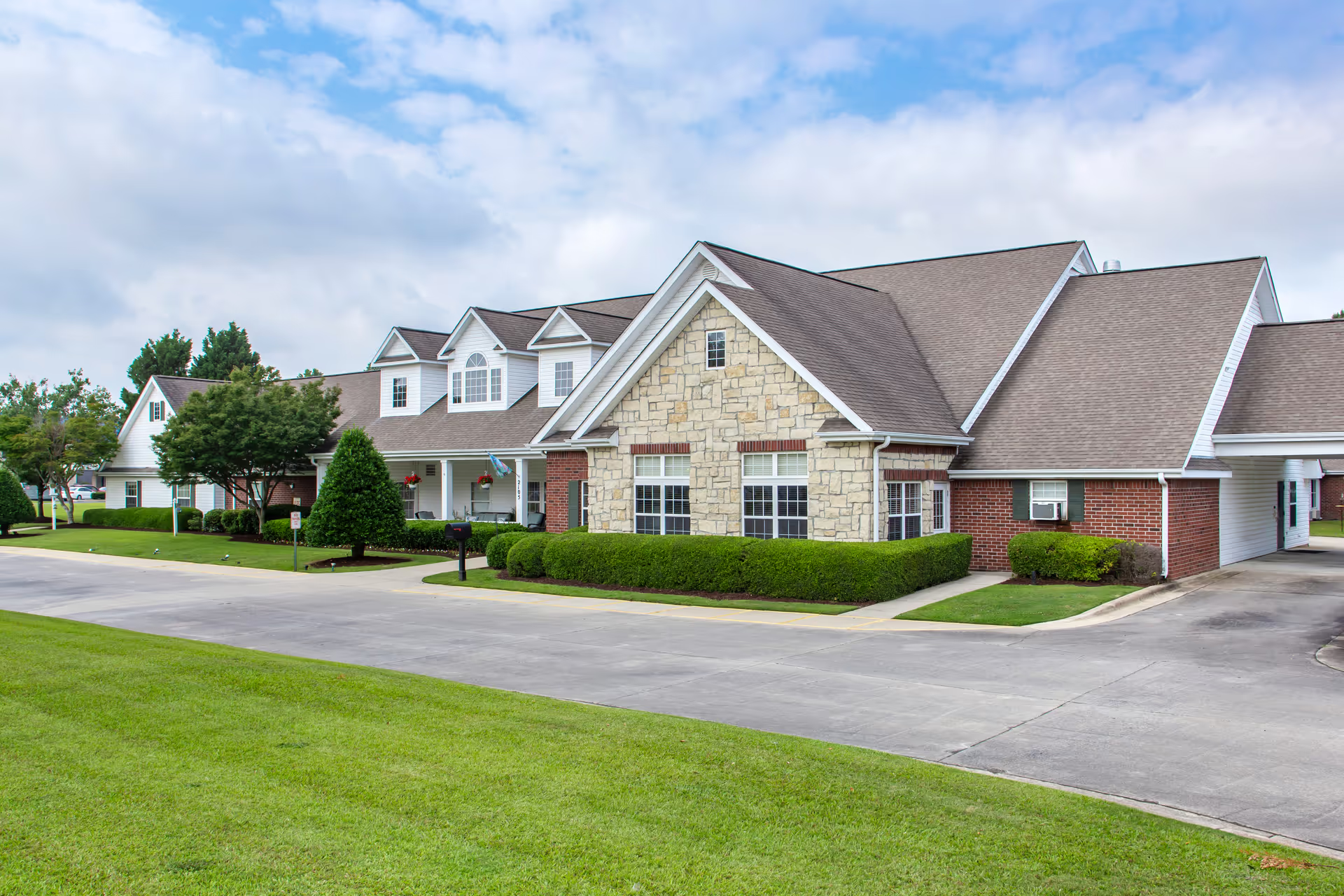
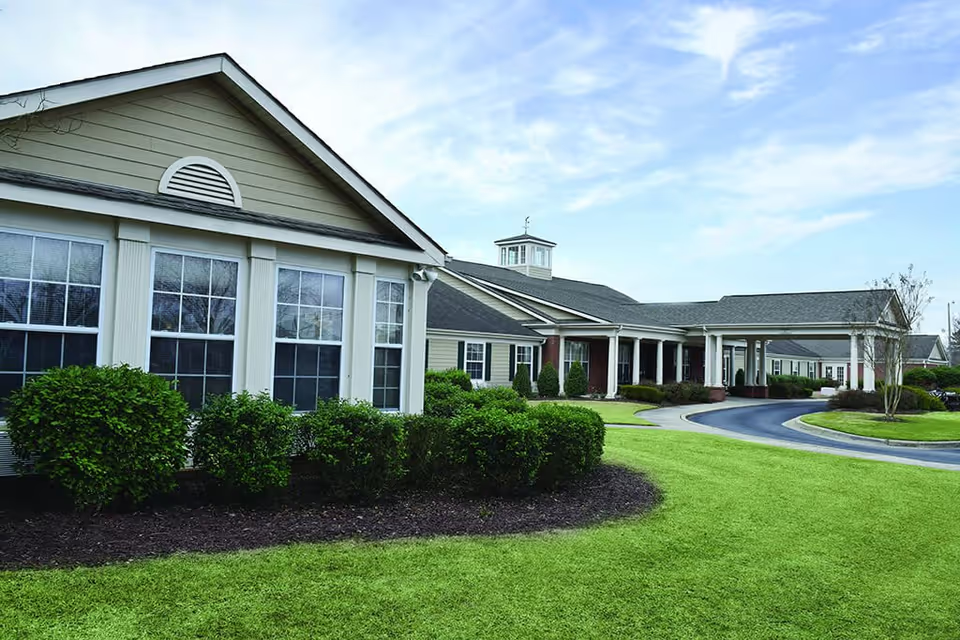
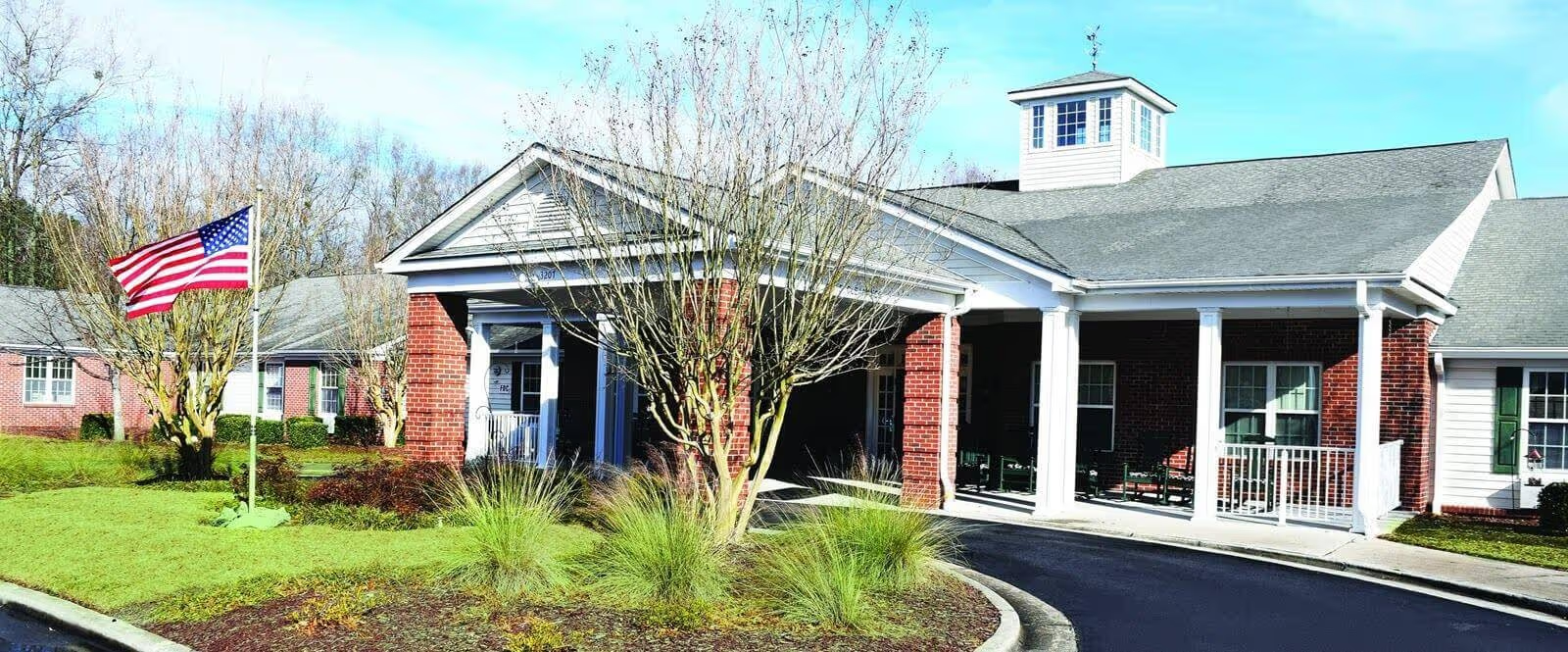
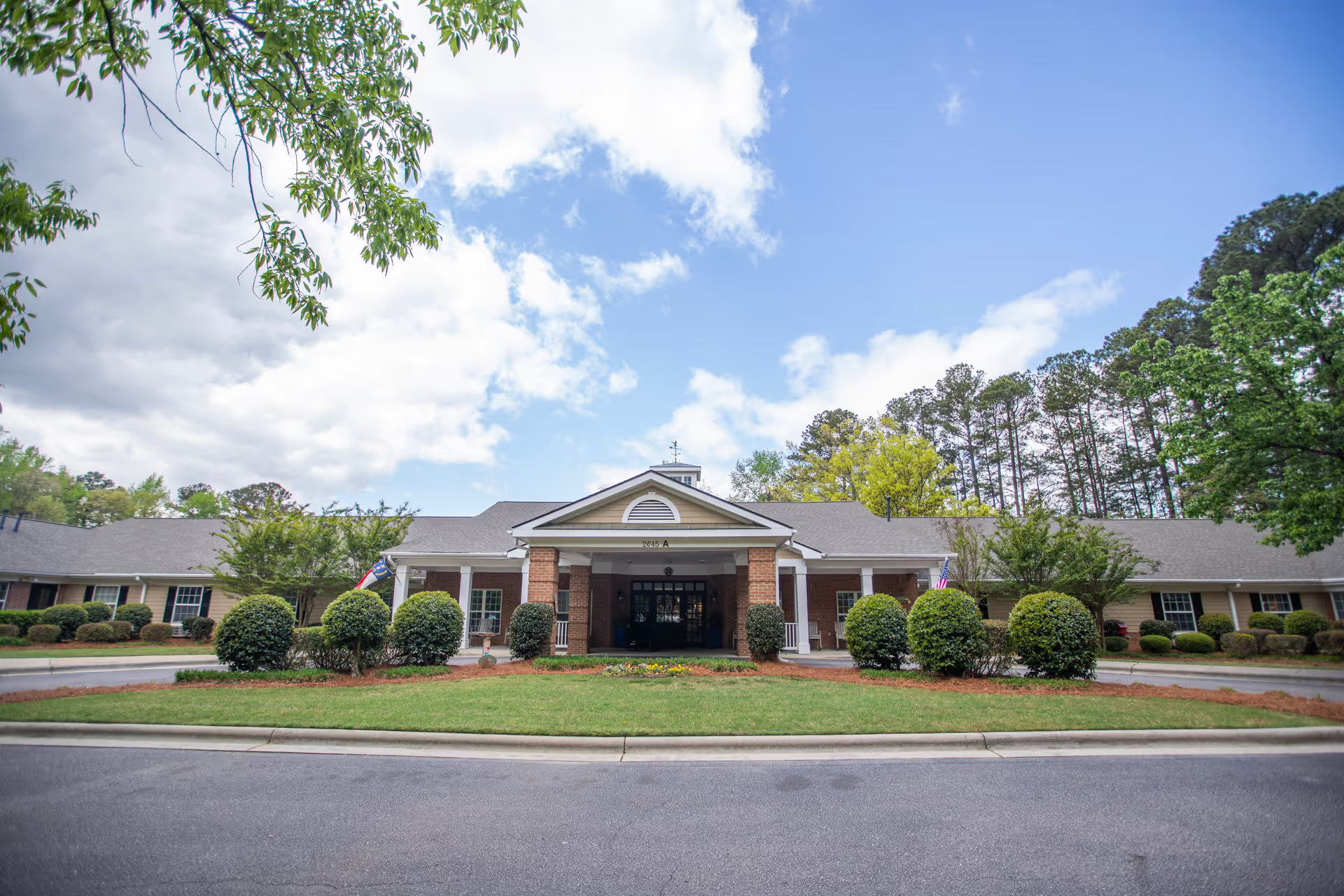
Reviews of this facility present a mixed picture, with clear strengths in some caregiving and program areas and significant operational weaknesses in others. Families and visitors consistently praise individual caregivers and therapy staff who demonstrate commitment, compassion, and a willingness to provide extra support; several accounts note that physical therapy personnel and some nurses go above and beyond to keep residents comfortable and engaged. The facility also receives positive mention for its clean common areas, small, family-like atmosphere, local convenience, dementia-care availability, and recurring social events that residents enjoy.
At the same time, a pattern of variability in day-to-day care emerges. Multiple accounts describe inconsistent responsiveness from direct-care staff — delays in answering call bells, assistance-with-activities-of-daily-living not always timely, and intermittent gaps in hygiene management. There are also concerns about medication administration and oversight, including changes in medication without clear communication and perceived lapses in timely pain or anxiety medication delivery. These issues suggest uneven adherence to routines and clinical protocols rather than uniform clinical failure.
Communication and management responsiveness are frequent themes. Reviewers cite difficulties reaching the facility by phone, unanswered calls, slow or incomplete follow-up, and limited transparency around clinical events and infection-status notifications. Some families reported that updates were delayed or that they did not receive a clear clinical contact person. Conversely, other reviewers note friendly clerical staff and recent leadership changes that they felt were improving processes, indicating variability in administrative performance.
Facility and operational concerns extend beyond staffing. Several reviews highlight overcrowded shared rooms and limited private-room availability, creating privacy and space constraints. Maintenance issues — damaged doors, torn walls, and general room-condition deficits — were raised alongside inconsistent laundry/bedding practices and uneven temperature control. Dining and nutrition receive mixed feedback: while some events and meals are enjoyed, reviewers also mention inconsistent food quality and variable feeding assistance for residents who need help.
Patterns to note for prospective families: there is a strong likelihood of encountering highly committed caregivers and effective therapy staff, but also a material risk of inconsistent responsiveness, communication gaps, and rooming or maintenance limitations. When evaluating the facility, consider asking specific questions about staffing ratios, call-bell response times, incontinence and hygiene protocols, medication-administration safeguards, private-room availability, maintenance schedules, and how the facility communicates clinical or infectious events to families. These targeted inquiries can help determine whether the facility’s strengths align with an individual resident’s needs and whether management is addressing the operational concerns cited by reviewers.