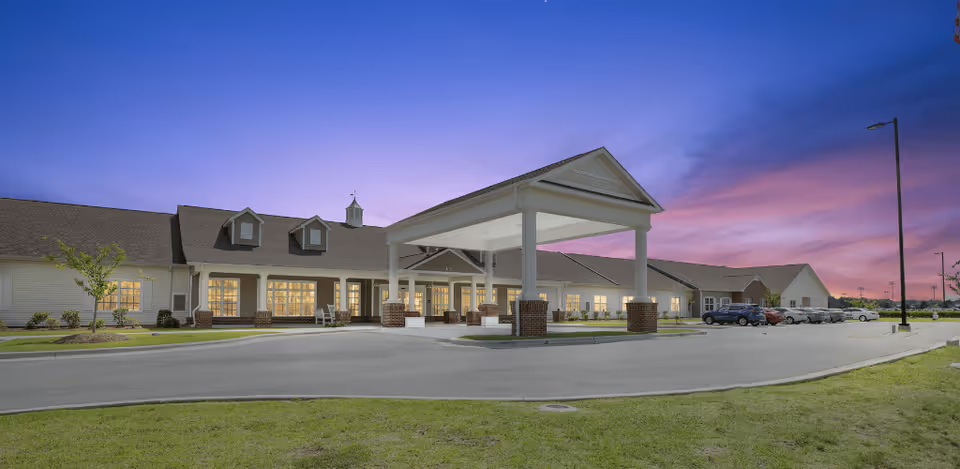
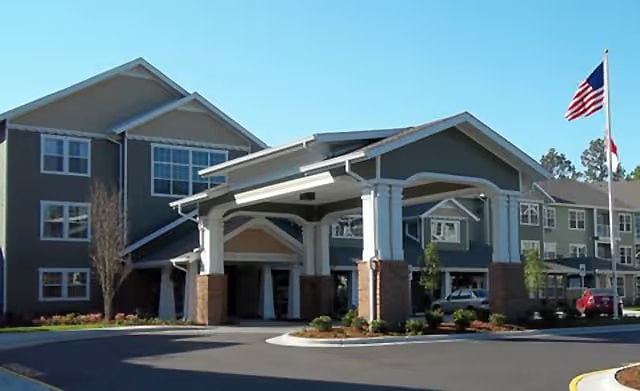
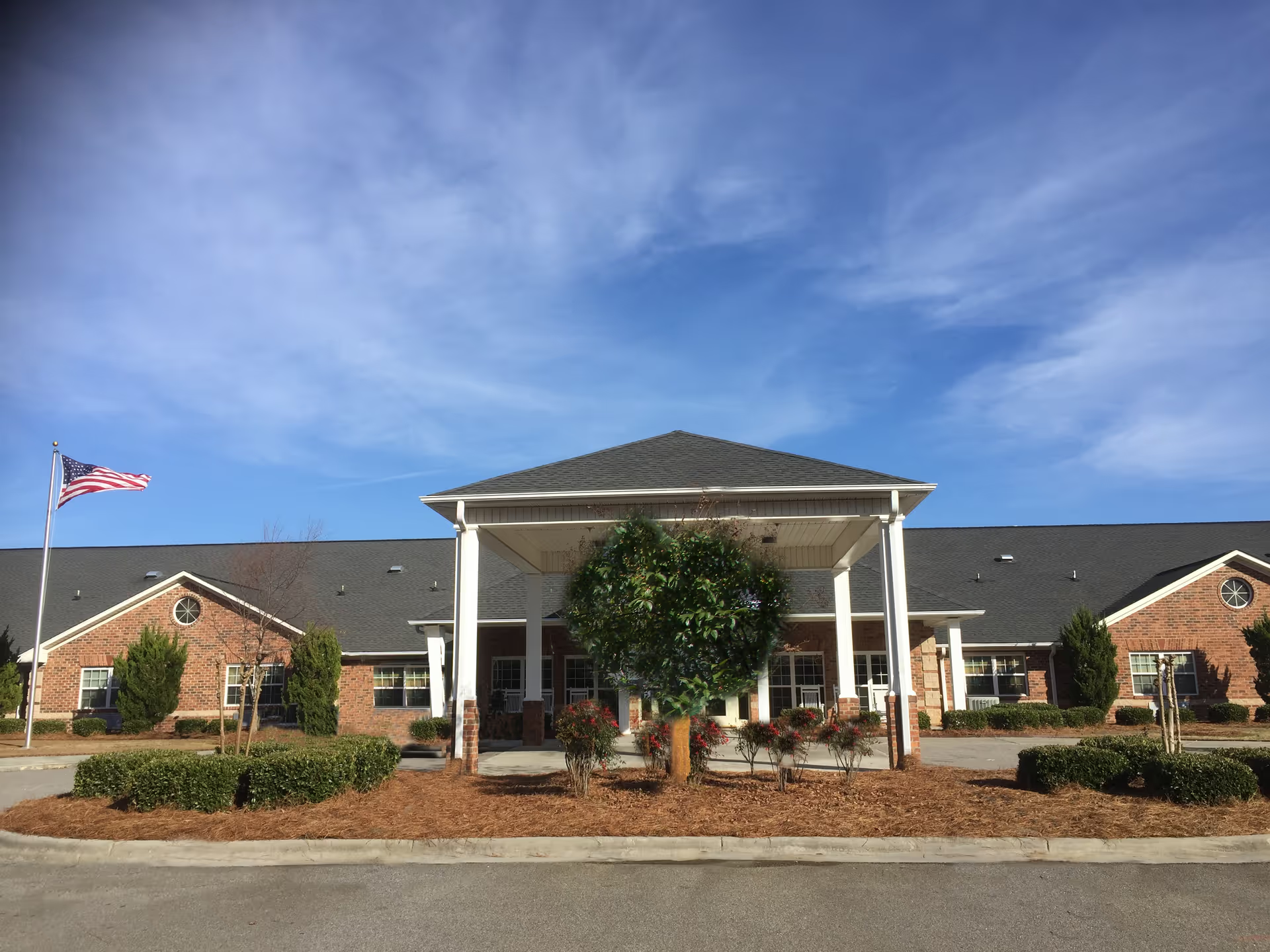
The reviews of Autumn Care of Fayetteville present a strongly polarized picture: many families and residents describe high-quality rehabilitative care, compassionate caregivers, and a clean, modern facility, while a significant number of accounts raise operational and clinical concerns. Strengths consistently mentioned include an effective therapy program with measurable rehab progress, warm and engaged activities staff, attentive individual caregivers, and a hotel-like environment that is generally well maintained. Several reviews single out specific staff members and supervisory responsiveness as positive differentiators, and some families reported smooth admissions and transitions when processes were coordinated.
Care quality appears mixed. Positive experiences emphasize daily, effective therapy and coordinated care that produced functional improvement. Contrasting accounts, however, describe delays in attending to basic needs, inconsistent bathing and incontinence-care schedules, and concerns about timely medication and pain control. Reviews also raise clinical concerns about wound-care practices, potential infection risks, and skin-breakdown prevention. These items suggest variability in nursing practice and clinical oversight between units and shifts rather than uniform system performance.
Staff performance shows similar variability. Many reviewers praise compassionate CNAs, nurses, therapists, and front-desk personnel; others describe instances of unprofessional conduct, poor tone in family communications, and staff preoccupation with personal devices. High staff turnover and staffing shortages are cited as contributors to continuity problems. Call-button response delays and difficulty reaching staff by phone or at reception recur across reviews, indicating an operational weakness in call-response systems and phone staffing.
Dining and daily living services receive mixed feedback. Several reviewers compliment the meal quality and housekeeping; others report late or cold meals, inconsistent assistance with feeding and hydration, and replacement of linens or clothing delays. Activity programming and social engagement are generally viewed positively, with families noting useful social work support and well-run activities, although social-work responsiveness and discharge-planning resources were described as insufficient in some cases.
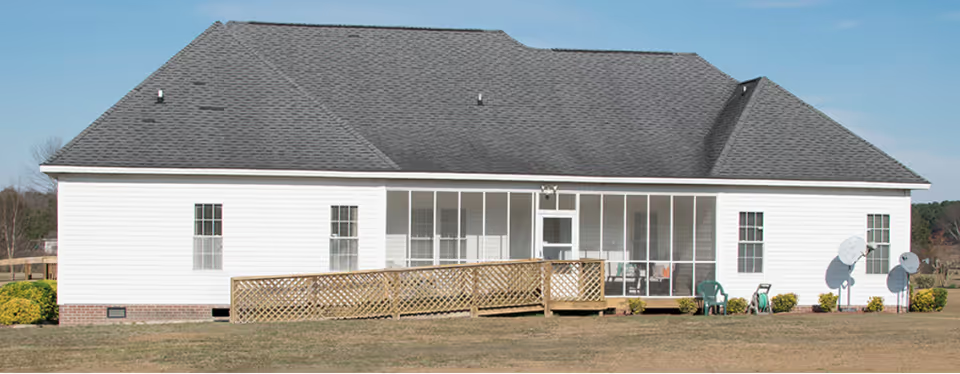
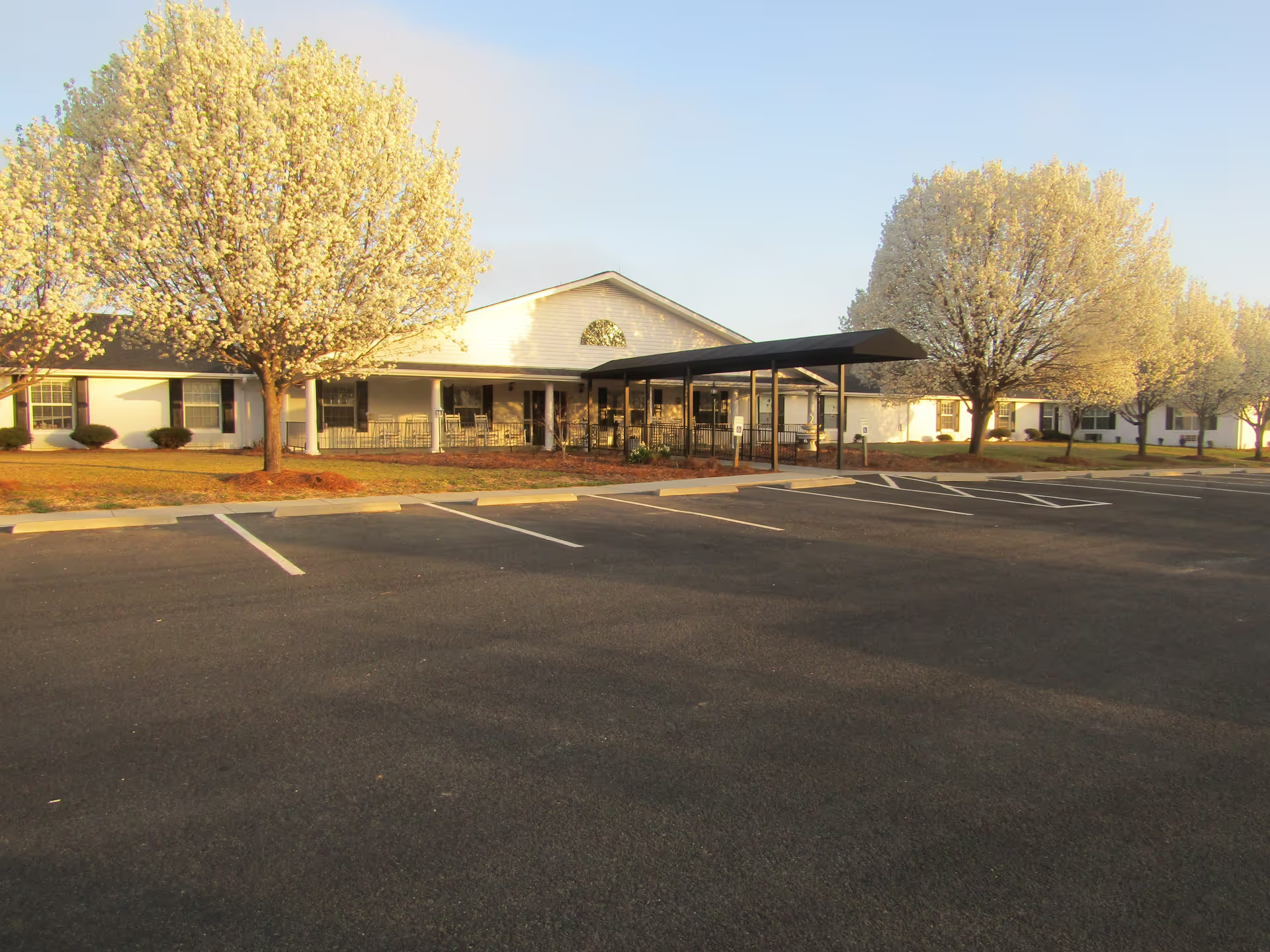
Facility and safety observations are likewise mixed. Many describe a clean, aesthetically pleasing, and well-kept environment with gardens and communal spaces. At the same time, there are isolated but serious operational concerns: delayed responses to safety incidents (including an animal-sighting response), gaps in pest-control protocols, and handling of personal belongings and labeling mistakes. A subset of reviews alleges missing items, which points to weaknesses in personal-item management systems.
Management and communication show both strengths and weaknesses. Some families report proactive administrators and prompt resolution when issues are raised; others describe poor follow-up, inflexible discharge or billing practices, and social-worker resource limitations. Several reviews mention pressure or difficulty around discharge timing and equipment provision, suggesting uneven discharge-planning and case-management practices.
Notable patterns across the dataset are (1) a clear division between very positive rehabilitation and engagement experiences and more negative accounts centered on responsiveness, hygiene maintenance, and clinical consistency; (2) variability tied to specific staff, units, and shifts rather than universally consistent performance; and (3) operational gaps in call-response, phone communications, and personal-item handling. Prospective residents and families would benefit from on-site checks of call-bell response times, discussions about individualized bathing and wound-care plans, clarification of discharge and billing policies, and conversations with the therapy and nursing teams to assess continuity of care. Overall, Autumn Care of Fayetteville demonstrates strong capabilities in therapy and communal programming but also exhibits persistent operational and clinical variability that merits attention during placement decisions.