Reviews indicate a facility with notable strengths in memory care and a group of consistently praised caregivers, alongside operational and management weaknesses that prospective families should evaluate closely.
Care quality: Many reviewers highlighted strong memory-care programming, regular checks of residents, and staff who provide personalized assistance and medication routines. These elements contribute to a perception of good day-to-day support for residents with cognitive impairment. At the same time, there are recurring concerns about clinical oversight: reviewers described falls, unscheduled ambulance visits, and instances where families felt clinical response and notification procedures were inconsistent. These point to the need to clarify fall-prevention protocols, monitoring practices, and how families are informed after clinical incidents.
Staff: Staff are frequently characterized as compassionate, engaged, and invested in residents’ wellbeing. Several staff members were singled out for positive interactions, and reviewers often described a warm, family-like community atmosphere. However, staffing levels and workforce issues are a recurrent concern: understaffing, low frontline wages, perceived inadequate hands-on training time, and night-shift responsiveness problems were reported. These operational staffing traits appear to drive variability in responsiveness and consistency of care.
Dining, activities, and daily life: The facility’s dining area and meals generally received favorable comments, and routine hygiene and shower schedules were commonly reported as reliable. Religious programming and choir activities are prominent and well-liked, but offerings beyond religious activities were described as limited. Families seeking a broader range of social and recreational programming should inquire specifically about non‑religious activity schedules.
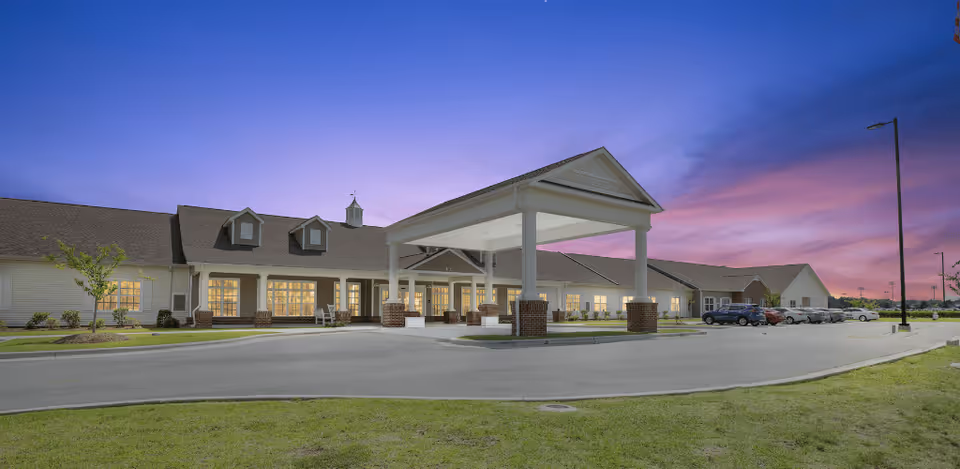
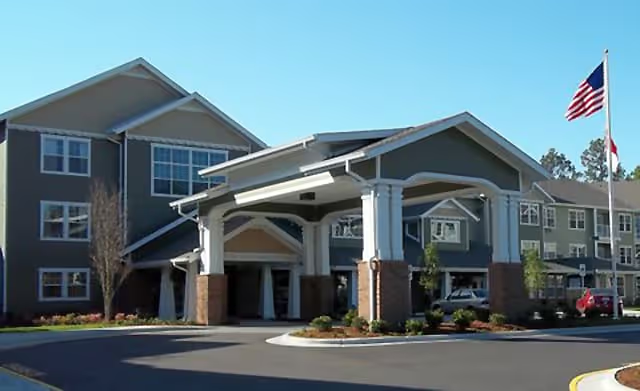
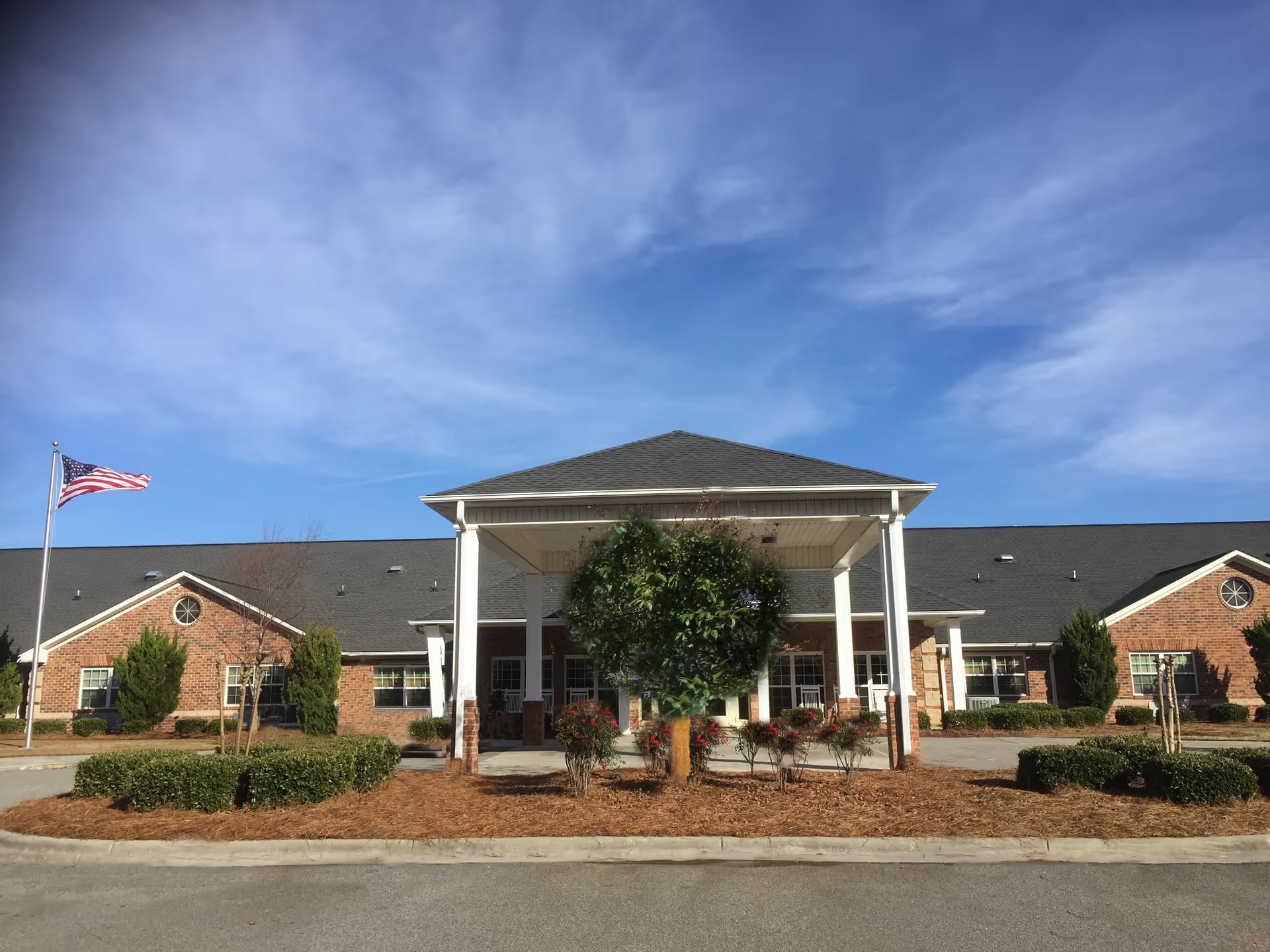
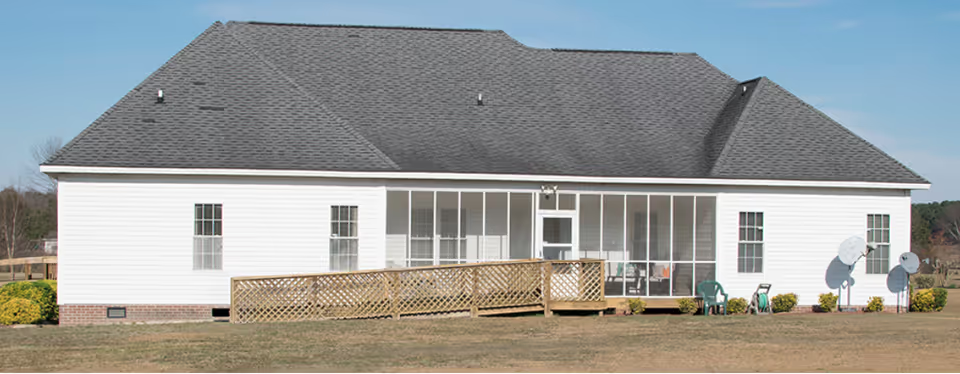
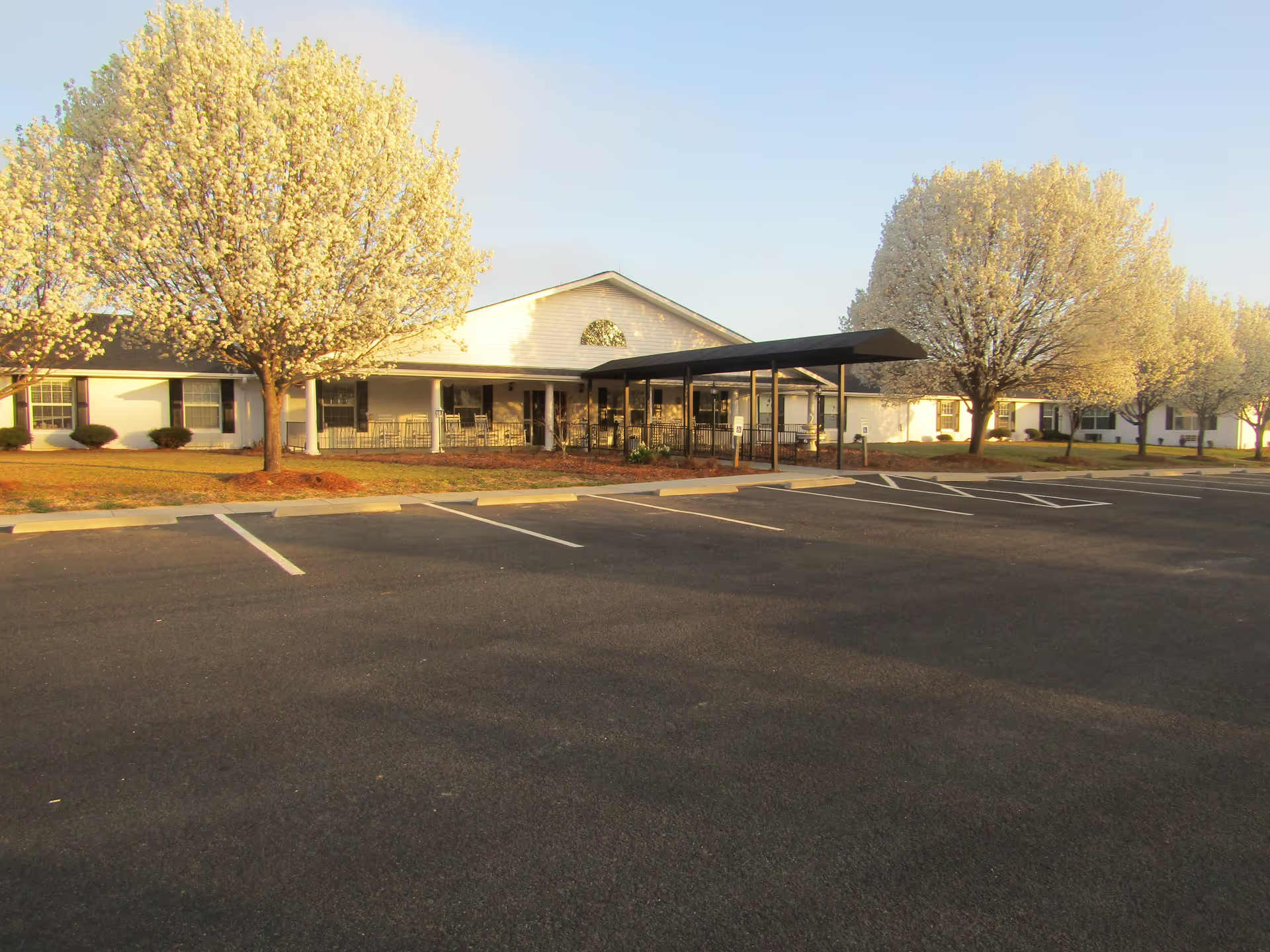
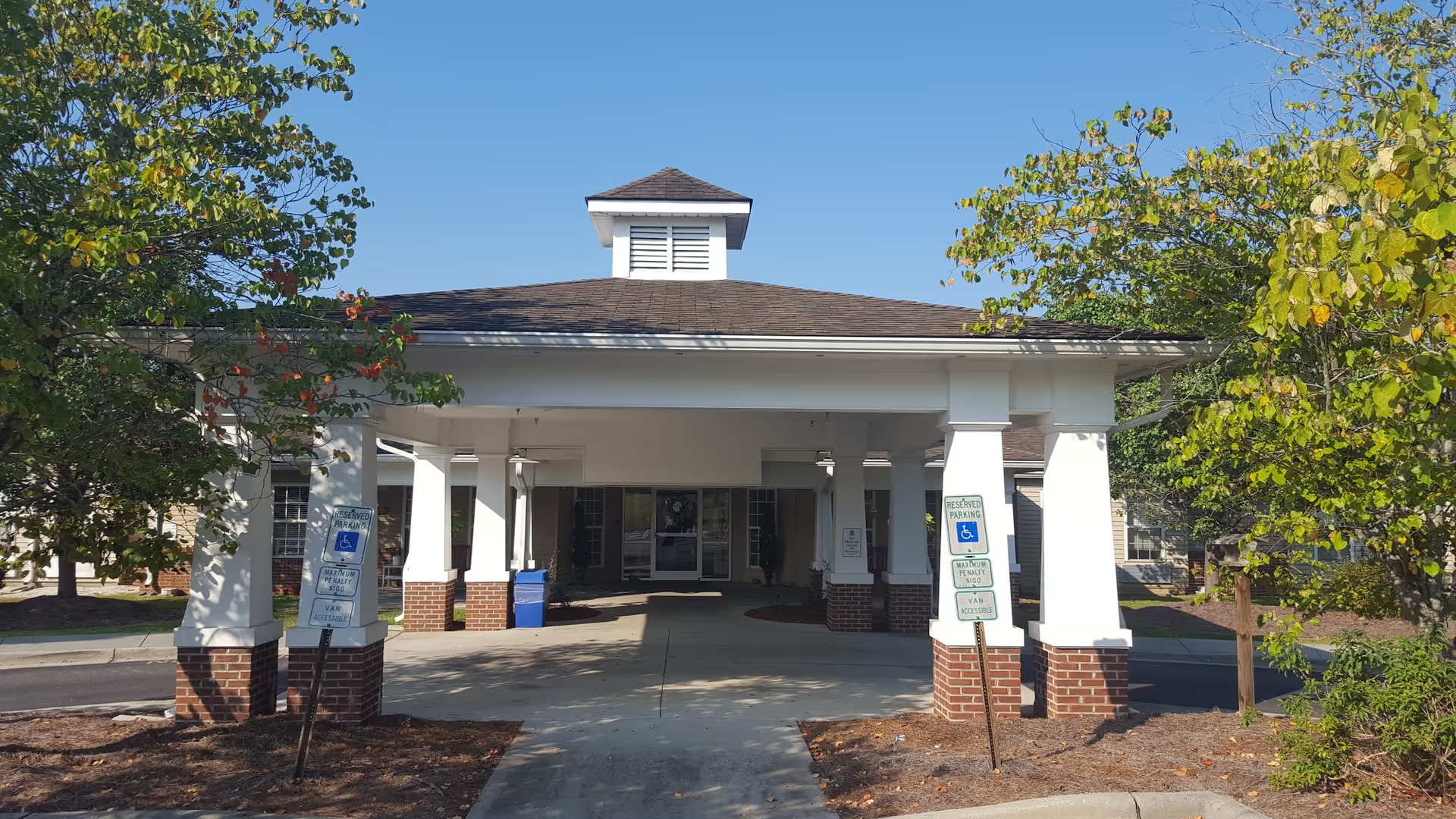
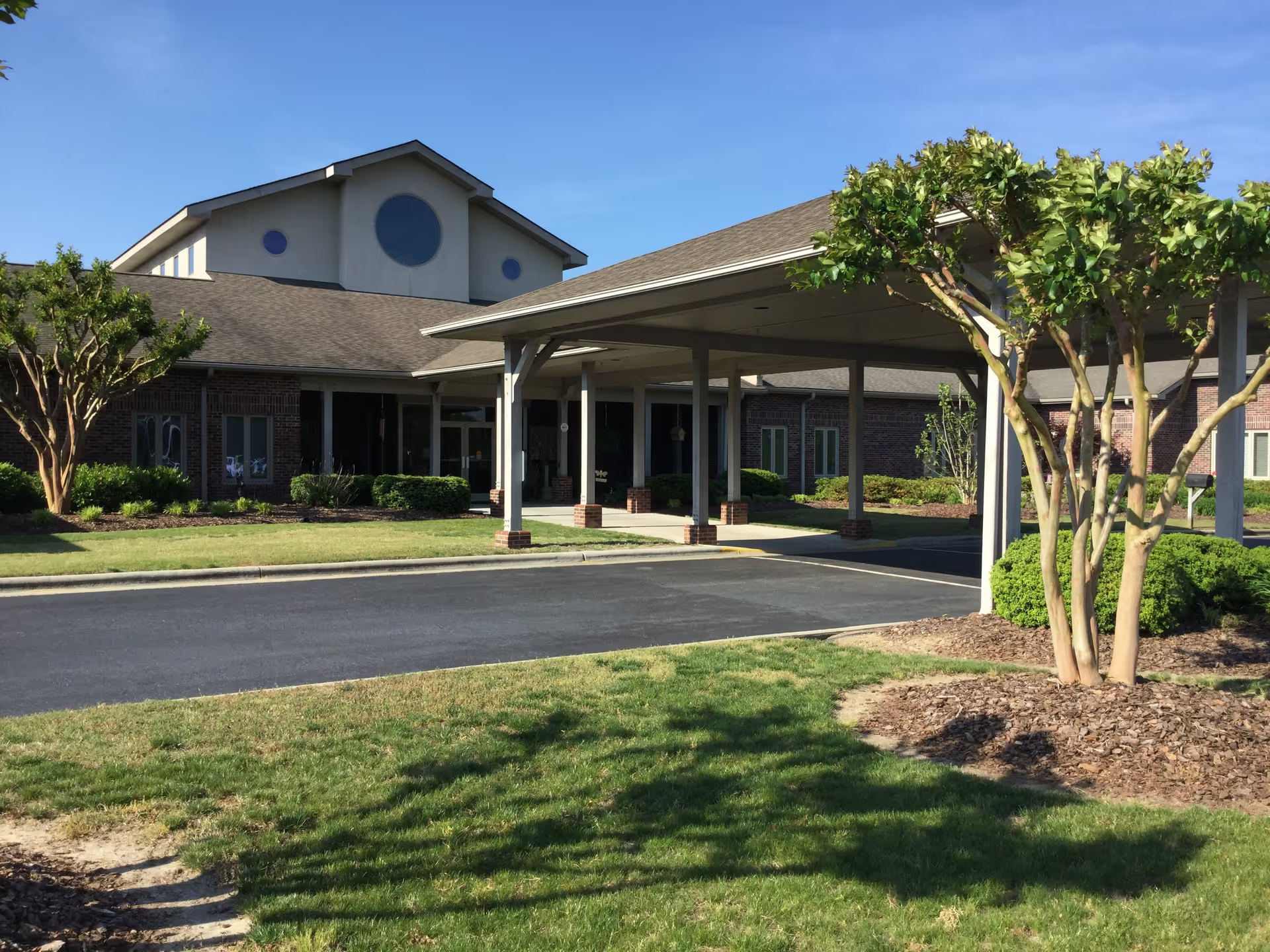
Facilities and amenities: Reviewers appreciated the smaller, less institutional layout, apartment- or bedroom-style accommodations, on-site salon services, and a secure outdoor/fenced yard for residents. Cleanliness of resident rooms and many common areas was frequently praised; however, some reviews noted sanitation and odor concerns in particular locations and occasional lapses in housekeeping standards. Personal-item management, including laundry and lost belongings, was another repeated operational issue.
Management and communication: Opinions about leadership were mixed. Some reviewers praised staff communication and transition support during admissions; others described poor management responsiveness, billing/rent increases that caused family stress, and a sense that occupancy pressures influenced placement decisions. Transparency around placement, laundry policies, and clinical roles (for example, memory-care director coverage) emerged as items families recommended clarifying during tours.
Notable patterns and guidance: Overall impressions are divided—many families find the memory-care unit and direct care staff to be excellent, while operational shortcomings (staffing consistency, clinical oversight, laundry/personal-item management, sanitation in some areas, and management responsiveness) create variability in experience. Prospective residents and families should request specific information during a tour: staffing ratios by shift, fall-prevention and incident-notification procedures, laundry and belongings-tracking policies, training schedules and turnover rates, and examples of non-religious activity offerings. Asking to meet nursing leadership and observing a mealtime or activity period can help evaluate whether the facility’s strengths align with a particular resident’s needs.