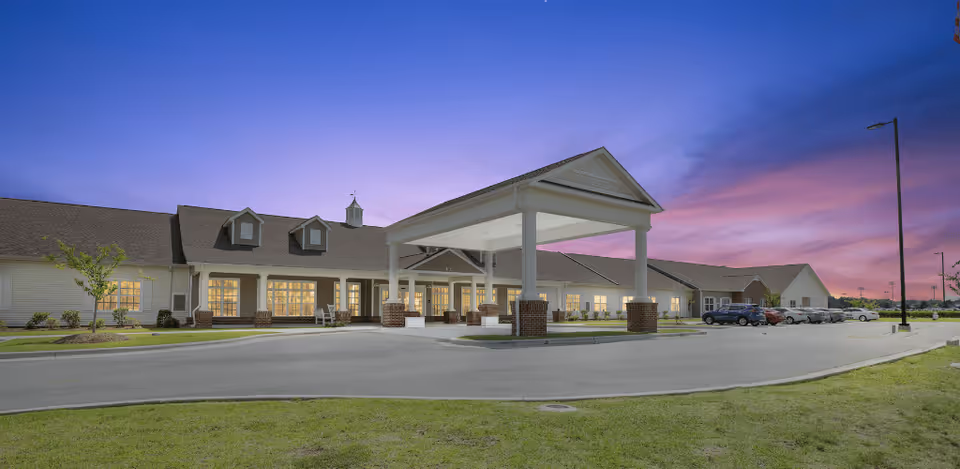
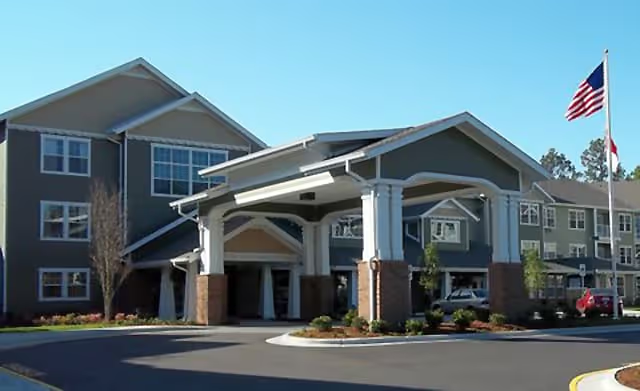
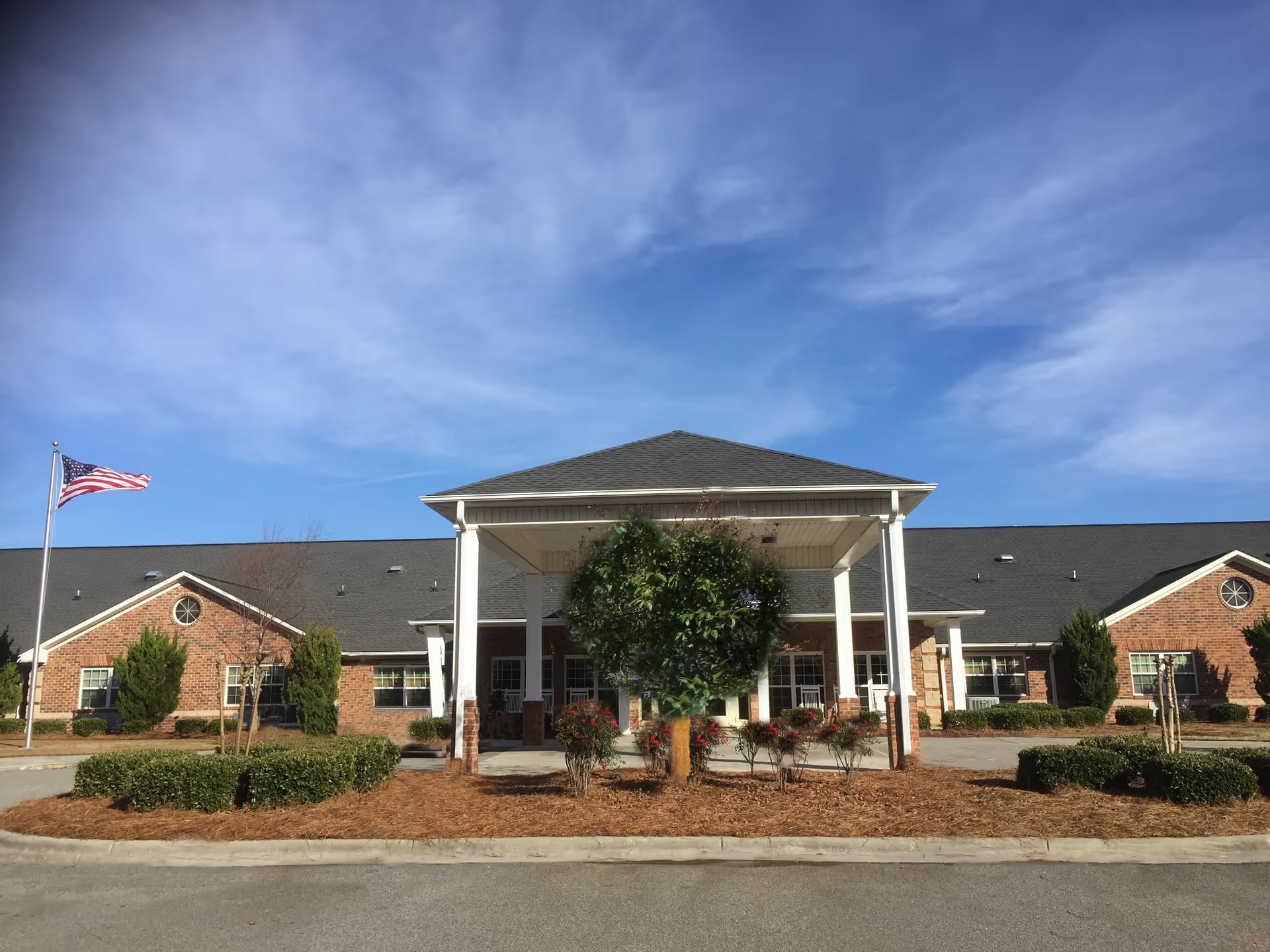
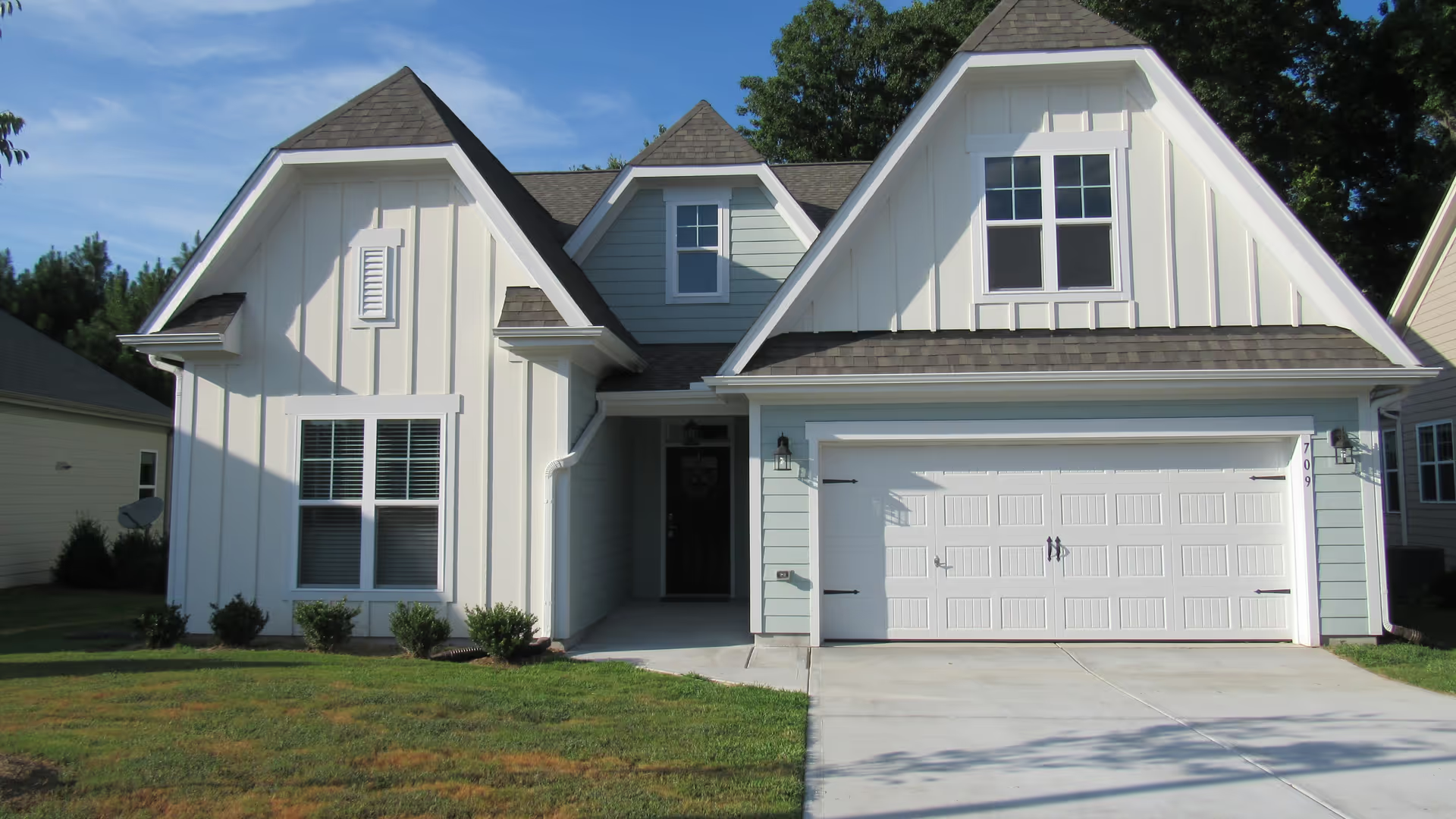
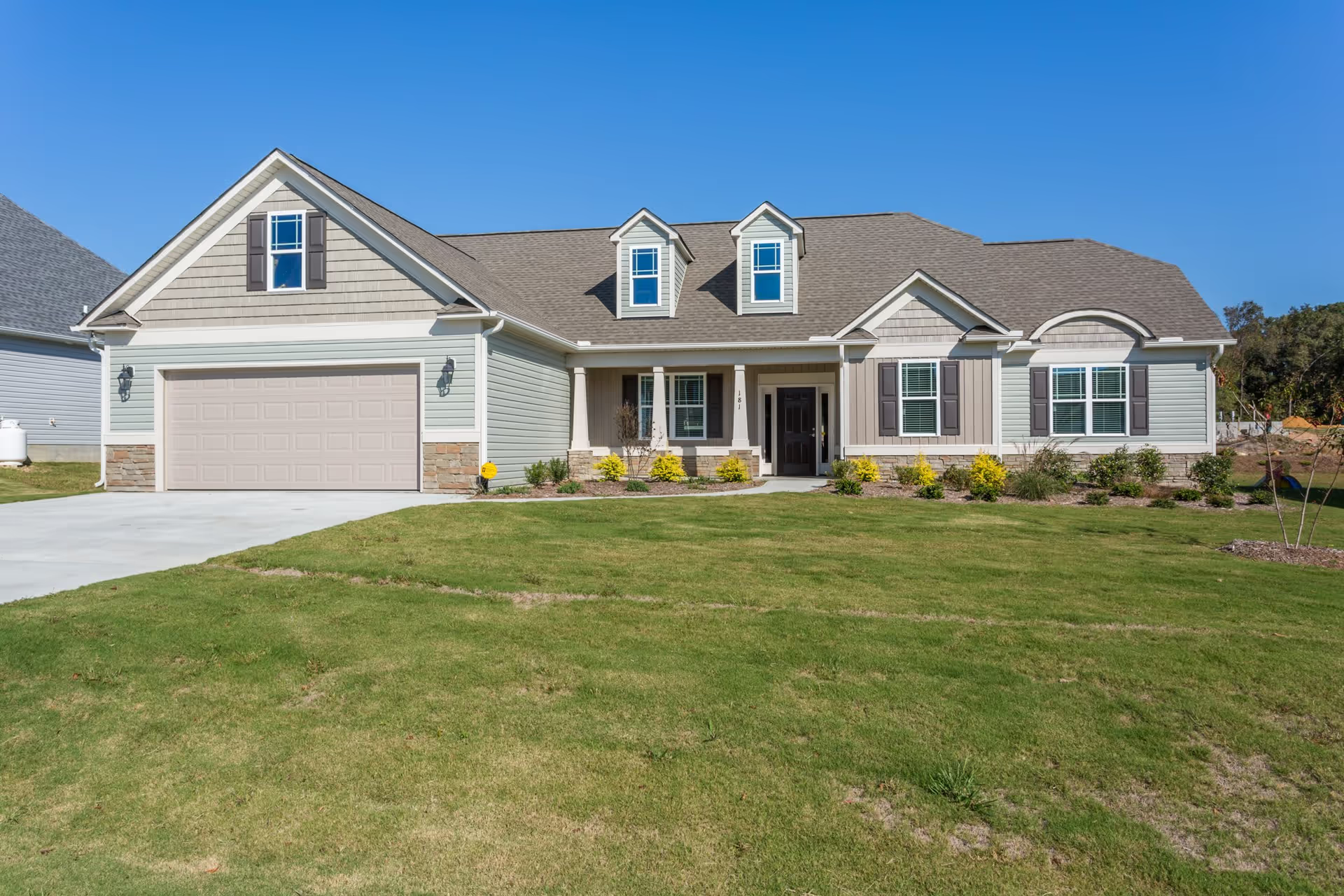
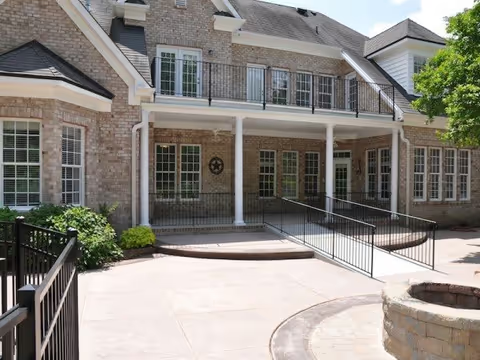
Overall impression: The Carolina Inn projects a boutique, hotel-like environment with well-maintained grounds, multiple dining venues, and a broad program of social and recreational offerings. Many reviewers described the facility as clean, attractive, and staffed by people who create a familial, welcoming atmosphere. The combination of on-site salon and spa services, landscaped patios, and concierge-style amenities reinforces an upscale living environment that appeals to families seeking a comfortable, active setting.
Care and staff: Clinical care is a frequent strength. Reviewers commonly cite a visible nursing presence (RN-led care, nurses and med-tech stations), attentive caregiving, and proactive clinical staff who engage with families. There are repeated references to compassionate, respectful staff who remember residents’ names and respond quickly to mobility and personal-care needs. At the same time, there are recurring concerns about inconsistent communication and variable professionalism from some staff members; a small number of reviewers described serious individual incidents that led to heightened family distress. These concerns suggest unevenness in staff conduct and family communications rather than a uniform culture of poor practice.
Dining and therapy: Dining is often described positively — a skilled chef, restaurant-style service in the bistro, and flexible options for in-room dining. Several reviewers praised variety and meal customization. However, others described instances of inconsistent meal temperature or preparation, indicating variability in meal-service execution. Rehabilitation and therapy services are available on-site and are considered a plus, but some families reported unclear therapy scheduling or coordination, suggesting that care planning and follow-through can be inconsistent for certain residents.
Activities and social life: The activities program is a notable strength. The Carolina Inn offers a wide range of programming — arts and crafts, bingo, chair aerobics, lectures, live entertainment, wine-and-cheese hours, shopping trips, and holiday events — and provides regular transportation for outings. Family-oriented events and pet therapy are additional assets. Infection-control policies (for example, restrictions during public-health events) have sometimes limited participation in outings; reviewers described this as an operational constraint that can affect resident engagement.
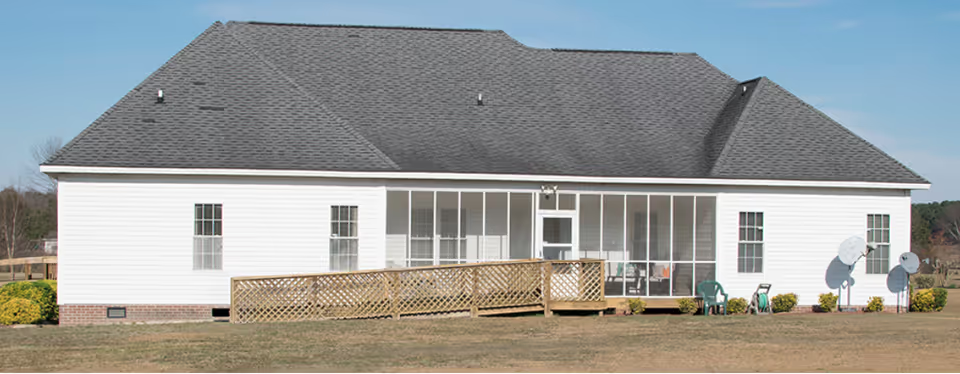
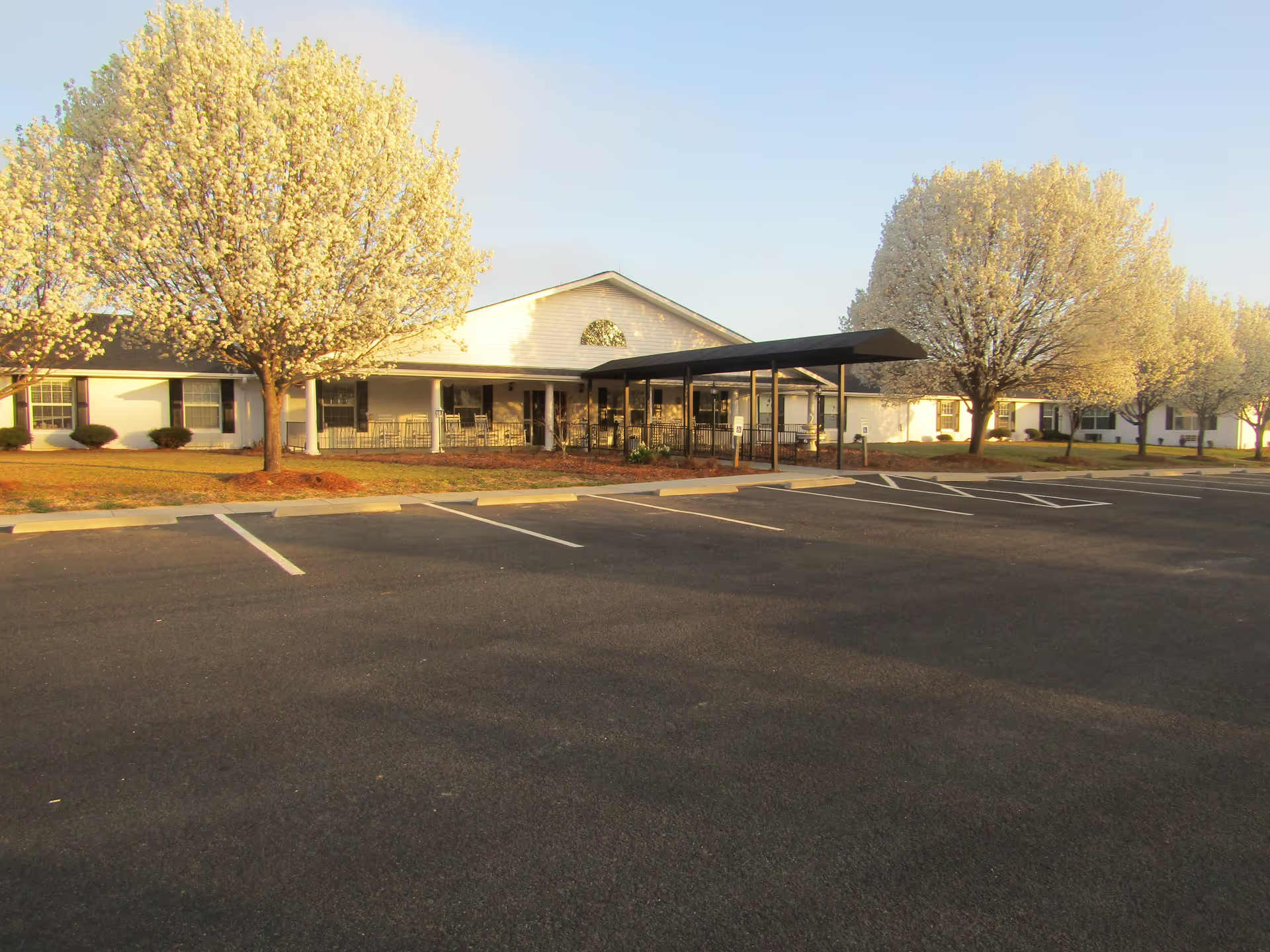
Facilities and operations: The property is frequently described as elegant, with well-kept common areas, multiple dining spaces, and attractive outdoor patios. Unit options vary from studios to larger suites, and the ability to furnish units is viewed positively. At the facility level, however, some unit types have limited en-suite bathroom availability and compact studio sizes, which may matter for prospective residents prioritizing private bathroom space. There are also recurring operational concerns including intermittent sanitation and pest-control issues, noise associated with the multi-level vertical layout, and instances where clinical oversight (for dietary monitoring and wound/skin care) appeared inconsistent.
Management and notable patterns: Management strengths include a strong hospitality orientation, visible engagement with dining and events, and organized activity programming. Management challenges identified across reviews include handling of complaints and billing disputes, variable follow-through on family communications, and inconsistent application of clinical policies. Pricing is frequently characterized as premium; prospective residents should weigh the cost against the level of services and room configuration desired. Finally, while many families express high satisfaction and praise the staff and environment, the presence of several serious personal incidents in individual accounts suggests prospective families should ask targeted questions during tours about incident reporting, pest-control protocols, memory-care coordination, and complaint-resolution processes.