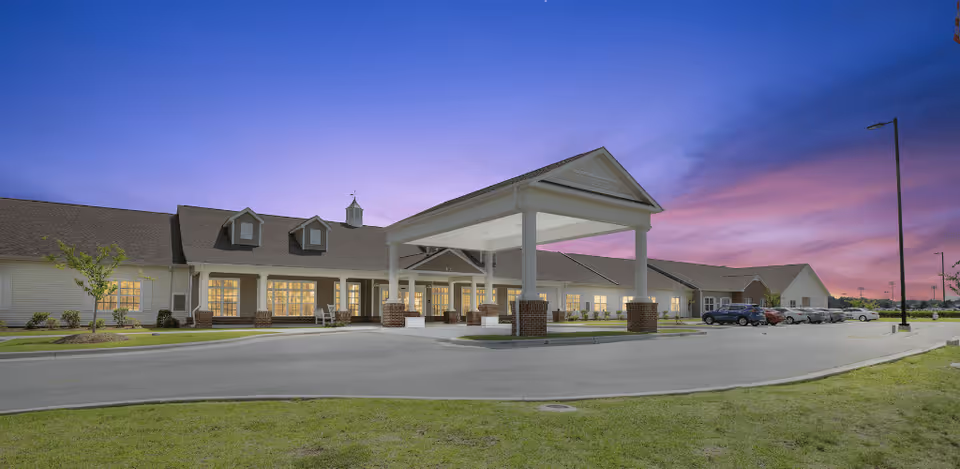
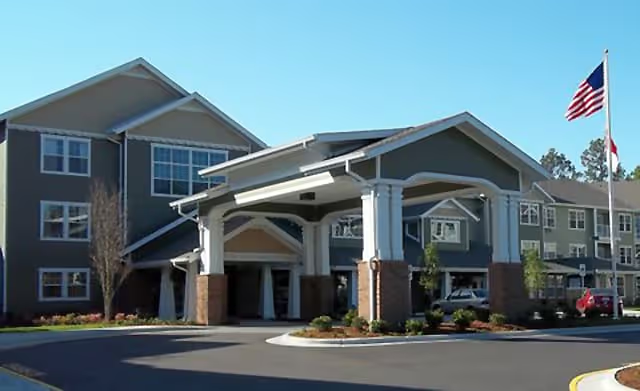
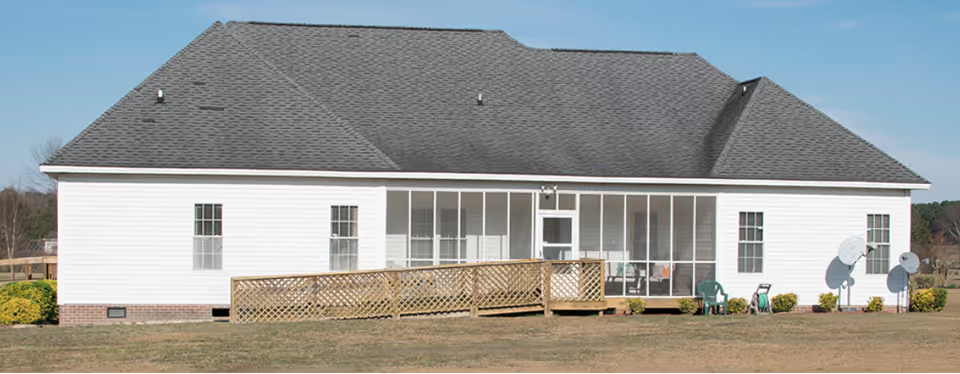
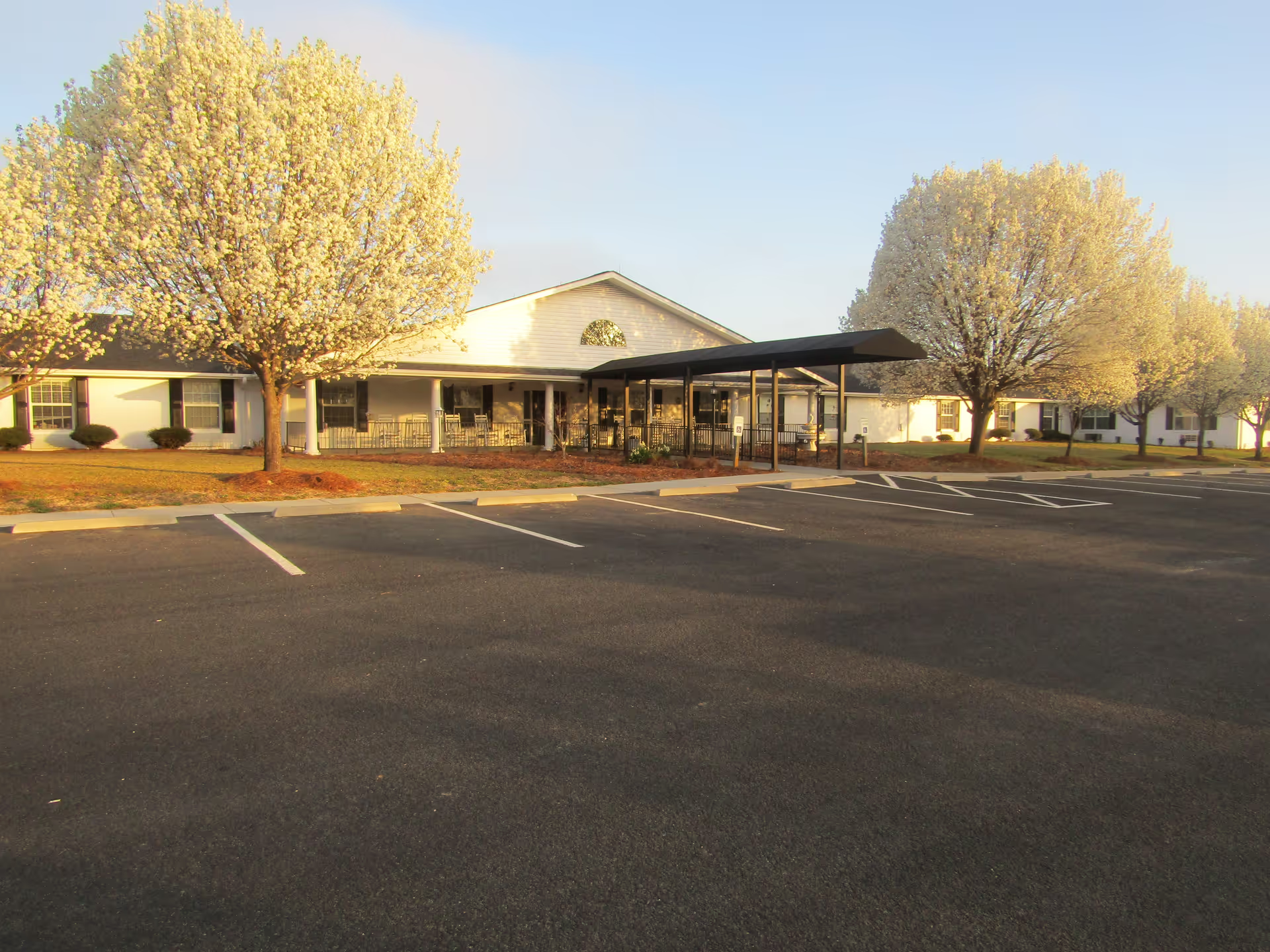
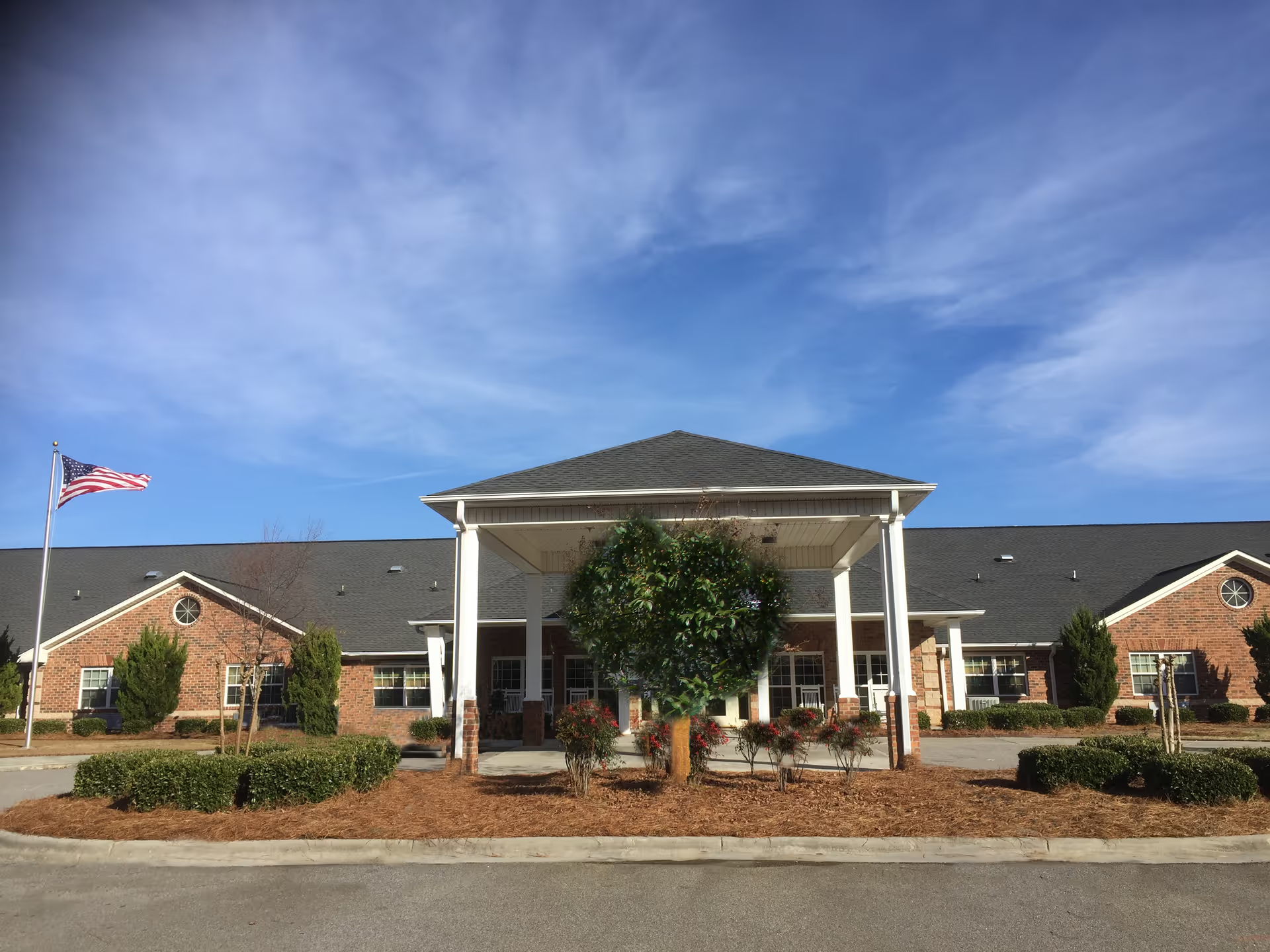
Overview Woodlands Nursing & Rehabilitation Center presents a bifurcated picture: the rehabilitation side is frequently described as well-resourced, clean, and clinically effective, while the long-term nursing side shows recurring operational weaknesses. Families praised therapists, rehab spaces, private rooms, and certain caregiving staff for professionalism and tangible functional gains. At the same time, numerous accounts identify persistent gaps in routine nursing care, facility sanitation in specific units, and frontline operational management.
Care quality and clinical oversight Clinical experiences vary considerably. Reviewers commonly praised the rehabilitation team—therapists are described as knowledgeable, proactive, and successful at facilitating recovery. Nursing and medical oversight, however, show inconsistent performance: medication administration is sometimes delayed or missed, routine personal-care tasks (bathing, toileting support, repositioning) are inconsistently performed, and families describe variable responsiveness from on-call physicians. Several reviews raise concerns about serious clinical outcomes following these failures and about gaps in post-incident communication and family outreach.
Staffing, conduct, and communication Staff behavior and availability are uneven. Many reviewers highlight individual staff members who are compassionate, attentive, and communicative; concurrently, others describe unresponsive or brusque interactions, unanswered calls, and difficulties reaching managers. Staffing levels appear variable by shift and day, with nights, weekends, and holidays frequently noted as understaffed. An outdated phone system and inconsistent follow-up practices exacerbate family frustration. There are also recurring mentions of missing personal items and complaints framed as allegations of theft, which contribute to concerns about security and staff conduct.
Dining, activities, and resident life Reportedly, dining presentation and some food quality have improved and recreational programming exists and is appreciated by many residents. Activity availability can be uneven for certain residents depending on unit staffing and individual needs. Security features such as alarms are viewed positively in some units. Families who experienced the rehab side often describe a pleasant, restorative environment; long-term care residents' experiences are more mixed and appear sensitive to staffing levels and unit management.
Facilities, housekeeping, and supplies Physical plant and cleanliness are inconsistent across the building. Reviewers praise well-maintained rehab areas and improved floors in parts of the facility, but also identify sanitation and odor concerns, mold issues in storage areas, sticky floors, and delayed room cleaning or turnaround in some nursing units. Supply-chain problems—shortages of linens, briefs, and topical products—were reported and linked to compromised daily care in particular instances. Room size and layout are also noted as tight for double occupancy in some rooms.
Management, leadership, and patterns Several reviews indicate that recent leadership turnover and corporate ownership changes have coincided with operational disruptions. Families describe inconsistent administrative communication, uneven complaint resolution, and instances where escalation did not produce timely corrective action. There are also mentions of outsourced therapy staff affecting continuity of care. Taken together, the pattern suggests pockets of strong, family-centered practice alongside systemic weaknesses in staffing, communication, supply management, and consistent clinical oversight.
What prospective families should consider Visitors should evaluate both the rehabilitation and nursing units separately during a tour, ask about staffing ratios on nights/weekends, review medication-administration and physician-on-call procedures, inquire about housekeeping and supply contingencies, and clarify security and personal-item policies. Ask for examples of recent quality-improvement actions following family complaints and request contact protocols for clinical escalation. If long-term nursing care is being considered, prioritize in-person inspection of the specific unit and direct discussions with current families when possible.
Conclusion Woodlands offers strong rehabilitation services and many examples of compassionate, effective caregiving. However, persistent operational issues—especially inconsistent staffing, communication breakdowns, medication and personal-care inconsistencies, sanitation concerns in certain nursing areas, and management turnover—warrant careful inquiry. Families who prioritize high-intensity rehab recovery may find the facility well-suited; those seeking consistently reliable long-term nursing care should perform detailed, unit-specific evaluations and obtain clear commitments about staffing, clinical oversight, and housekeeping procedures before placement.