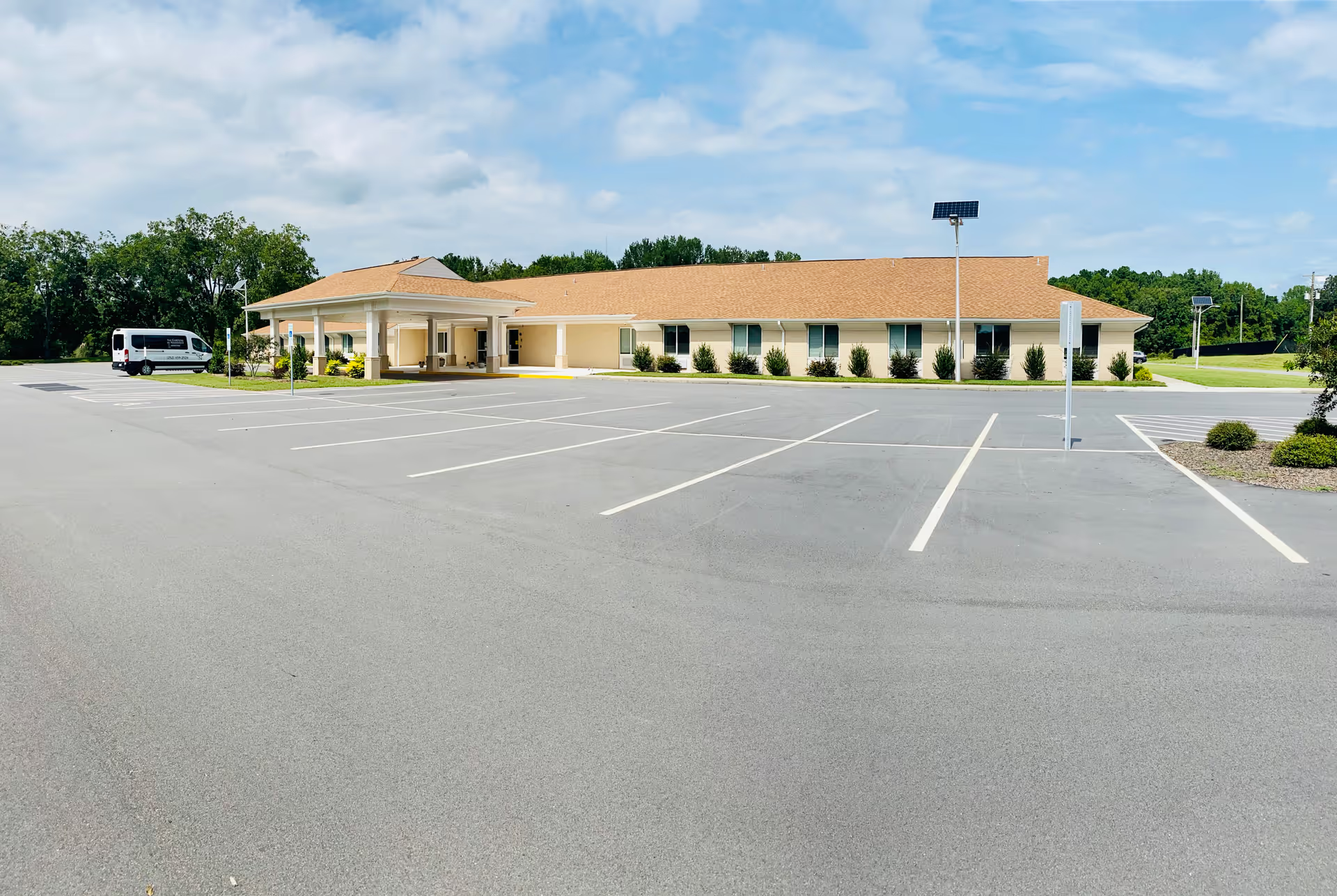
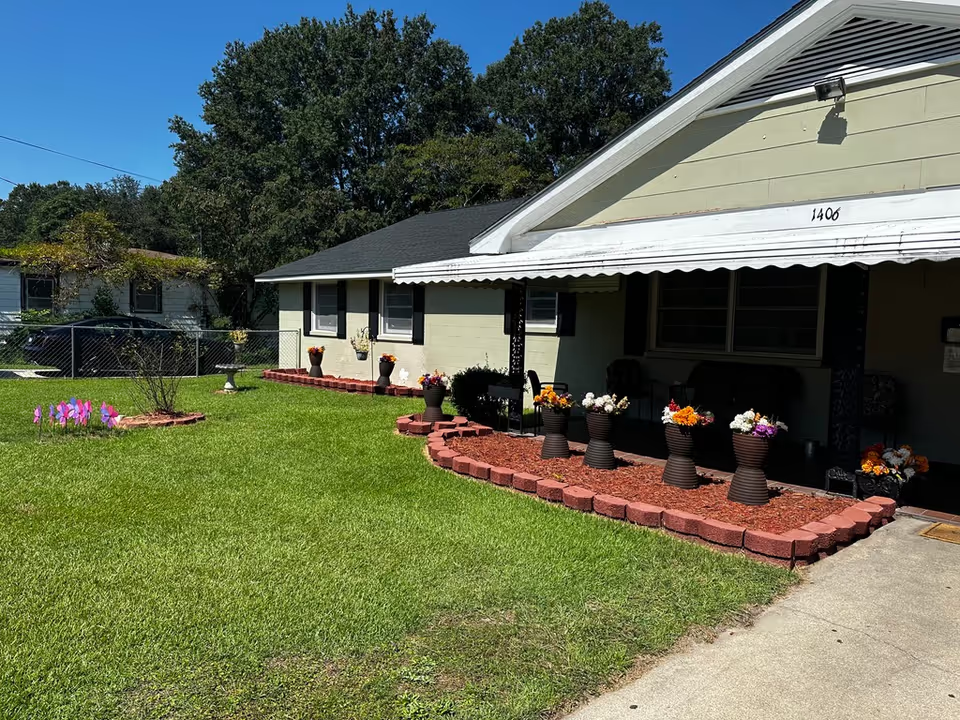
The feedback for Fremont Rest Center is mixed, with clear strengths in social programming and room upkeep but recurring operational concerns that affect quality of care. Positive comments emphasize orderly resident rooms, an active activities program, family-oriented events, and long-term residents who express satisfaction with aspects of daily life. These elements indicate a community with established routines and engagement opportunities.
Care-quality concerns center on personal-care consistency and sanitation. Comments describe interruptions in routine bathing and repositioning schedules, delays in attending to incontinence-related needs, and inconsistent waste-management practices in resident areas and restrooms. Together these items point to gaps in daily-care processes and environmental maintenance rather than isolated incidents. Several comments also raised safety-related issues and periods when environmental upkeep did not meet expectations.
Staff performance and supervision are other prominent themes. Feedback includes concerns about staff conduct and responsiveness, as well as perceived weaknesses in staff training and oversight. There are also notes about privacy and dignity protocols—instances where professional boundaries or room-entry practices may not align with family expectations. One specific operational practice described as restrictive seating suggests the facility should clarify its policies and safeguards around restraint-like measures.
Dining and basic hospitality appear uneven. While no systematic praise or complaint about food quality is dominant, some comments call out inconsistent availability of basic refreshments and hydration. Facilities themselves receive mixed remarks: resident rooms are described as neat and organized, but common-area sanitation and waste handling were identified as areas needing improvement.
Management and systems issues are implicated across the concerns: inconsistent adherence to care protocols, uneven supervision, and apparent gaps in training and accountability. For prospective residents and families, useful questions to pose include: what are the staffing ratios and training requirements for personal care; what are the documented cleaning and bathing schedules; how does the facility manage hydration and basic comfort needs; what protocols govern restrictive seating or restraint use; and how does management audit compliance with care standards and respond to complaints. These inquiries can help clarify whether the facility's positive community aspects are supported by reliable operational practices.