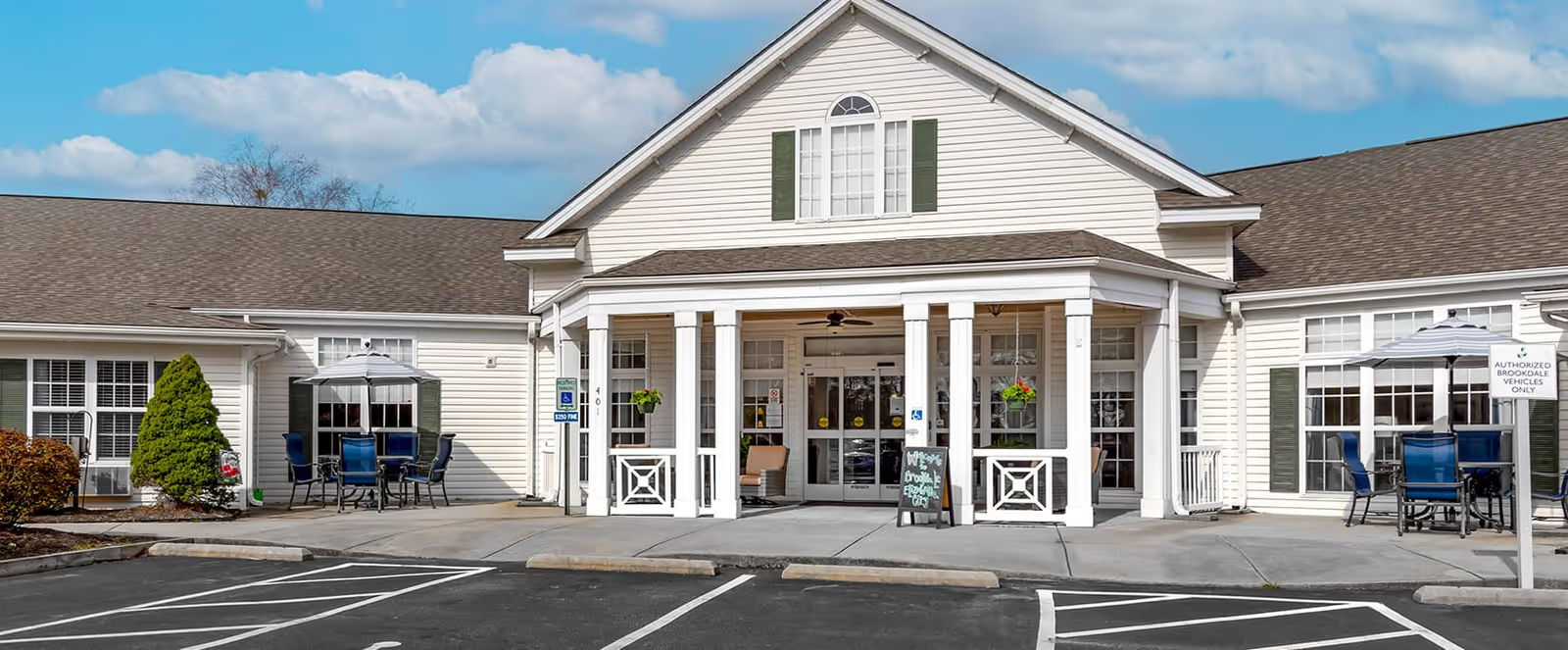
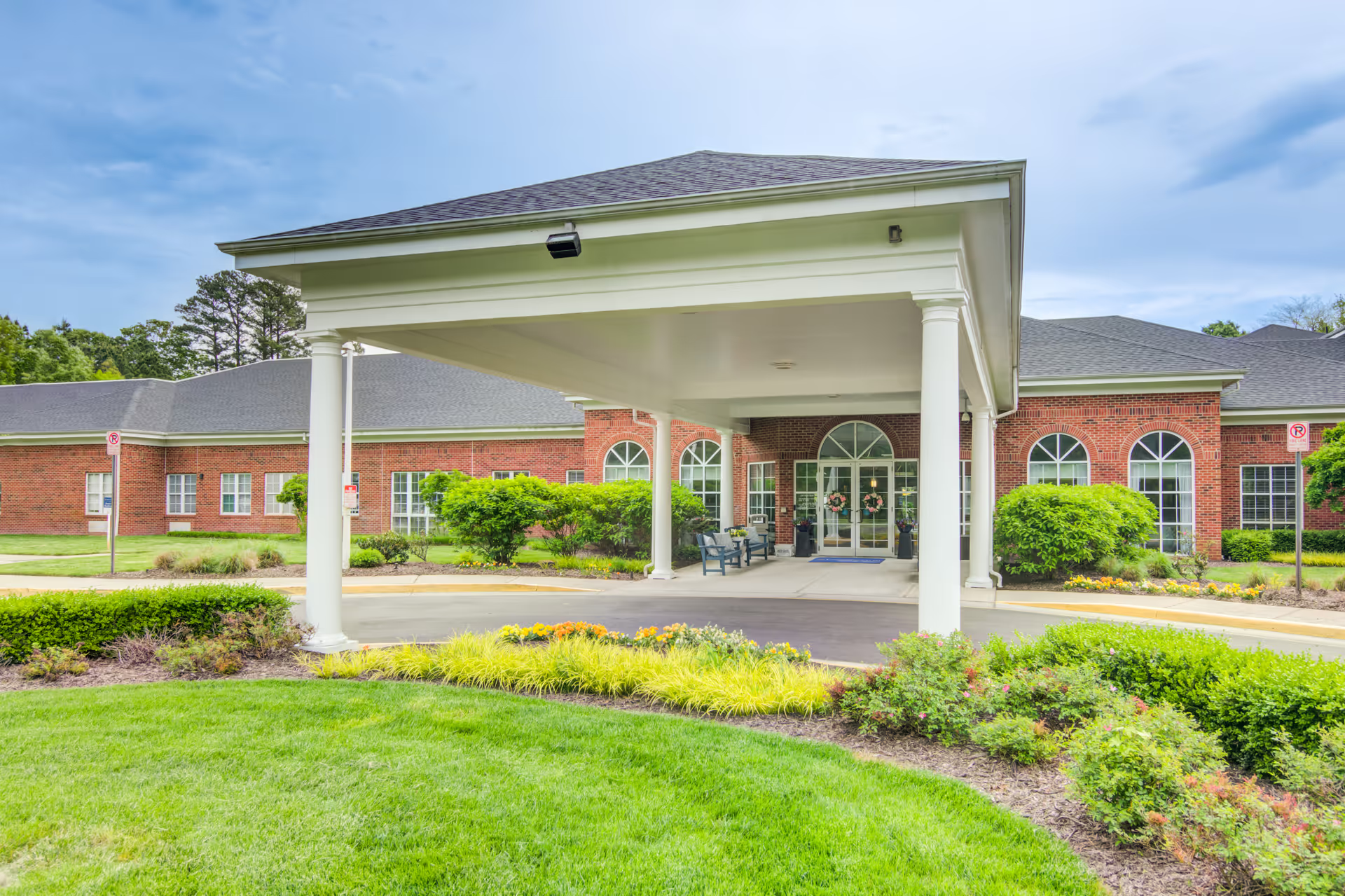
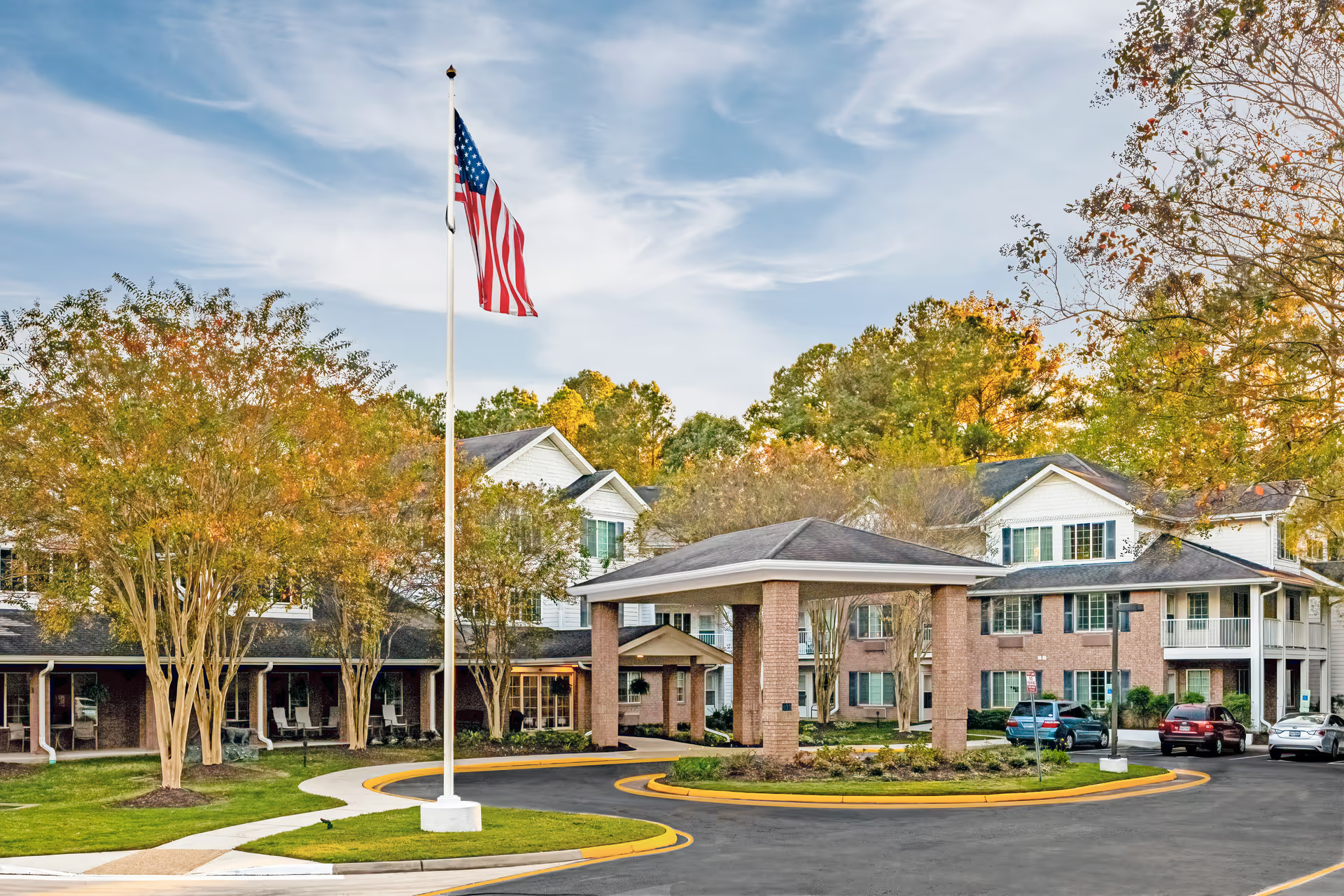
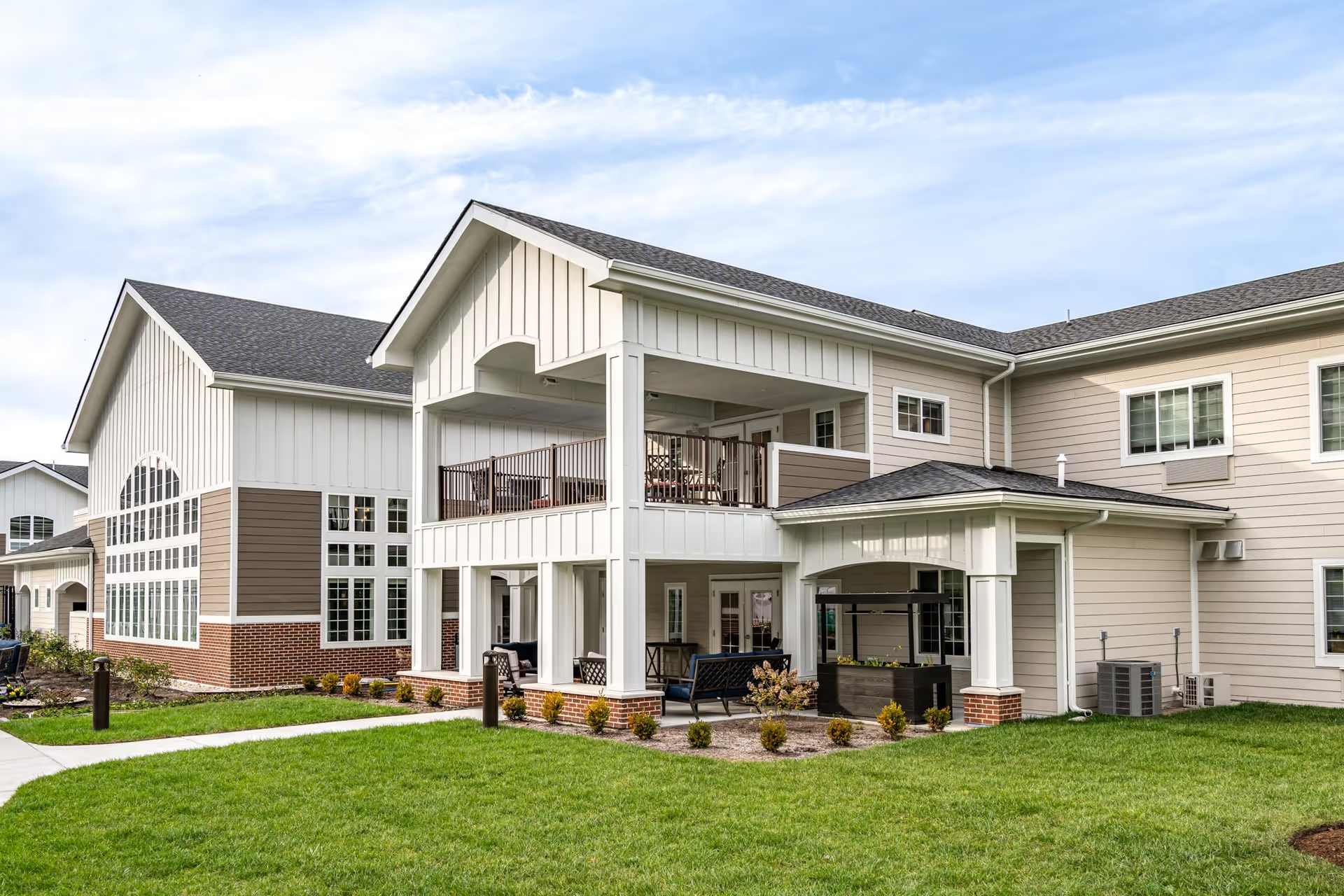
Overall impression: Review content outlines a facility with a mix of clear strengths and recurring operational concerns. Many family members and visitors describe a clean interior environment, private rooms with attached bathrooms, and an accessible enclosed courtyard. Multiple comments highlight staff warmth and a willingness to help, with specific praise for an engaged executive director and management team. At the same time, the body of feedback includes consistent operational themes that merit careful inquiry by prospective residents and families.
Care quality and clinical oversight: Feedback indicates variability in clinical responsiveness. Positive accounts describe organized, attentive caregivers and supportive memory-care programming. However, other accounts point to delays or gaps in clinical attention beyond routine medication administration, and to situations that led to hospital transfers. There are specific concerns about nutrition and hydration management and fall-prevention practices, and several notes indicate that dementia-specific care can be inconsistent. These patterns suggest uneven clinical oversight that prospective families should assess directly — for example, by asking about staffing ratios, clinical monitoring routines, and dementia-care protocols.
Staff and culture: Staff are frequently described as compassionate, personable, and family-oriented; staff members who educate and assist families are cited as a strength. That positive culture coexists with reports of staffing shortages and caregivers who appear overworked, which can undermine consistency of care. There are also isolated but serious allegations about staff conduct and withholding of personal items; these accounts point to the need for prospective families to review staff training, supervision, and resident-rights procedures.
Dining, activities, and facilities: Dining experiences are mixed. Several families praise punctual, palatable meals, while others find menu options unappealing and note a lack of alternatives for residents with preferences or special needs. Facility features such as private bathrooms and a secure courtyard are assets, but maintenance of grounds and common areas is described as inconsistent. Activity programming is not a dominant theme in the feedback; families should request current activity schedules and examples of engagement opportunities during a tour.
Management, communication, and operations: Management receives both commendations for helpfulness and criticism for unresponsiveness, indicating variability in administrative communication. Communication gaps extend to interactions with external providers and hospitals, where families report poor coordination around transfers and incomplete handoffs. The facility is undergoing a corporate transition, which multiple comments associate with operational disruption. Pricing is characterized as high by some families, with uncertainty about whether cost aligns with the level of clinical oversight and services provided.
Notable patterns and recommendations: The strongest, consistent positives are cleanliness, private-room accommodations, and many staff members' compassionate approach. The most important operational concerns are inconsistent clinical responsiveness, dementia-care gaps, belongings-security issues, staffing pressures, inconsistent meal appeal, and variable management communication — alongside questions about pricing and transition-related stability. Prospective residents and families should conduct an on-site tour, ask for up-to-date staffing ratios and clinical oversight procedures, review policies for personal-property handling and laundry, request recent inspection or survey results, inquire about dementia-care staffing and training, and obtain a clear breakdown of fees and what they cover. Doing so will help determine whether the facility’s strengths align with the prospective resident’s care needs and expectations.