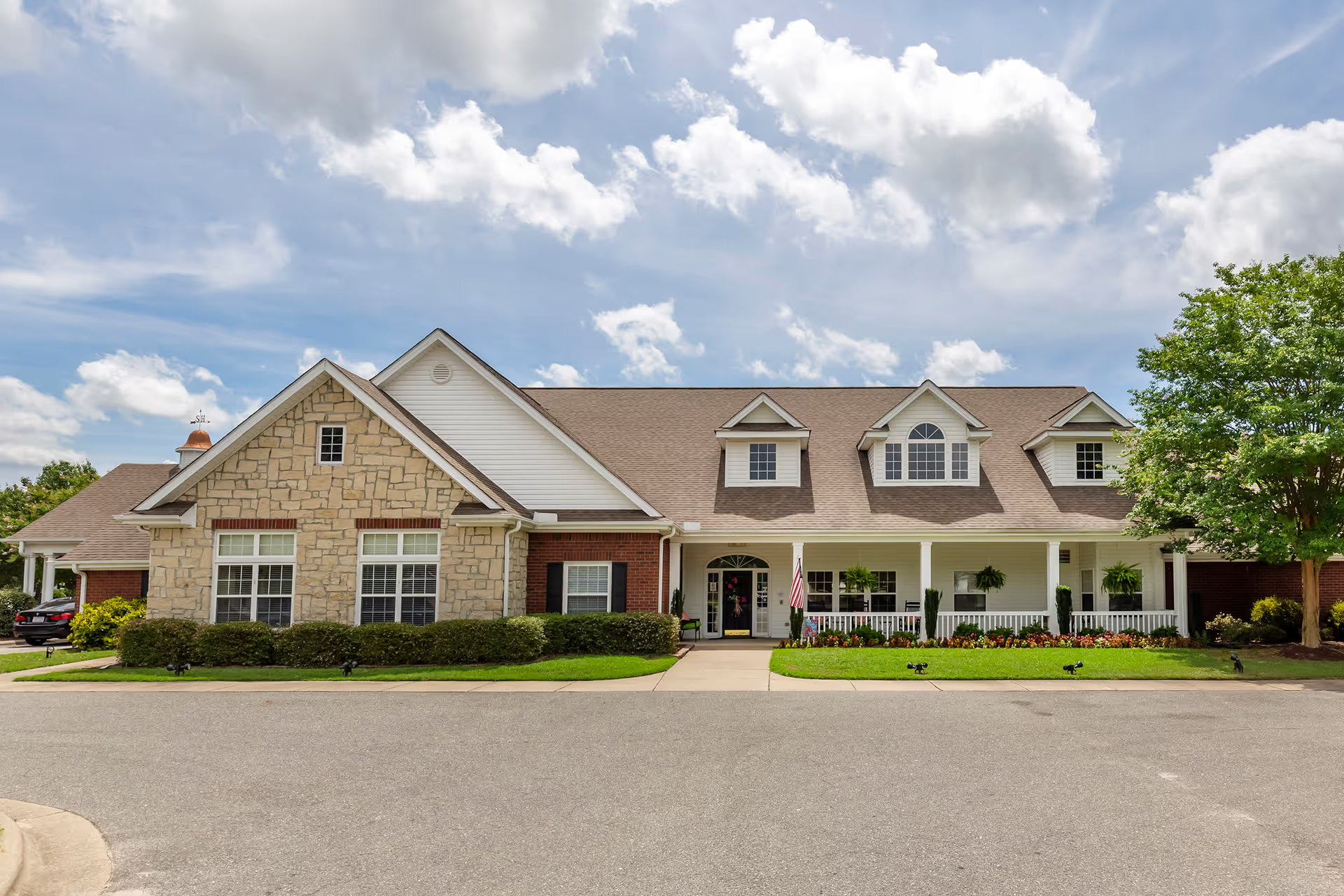
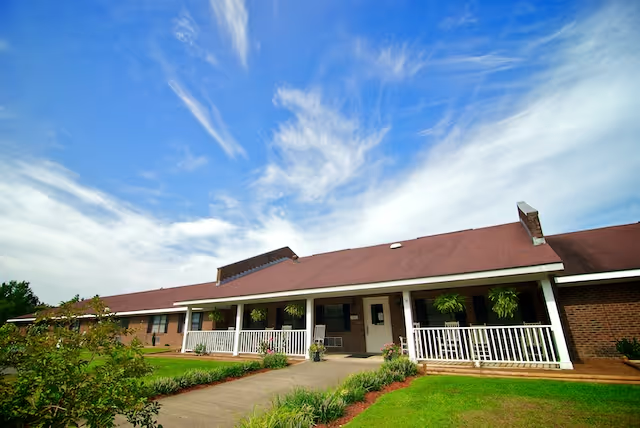
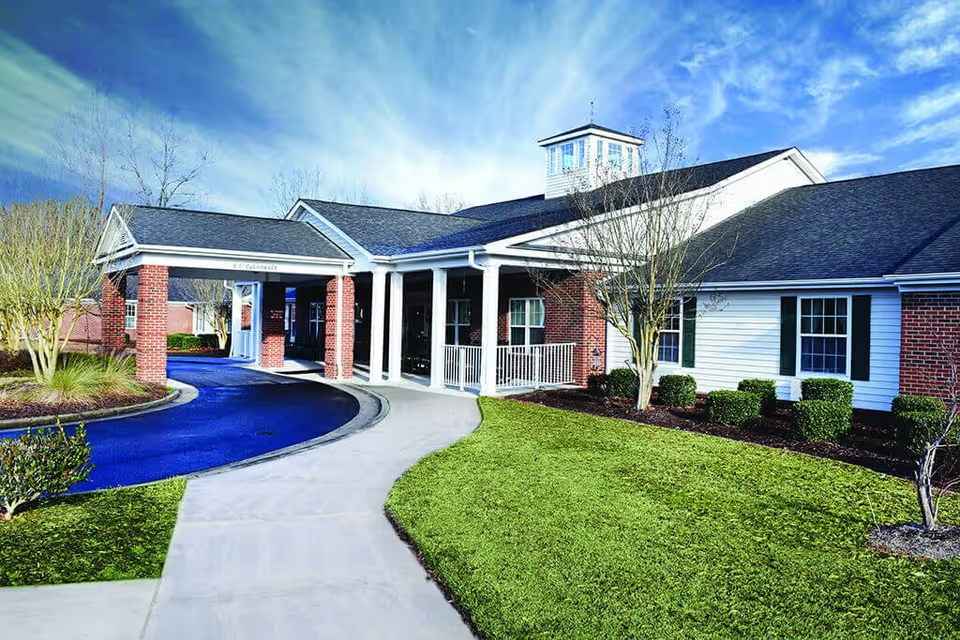
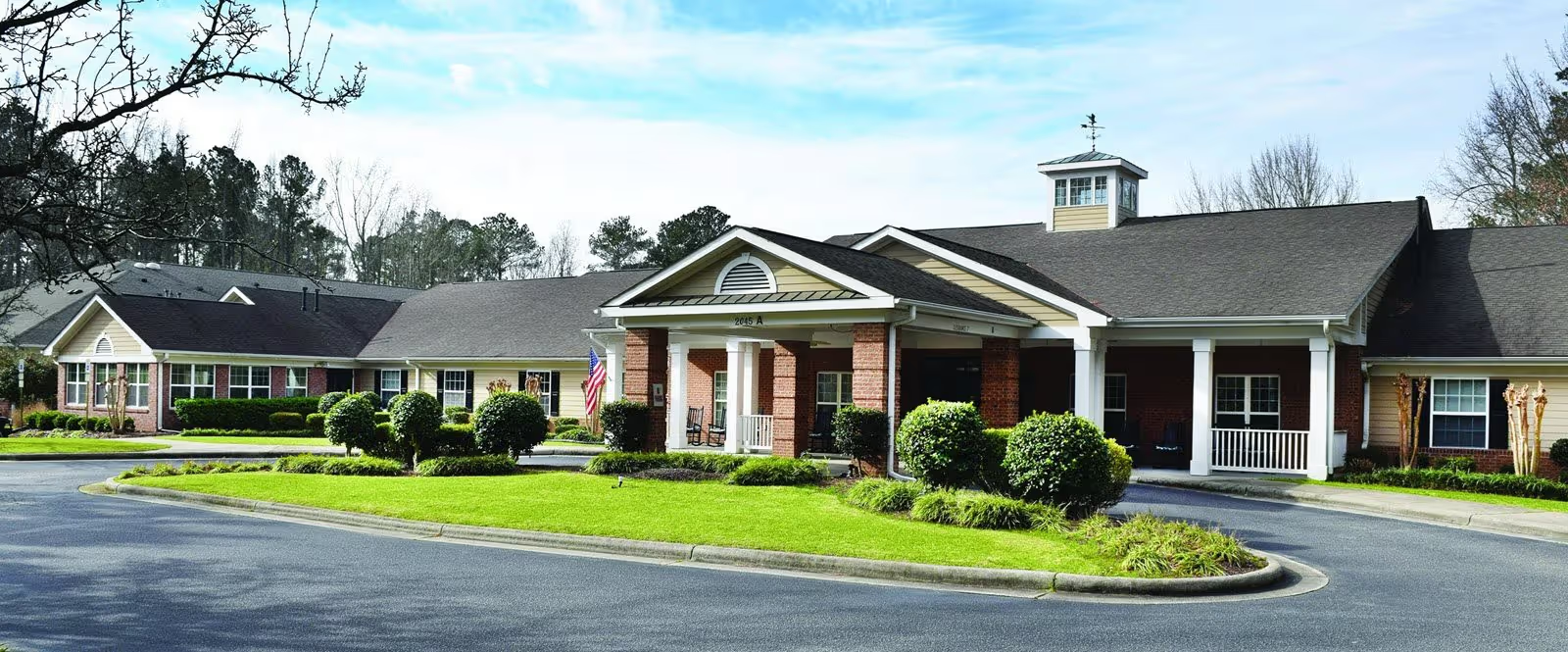
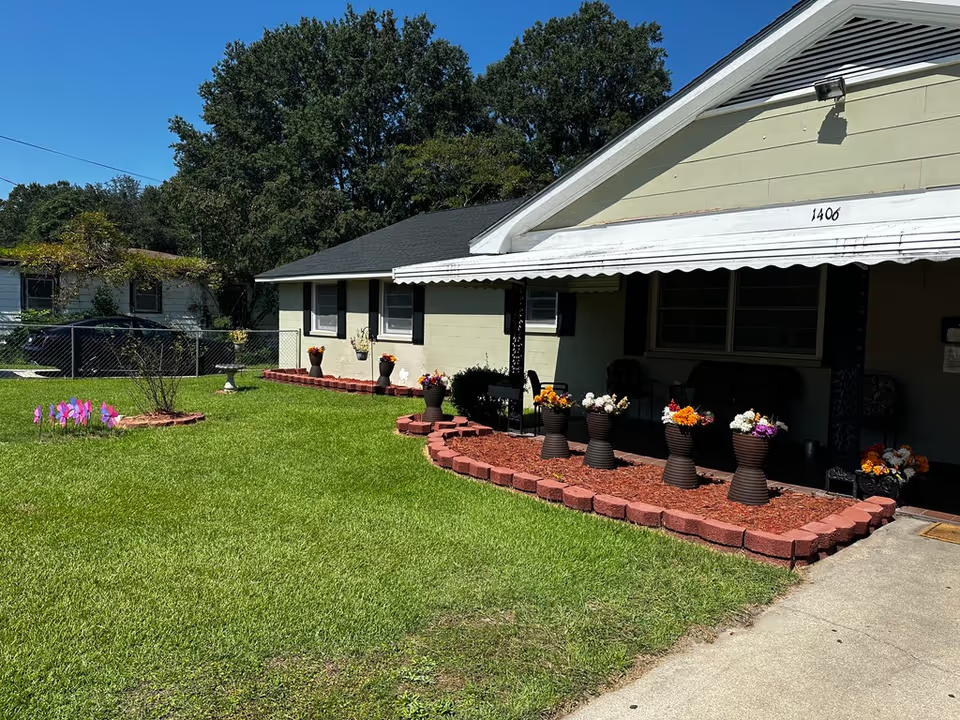
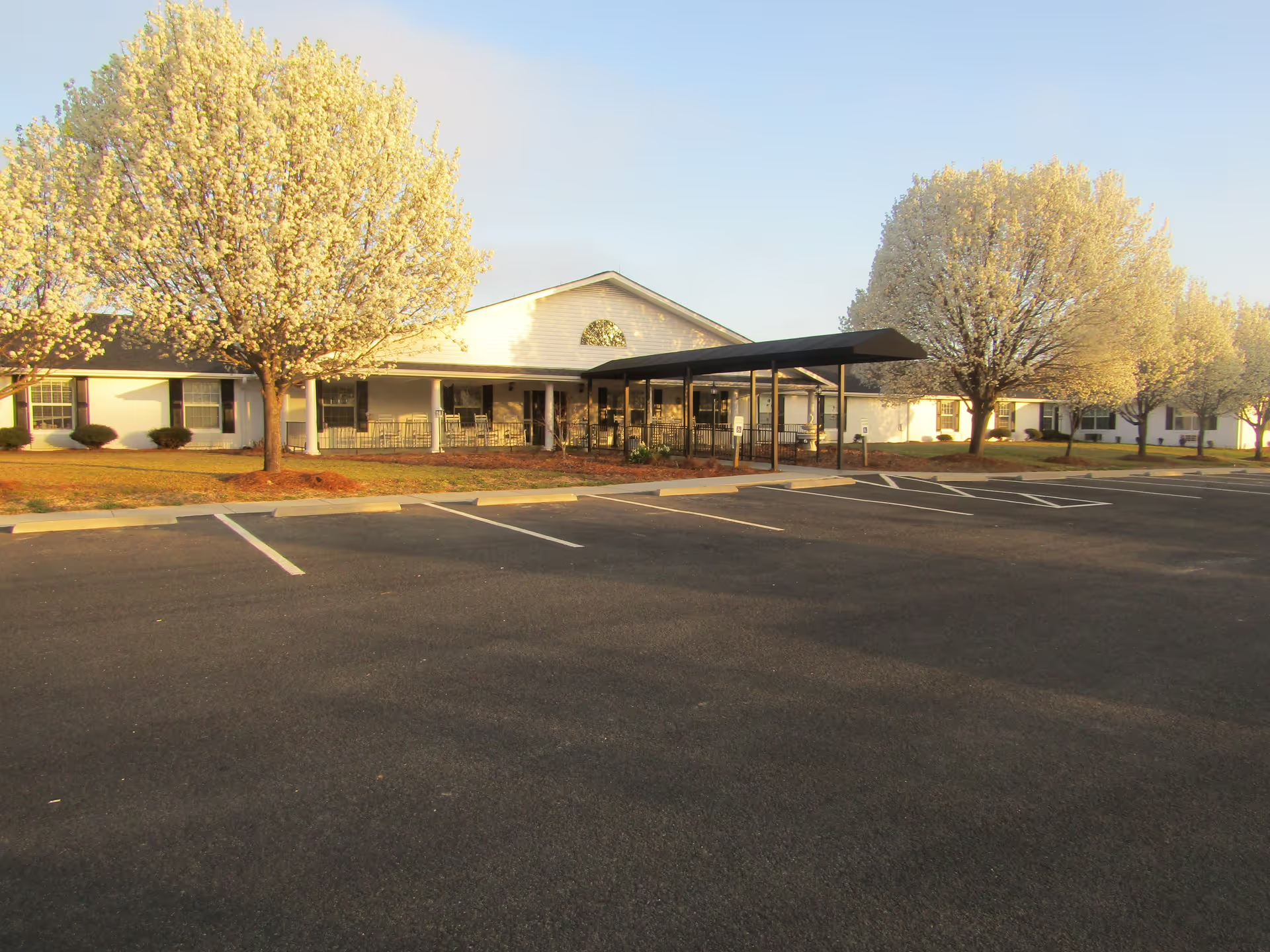
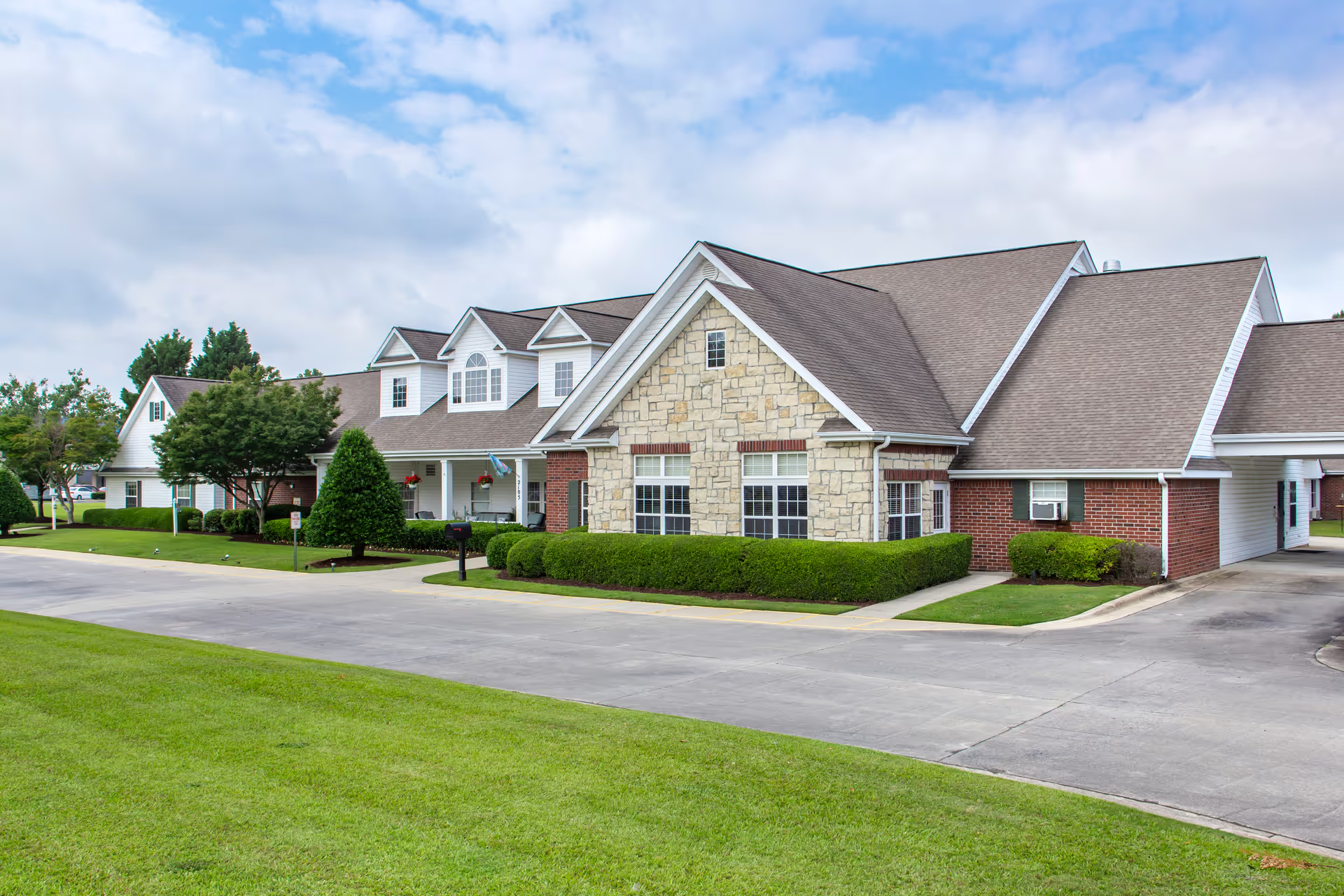
Overall impression: Eagle's Pointe presents a facility with strong physical amenities and active programming but also persistent operational challenges. Families consistently praise the building, layout, and social spaces, and many note positive interpersonal interactions during tours and admissions. At the same time, accounts indicate variability in daily care delivery that has resulted in both highly positive and seriously concerning experiences.
Care and clinical quality: The facility offers robust rehabilitation services and a skilled clinical team in parts of the community; several families described effective dementia care and responsive clinicians in the rehab section. However, a recurring pattern involves inconsistent medication-management processes (missed doses, supply lapses, and distribution errors) and periodic failures in routine personal care. These issues are often linked to staffing levels and shift-to-shift variability, producing a mixed picture in which strong clinical capability can coexist with problematic execution of basic care tasks.
Staff and culture: Reviewers frequently characterize front-line staff as friendly, compassionate, and emotionally supportive, and many families reported feeling peace of mind when caregiving was consistent. Leadership visibility and responsiveness also receive positive mention, particularly from families who experienced follow-up from an engaged administrator. Counterbalancing these strengths are reports of uninformed or inattentive staff, concerns about staff conduct or responsiveness, and allegations of unfair treatment of employees that could contribute to turnover and service inconsistency.
Dining and activities: Dining is a clear strength — reviewers highlighted high-quality meals, a variety of snacks, and special dining events. The activities program is robust and well organized, with an active activities coordinator, recurring social events (including piano visits) and communal spaces that encourage engagement. These programs contribute positively to residents’ social well-being and are frequently cited as a reason families are satisfied.
Facilities and environment: The facility’s appearance, room sizes, and amenities (including walk-in showers and accessible bathrooms) are consistently praised. Secure access and a welcoming common-area design are additional pluses. Nonetheless, there are reported sanitation and pest-control concerns in particular units or rooms, as well as occasional climate-control or maintenance complaints — issues that can undermine the otherwise well‑maintained aesthetic.
Management and patterns: Ownership transition and administrative turnover are noted; newer leadership and ownership investments have been described as constructive by some families, with administrators who follow up on promises and aim to reinvest in the community. At the same time, several accounts referenced billing problems and trust-related concerns that prospective families should clarify. A notable pattern across the feedback is polarization: many families describe excellent, family-like care, while others report lapses significant enough to prompt consideration of formal complaints or regulatory follow-up.
What to watch for and suggested questions: Prospective residents and families should verify current staffing levels (including med-management protocols and float/backup staffing), ask about last pest-control and housekeeping inspections, request examples of recent quality-improvement initiatives, and confirm the administrative contact and escalation process for care or billing concerns. A thorough tour that includes a visit to the neighborhood unit during shift change and discussion of medication and hygiene protocols will help assess whether the facility’s strengths align with a given resident’s needs.