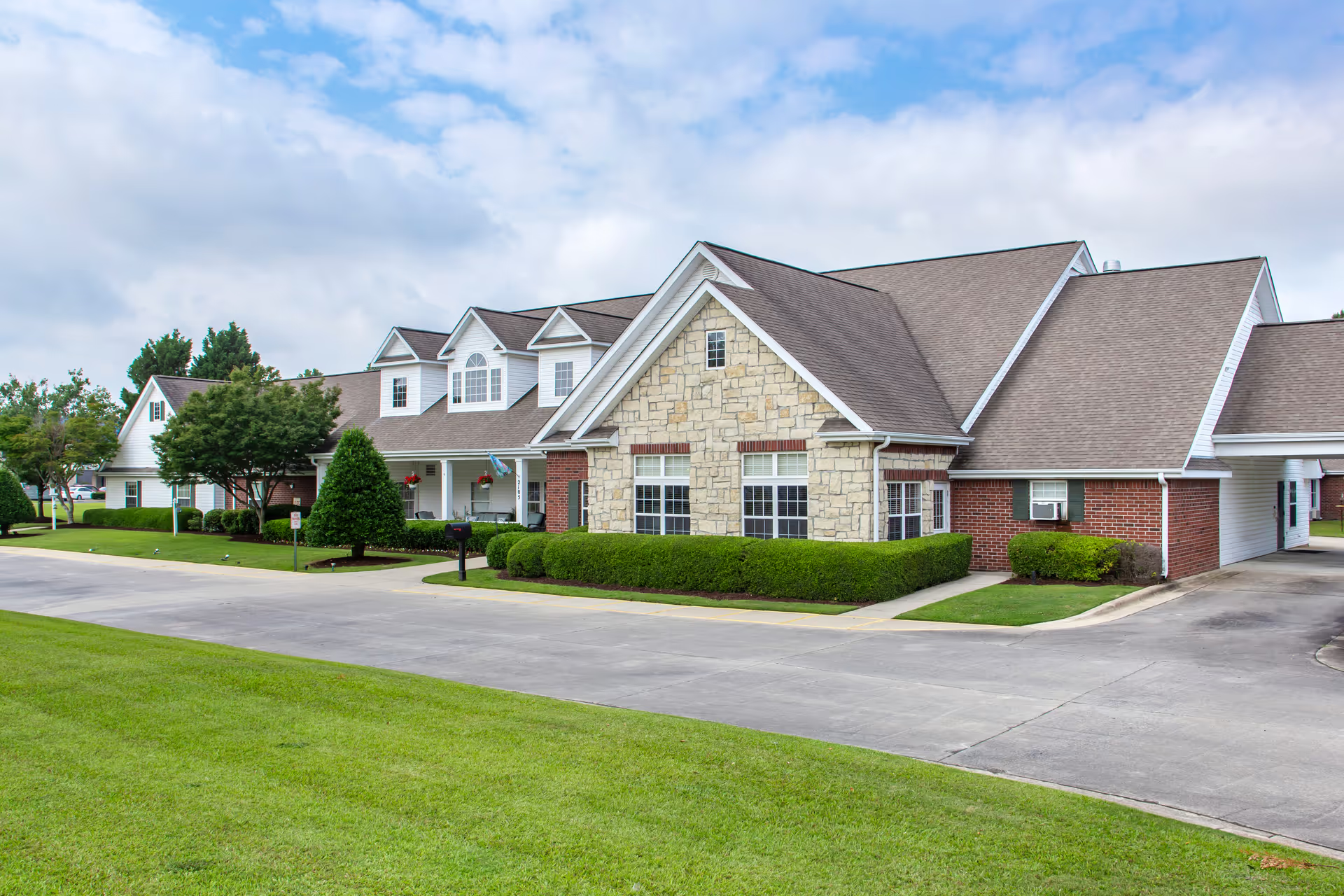
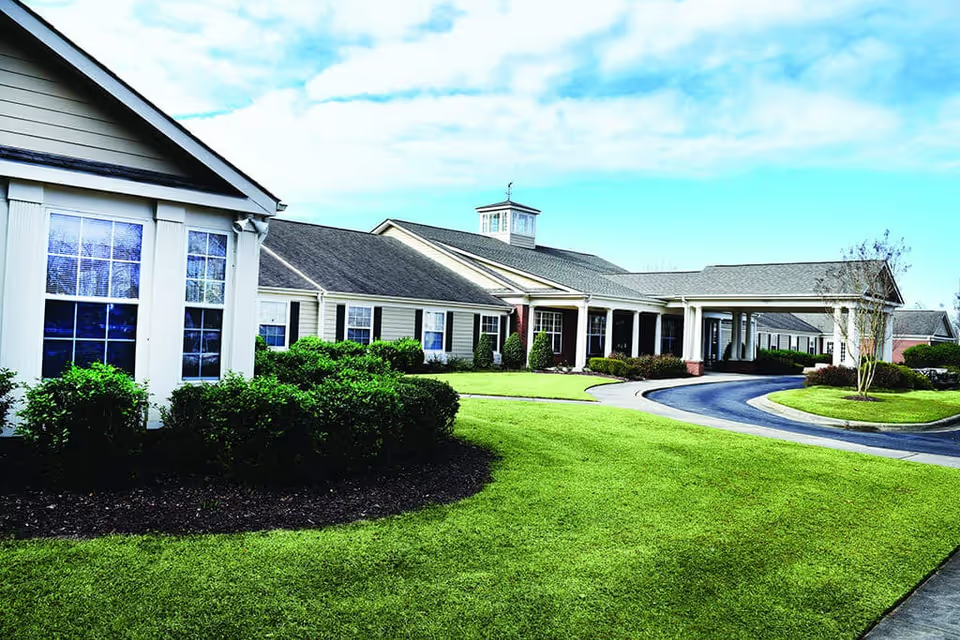
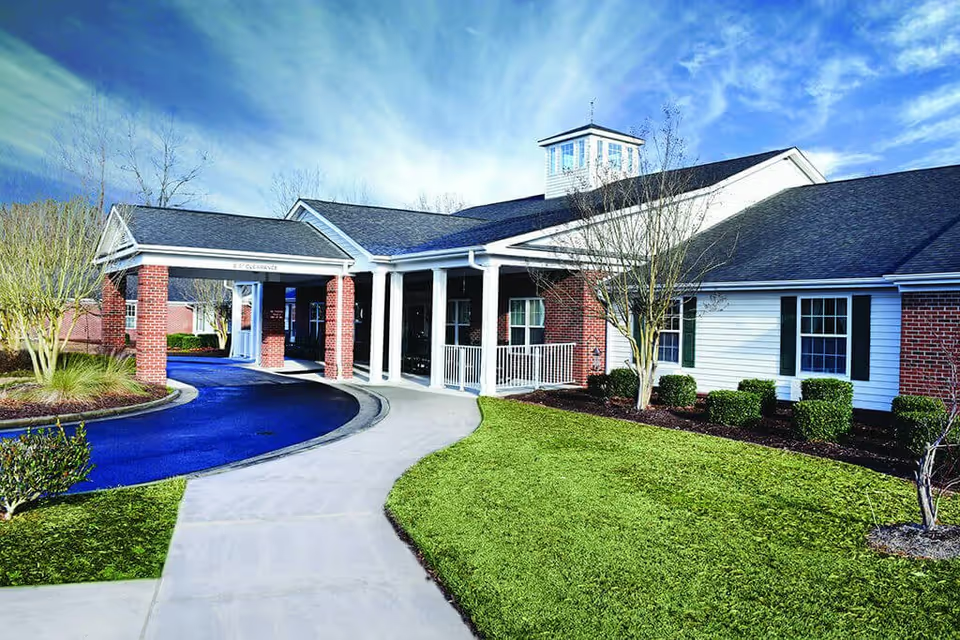
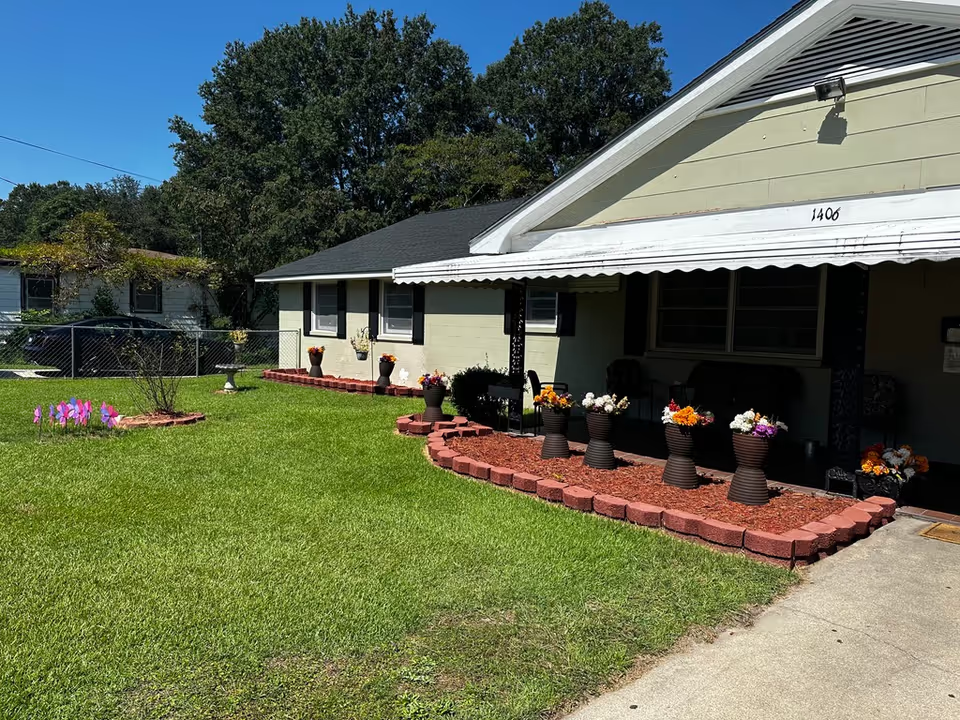
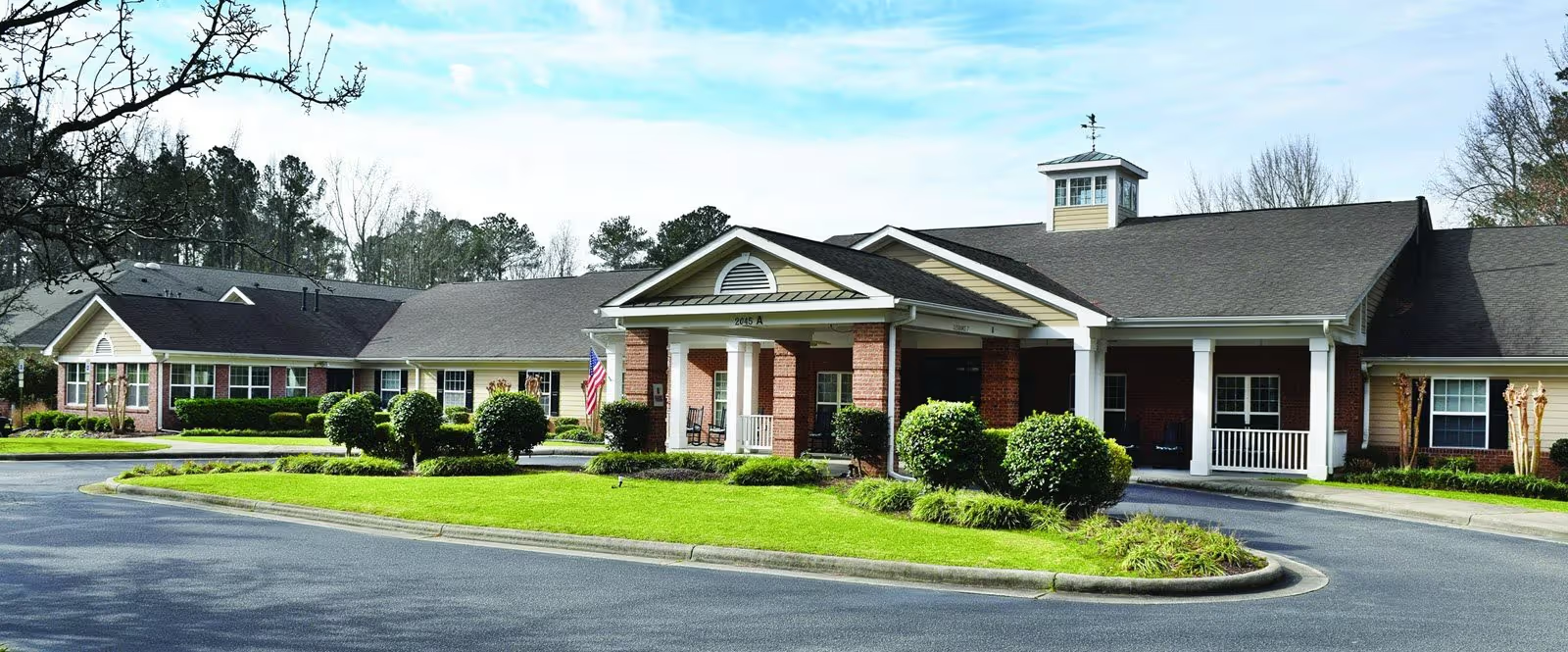
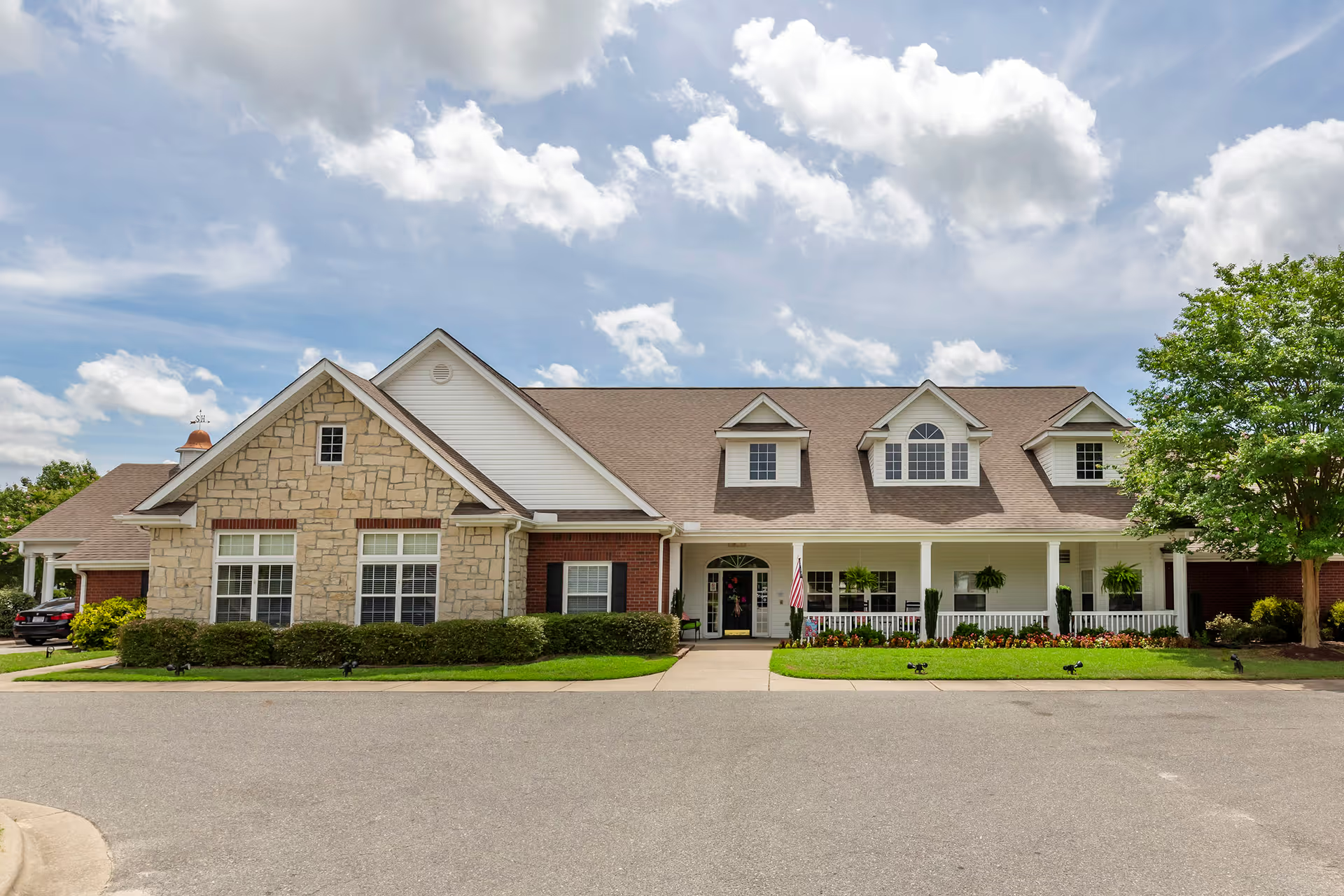
Reviews describe a facility with a pronounced split between strong frontline caregiving and recurring operational weaknesses. Many families and residents praise hands-on caregivers, CNAs, nurses and therapists for compassion, individualized attention, and rehabilitation outcomes. Skilled therapy teams (PT/OT/Speech) and activity staff are repeatedly cited as strengths: reviewers describe successful short-term rehab discharges, creative and engaging programming, and an activities director who fosters a strong sense of community. The front office and admissions staff are frequently characterized as welcoming, and the grounds and common areas are often noted as clean and pleasant.
At the same time, reviewers identify consistent operational concerns that affect quality and safety. Staffing levels are described as inconsistent, with particular strain at nights and on weekends; this correlates with reports of slow responses to call lights and delayed attention to clinical needs. Several reviews describe problems with medication processes, including delays in administering PRN or pain medication and gaps in monitoring anticoagulation and laboratory results. Incontinence-care delays and uneven hygiene practices are reported often enough to be a recurring theme, typically framed as delays in personal care rather than isolated occurrences.
Communication and management practices are another recurring pattern. Families describe uneven cross-department coordination among nursing, rehab, dietary and housekeeping, as well as inconsistent follow-through from administration on issues such as certifications, billing and supply procurement. There are references to pharmacy/insurance coverage complications and occasional supply shortfalls. Some reviewers also call out maintenance and infrastructure needs in older parts of the facility despite positive comments about the exterior and some renovated areas.
For prospective residents and families, the picture is mixed: the facility can provide compassionate daily care, strong therapy services and an active social environment, which makes it a reasonable option for short-term rehabilitation and for residents who benefit from robust activities programming. However, persistent operational issues—staffing variability, delayed clinical responsiveness, medication-management gaps, and communication breakdowns—warrant careful consideration. Recommended due diligence includes touring at different times of day (including evenings and weekends), asking about current staffing ratios and on-call procedures, reviewing medication and lab-monitoring protocols, and clarifying how the facility handles pharmacy coverage and supply needs. These steps can help families align expectations with the facility’s demonstrated strengths and mitigate the operational risks cited in reviews.