Overall impression: Reviews describe a facility with pronounced strengths alongside recurring operational weaknesses. Many families and visitors praise the staff for compassion, patience, and professionalism; others identify variability in staff conduct and competence. This produces a polarized picture in which some residents receive attentive, high-quality care while others experience delays, inconsistent clinical follow‑through, or lapses in basic supports.
Care quality and clinical oversight: Positive experiences include strong rehabilitation services (PT/OT), responsive hospice support, and staff who proactively monitor residents. However, multiple patterns point to inconsistent nursing and aide coverage, delayed responses to call bells, and concerns about hydration and medication handling. Reviewers describe gaps in wound and skin‑care monitoring and documentation, and occasional difficulty arranging timely physician evaluation. These patterns suggest the facility may provide robust care for residents with moderate needs but can struggle to reliably manage complex or high‑dependency clinical cases.
Staff and management: Staff are frequently described as kind, dedicated, and effective; at the same time, reviewers report variability in staff training, weekend reliance on temporary personnel, and a presence of less-professional individuals. Management receives mixed feedback: some note clear communication, facilitation of visits and COVID-19 leadership, while others cite inconsistent follow-through on administrative commitments and governance-level reluctance to address personnel problems. Families should verify on‑site supervision practices, handover procedures, and escalation pathways.
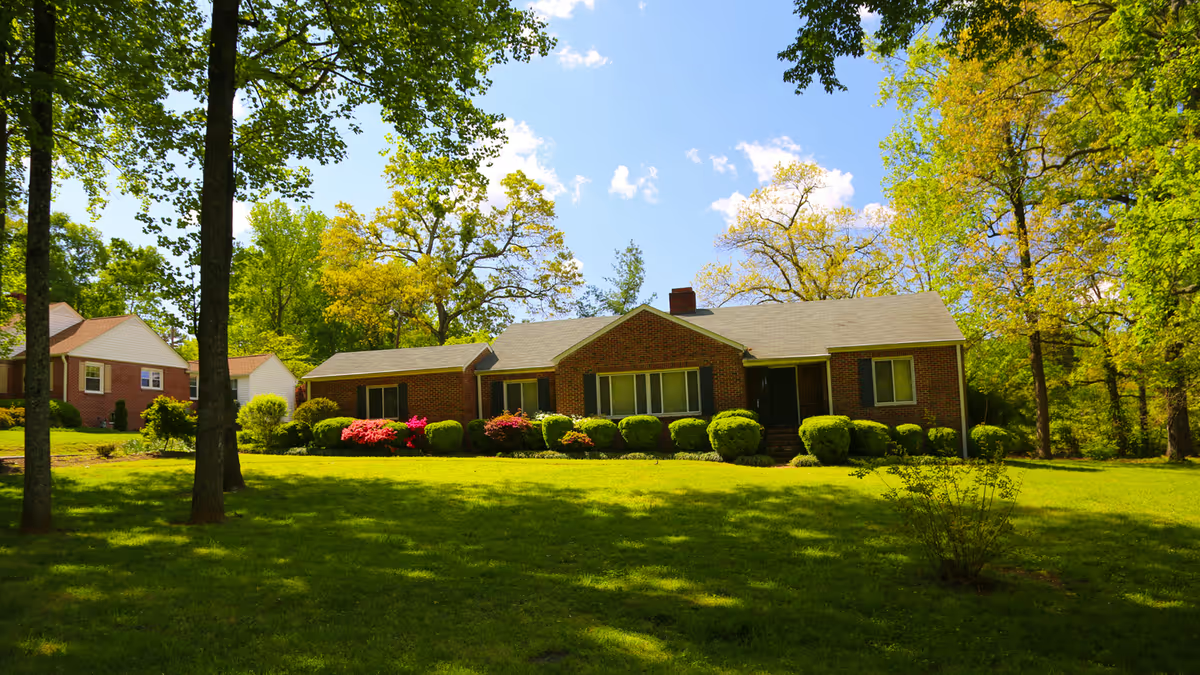
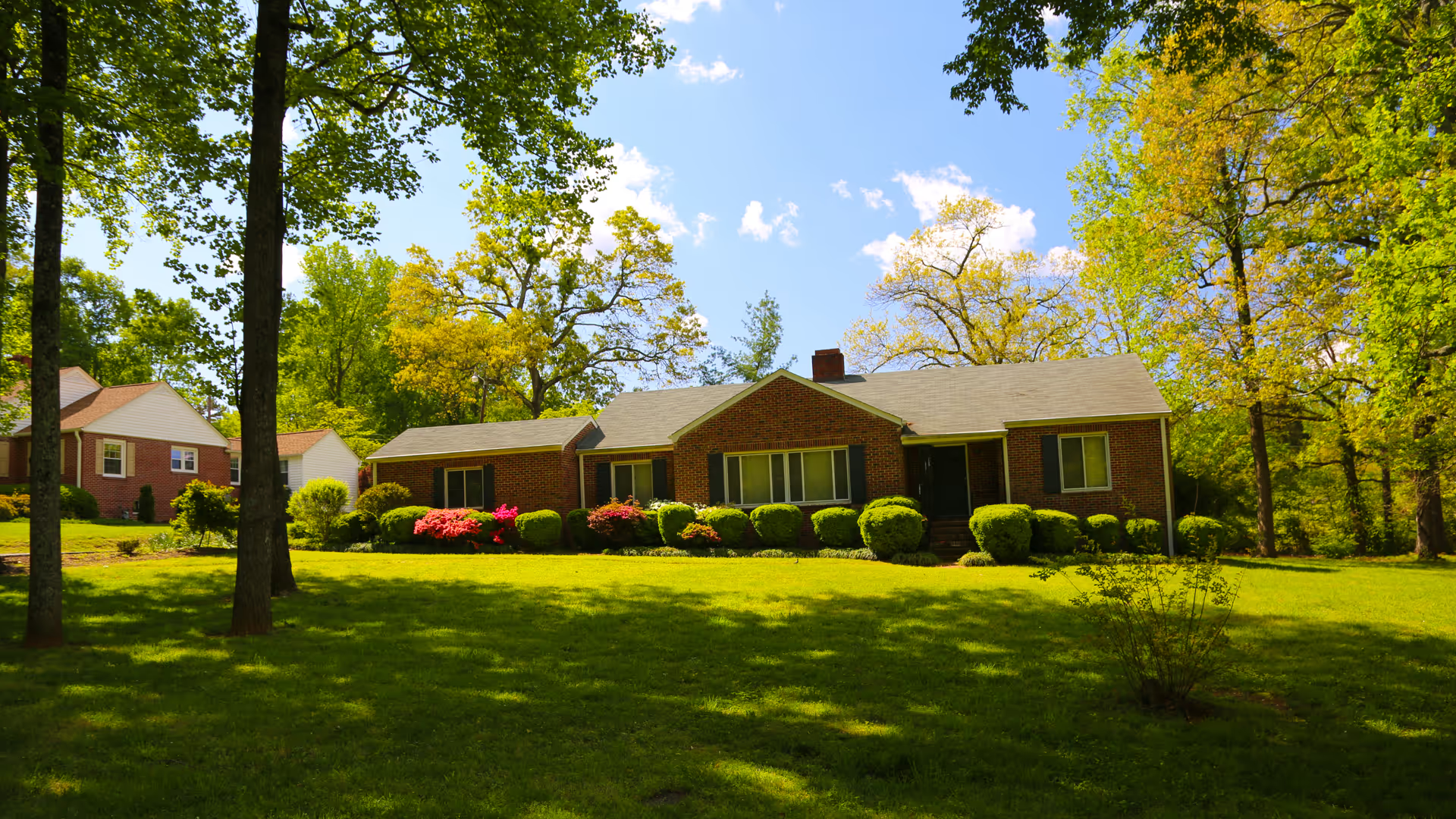
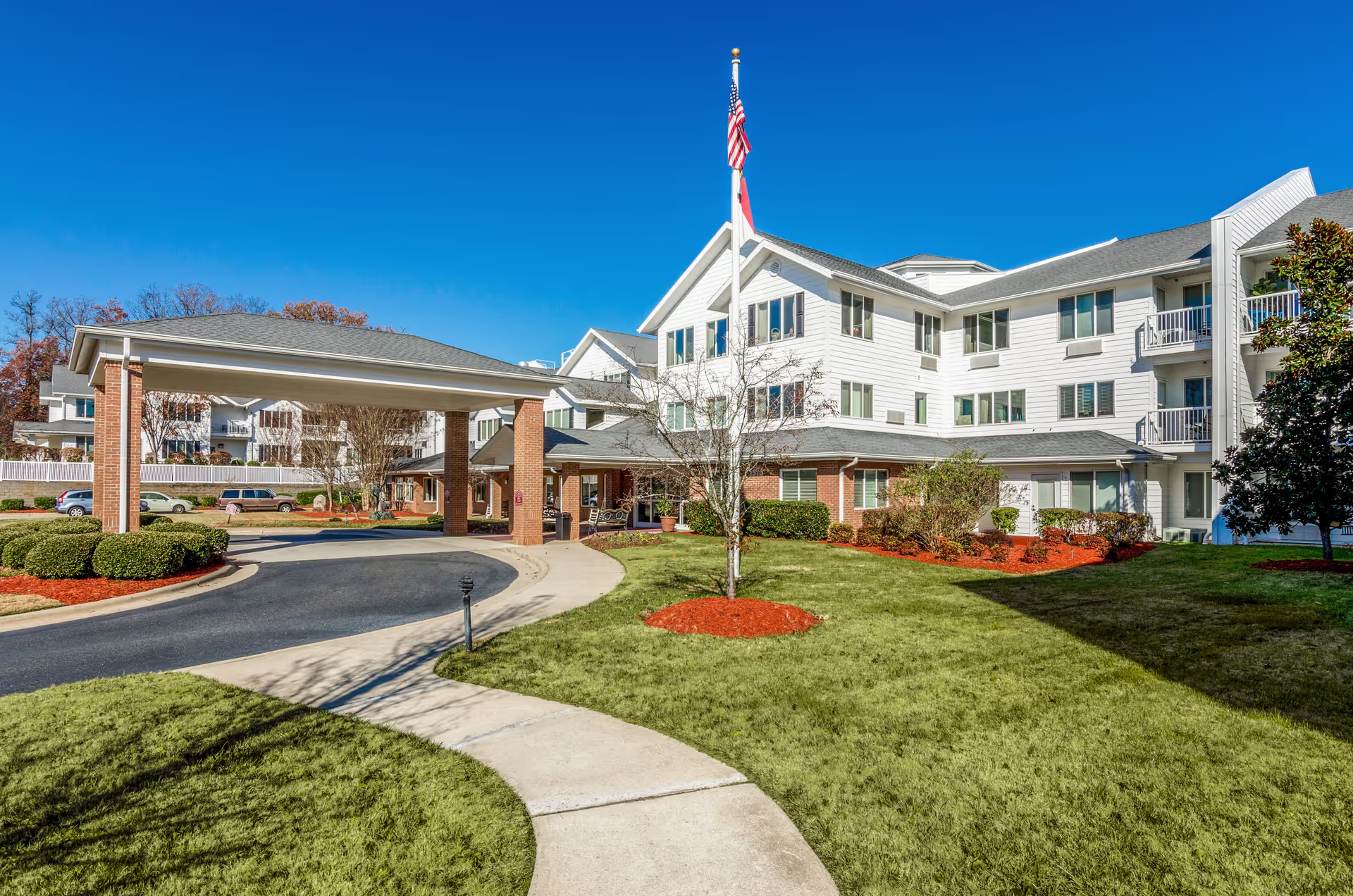
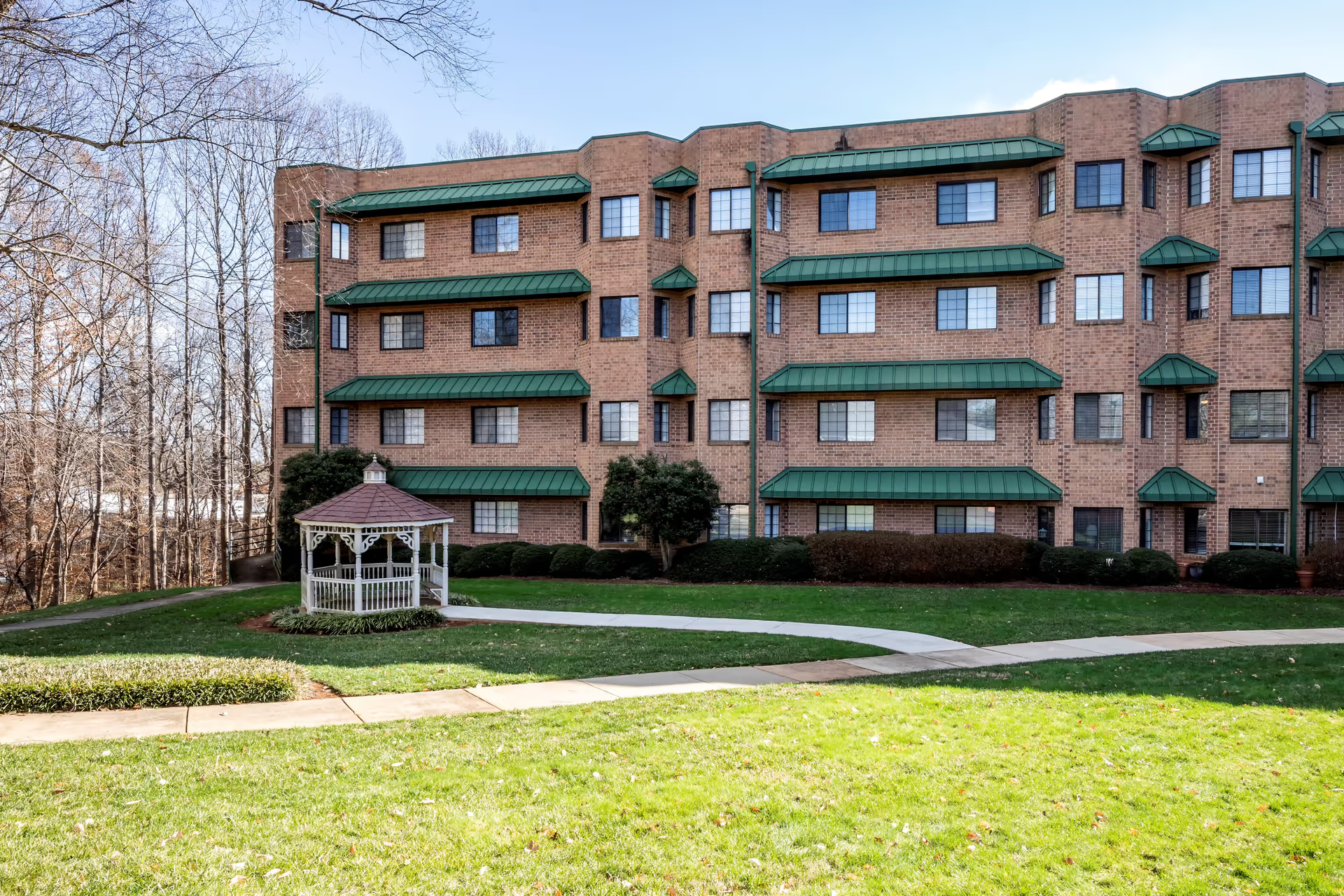
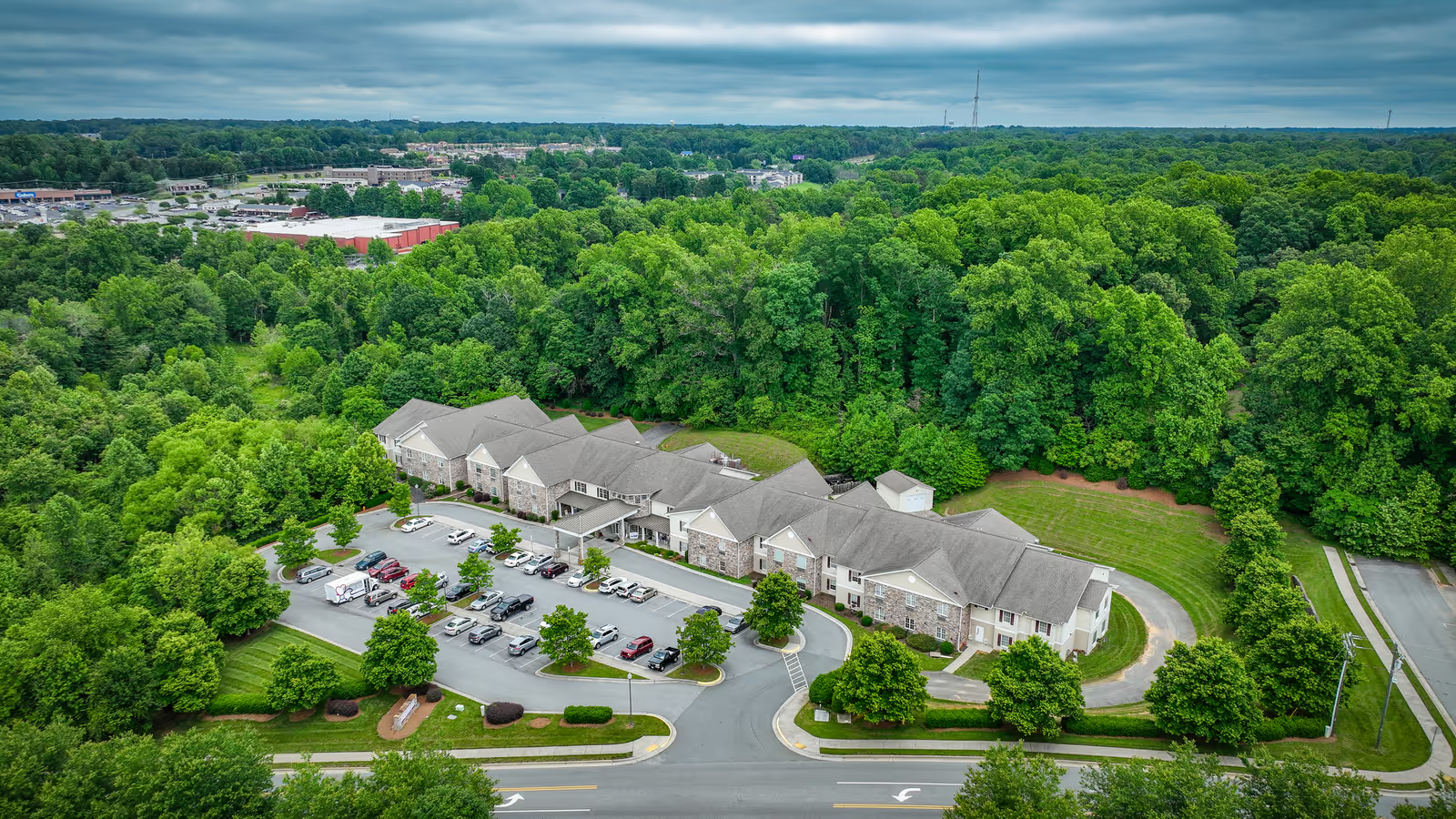
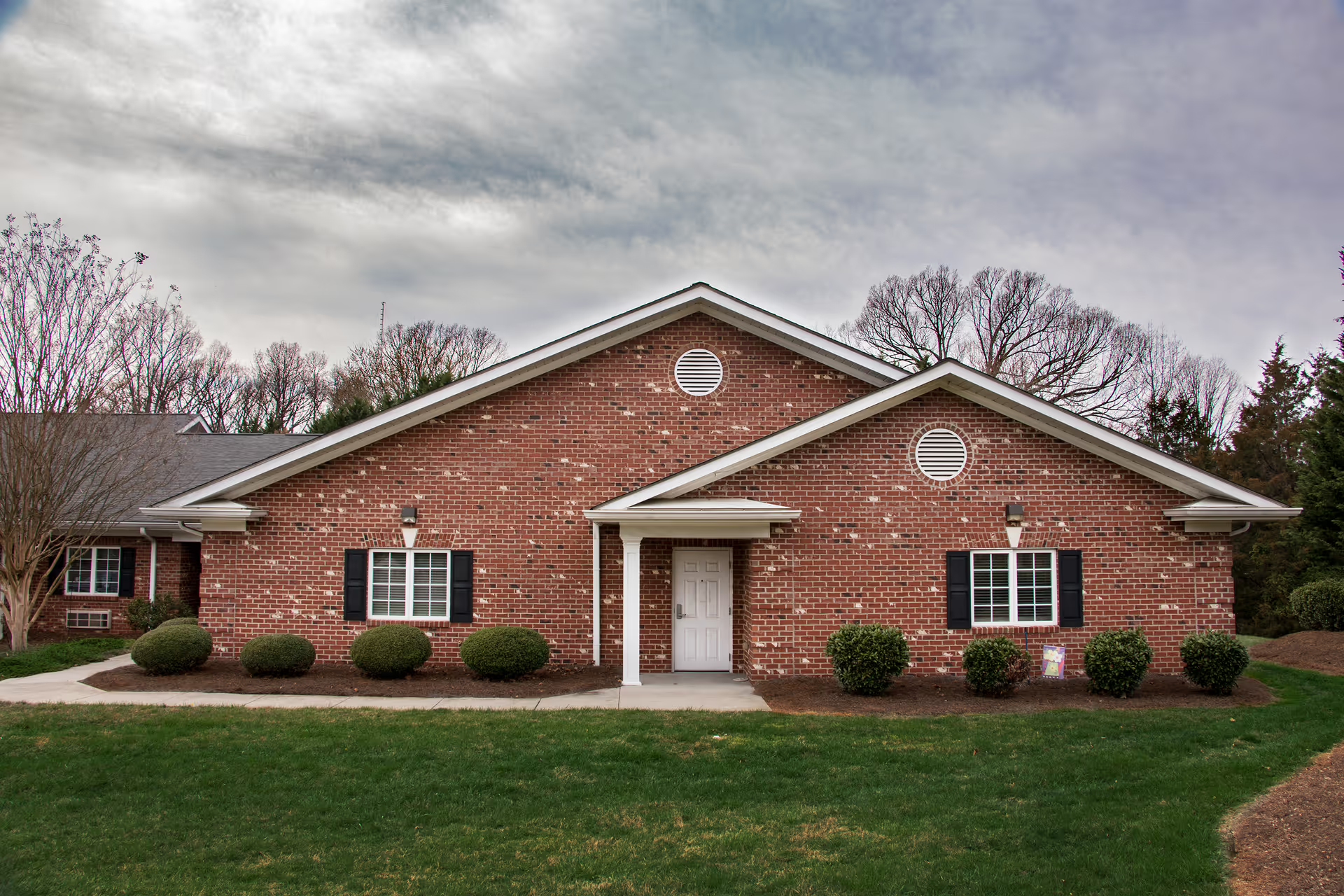
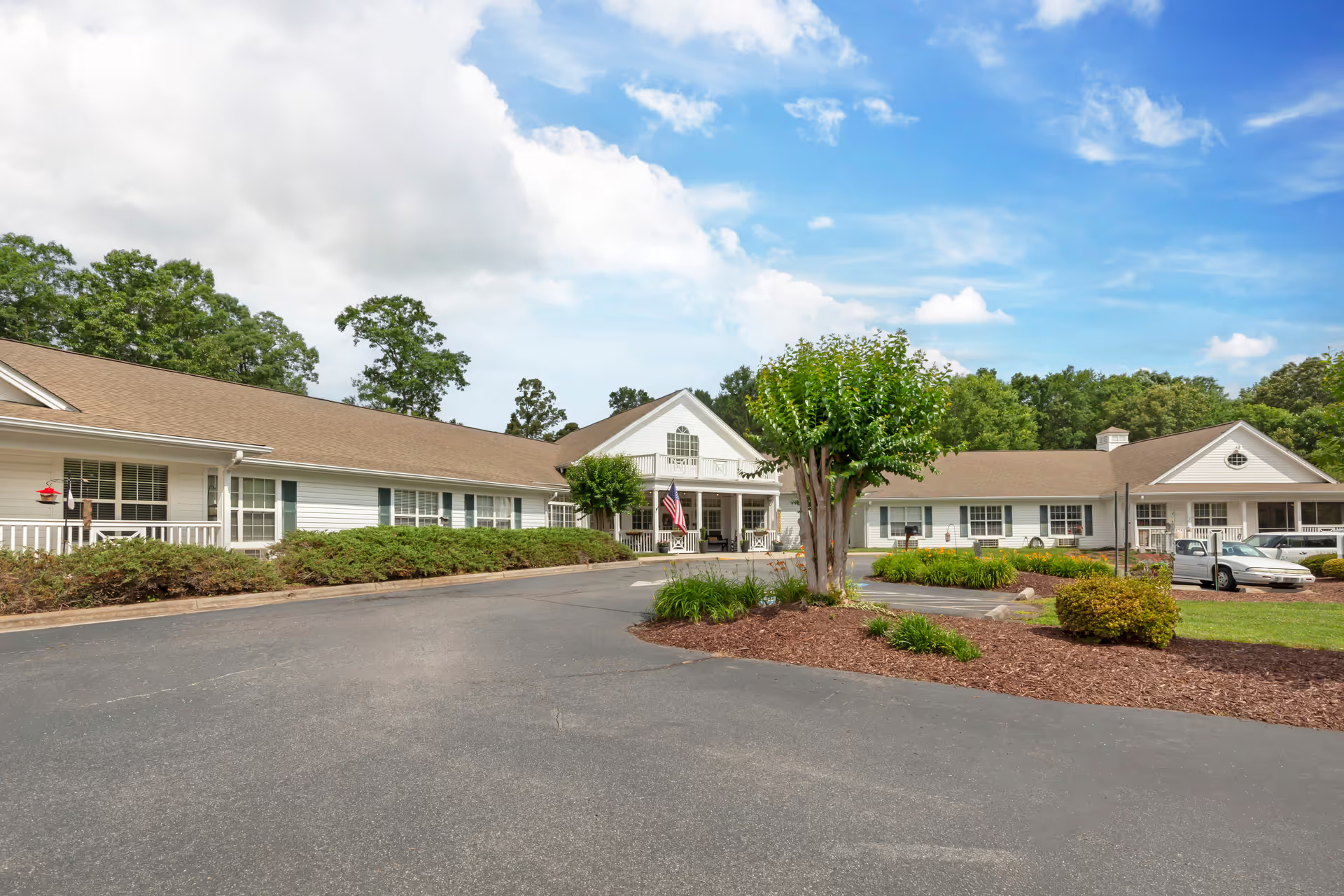
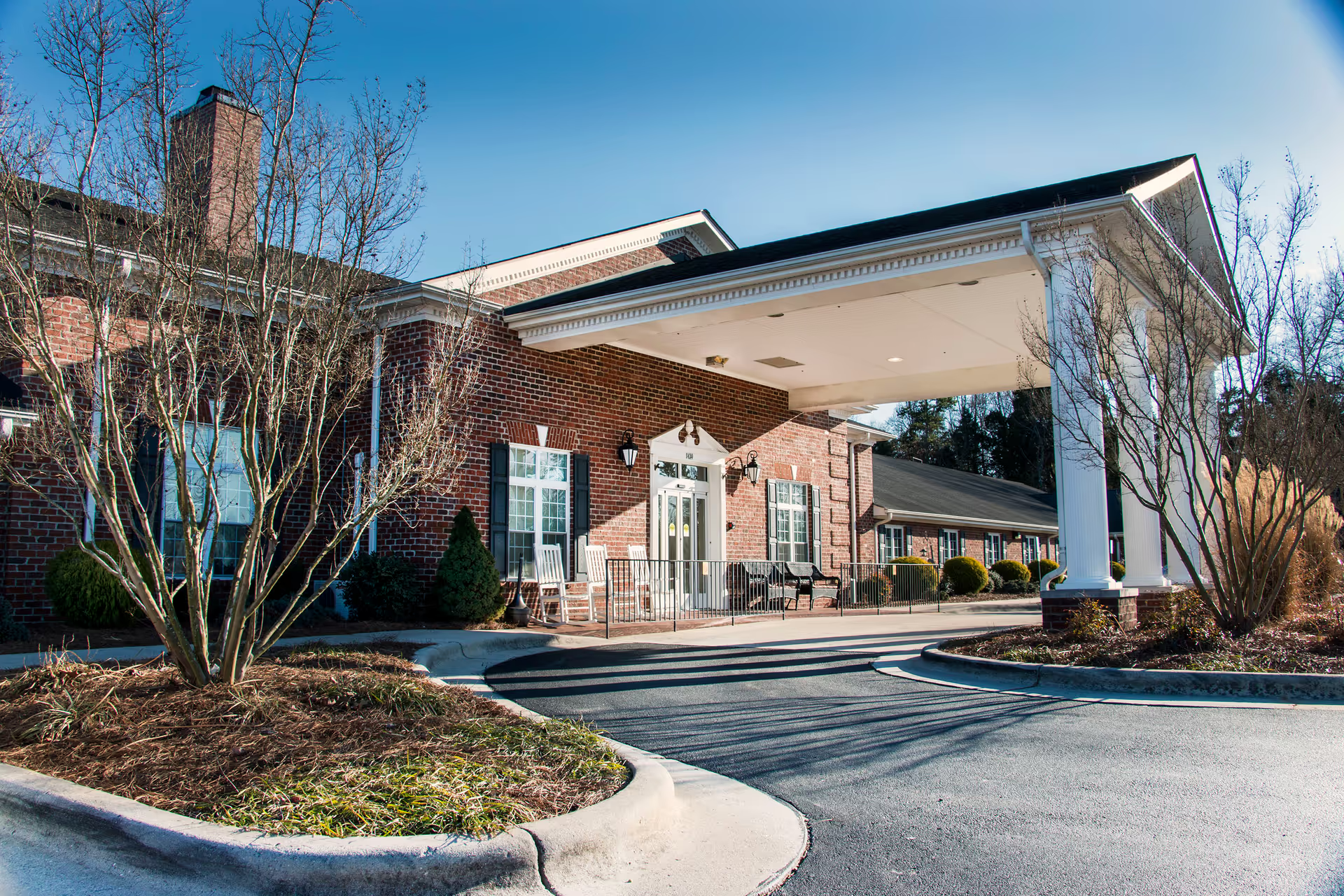
Dining, activities, and facilities: The building and common areas are commonly described as clean, bright, and elegantly furnished, with large rooms and attractive amenities such as a ballroom and salon. Activity programming (bingo, social events, hair salon) is available and appreciated, though some residents experience limited or repetitive offerings. Dining impressions vary: many praise food quality and variety, but others report issues with meal temperature, portioning, and fidelity to menus. Meal‑service consistency appears to be an operational area needing attention.
Safety, sanitation, and supplies: While housekeeping and facility maintenance are often commended, reviews also note isolated sanitation and odor concerns in certain areas and inconsistencies in hygiene supplies and access to drinking water. Concerns about supervision during personal care and the adequacy of incontinence-care routines indicate operational gaps in resident safety and dignity that prospective families should review in person.
Costs and suitability: The facility is positioned as higher-end in ambiance and price. Given the variability in clinical consistency, it appears better suited for residents who are relatively self-sufficient or have moderate care needs and who will benefit from the environment and therapies. Families of residents with significant mobility, paraplegia, or full‑dependency requirements should confirm staff training, transfer protocols, and individualized care plans before committing.
Recommendation guidance: Prospective residents and families should weigh the facility’s strong environmental amenities, therapy services, and many examples of compassionate staff against documented operational weaknesses: inconsistent staffing, variable clinical oversight, meal-service continuity problems, and administrative follow-through issues. Visiting at different times (including weekends), asking for current staffing ratios, reviewing wound‑care and medication policies, and clarifying billing/insurance coordination will help determine whether the facility’s strengths align with an individual’s care needs.