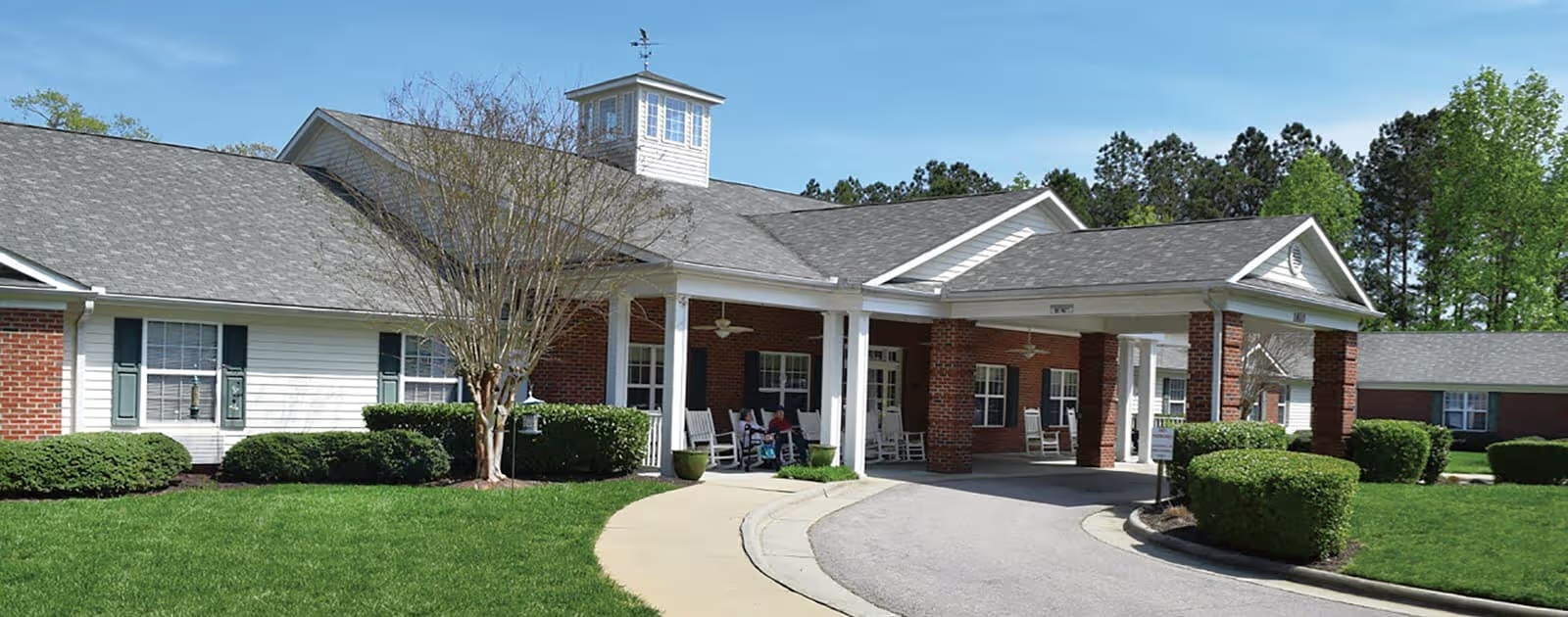
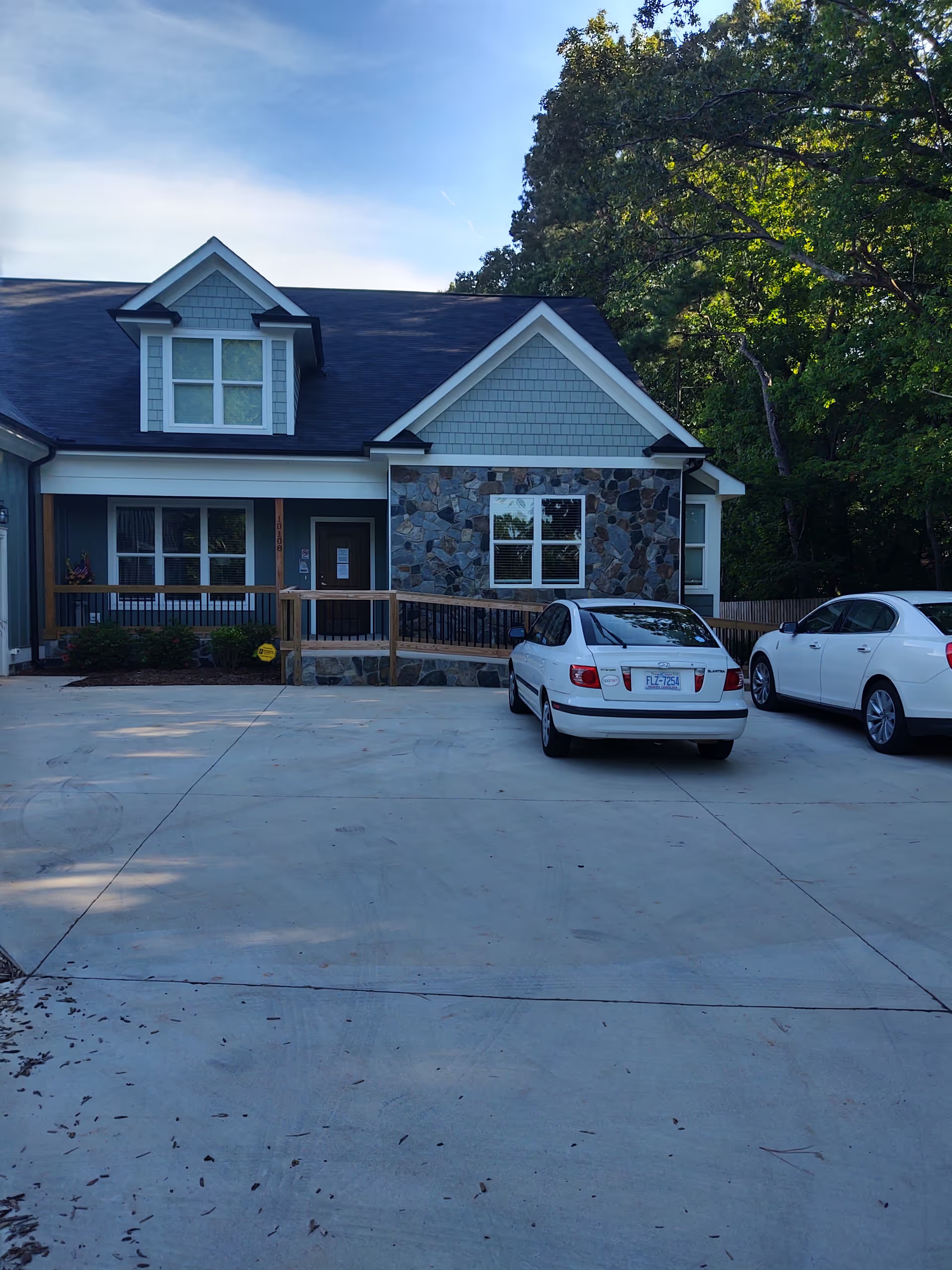
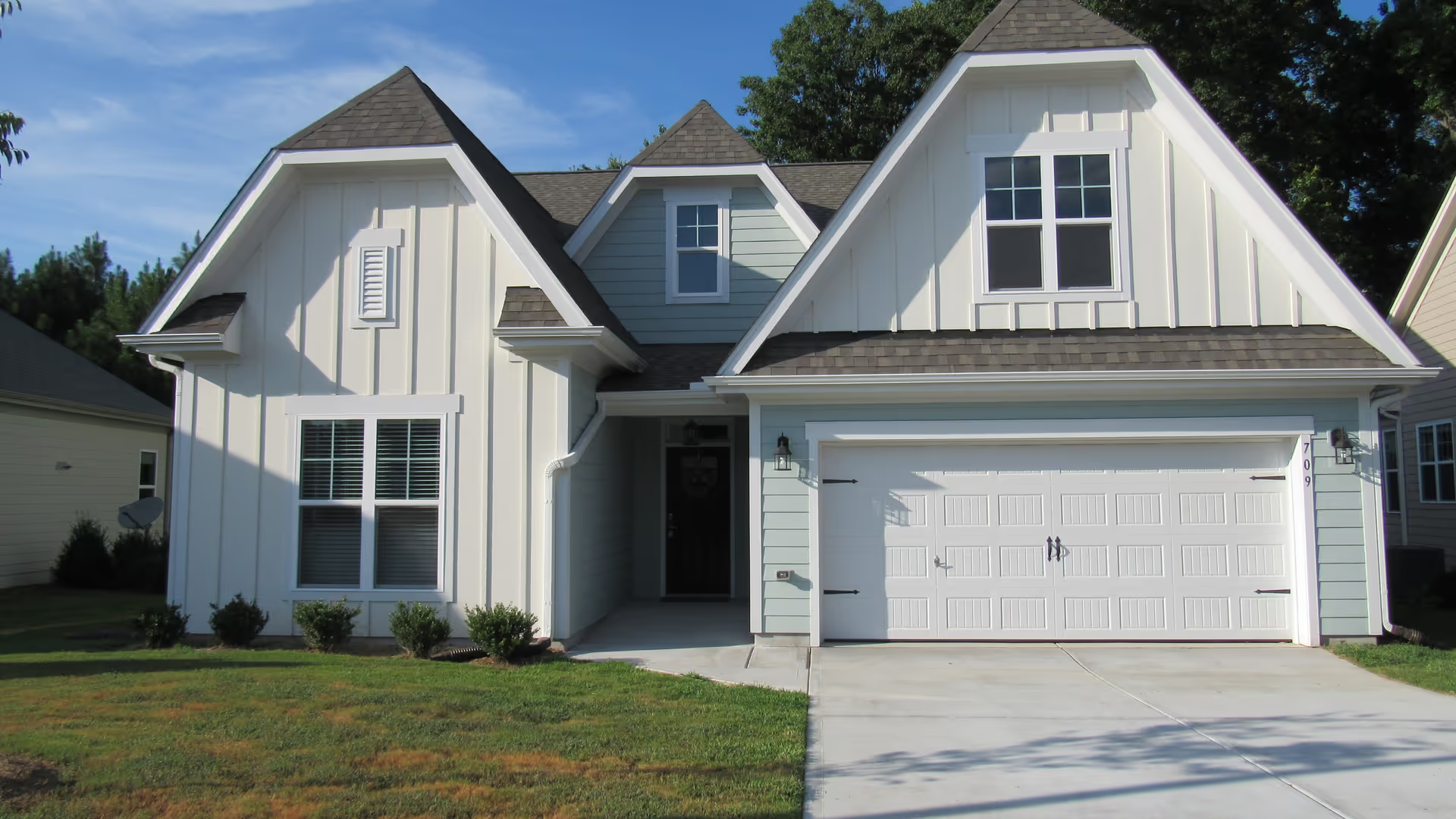
Overall impression: The reviews portray Southern Magnolia Living as a small, owner-operated residential care setting that emphasizes personalized, family-style care. The dominant themes are consistent: attentive, compassionate staff; a high staff-to-resident ratio; and an environment presented as clean, comfortable, and homelike. Many families describe warm interpersonal relationships between caregivers and residents and highlight features that support a residential rather than institutional feel.
Care and staff: Care quality is reported as a core strength. Reviewers frequently reference compassionate aides, attentive management, and on-site clinical leadership (including an RN owner or nurse on staff). Staffing levels are characterized as high relative to resident numbers, with at least one explicit 3:1 staff-to-resident ratio cited; this is linked to individualized care plans, close monitoring, and smoother transitions for new residents. Multiple reviews also note supportive hospice collaboration and respectful, family-guided end-of-life care.
Dining and activities: Dining is consistently described in positive terms — home-cooked, family-style meals with variety and pleasing presentation. Social programming appears robust for the setting: reviewers mention meaningful activities, regular events, a sunny common area (sunroom), and opportunities for socialization, including volunteer involvement. The facility is reported to accommodate family gatherings and visitation preferences.
Facilities and management: The physical environment is described as clean, well-kept, and attractively furnished, with private rooms and comfortable common spaces. Owners are frequently noted as present and involved in day-to-day operations, which reviewers tie to responsiveness and oversight. Several families singled out specific staff by name for good communication and hands-on management.
Notable patterns and caveats: While the large majority of comments are positive, a small number of reviewers raised operational concerns. The most concrete issue described was inconsistent responsiveness during pre-admission inquiries and by phone; one reviewer characterized the phone interaction as unhelpful and abrupt. Additionally, the small-house model that supports personalized care could limit immediate on-site access to certain specialized clinical services; families should confirm specific clinical capabilities and emergency protocols if complex medical needs are anticipated. Finally, there are occasional notes questioning how public ratings reflect isolated negative experiences, suggesting prospective families verify details directly.
Recommendation: For families seeking a small, homelike setting with high-touch personal care, strong staff engagement, home-style dining, and active social programming, Southern Magnolia Living aligns with those priorities. Prospective residents and families should tour the house, meet clinical staff (ask about RN coverage and hospice procedures), and test admission communications (phone/email) to confirm responsiveness and to clarify availability of any specialized services required.