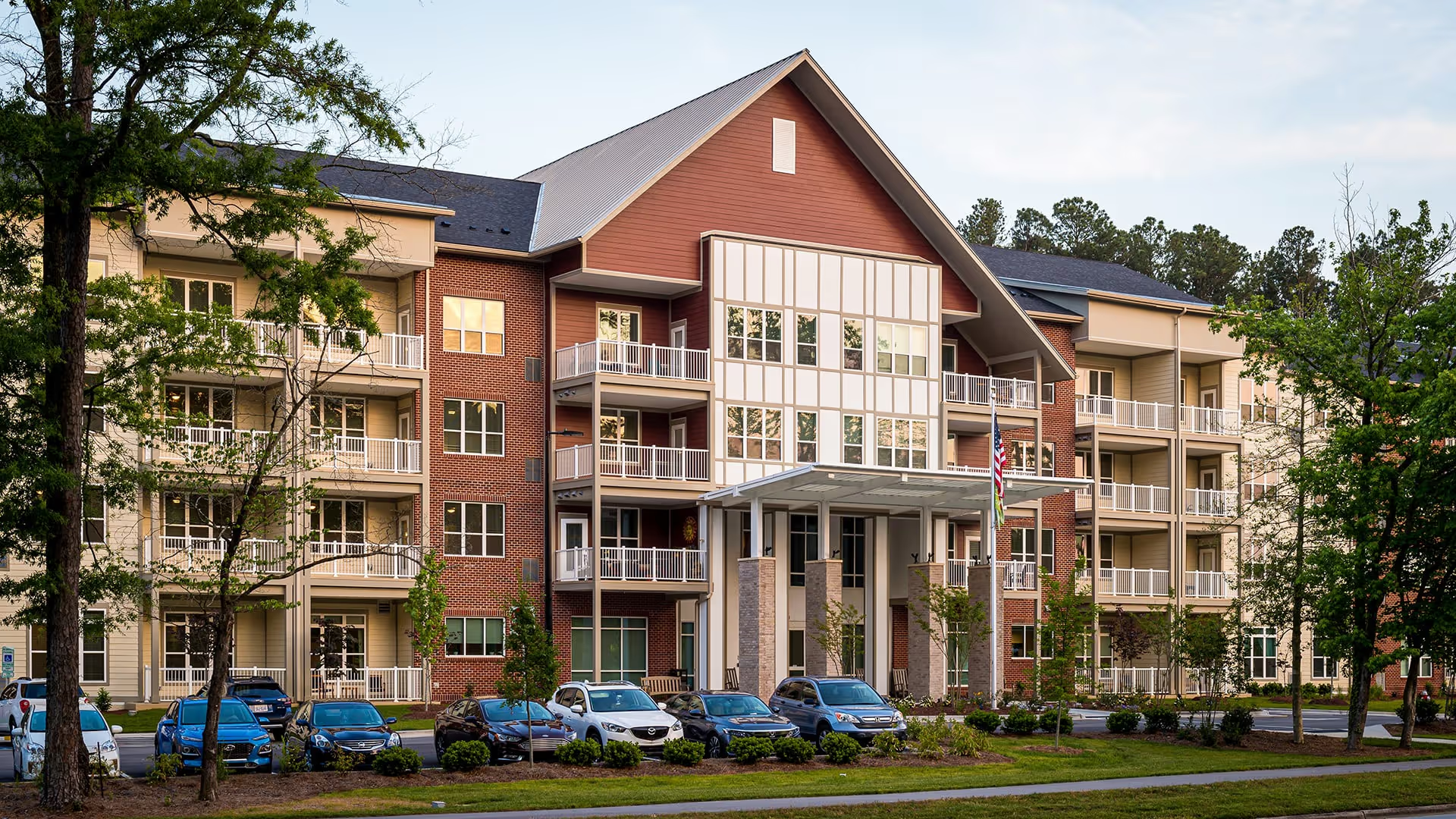
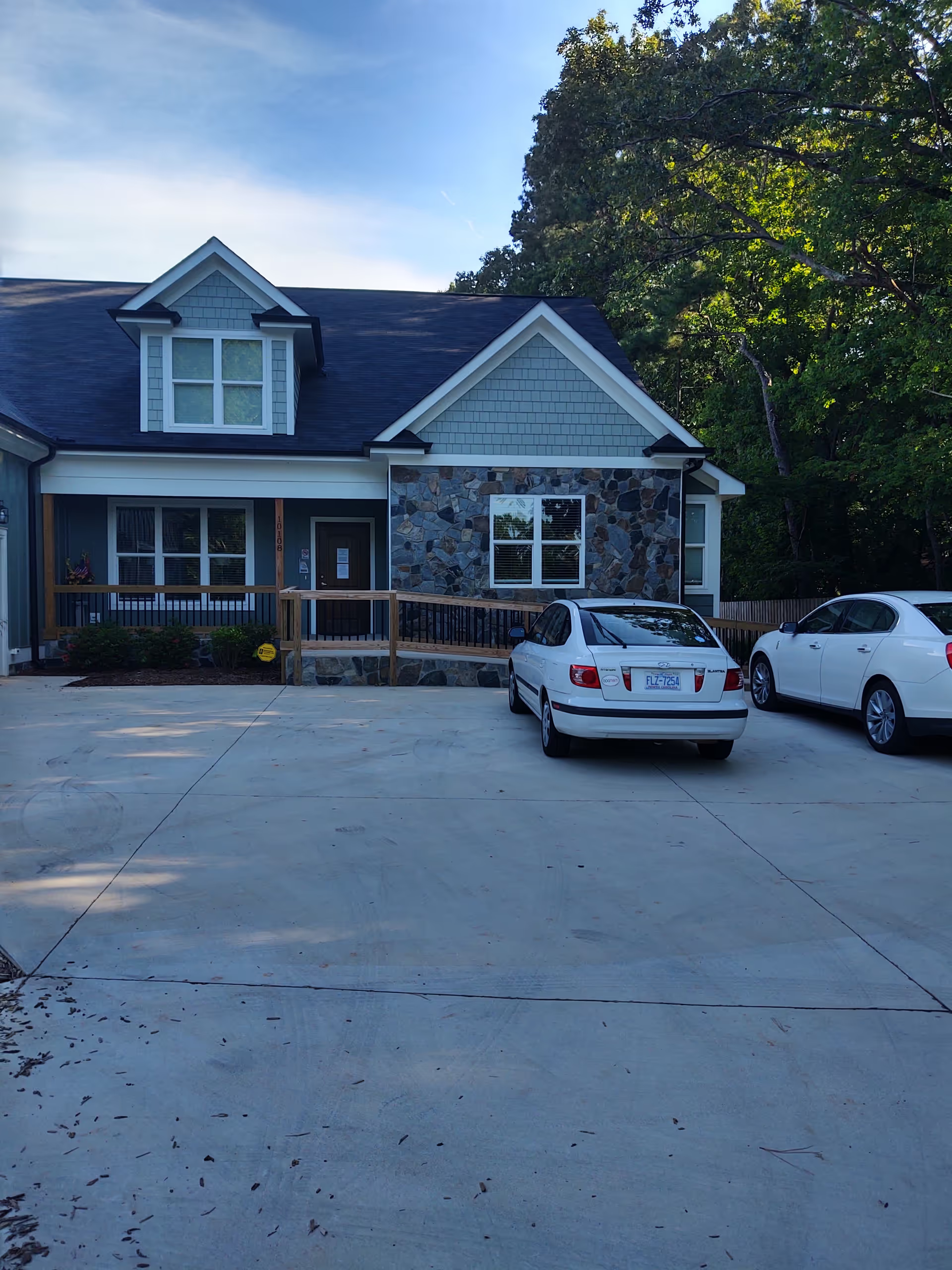
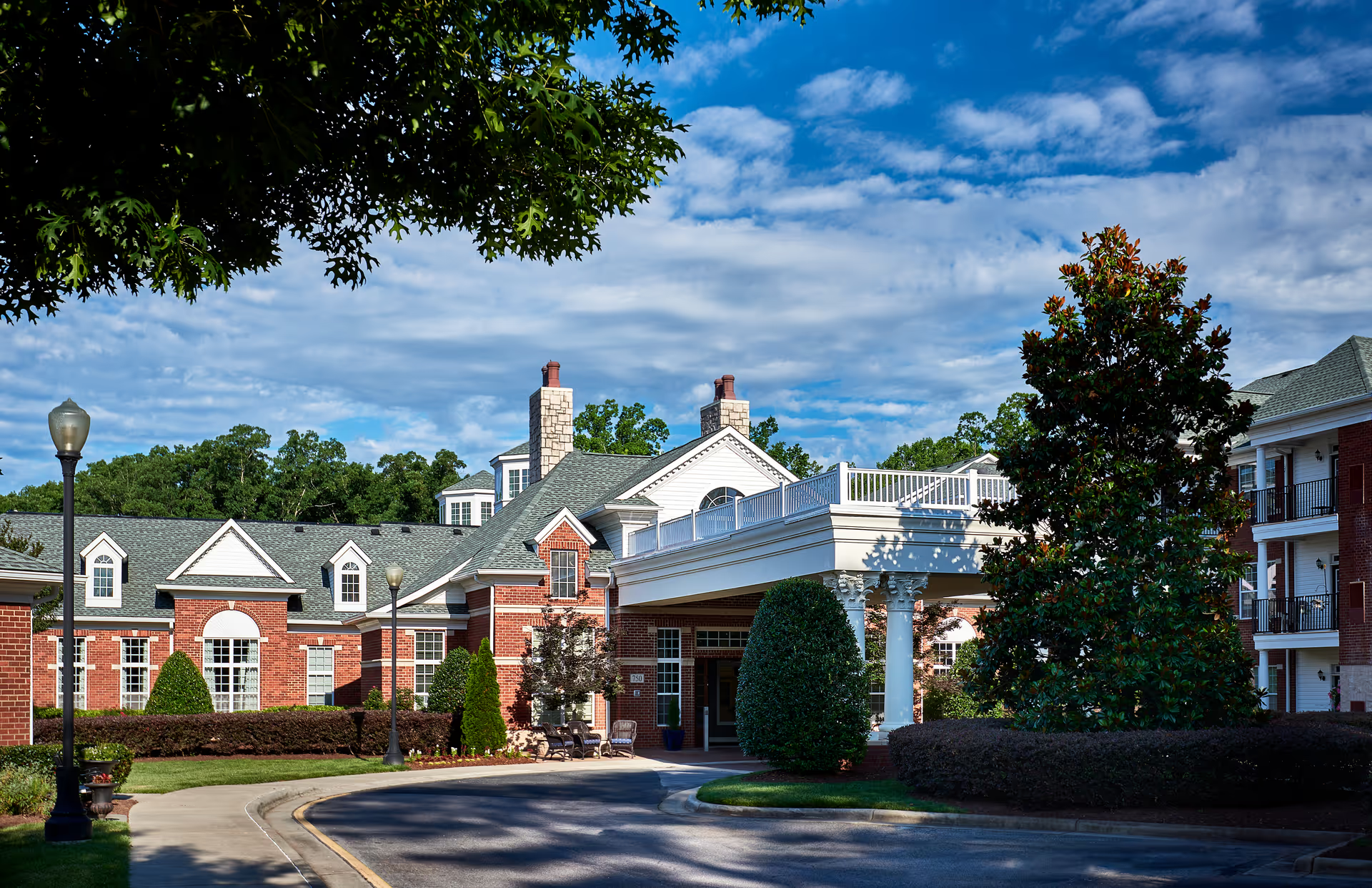
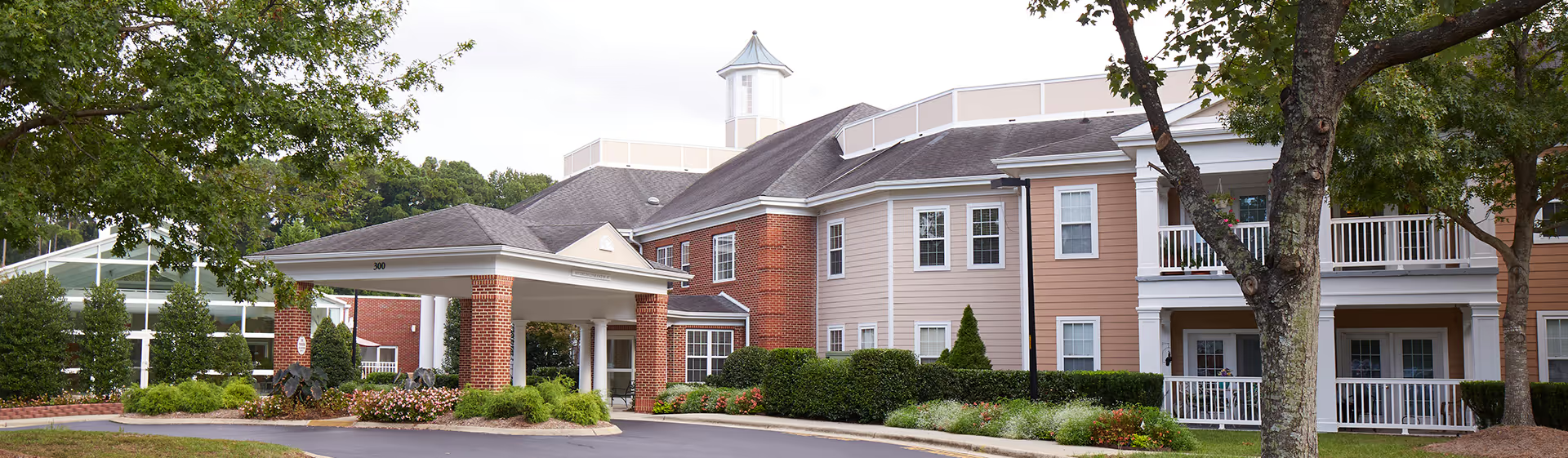
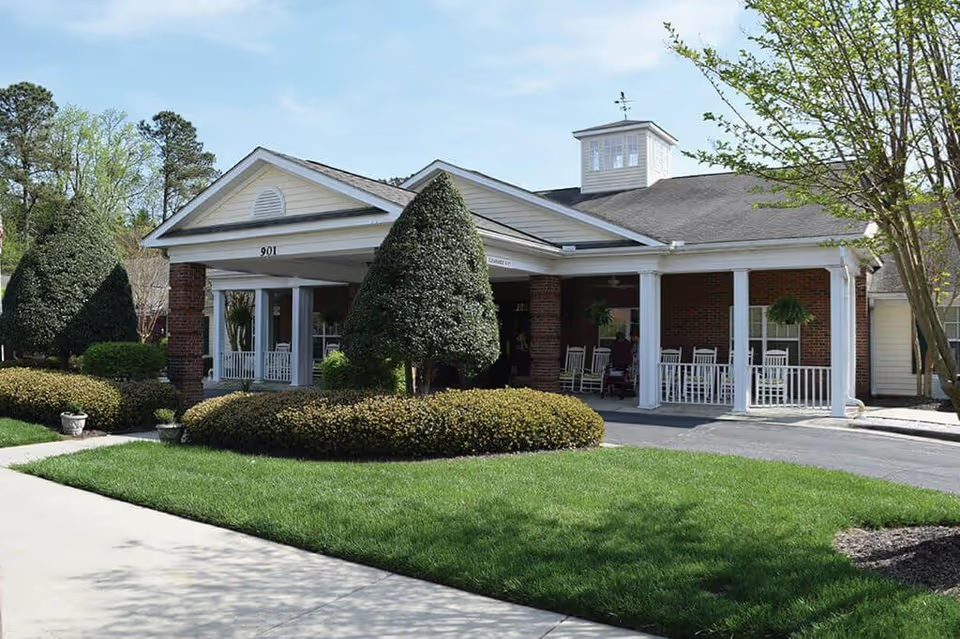
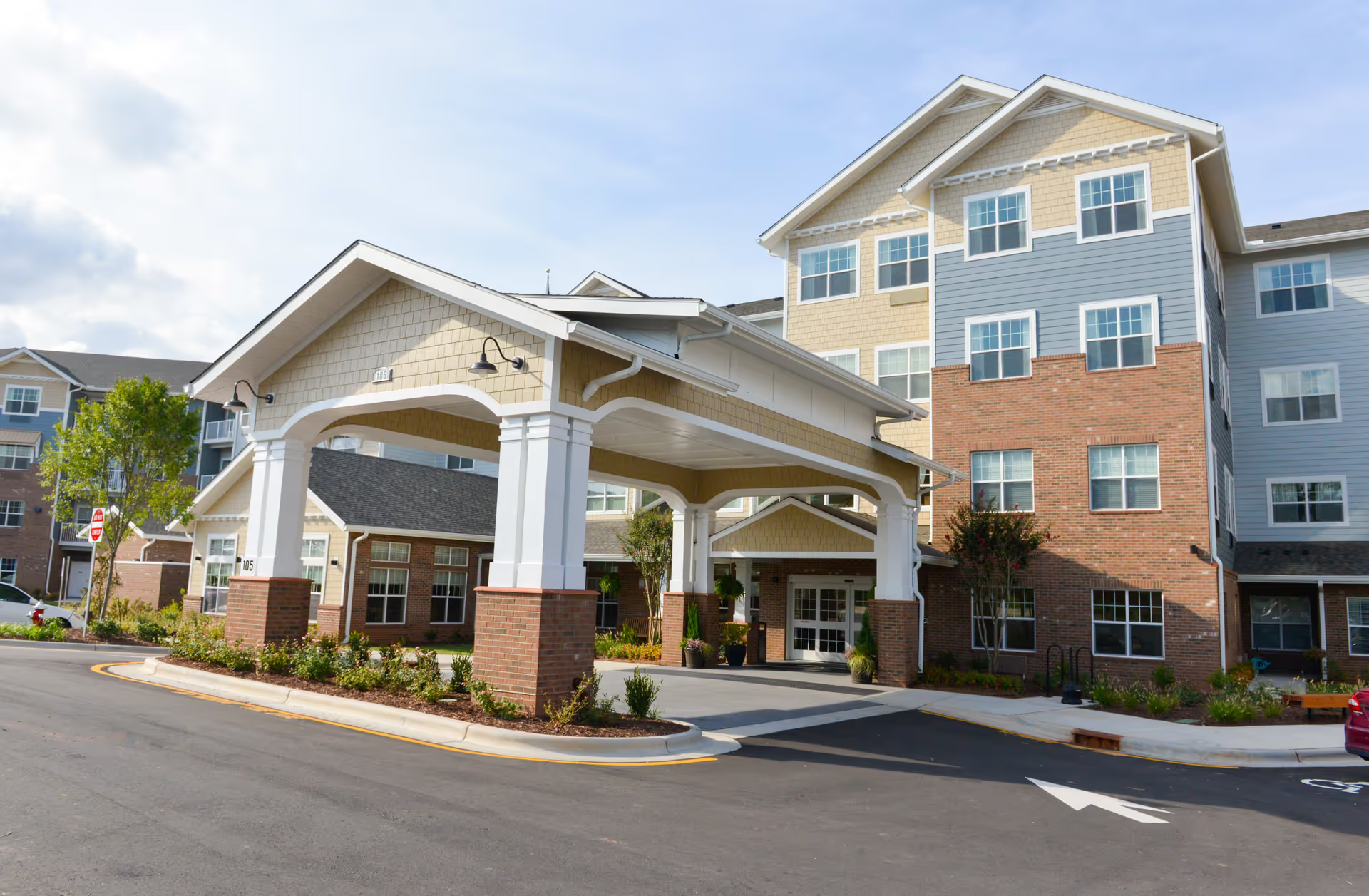
Jordan Oaks presents as a community with a strong emphasis on social engagement, rehabilitation services, and an attentive caregiving culture. Reviewers consistently cite warm, compassionate staff and an active resident life — frequent activities, organized outings, and multiple social spaces contribute to a palpable sense of community. The campus and grounds are regularly described as attractive and well-maintained, and the property offers a broad slate of on-site amenities (salon, library, gym, activity rooms) that support day-to-day living and socialization.
Clinical and supportive services are a clear strength. On-site physical and occupational therapy is widely available and well regarded, and families value the accessibility of house-call physicians and third-party home-health options. These resources support recovery and independence for residents who require short-term or intermittent therapy. At the same time, the community is primarily positioned for independent living; reviewers note that policies and operational capacity for higher-acuity care (including limits on staff assistance during falls) should be clarified by prospective residents and families.
Staff performance is a common positive theme: many reviews praise individual caregivers, dining servers, and activities staff for individualized attention and responsiveness. However, there is variability tied to managerial stability. Several comments indicate that management turnover and intermittent communication breakdowns have created administrative friction — examples include inconsistent onboarding, missed commitments, and evolving day-to-day processes. Prospective families should verify current leadership, escalation pathways, and communication practices during touring.
Dining receives polarized feedback. The community has an invested Executive Chef and multiple reviewers praise creativity, presentation, and special accommodations by kitchen staff. Conversely, recurring operational concerns include inconsistent meal temperature and portioning, occasional limited menu variety (notably for vegetarian and dairy-free diets), and periodic service delays tied to dining staffing levels. There are also fee-for-service elements (for in-room delivery and some supplemental services) that residents should confirm when comparing total costs.
Housekeeping, maintenance, and building condition are mixed. Common areas and exterior landscaping are frequently noted as well kept, but several units and corridors are described as dated — carpeting, paint, and some bathroom finishes were cited as needing refreshes. Housekeeping schedules tend to be weekly, with occasional lapses in tasks such as vacuuming or linen condition; maintenance response times are sometimes slow, and isolated issues such as lukewarm shower water or delayed repairs were mentioned.
Overall, Jordan Oaks appears to offer good value for prospective independent-living residents who prioritize social programming, on-site therapy, and a community-oriented environment. The trade-offs include variable dining operations, facility-age-related wear in some units, and organizational instability when leadership changes occur. Recommended due diligence for prospective residents: tour multiple apartment types to assess interior condition and elevator access, review written policies on dietary accommodations and fall assistance, confirm the current management structure and points of contact, and get a clear estimate of any fee-for-service items (in-room dining, private home-care, second-person fees). These checks will help align expectations with the community's strengths and operational realities.