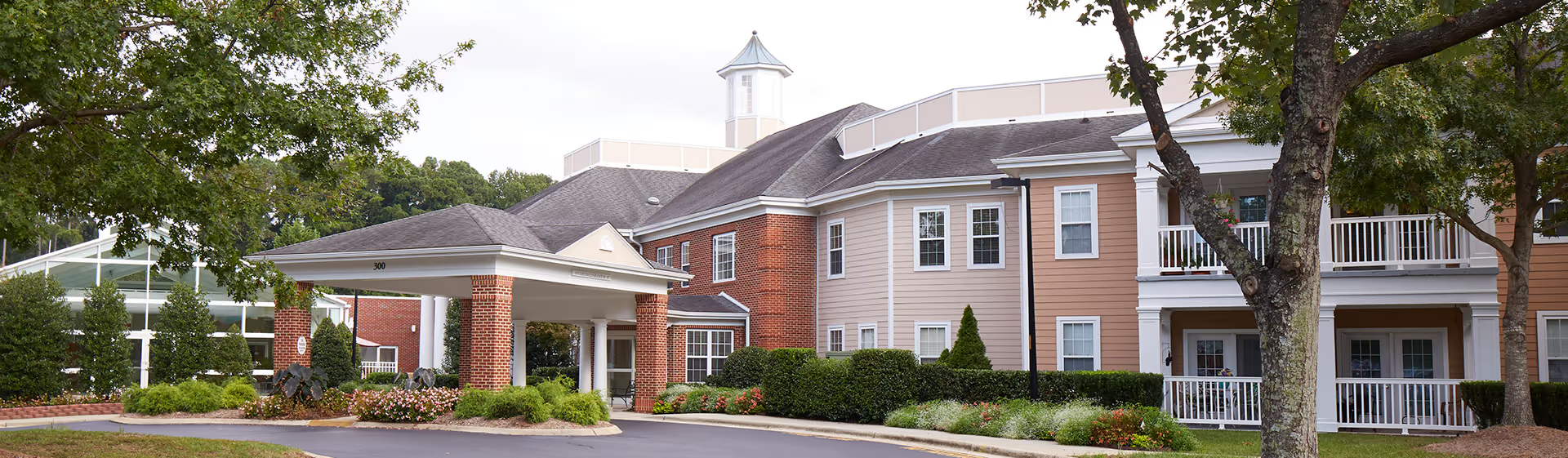
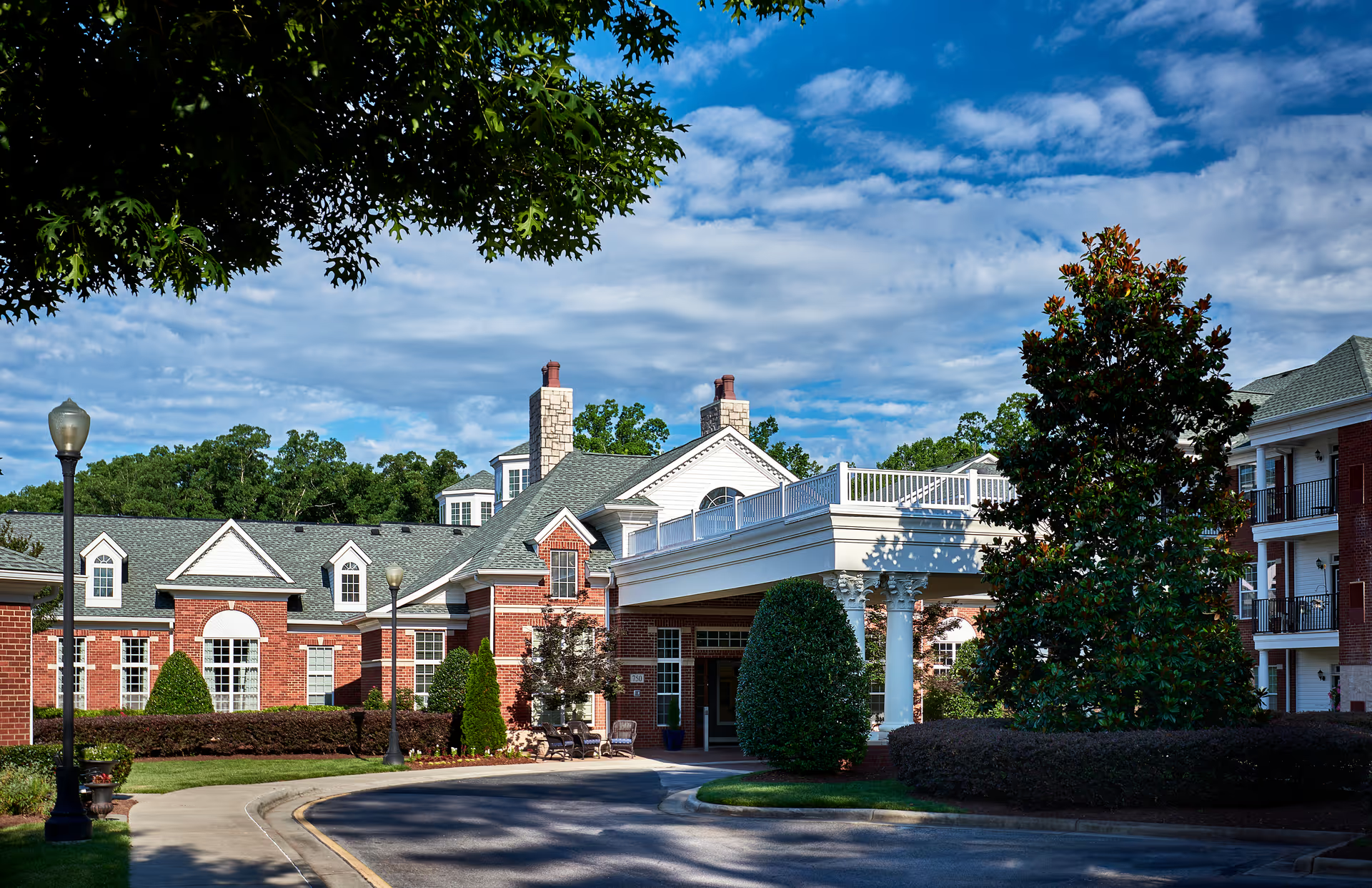
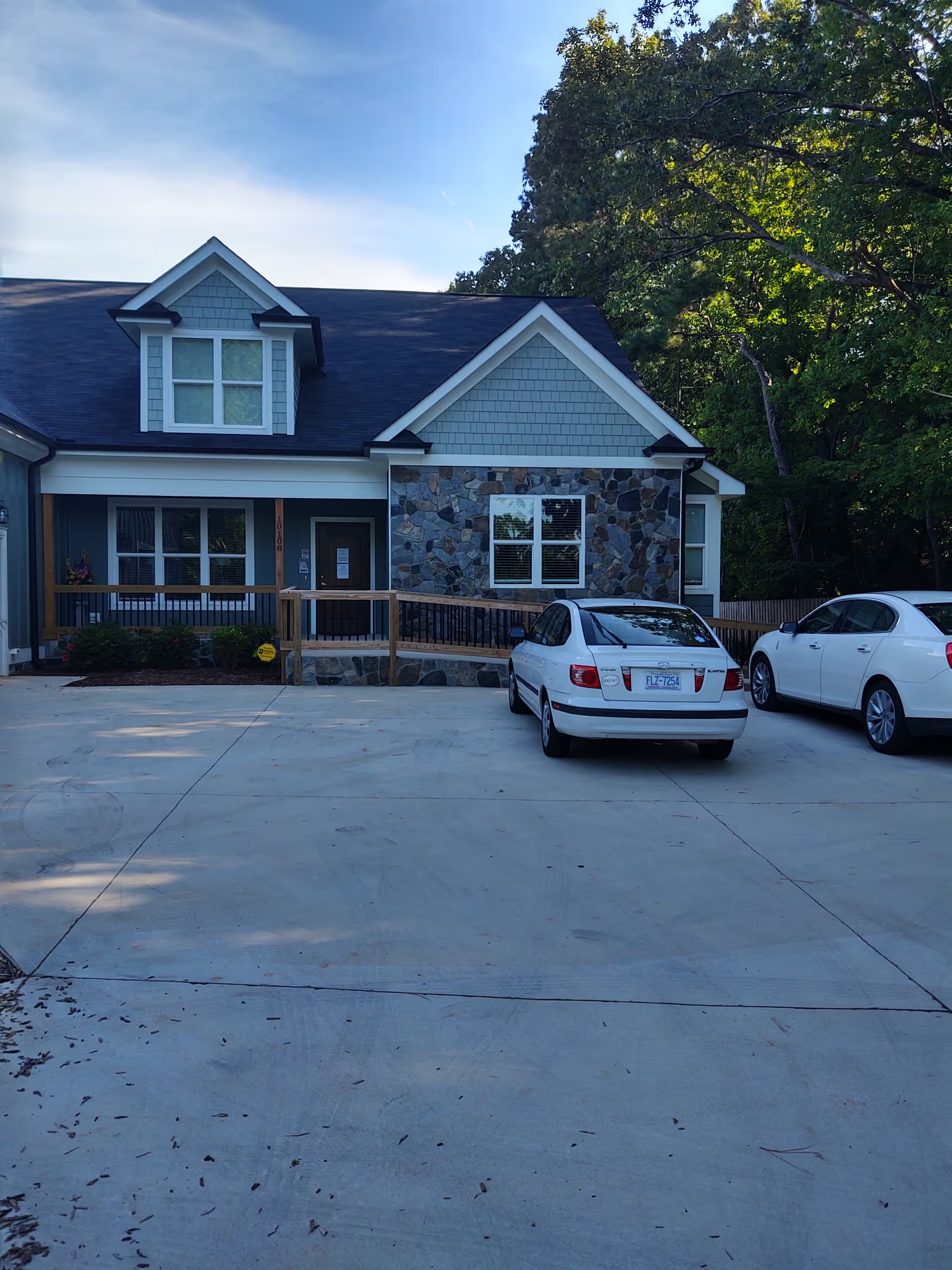
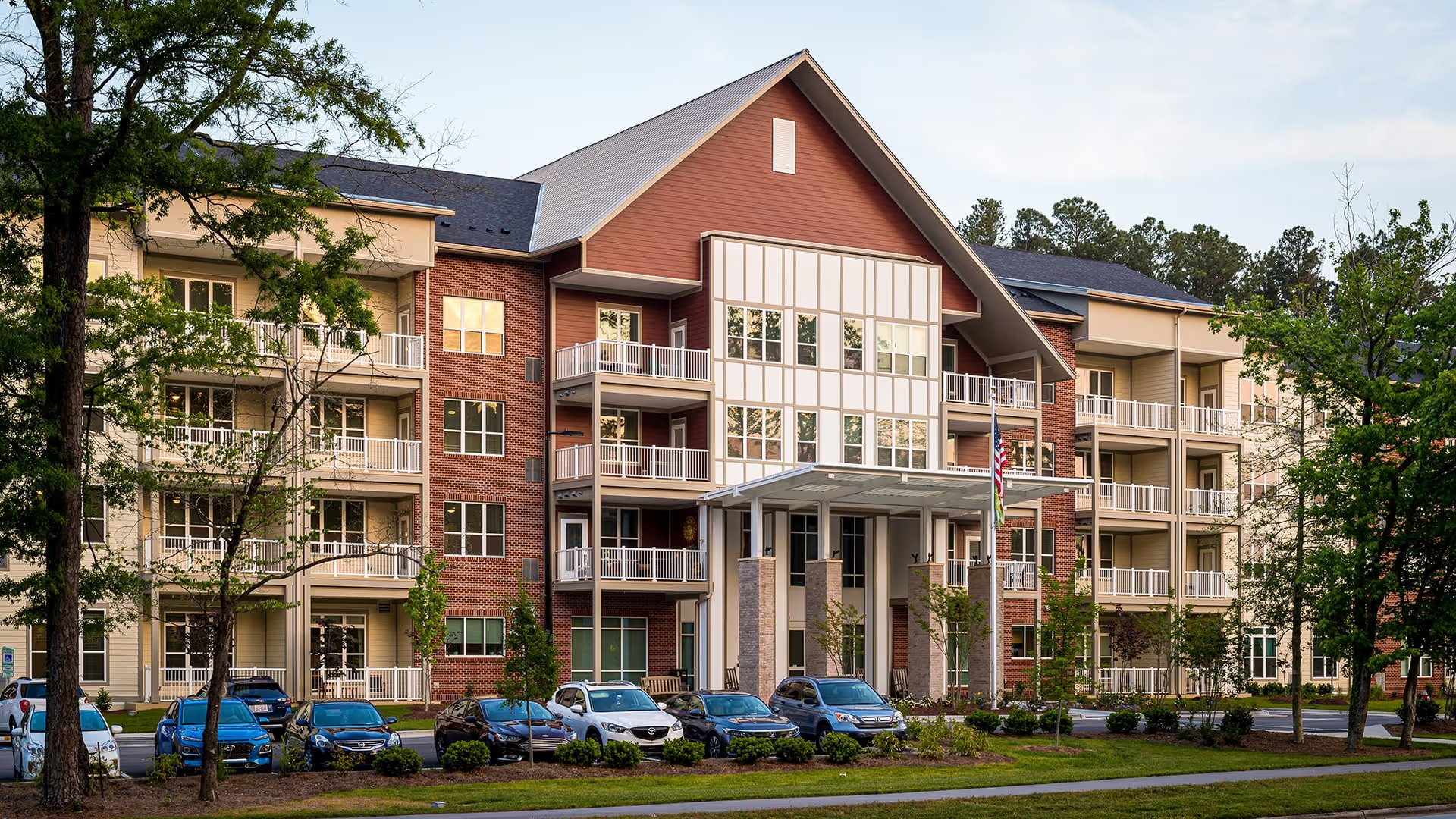
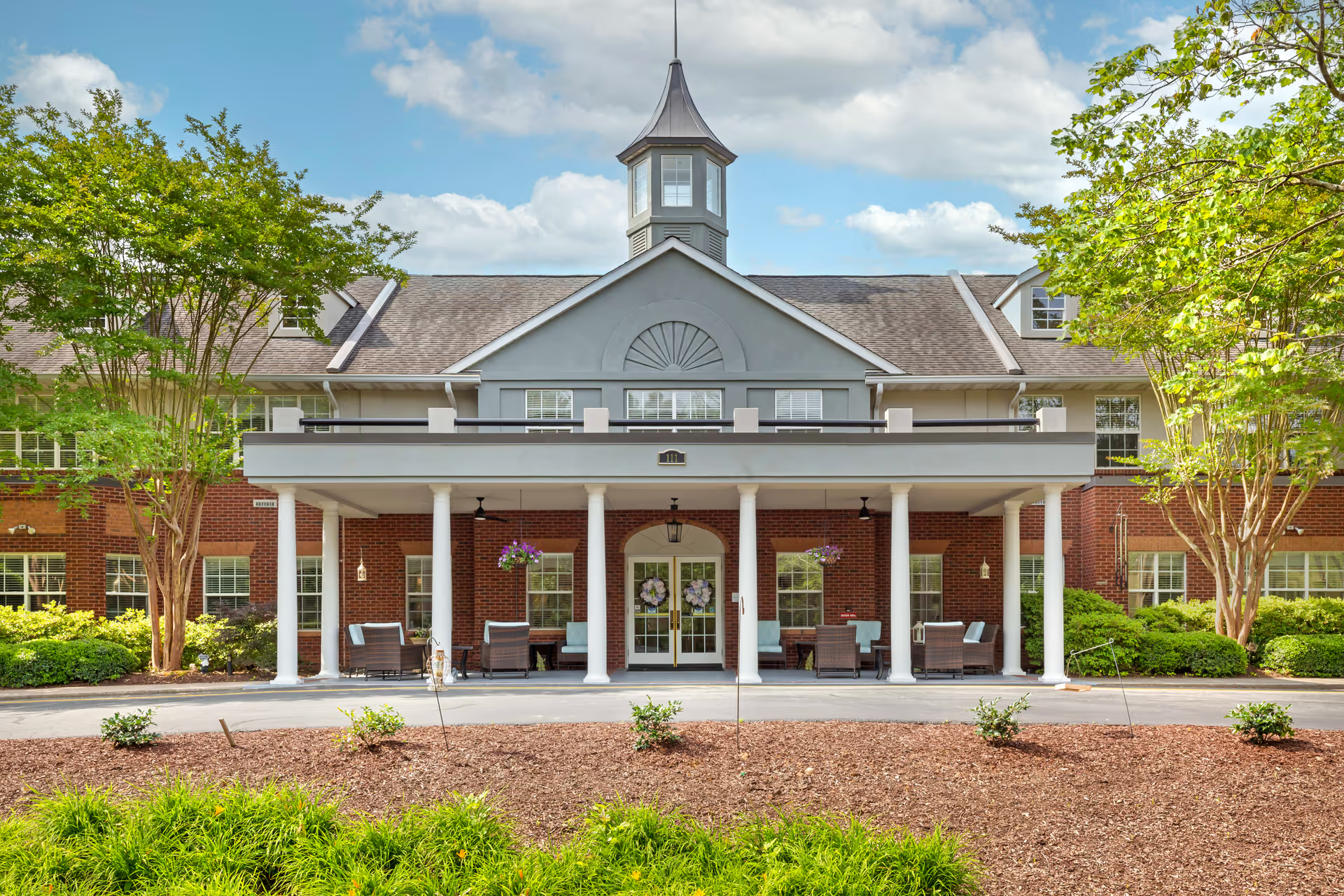
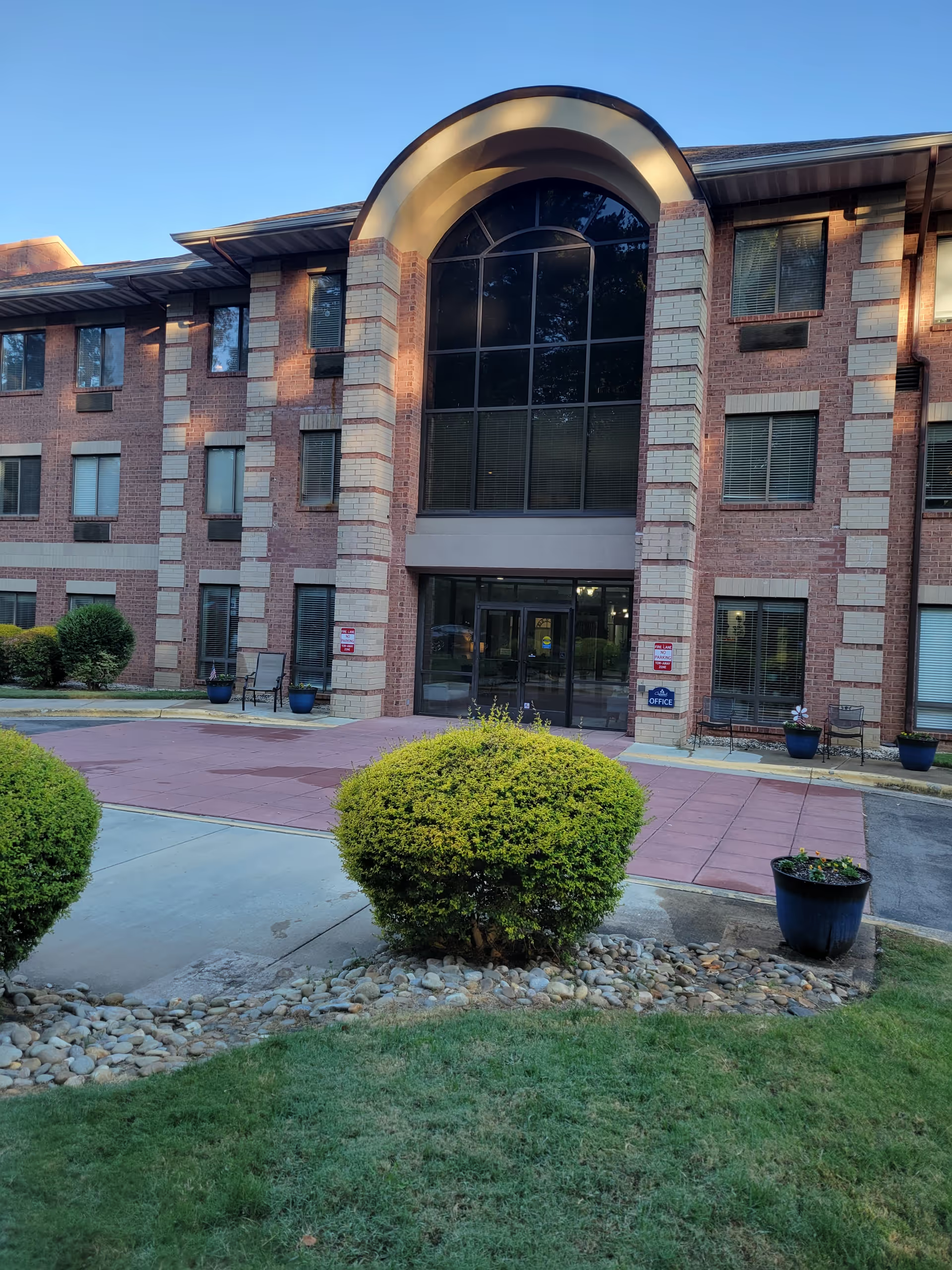
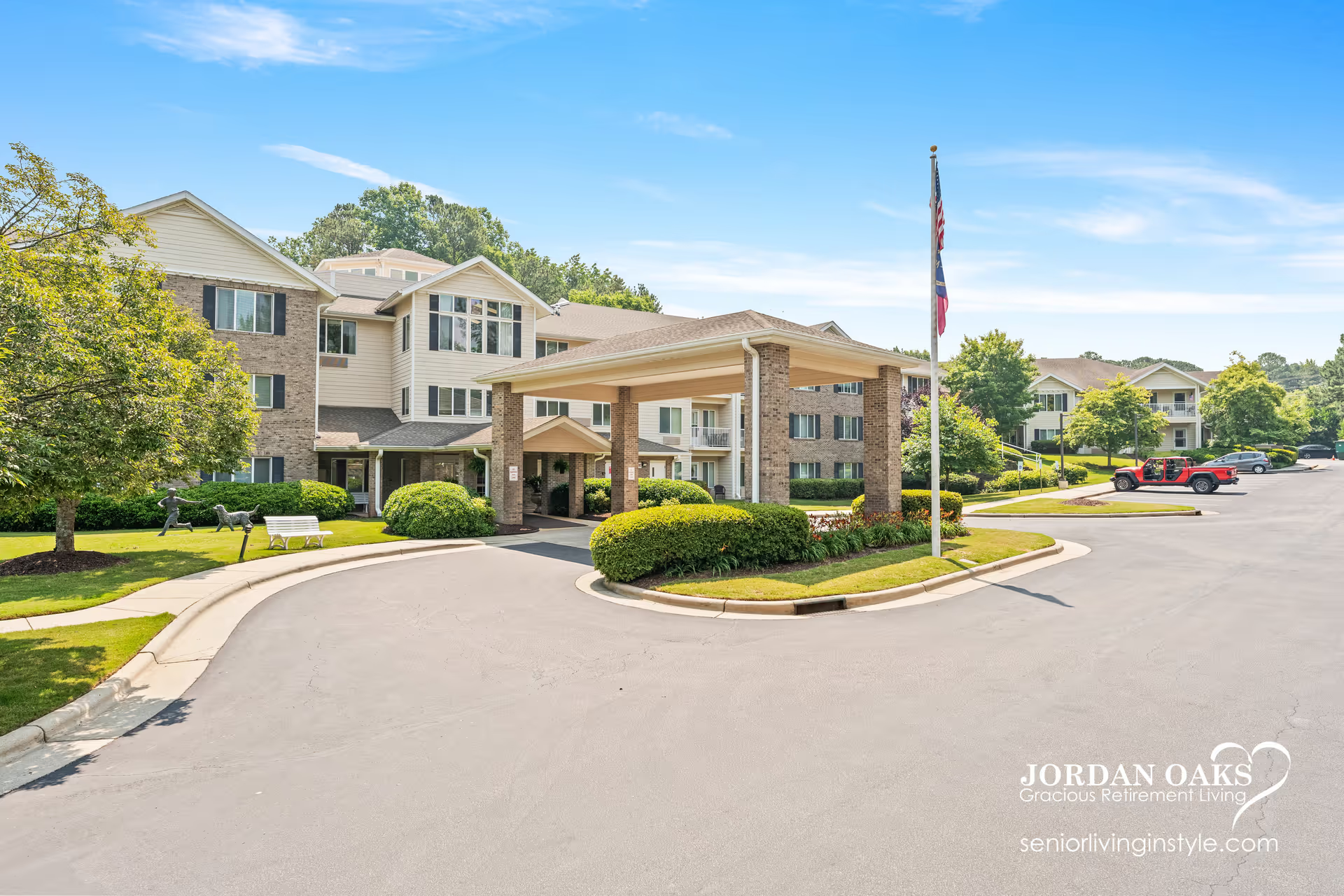
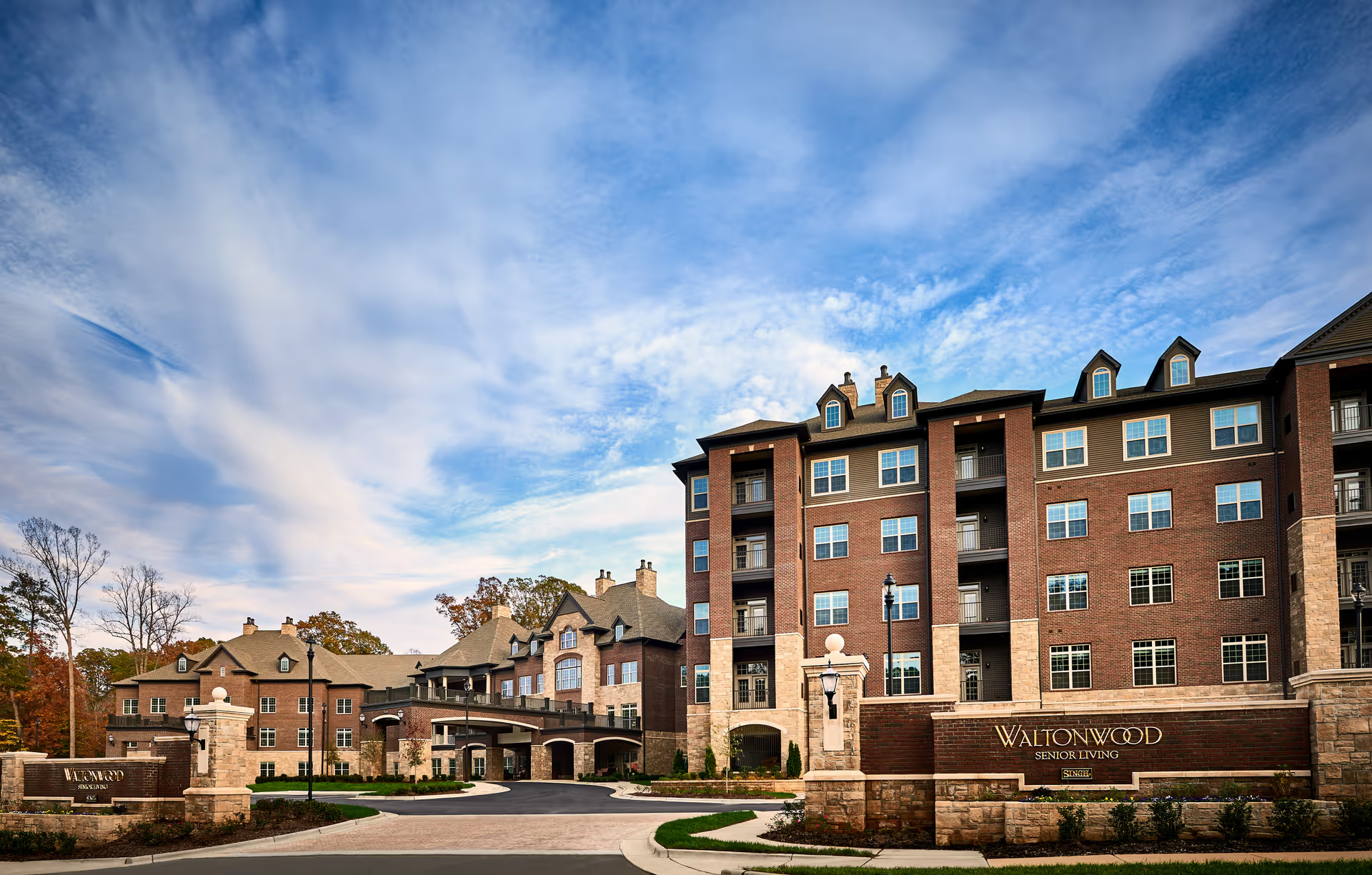
Stoneridge Gracious Retirement Living presents as a new, well‑maintained independent living community with a broad set of social and amenity features. The physical plant is frequently described as bright, clean, and attractively furnished, with wide hallways, balconies, and apartments that include kitchenettes or free washer/dryer options. On-site amenities include a restaurant-style dining room, gym, salon, library, movie theater, chapel, and coordinated ancillary services; many residents and families emphasize a strong community atmosphere and active social life.
Staffing and day-to-day care are among the community's strengths. Live-in management teams (often husband-and-wife pairs) and an engaged activities director receive consistent positive mention for personal attention, move-in support, and relationship-building with residents. Care is described as compassionate and hands-on within the independent living scope, and the community offers some on-site therapy and aide coordination. At the same time, Stoneridge is positioned primarily for independent living: it has limited capacity for higher-level clinical needs, progressive dementia care, or extensive mobility-dependent services. Prospective residents who require substantial assistance or skilled nursing should evaluate fit carefully.
Dining and programming are central to resident life. The facility provides three daily meals in a restaurant-style format, regular outings, and a wide range of activities (games, art, films, music, field trips). Many reviewers praise fresh menus, desserts, and the social experience of mealtime. However, meal quality and menu variety are described as inconsistent; staffing limitations have at times slowed service, reduced menu choices, and complicated provision of specialized diets (for example, gluten-free needs). Operational disruptions (such as temporary dining-hall closures during public-health events) have occasionally changed service models and activity schedules.
Operational and accessibility patterns are mixed. Transportation services and scheduled shuttle trips to stores and appointments are a clear benefit, but the shuttle lacks a wheelchair lift and some reviewers noted shuttle staffing shortages. Connectivity (cellular and public Wi‑Fi) can be unreliable, and parking or elevator delays were mentioned. A number of families raised concerns about management communication in specific disputes (for example, billing or fee conflicts) or perceived sales pressure during move-in; these are operational areas to clarify during a tour.
Overall impression: Stoneridge is well suited to independent older adults seeking an active, amenity-rich community with personable on-site management and a strong activities program. The community receives high marks for staff engagement, social opportunities, and the built environment. Potential residents and families should confirm clinical-care limits, dietary accommodation capabilities, transportation accessibility for mobility‑impaired residents, and contractual/billing procedures before committing, especially if higher levels of assistance or strict dietary management are anticipated.