Reviews of Cardinal Care of Hope Mills present a mixed picture: many families describe attentive, compassionate caregivers and staff who communicate well with relatives, coordinate doctor appointments, and manage residents' day-to-day needs effectively—attributes that several reviewers specifically associated with the facility's memory-care services. Positive comments emphasize staff warmth, responsiveness to family inquiries, and stable daily supervision, suggesting strengths in routine caregiving and family engagement.
At the same time, a number of serious operational concerns appear repeatedly. Several accounts indicate inconsistent clinical responsiveness in urgent situations and gaps in staff training or certification. These patterns point to potential weaknesses in emergency escalation pathways, clinical supervision, and formal training protocols for aides. Relatedly, some families expressed dissatisfaction with staff tone and communication style, describing interactions that felt abrupt or insufficiently explanatory; this highlights variability in staff conduct and a need for clearer communication standards.
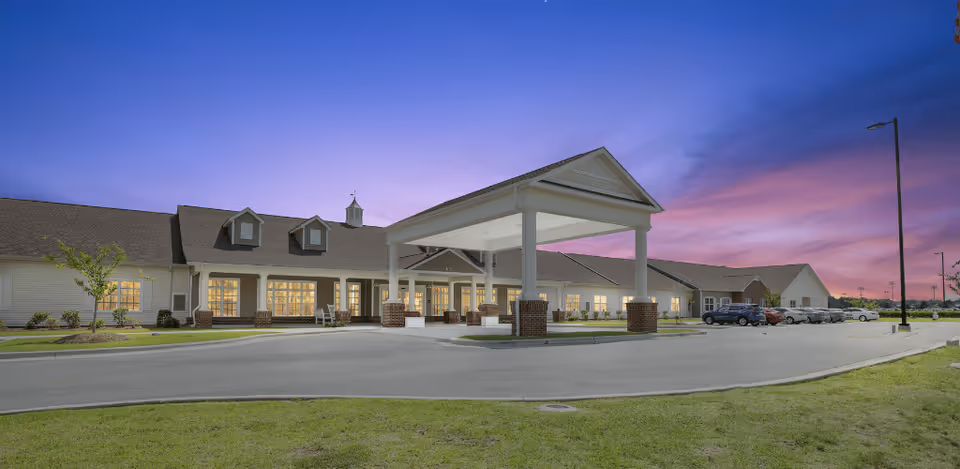
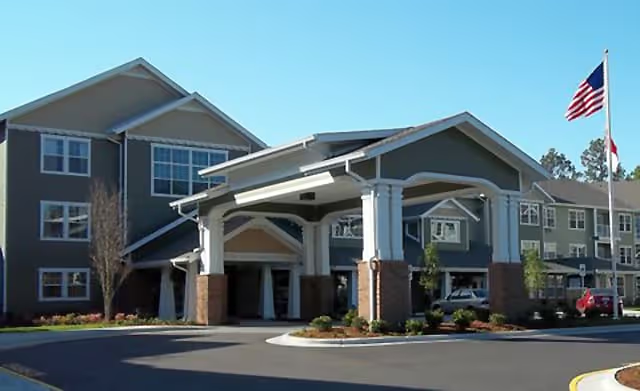
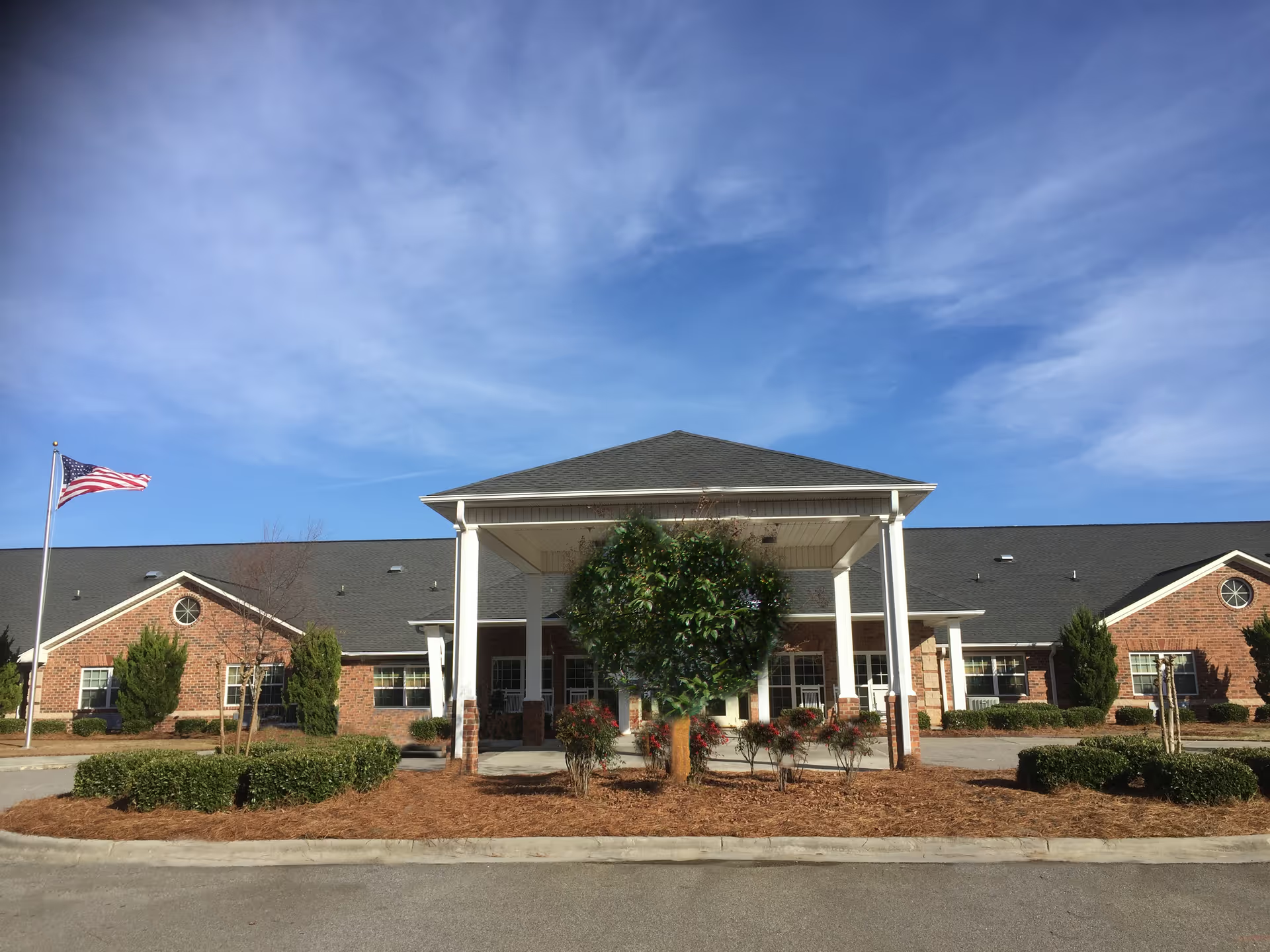
The facility environment and amenity level are another recurrent theme. Multiple descriptions characterize resident rooms as small and minimally furnished, and several reviewers portrayed the setting as more institutional than residential. While the program appears to function well for certain memory-care needs, the physical layout and available space may be ill-suited for families seeking larger, more amenity-rich accommodations or for residents with higher-acuity requirements.
There are also management-level concerns to consider. A perception that staffing and operational decisions are driven by financial priorities rather than individualized care was voiced by some families, and at least one review raised questions following a resident's transfer and subsequent death—an account that prompted scrutiny of continuity of care and end-of-life coordination. These items suggest the facility could benefit from clearer policies on escalation, transfer communication, and family notification during clinical changes.
Information about dining, activities, pricing, and overall cleanliness is limited in the available summaries; few reviewers supplied detailed commentary on meals or programming, which leaves those areas less well characterized. Prospective families should request menus, activity schedules, staffing ratios, certification documentation, emergency-response protocols, and a tour of resident rooms. Observing care during shift changes and asking for recent inspection or training records would also help assess whether this facility’s strengths in caregiving and family communication are supported by consistent clinical practices and an environment that matches a family's expectations.